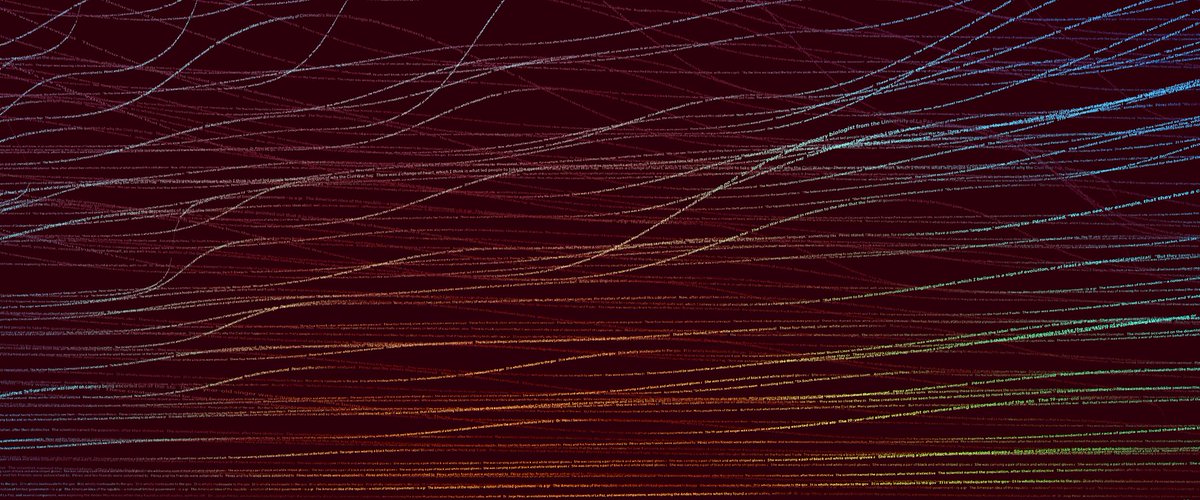
🎉 Introducing... Methods! We are now tracking 730+ building blocks of machine learning: optimizers, activations, attention layers, convolutions and much more! Compare usage over time and explore papers from a new perspective. Browse the catalogue here: https://t.co/XGFUzV3ELU
#PrivacyPreserving recommendation systems
using #FederatedLearning
Check our blog for part 1: https://t.co/rkC5kQV26L
Join our amazing community!
https://t.co/RLtEtmV76J
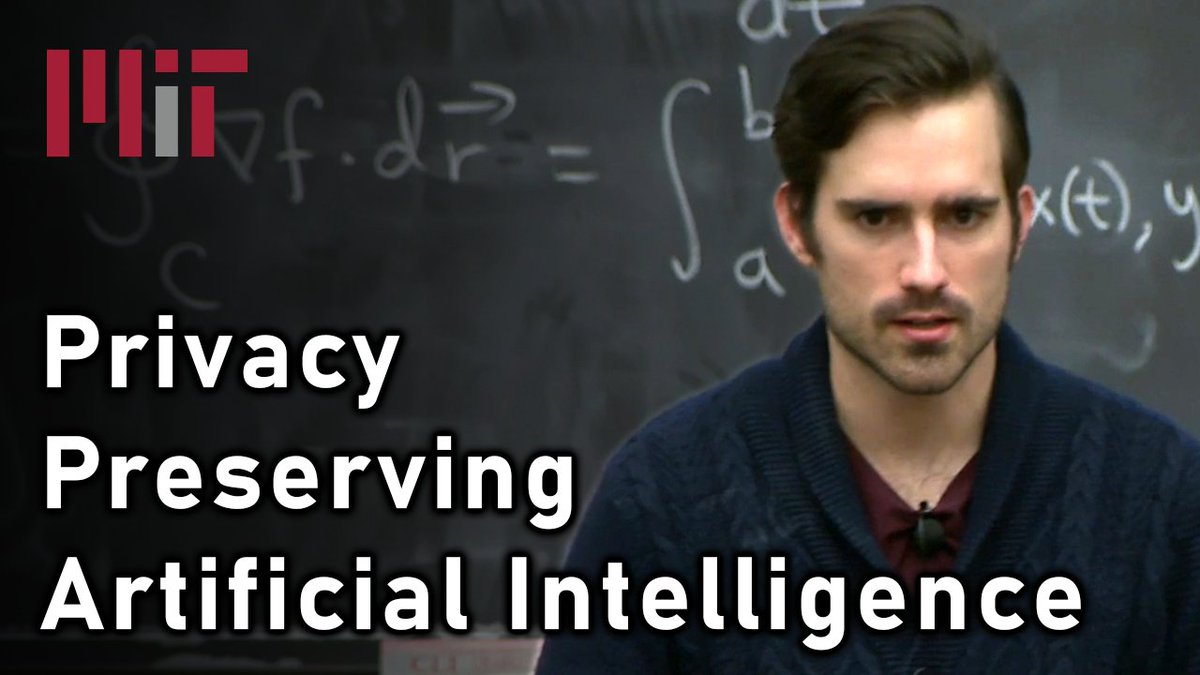
Here's a lecture by Andrew Trask (@iamtrask) on privacy-preserving AI as part of the MIT Deep Learning lecture series. Preserving privacy boosts our ability to do science at a large-scale and to engineer intelligent systems that learn from data: https://t.co/Fp3fXgtfYJ
We're releasing the 1.5billion parameter GPT-2 model as part of our staged release publication strategy.
- GPT-2 output detection model: https://t.co/PX3tbOOOTy
- Research from partners on potential malicious uses: https://t.co/om28yMULL5
- More details: https://t.co/d2JzaENiks
Learning the sense of smell, as well as mapping them onto continuous spaces.
Exciting investments and initial research by Alex Wiltschko & team at Google
https://t.co/n5J047KyWA
Excited to share that @stasislabs was awarded the "Most Innovative e-ICU Solution for India 2019 🏆" by Frost & Sullivan Awards! Our vision has always been to accelerate proactive patient care and easily convert any bed into a connected care bed. Very proud of our India team!
Exciting Release! https://t.co/FhR7j4DLk6
This will accelerate the machine learning ecosystem.
Congrats to Tensorflow team and to everybody who has contributed! #Tensorflow
🗣 Attention #TensorFlow community!
We are excited to announce TensorFlow 2.0. Inspired by all of your feedback, this powerful and easy-to-use framework includes tight Keras integration, expanded TF datasets, and more.
Watch @lmoroney present here → https://t.co/bzI1vDZDnV
Interesting read on the current state of recommendation systems and can be extended to entirety of Machine Learning. The research needs to be reproducible to be relevant. https://t.co/MyIaSigamA
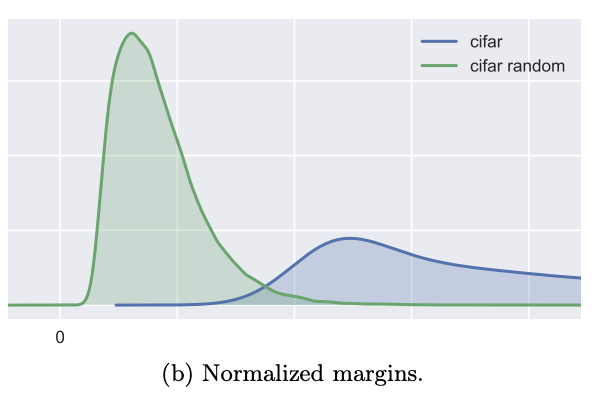
Another great paper for understanding generalization properties in the overparameterized regime:
Spectrally-normalized margin bounds for neural networks
https://t.co/mPl690Qg2x
Barlett et al
It does feel like the "dark arts" of neural nets are waning...
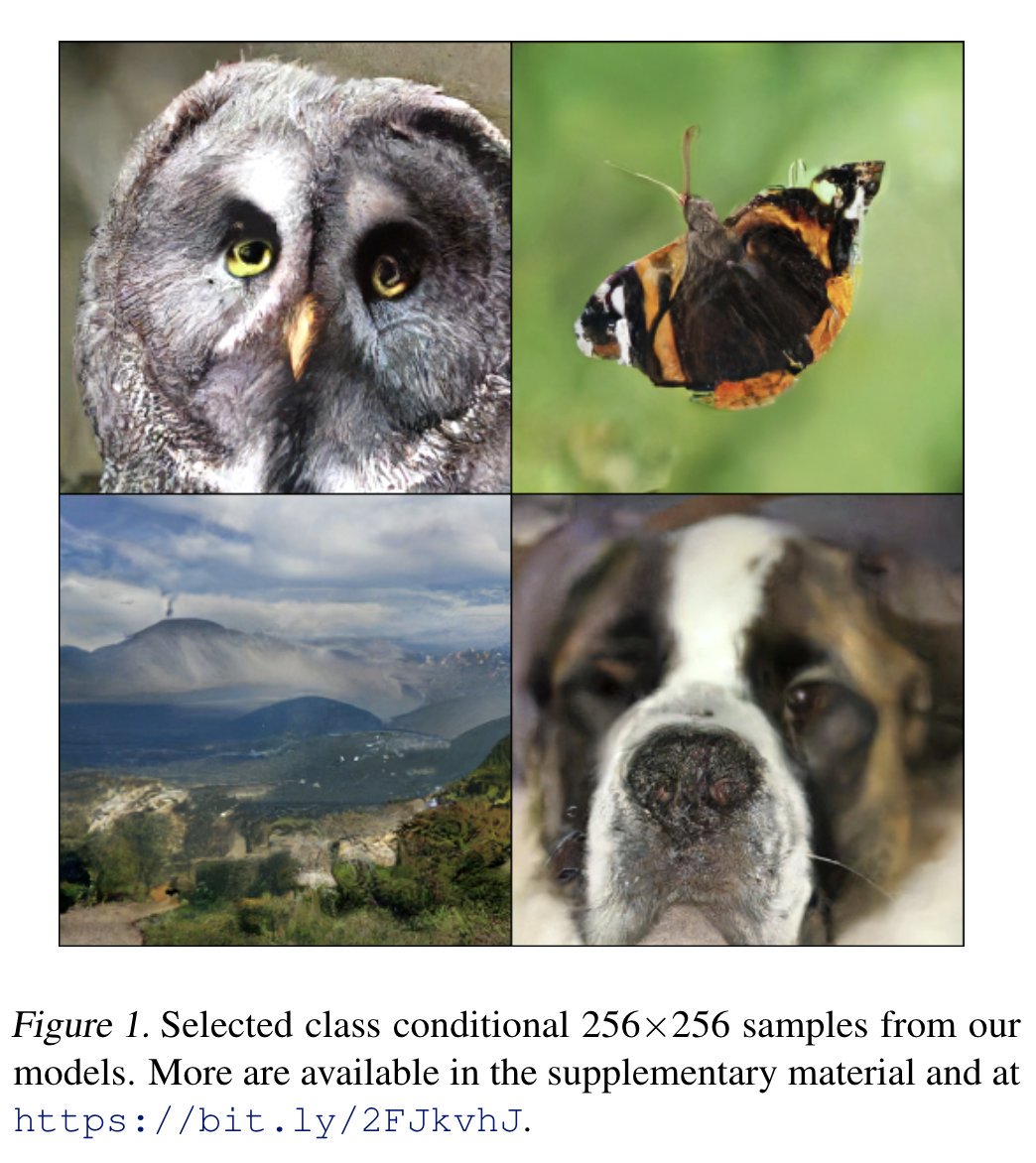
Hierarchically stacking discrete autoencoders to allow likelihood models to capture long-range structure in images, new paper with @sedielem and Karen. We generate realistic images at 128x128 and 256x256!
Paper: https://t.co/u3o7eXYs16
Samples: https://t.co/mDQ9Bq1wum
I left Google DeepMind to build a non-profit research lab focused on helping to fix climate change ASAP. Very open and collaborative. Everything open-source. Focus on practical, scalable interventions, starting with forecasting solar PV. https://t.co/llP6tm5iK0
Deep Learning cheatsheets covering the content of Stanford's CS 230 class. Well done and clear by @shervinea.
Feed forward: https://t.co/xxwcghQ95g
Recurrent: https://t.co/Oshl7Z4C6Q
More tips: https://t.co/wOLdvlnmns
#AI-based remote patient monitoring solution Stasis is changing healthcare in #India@dseemakurty@MichaelMaylahn
Stasis completed 2 usability studies funded by #Worldbank; is used by 50 hospitals & is expanding in metros in India
#ArtificialIntelligence https://t.co/6BMG7Tthvm