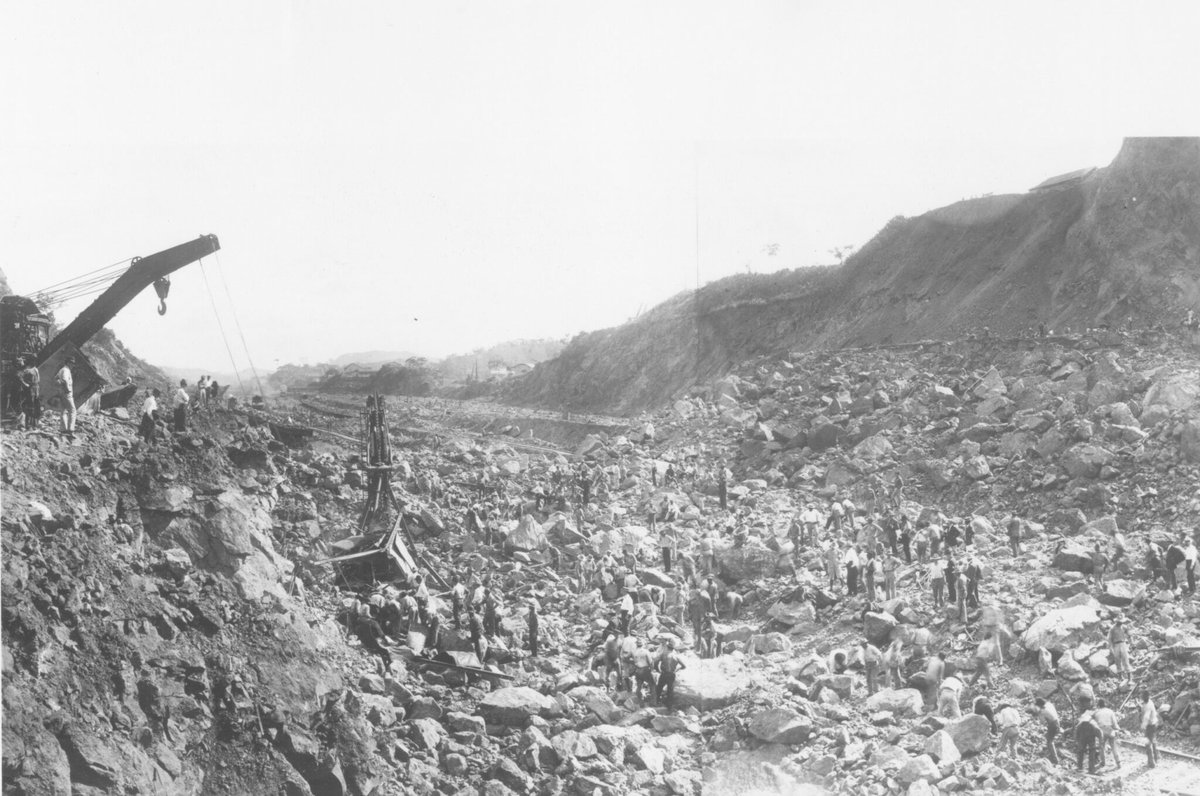
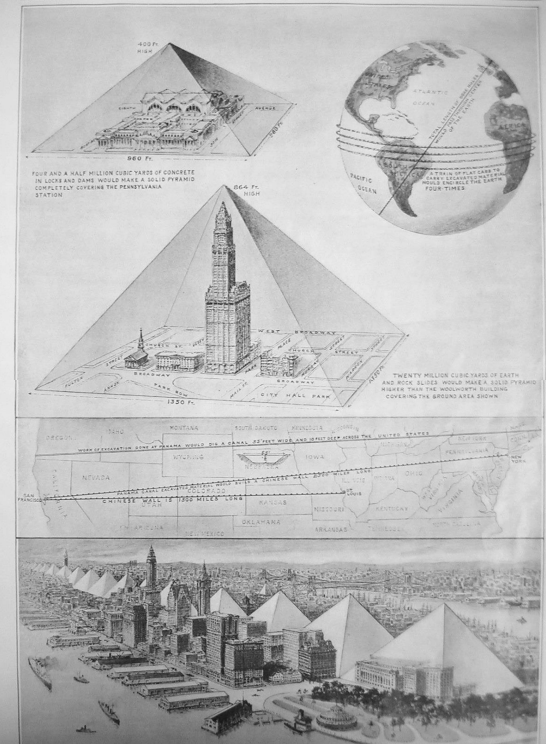
People have made many comparisons to illustrate the sheer volume of material excavated for the Panama Canal. Stacked up, the spoil would rise 7,000 times higher than Mount Everest. It could build 63 Great Pyramids of Giza or a Great Wall stretching from San Francisco to New York. In total, 262 million cubic yards were removed during the 30-year construction—only one-third of the French work was usable, about 30 million cubic yards. Scientific American (1912) noted that a train carrying all the excavated material could circle the globe four times, build 63 pyramids, or erect a Great Wall twice its size.
Photo: 1908 Culebra Cut, Immediately After Explosion
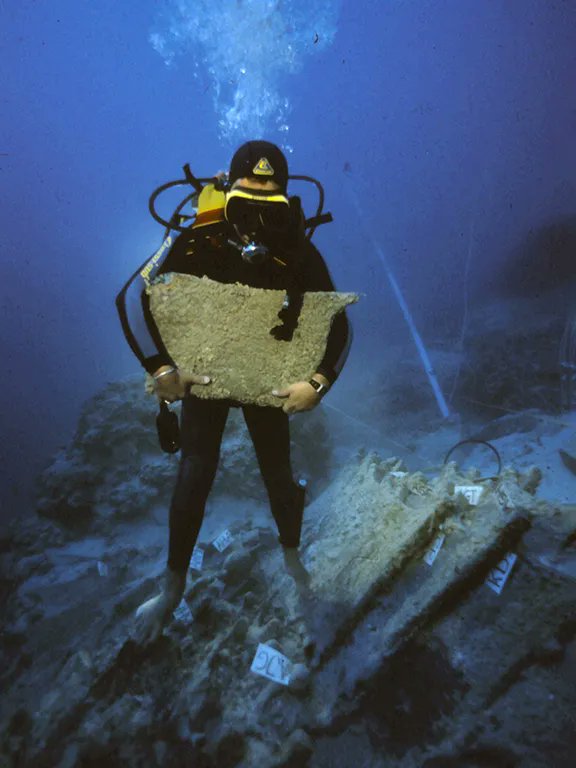
In 1982, a Turkish sponge diver named Mehmed Çakir discovered metal "biscuits with ears" off the coast of Uluburun. What he had found became one of archaeology's greatest treasures: a Late Bronze Age merchant vessel that sank around 1320 BC. Between 1984-1994, archaeologists conducted 22,413 dives to recover a cargo so diverse it revealed the interconnected world of the 14th century BC Mediterranean—a world far more sophisticated than previously imagined.
The ship, approximately 15 meters long and constructed of Lebanese cedar, carried ten tons of copper and one ton of tin—enough to produce eleven tons of bronze. Its cargo represented nine or ten distinct cultures, spanning from northern Europe to Africa, from Sicily to Mesopotamia. Among the treasures: 175 glass ingots (the earliest intact examples known), African ebony logs, elephant tusks, amber from the Baltic, Canaanite jars filled with terebinth resin, and luxury items including a gold scarab bearing Queen Nefertiti's name. The ship likely departed from Cyprus or the Syro-Palestinian coast, bound for a Mycenaean palace in mainland Greece.
The cargo's composition suggests this was no ordinary merchant voyage. The mix of royal gifts, raw materials, and luxury goods matched items listed in the Amarna letters—diplomatic correspondence between Egyptian pharaohs and Near Eastern rulers. The presence of weapons from multiple cultures (Canaanite, Mycenaean, and Italian swords), along with cylinder seals and ceremonial items, indicates this vessel served the elite networks that bound Bronze Age kingdoms together through gift exchange and strategic trade.
The wreck site, lying 44-52 meters deep on a steep rocky slope, required extraordinary archaeological effort. Director George Bass and later Cemal Pulak led eleven excavation campaigns, using underwater telephone booths and triangulation mapping to document every artifact's position. The careful recovery revealed not just objects but context—how the ship was loaded, how it was built with shell-first construction and mortise-and-tenon joints, and how 24 stone anchors from Syria-Palestine guided it across ancient seas.
This single shipwreck fundamentally changed our understanding of Late Bronze Age economics. It demonstrated that international trade networks existed centuries before classical Greece, that technological knowledge flowed freely across vast distances, and that royal courts from Egypt to Mycenae were linked through sophisticated exchange systems. The Uluburun vessel wasn't just carrying cargo—it was carrying the connective tissue of Bronze Age civilization.
The Uluburun shipwreck's excavation revolutionized Bronze Age scholarship by providing physical proof of economic systems previously known only through fragmentary texts and Egyptian tomb paintings. It demolished outdated assumptions about ancient isolation, demonstrating that Mediterranean and Near Eastern societies participated in globe-spanning trade networks characterized by standardized weights, quality control for raw materials, and diplomatic protocols governing commerce. The wreck established that tin from Central Asia, copper from Cyprus, amber from the Baltic, and African luxury goods moved through coordinated exchange systems—not random transactions. This discovery forced historians to recognize that economic globalization, technological diffusion, and cultural interconnection are not modern phenomena but fundamental patterns of human civilization, fundamentally reshaping how we understand the development of early complex societies and their collapse when these networks failed during the Bronze Age's end.
#archaeohistories
Hoy se ha celebrado el acto de presentación de Ana Peyró, candidata a convertirse en la primera jueza española de la @IntlCrimCourt para 2027-2036.
Peyró aporta una sólida trayectoria en derecho penal internacional, con experiencia tanto en ONU como en el Gobierno de España.
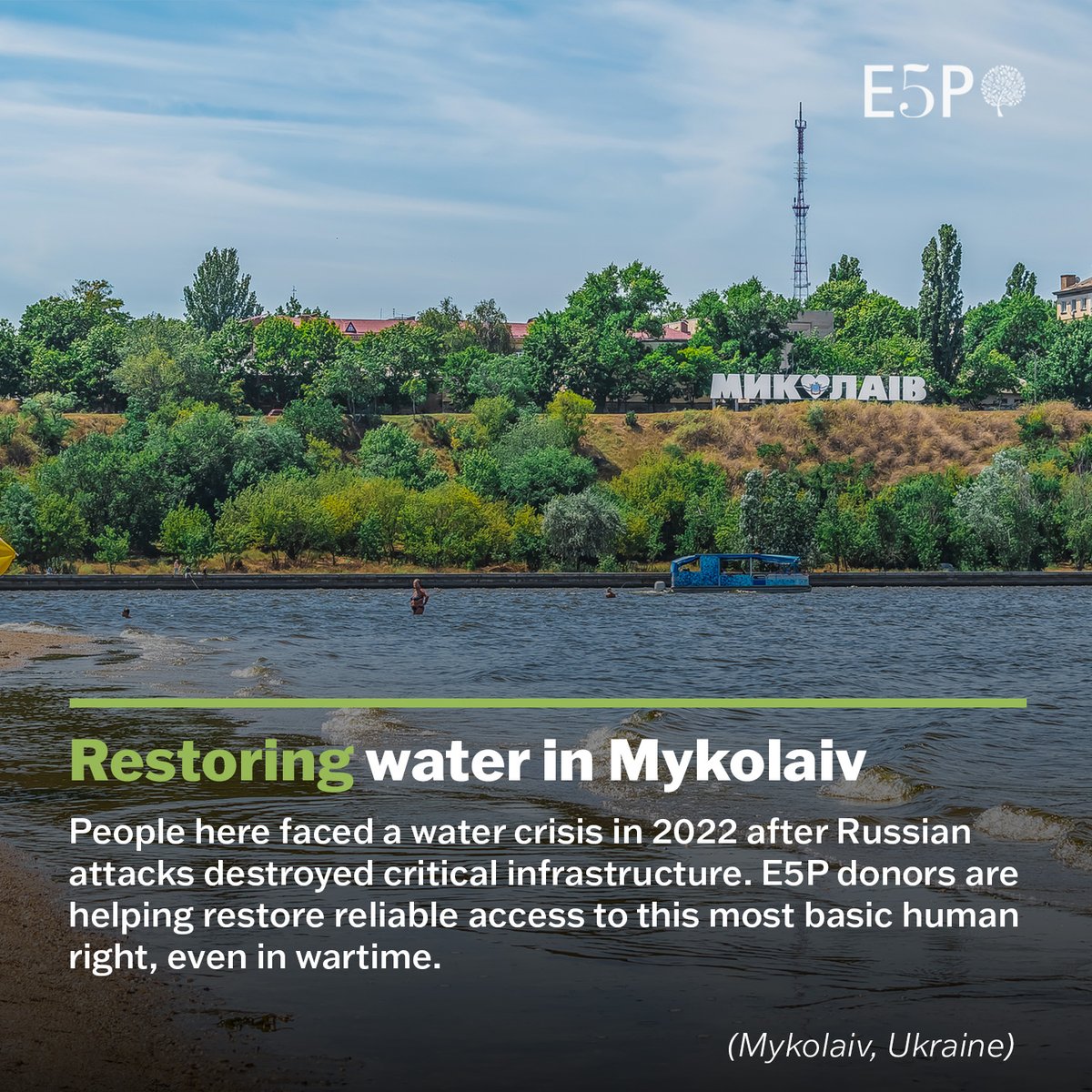
In April 2022, Mykolaiv’s taps ran dry after Russian attacks. Water trucks, wells, and trams kept the city going. A €33.8M E5P & @EBRD programme is rebuilding the system to provide safe, reliable water for hundreds of thousands.
Six public development banks launched the Clean Oceans Initiative 2.0 today at #UNOC3 in Nice.
@EBRD, @EIB, @ADB_HQ, @AFD_en, @KfW_int & @GruppoCDP set a €3 billion joint target for 2026-30 to tackle ocean plastic pollution. #SaveOurOcean
https://t.co/Ux70Sk1wuP
@AdonaiHM
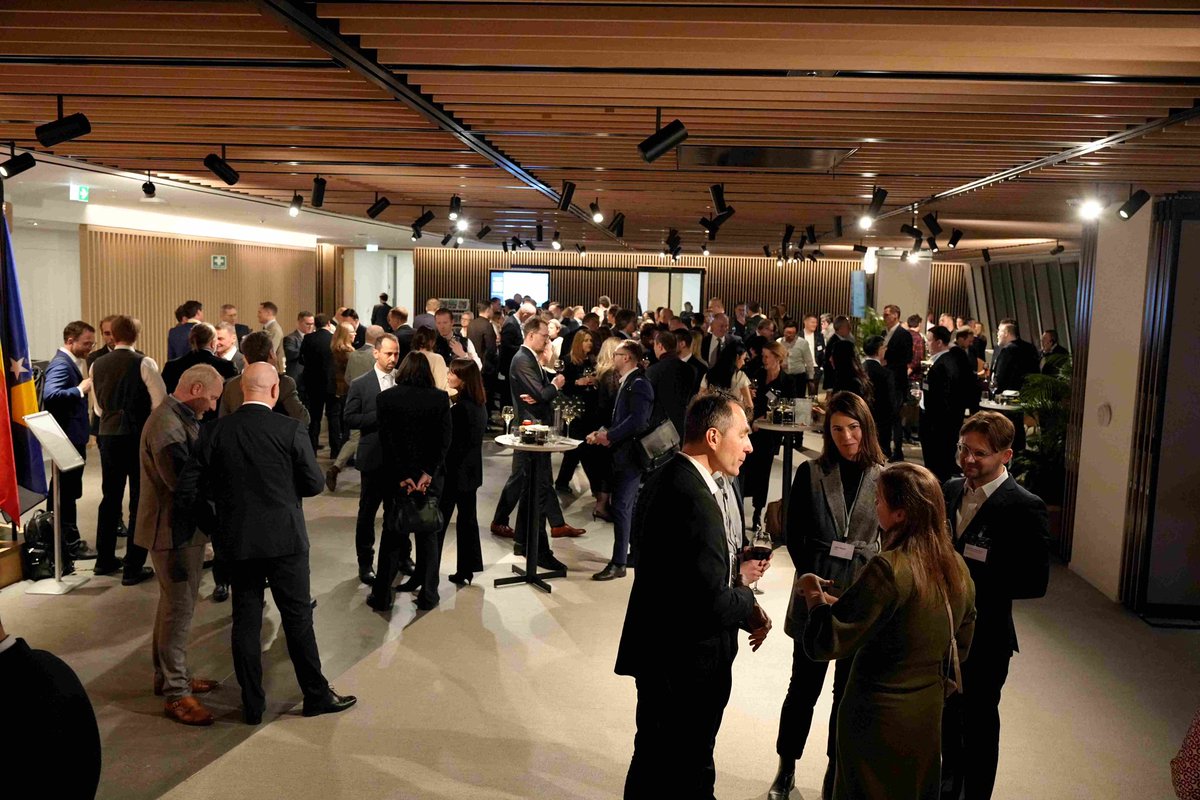
A great pleasure to discuss the future of global interest rates and real estate in Emerging Europe at the annual ENTRALON Real Estate Club conference at @EBRD
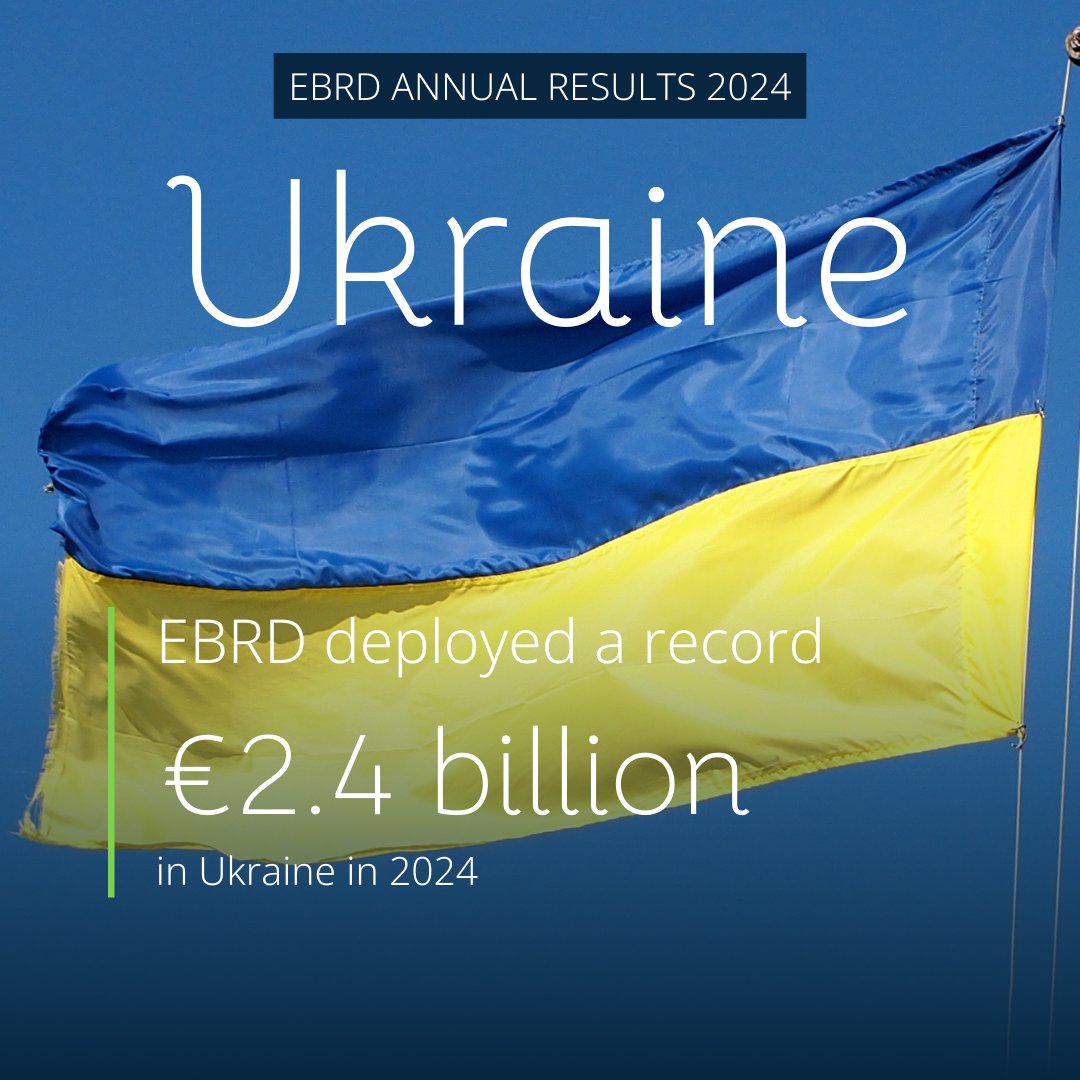
We deployed a record amount of nearly €2.4 billion in Ukraine last year, following a €2.1 billion total in 2023.
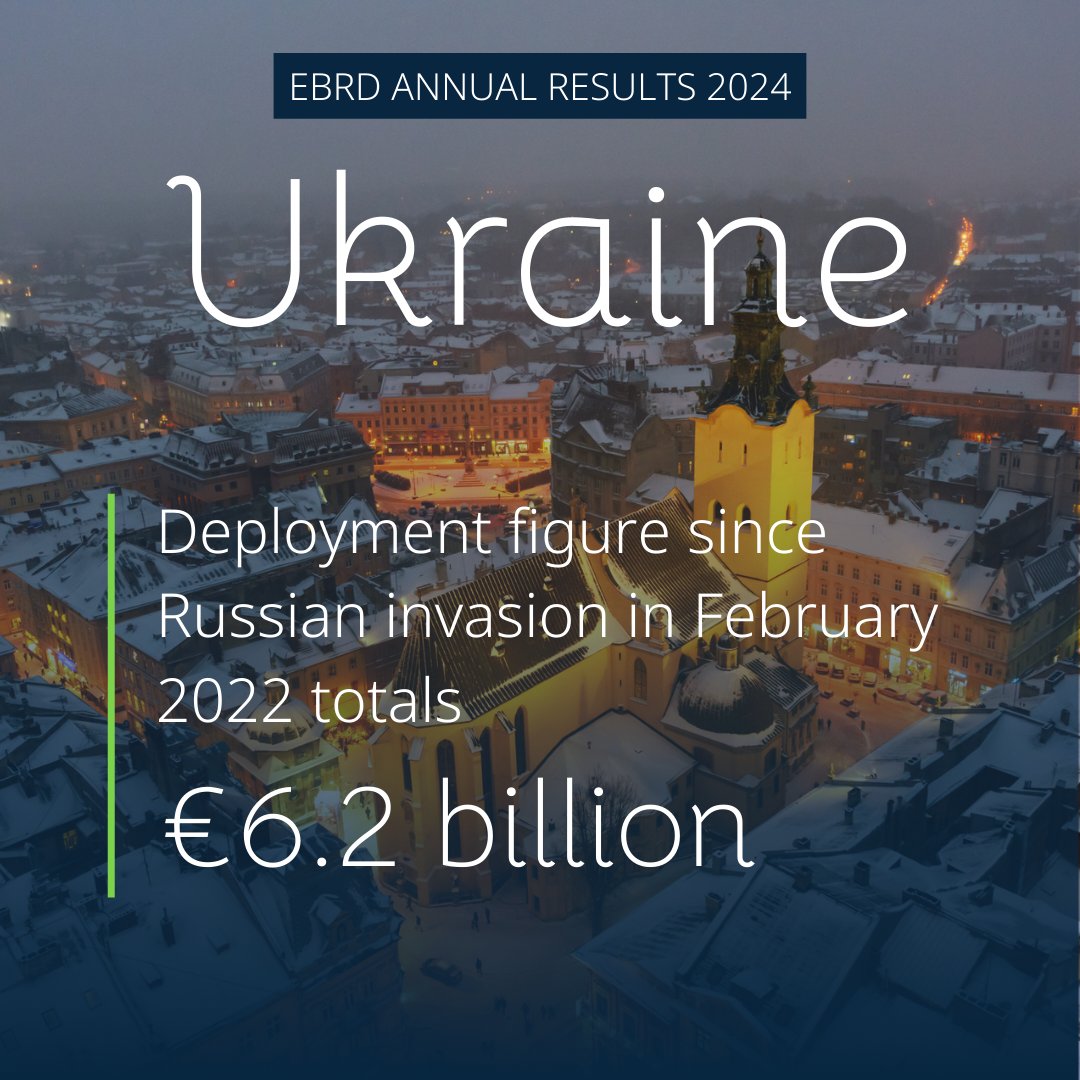
We’ve made nearly €6.2 billion available to wartime Ukraine since the full-scale Russian invasion of February 2022.
https://t.co/o9LiKFjxXZ
@anjciallover 4/5
Freedom of expression: Un gato es amor by @AdonaiHM
In Motion: foggy morning in Khorezm by Azamat Matkarimov
People & faces: Village girl in Bangladesh by @anjciallover
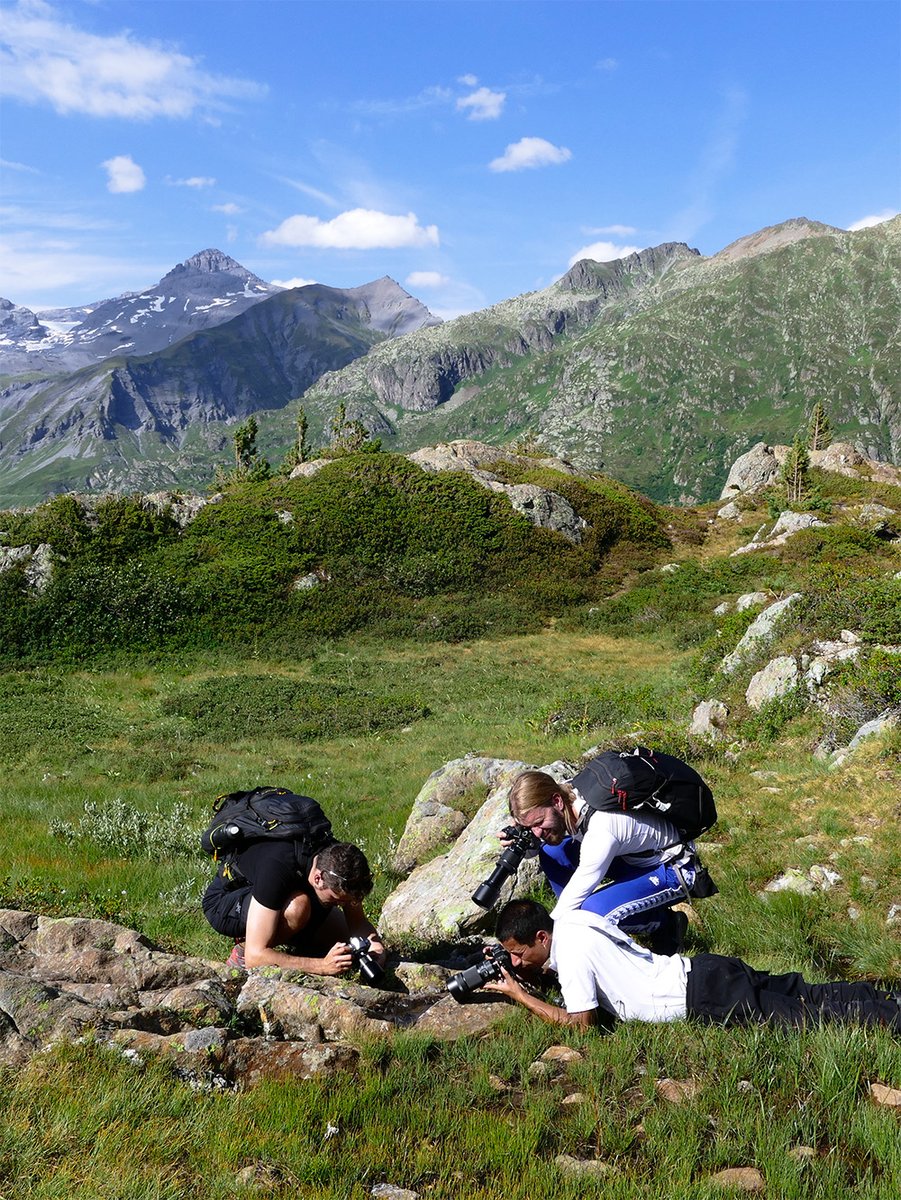
Wild exploring: Taking in the view by John Gordon
Gràcies @borras_xavier i @apunt_media per la benvinguda i l'entrevista! Un plaer dialogar amb vosaltres i explicar com funciona l'@EBRD i la nostra missió de transisió verda @EBRDgreen
🗣 Adonai Herrera (@AdonaiHM), director de Medi Ambient del Banc Europeu de Reconstrucció i Desenvolupament, posa èmfasi en la previsió a llarg termini per a planificar la reconstrucció després de la DANA.
⬇ Entrevista completa:
https://t.co/sEAOwHMT8N
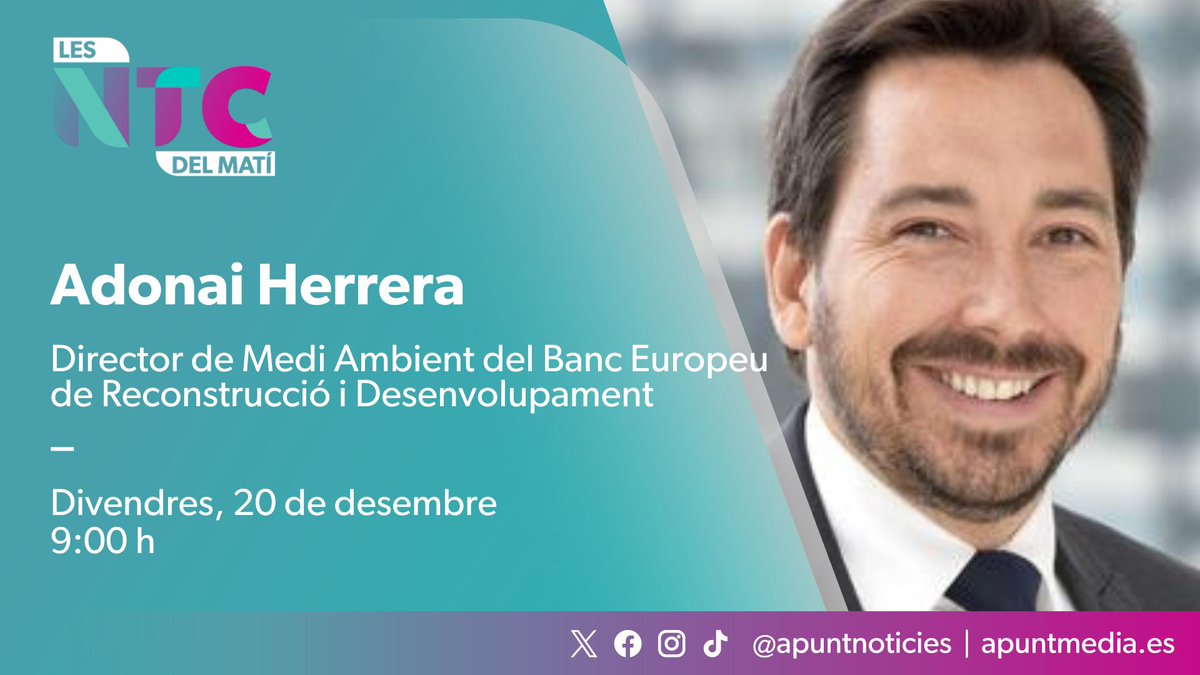
🎙️ Demà entrevistem Adonai Herrera (@AdonaiHM), director de Medi Ambient del Banc Europeu de Reconstrucció i Desenvolupament (@EBRD).
👥 Amb @Isaolms, @Senguix i @DaValero en la tertúlia.
📻https://t.co/OwPVQ7SOsu
📺https://t.co/MYE6XBFNqj
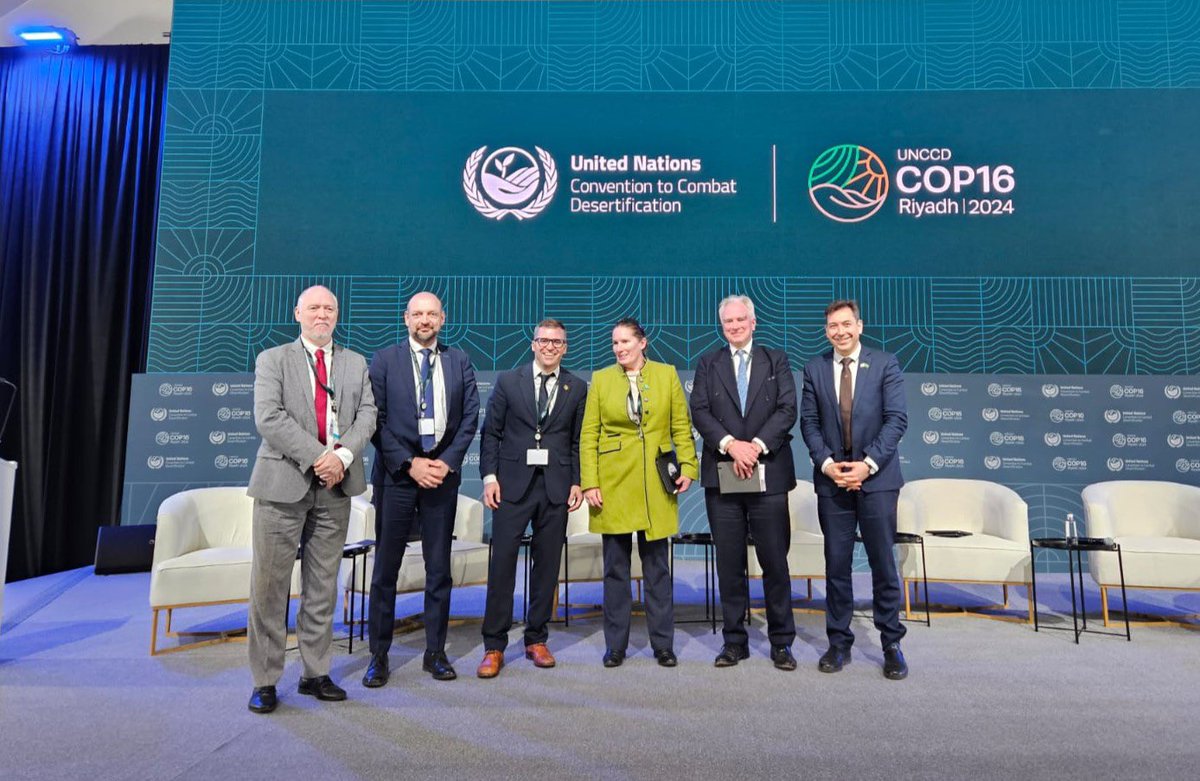
@AdonaiHM spoke at @FAO event at @Cop16Riyadh on our €50 bn investment in 1000+ projects across MENA and importance of nature-positive solutions in financing for drought resilience. He also shared @EBRD's experience with sustainability-linked loans. https://t.co/Wo2B7bYSWB
@AdonaiHM is at @Cop16Riyadh . He spoke on sustainable land management & @EBRD ‘s work with the private sector. At the panel on power of the market, he said when investing, it’s crucial to internalise environmental costs while keeping in mind interconnectedness of our ecosystems.