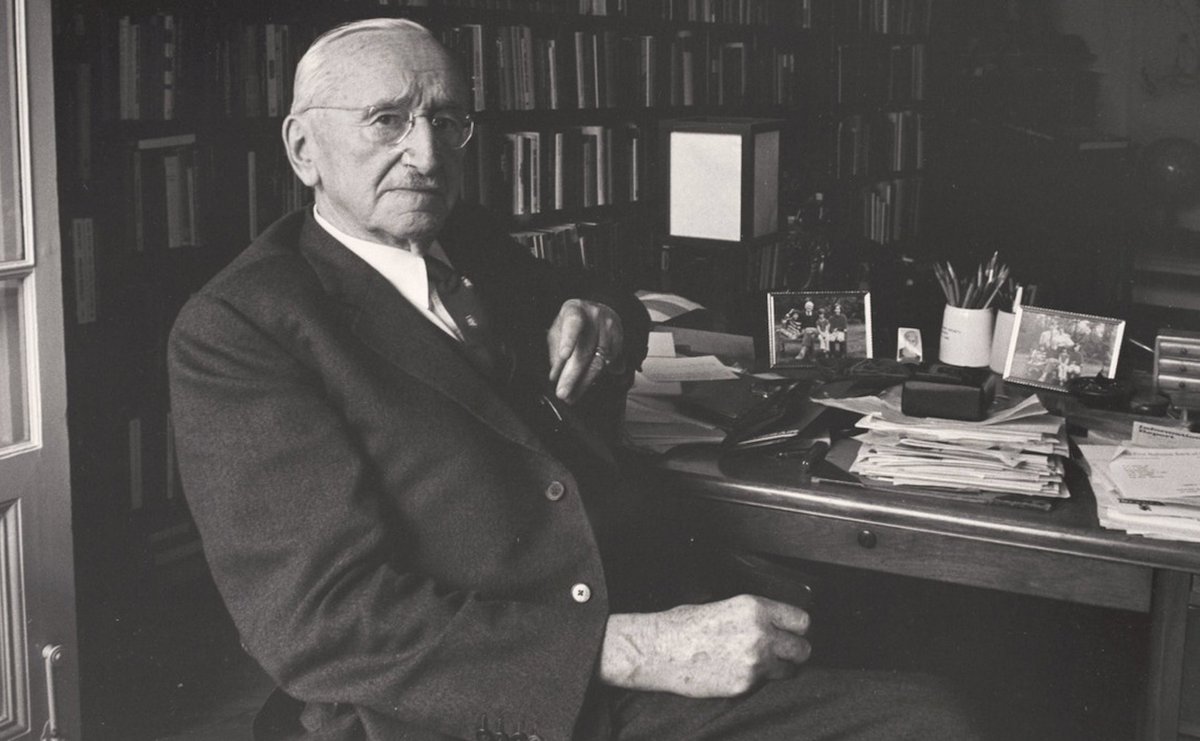
Hayek on intellectuals’ tendency to judge ideas by ideology rather than merit:
“It is perhaps the most characteristic feature of the intellectual that he judges new ideas not by their specific merits but by the readiness with which they fit into his general conceptions, into the picture of the world which he regards as modern or advanced.”
Lieve volgers ….
Als je 500 euro van een hardwerkende werknemer afpakt ….en je geeft 100 euro aan 5 luie mensen …verlies je 1 stem ….maar win je er 5…
Het is het grootste piramidespel in de geschiedenis…..en het heet….SOCIALISME….
People with high standards are INTENSELY SELECTIVE. They become used to noticing patterns, tone, inconsistencies, people’s animosity, and hidden jealousy. Once they see malicious intent, they don't react, they don't argue they quietly remove access.
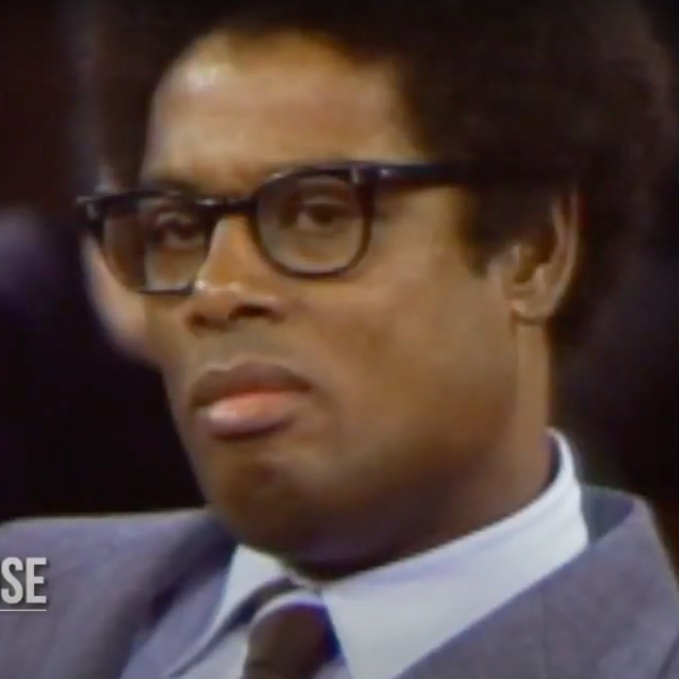
Thomas Sowell: “What is called ‘democratic socialism’ is just a more polite name for the same old failed system that concentrates power in the hands of politicians and bureaucrats.”
Intelligent people are OBSERVANT. They can literally see right through people, their low self-esteem, nasty behavior, competitiveness, and pessimism. That’s why they master loneliness, live quietly, and move in silence.
We live in an Age of Cowardice.
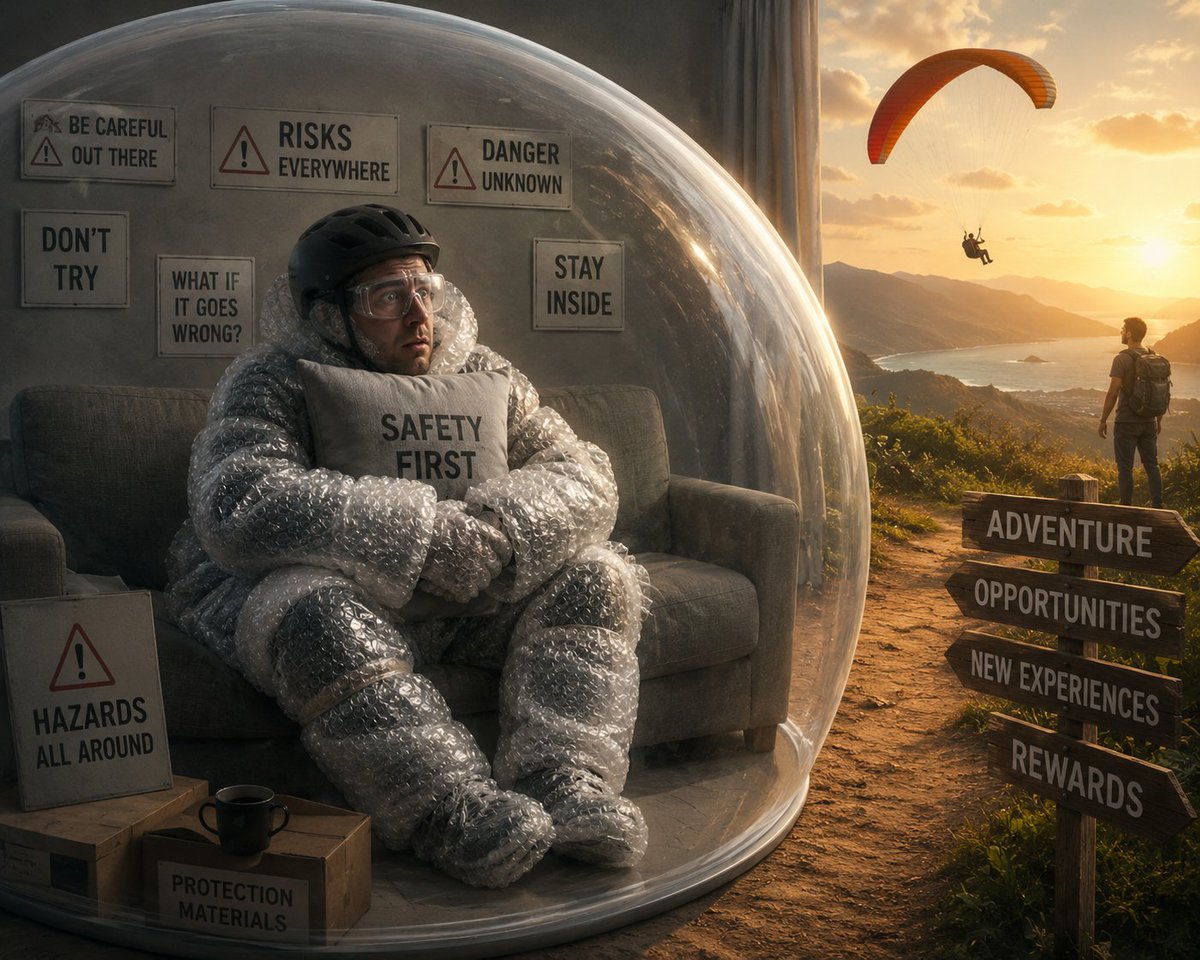
Modern societies have become obsessed with the elimination of risk. Every remote danger becomes the occasion for new rules, procedures and prohibitions. Laws multiply to protect people from unlikely harms, while the costs - economic, social and psychological - are treated as secondary. The result is a culture that increasingly prefers the certainty of stagnation to the possibility of loss.
This is not prudence but a systematic bias against action. When every innovation, every childhood adventure, every independent decision and every public experiment must first be rendered safe beyond reasonable doubt, initiative collapses. We pay vast sums to avoid marginal risks while growing less capable of handling the ordinary uncertainties of life. Children are supervised into fragility. Institutions move at the speed of compliance. Adults are trained to expect protection rather than cultivate resilience.
Aristotle placed the virtue of courage between two vices: recklessness on one side and cowardice on the other. Courage was the disposition to face genuine risk for the sake of a worthy end. A society that organises itself primarily around the avoidance of harm has chosen the second vice. It no longer asks what is worth the risk. It asks only how risk can be minimised, even when the price is the slow erosion of competence, freedom and ambition.
A civilisation that refuses to risk anything eventually loses the capacity to win anything. Safety becomes the highest good, and with it comes a quiet, managed decline. The tragedy is not that we have grown careful; it is that we have mistaken fear for wisdom.