Learning should never stop. We can learn from school, from other people, from our mistakes, and from the things we see every day.
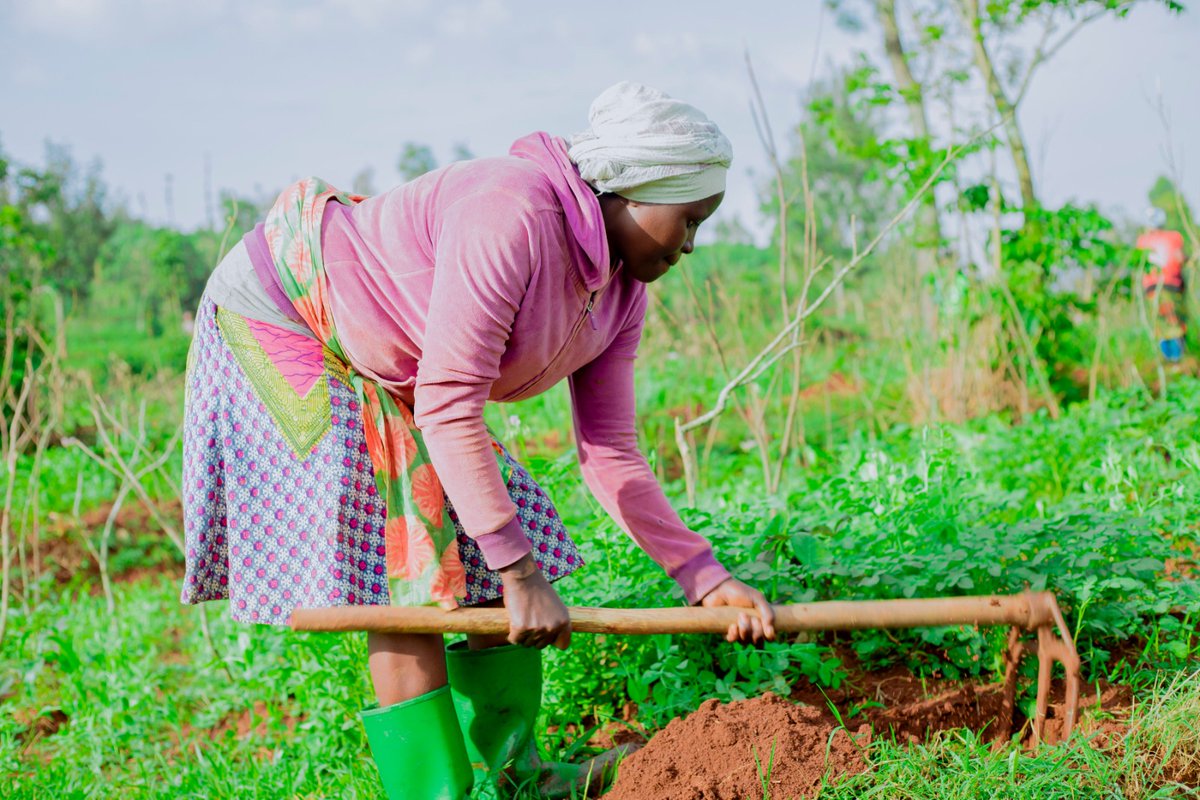
Agriculture today is not as simple as it was many years ago. Farmers need to understand many things, including soil, water, plants, animals, machines, technology, and markets.
A man watched ripe mangoes rot beneath his trees. Last season, buyers came to his farm and paid well for each crate.
This season almost nobody came. The fruit was ripe, but the roads were risky and traders were staying away.
Then he learned why his buyers had vanished.
Agriculture is the art and science of growing crops, raising animals, planting seeds, harvesting, and selling farm products for food and clothing.
We study agriculture because farming needs knowledge and skills. The more we learn, the better we can do our work.
Learn how @FAO’s Tool for Agroecology Performance Evaluation (#TAPE) assesses how agroecological practices contribute to more sustainable food and agriculture and helps identify pathways to transform agrifood systems: https://t.co/KaFbeILAZS
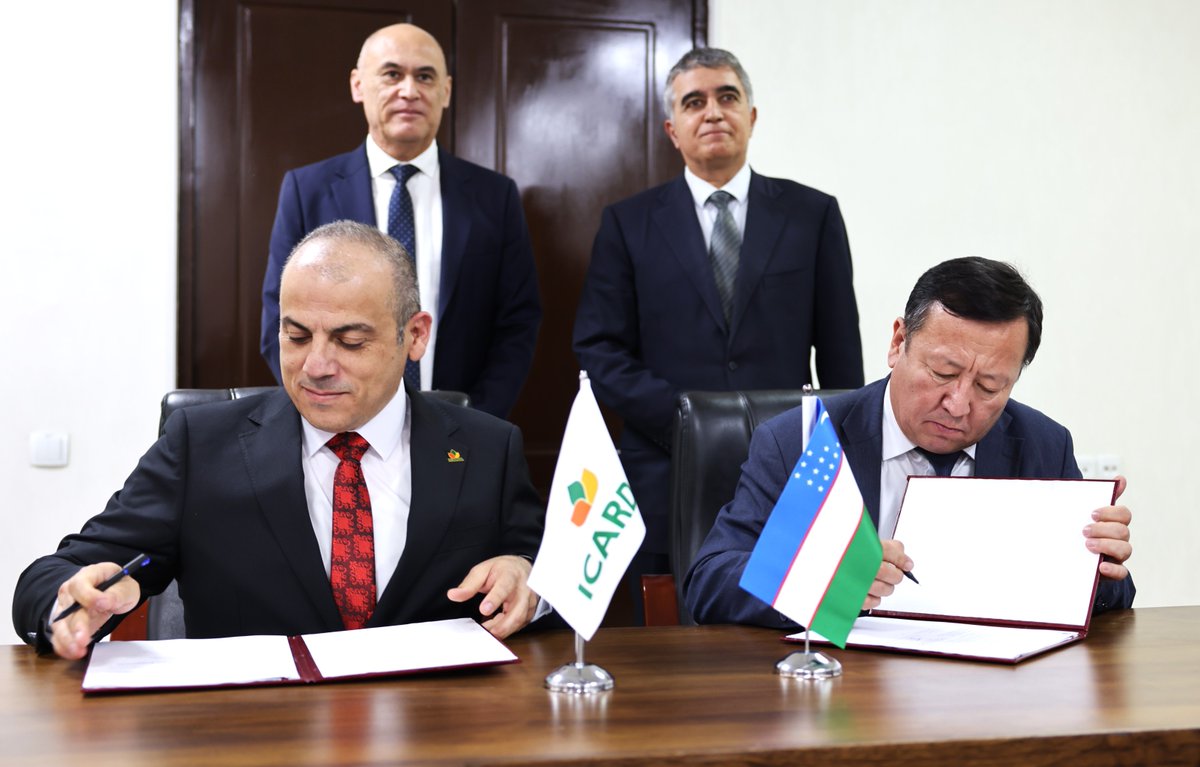
ICARDA signed an MoU with Uzbekistan's Scientific Research Institute of Irrigation and Water Problems, under the Ministry of Water Resources, to strengthen scientific cooperation on sustainable water management.
Signed by ICARDA Director General Dr. Nizar Haddad and Institute Director Dr. Abduvokhid Urazkeldiev, the agreement establishes a framework for collaboration on:
💧 Water-use efficiency & water-saving technologies
🌍 Digital water monitoring & resource management
🌱 Salinity, drainage & land reclamation
🌾 Climate adaptation & drought resilience
🔬 Joint research & knowledge exchange
🎓 Capacity development & training
Learn more: https://t.co/zyAHK6oytO
Strong seed systems depend on more than improved varieties. They also need trusted local entrepreneurs who can connect quality seed to farmers.
As part of #AGRAat20, we recognise Bakary Bengaly, a farmer and Community-Based Adviser from Sikasso, Mali, who has turned agricultural advisory services into a thriving rural seed enterprise.
Through demonstrations, farmer engagement and village-level sales, Bakary connects producers to improved maize, sorghum and cowpea seed. Today, his enterprise sells up to nine tonnes of seed per season, bringing quality seed closer to farming communities while creating a sustainable source of income.
His journey shows what becomes possible when community-based advisory models evolve into viable local enterprises: stronger last-mile distribution, greater farmer access and new pathways to rural prosperity.
Who are the local entrepreneurs making agricultural services more accessible in your community? Tag them or share their story below.
#AGRA #AGRAat20 #AGRAImpact #InOurHands #SeedSystems #FarmerProsperity
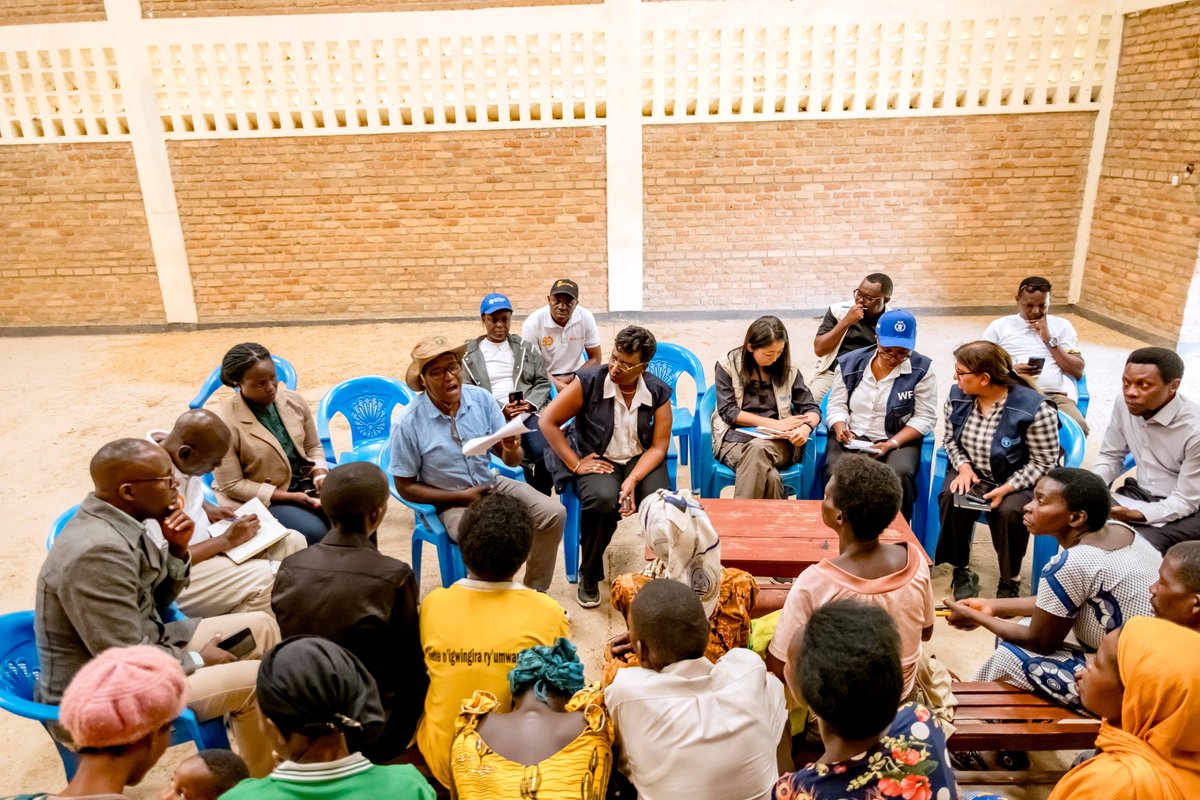
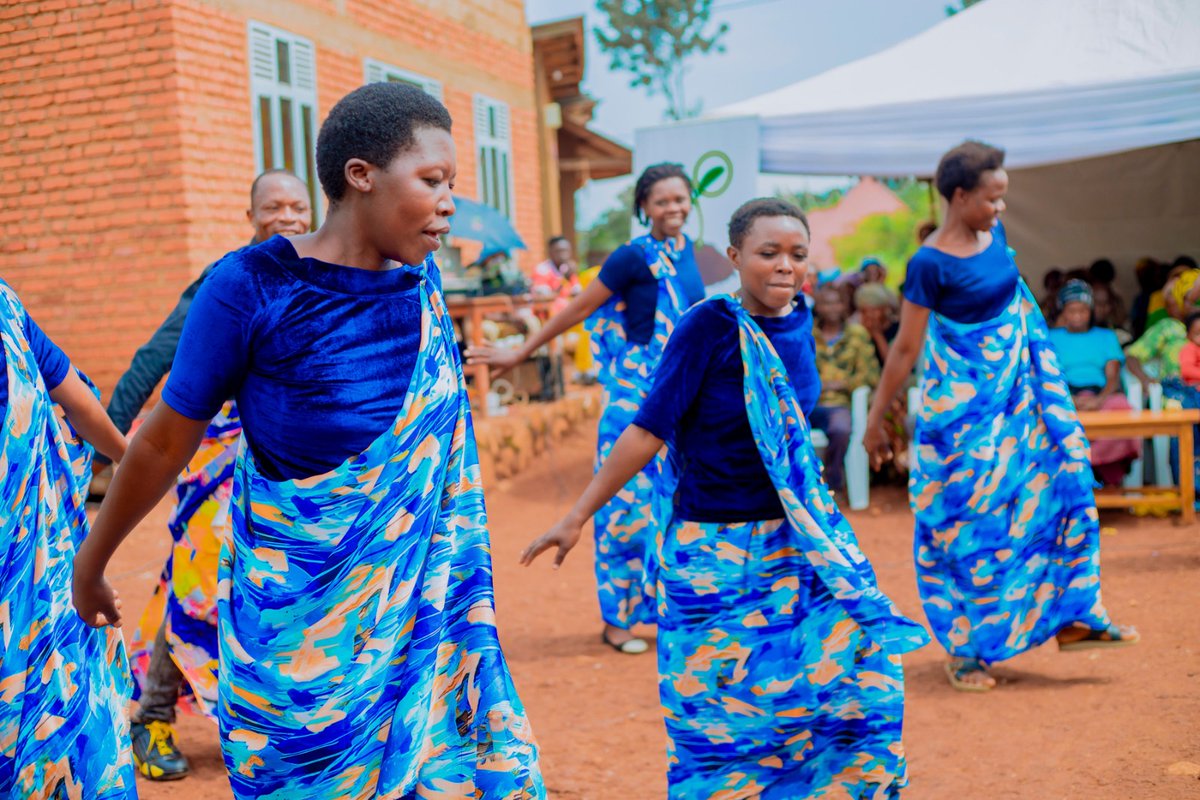
From savings groups to poultry farming and greenhouse production, rural women in @Nyamasheke are turning opportunities into lasting livelihoods.
Through #JPRWEE, women are increasing incomes, improving family nutrition, and building resilience.
#WomensEmpowerment
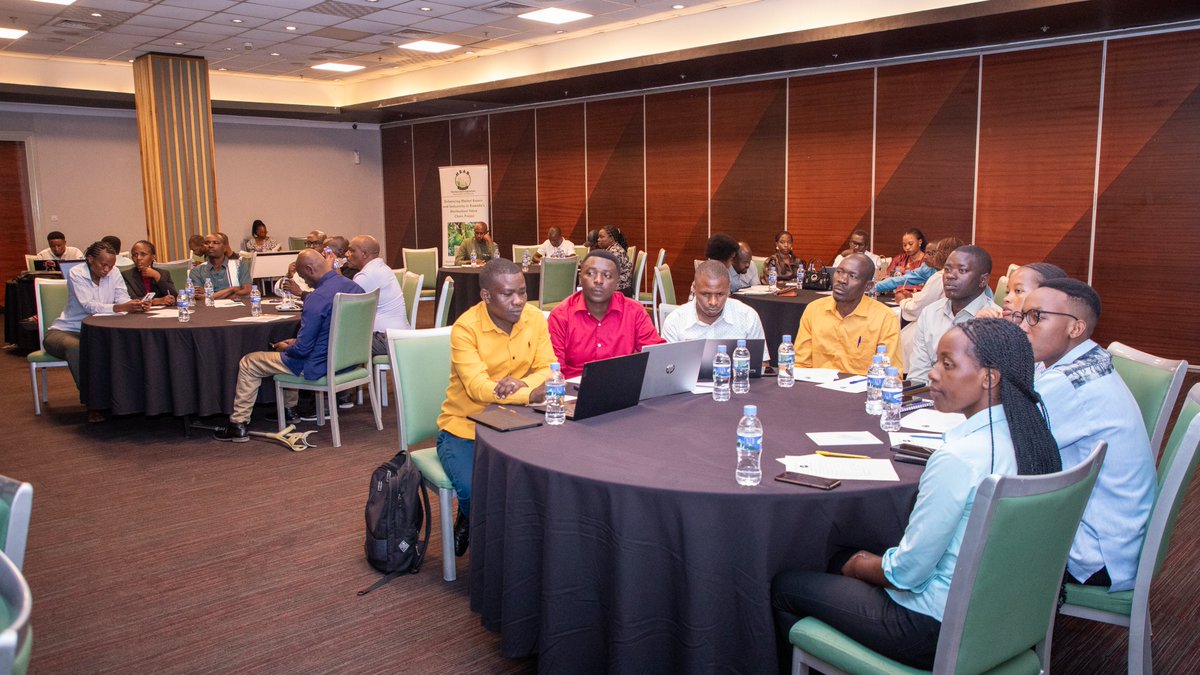
Rwanda Moves to Strengthen Avocado Value Chain Competitiveness Through National Mapping Validation
KIGALI, RWANDA | 23 November 2026 – Under the COMESA-CEHA ACTESA Project, Rwanda is advancing efforts to strengthen the competitiveness, investment potential and market development of its avocado industry through a national value chain mapping and validation exercise.
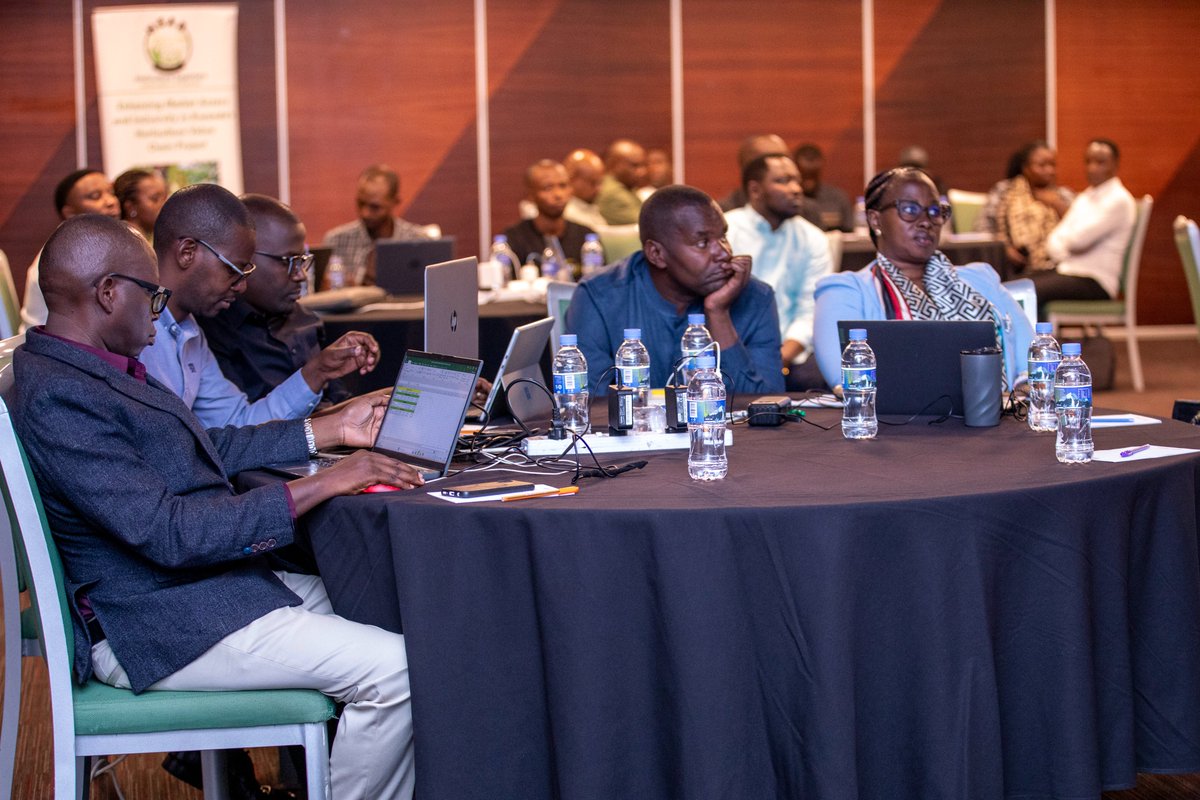
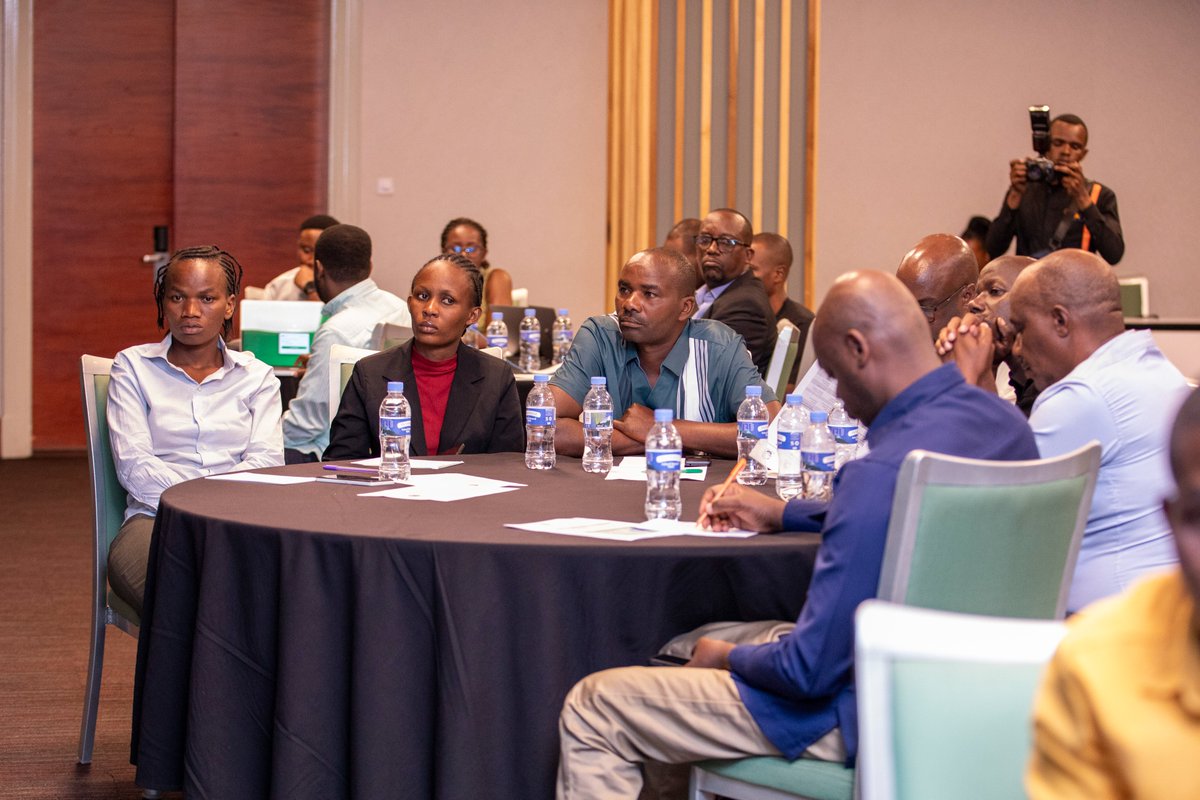
The two-day Avocado Mapping Validation and Stakeholder Meeting, organized by COMESA-CEHA ACTESA Rwanda Chapter in collaboration with HEAR RWANDA, is taking place from 23–24 November 2026 at Park Inn Hotel in Kigali. The meeting was officially opened on Monday by Permanent Secretary Chantal Tuyishime of the Ministry of Trade and Industry (MINICOM).
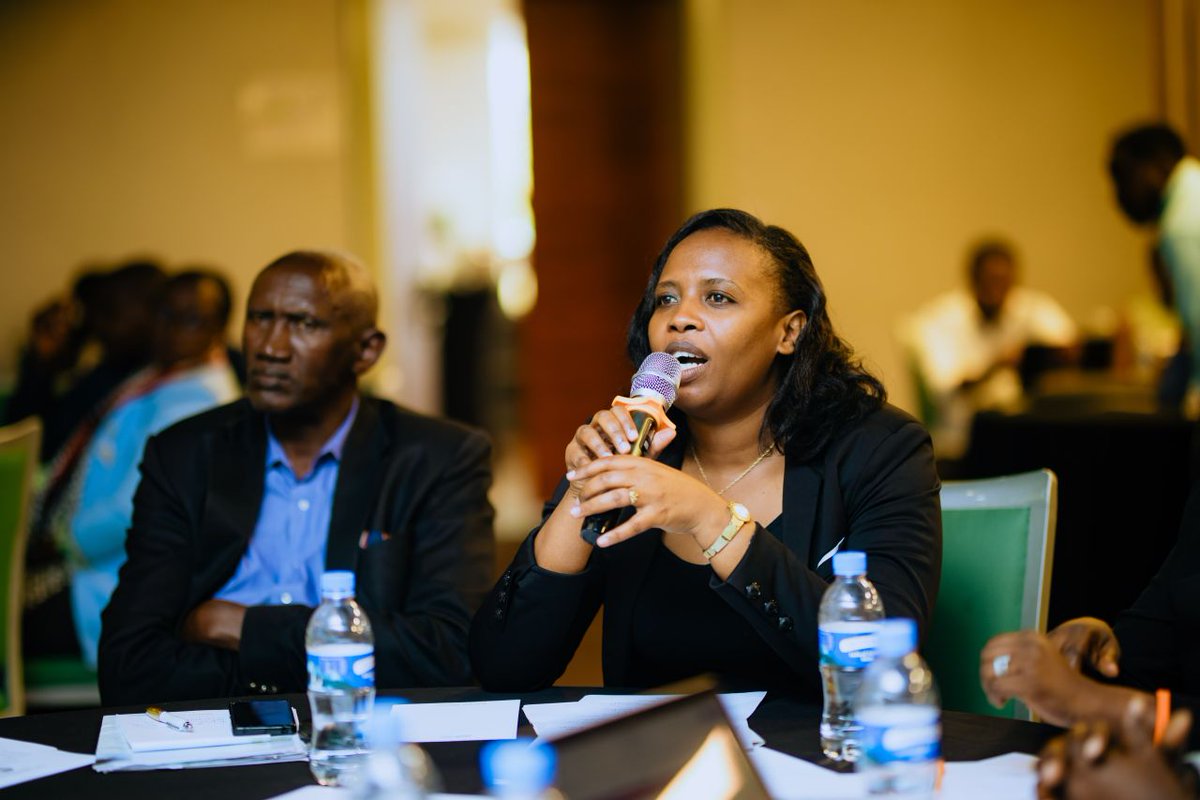
The meeting brings together a broad range of public and private sector stakeholders, including farmers, aggregators, cooperatives, exporters, government institutions, development partners and other industry actors, to collectively assess the current state of Rwanda's avocado industry and identify opportunities for its sustainable development.
At the centre of the engagement is the validation of findings from Rwanda's avocado value chain mapping exercise. The process seeks to establish a comprehensive understanding of the sector's structure, identify key actors and their relationships, assess existing challenges and highlight opportunities for investment, market development and growth.
The exercise provides an important evidence base for understanding the dynamics of Rwanda's avocado industry and identifying strategic interventions to strengthen its performance and competitiveness.
Through technical discussions and stakeholder consultations, participants are examining critical areas across the value chain, including production systems, aggregation, post-harvest handling, market linkages, trade opportunities and institutional coordination. Their contributions will help ensure that the mapping findings reflect realities on the ground and capture the perspectives of stakeholders directly involved in the industry.
Beyond validating the findings, the meeting provides a platform to build consensus around sector priorities, strengthen public-private sector collaboration and identify practical measures to address existing gaps.
The ultimate objective is to translate evidence into action by providing a stronger foundation for strategic planning, targeted investment and coordinated interventions that can unlock the economic potential of Rwanda's avocado industry.
The outcomes of the two-day engagement are expected to inform future sector development initiatives and contribute to building a more productive, inclusive, resilient and internationally competitive avocado value chain, creating greater economic opportunities for farmers, agribusinesses and other industry stakeholders.
True land restoration takes root when the women, youth, and smallholder farmers who nurture the soil hold the reins of leadership, not just participating in restoration work.
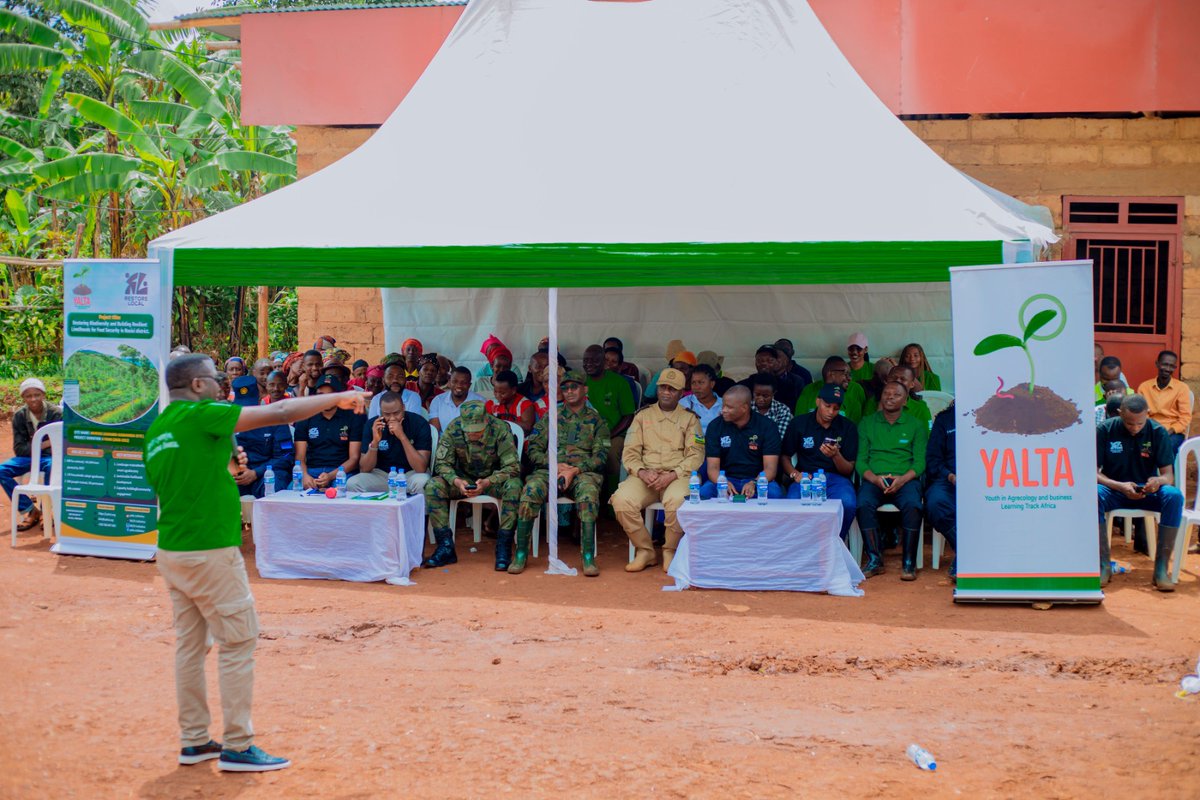
In Rusizi District, @YaltaInitiative is weaving the Equity Leadership Program (ELP) into "Restoring Biodiversity and Building Resilient Livelihoods for Food Security in Rusizi District." Rather than treating local communities as passive onlookers, this gender-transformative model shifts power, strengthens legal rights, builds economic agency, and elevates community voices where they matter most.
In Mururu Sector, local community are leading the charge to plant and care for 140,000 trees across 400 hectares, turning shared stewardship into food security, green jobs, and lasting resilience. When the people who know the land best lead its renewal, every seedling carries the strength of ownership and a brighter horizon.
What shifts when women and youth move from the margins of restoration to the center of decision-making?
@YaltaInitiative@WRIafrica@restoreforward@EnvironmentRw@RusiziDistrict@RwandaAgri@Kwizerangamije1@RwandaForestry
#RestoreLocal #YouthInAgroecology #EquityLeadershipProgram #IgitiCyanjye #UbuzimaBwacu
We often invest in making food reach consumers faster, but not enough in helping farmers produce it in the first place.
Without farmers, there is no food to deliver.
Your parents may not be with you when you grow old.
Your husband or wife did not know you when you were little.
Your children will never know exactly what you were like when you were young.
But you know yourself.
You were there when you were happy. You were there when you were sad. You remember the good days, the bad days, the mistakes, and the lessons.
People will only know some parts of your life. But you will know your whole story.
So, love yourself. Forgive yourself when you make mistakes. Be proud of how far you have come.
You are the one person who will be with you your whole life. So, always be kind to yourself.
New biotech cassava varieties in Rwanda could help farmers tackle two devastating crop diseases and boost yields to 35 tons per hectare.
Showcased in Bugesera by @RwandaAgriBoard and partners, the disease-resistant crops aim to strengthen food security and farmer incomes.
Read more: https://t.co/bI5pDwNXnC
WHY DO TOMATOES OFTEN PERFORM BETTER IN GREENHOUSES THAN IN OPEN FIELDS? HERE IS WHAT FARMERS SHOULD KNOW!
Many people have been wondering why greenhouse farming is often recommended for tomato production when tomatoes can also be grown successfully in open fields.
The truth is that tomatoes do not necessarily need a greenhouse to grow and produce good yields. With appropriate varieties, favourable weather, good soil management, irrigation, and proper crop protection, open-field tomato farming can be highly productive and profitable.
However, greenhouse production offers farmers something that is difficult to achieve consistently in open fields: greater control over the growing environment.
And in commercial tomato production, that control can make a significant difference in productivity, fruit quality, consistency, and market opportunities.
1. Better protection against unfavourable weather conditions
Tomato plants are sensitive to environmental conditions, particularly during flowering and fruit development.
In open fields, heavy rainfall can damage plants, splash soil onto leaves, encourage certain diseases, and interfere with field operations. Strong winds can also damage stems and flowers.
A properly designed greenhouse protects tomatoes from direct rainfall and reduces exposure to strong winds.
This allows farmers to manage crop production more consistently, particularly during periods of unfavourable weather.
However, a greenhouse must have adequate ventilation. Excessive temperatures inside poorly managed structures can reduce pollen viability, flower development, and fruit set.
2. Improved management of pests and diseases
One of the biggest challenges in tomato farming is controlling pests and diseases that reduce yields and marketable fruit quality.
Tomato farmers commonly face problems such as late blight, early blight, bacterial wilt, whiteflies, thrips, and other pests and diseases.
Greenhouse production can help reduce exposure to certain problems, especially diseases encouraged by rain splash and prolonged leaf wetness.
Insect screens, controlled entry points, sanitation, and regular crop monitoring can also support integrated pest management.
But farmers should understand that a greenhouse does not automatically eliminate pests and diseases. Whiteflies, mites, fungal diseases, and other problems can become serious when ventilation, hygiene, and crop monitoring are neglected.
3. More efficient irrigation and fertilizer management
Tomatoes require a reliable water supply, particularly during flowering and fruit development.
In open fields, rainfall can be unpredictable, sometimes leaving crops under water stress and at other times causing excessive soil moisture.
Greenhouse farmers commonly use drip irrigation and fertigation systems to deliver water and nutrients more precisely.
This can improve water-use efficiency, reduce unnecessary wetting of foliage, and help farmers manage crop nutrition according to plant requirements.
However, greenhouse production still requires careful irrigation scheduling, drainage, and monitoring of soil or growing-media conditions.
4. Better opportunities to improve fruit quality
Commercial tomato buyers often consider fruit size, colour, firmness, uniformity, appearance, and shelf life.
Greenhouse production can help farmers manage growing conditions more consistently, potentially improving fruit quality and reducing weather-related damage.
Farmers can also use appropriate pruning, trellising, plant training, and fruit-load management to improve crop performance.
This is particularly important when targeting supermarkets, hotels, restaurants, and other buyers with specific quality requirements.
5. Greater flexibility in production planning
One of the strongest advantages of greenhouse farming is the possibility of producing tomatoes during periods when open-field production is more difficult.
With suitable greenhouse design, varieties, irrigation, and environmental management, farmers may extend their production season and plan harvests more consistently.
This can create opportunities to supply markets during periods of reduced availability.
However, producing tomatoes outside the normal growing season does not automatically guarantee higher profits. Farmers must still consider market demand, competing suppliers, and production expenses.
6. More intensive use of available land
Greenhouse tomato production commonly uses trellising and plant-training systems that support vertical crop growth.
With appropriate varieties, plant spacing, nutrition, and crop management, farmers may achieve higher marketable yields per unit area than under typical open-field conditions.
This can be particularly attractive to farmers with limited land.
Nevertheless, higher planting density does not always mean higher productivity. Overcrowding can reduce airflow, increase disease pressure, and negatively affect fruit development.
BUT DOES THIS MEAN GREENHOUSE TOMATO FARMING IS ALWAYS MORE PROFITABLE?
Absolutely not.
This is where farmers need to distinguish between high production and a profitable business.
A greenhouse requires additional investment in construction, irrigation equipment, maintenance, crop support systems, and sometimes specialized growing media.
Poor greenhouse design can also create serious problems, including overheating, excessive humidity, and rapid pest multiplication.
A farmer producing tomatoes in a greenhouse may harvest more per square metre but still earn less profit than an efficient open-field farmer if production costs are too high.
Before investing, calculate the cost of establishing and operating the greenhouse, expected marketable yield, realistic selling prices, and the time required to recover the investment.
MY ADVICE TO TOMATO FARMERS
If you are planning commercial tomato production, do not choose greenhouse farming simply because it looks modern or because another farmer is using it.
First, evaluate your local climate, water availability, target market, technical knowledge, available capital, and expected return on investment.
A well-managed open field can outperform a poorly managed greenhouse.
But when the greenhouse is properly designed and managed, it can provide significant advantages in crop protection, resource management, production planning, and fruit quality.
Remember: The greenhouse itself does not produce high yields. It creates an opportunity for farmers to manage the crop more effectively.
The real difference comes from combining appropriate technology with good agronomic practices, sound financial planning, and a reliable market.
#TomatoFarming #GreenhouseFarming #Horticulture #Agribusiness #HingaWororenaAgronomme
At #COP31, IFAD showcased new evidence and financing solutions to turn climate adaptation into an investment in rural resilience.
#FinancingTheFirstMile https://t.co/thWLT0MKKw
The 2026 Report on IFAD’s Development Effectiveness assesses how IFAD’s investments performed in 2025, the first year of the Thirteenth Replenishment of IFAD’s Resources.
The report points to a business model that remains adaptive and resilient, enabling IFAD to channel investment to rural communities at the first mile of food systems and unlock their economic potential.
In a rapidly evolving global context, IFAD’s investments help build resilience and safeguard against the drivers of fragility. With 30% of the portfolio in fragile situations, IFAD is working to protect development gains and address the risks that can undermine them.
Looking ahead, IFAD will deepen partnerships with the private sector to mobilize greater investment, expand its reach and impact in fragile situations and safeguard its long-term financial sustainability.
Together, these priorities will enable IFAD to deliver greater impact at scale, unlock economic opportunities and accelerate lasting rural transformation.
Read more at https://t.co/vDTtrW9tk5
#FinancingTheFirstMile
Across fragile contexts, IFAD investments build the resilience rural communities need to withstand crises before they strike. At the same time, when disasters strike, our investments protect and rebuild productive capacities, livelihoods and institutions on which long-term recovery depends.
With 28% of IFAD's active global portfolio in fragile and conflict-affected contexts, our investments tackle the drivers of rural fragility and improve communities' ability to absorb repeated shocks.
In a recent blog, Naoufel Telahigue, IFAD's Regional Director for the Near East, North Africa, Europe and Central Asia (NEN) region, explains how IFAD's work in the region is enabling rural communities to sustain livelihoods, food security and economic gains despite challenges.
Read more at https://t.co/1YrqkIhLRn
#FinancingTheFirstMile