ChatGTP can truely be amazing. I asked it for pros and cons for Academic cores being run on a complete cost recovery model. Here is what it had to say.
Some general points that could be used to justify the implementation of a complete cost recovery model for all academic cores:
1.Increased financial sustainability: The complete cost recovery model allows core facilities to generate enough revenue to cover their costs, ensuring their sustainability in the long run through changing academic administrations with varying funding priorities.
2.Cost-effectiveness: By operating under a complete cost recovery model, core facilities can ensure that their users are charged a fair price for the services provided, which could help to reduce waste and ensure that funding for research is allocated effectively.
3.Accountability and transparency: The complete cost recovery model ensures that core facilities are transparent about their costs and pricing, which could increase accountability and trust with the researchers who use their services.
It is important to note, however, that the complete cost recovery model may not be appropriate or effective for all academic cores, and there may be unintended consequences to consider. Each situation should be evaluated on a case-by-case basis, taking into account the unique needs and challenges of each core facility.
1/2
🎓Learn how to process differential gene expression data to estimate transcription factor activities and infer signalling networks
@PabloRMier and Denes Turei from the @saezlab will train you on how to use DecoupleR, CARNIVAL and other tools
REGISTER ⬇️
https://t.co/EzYZKALL5w
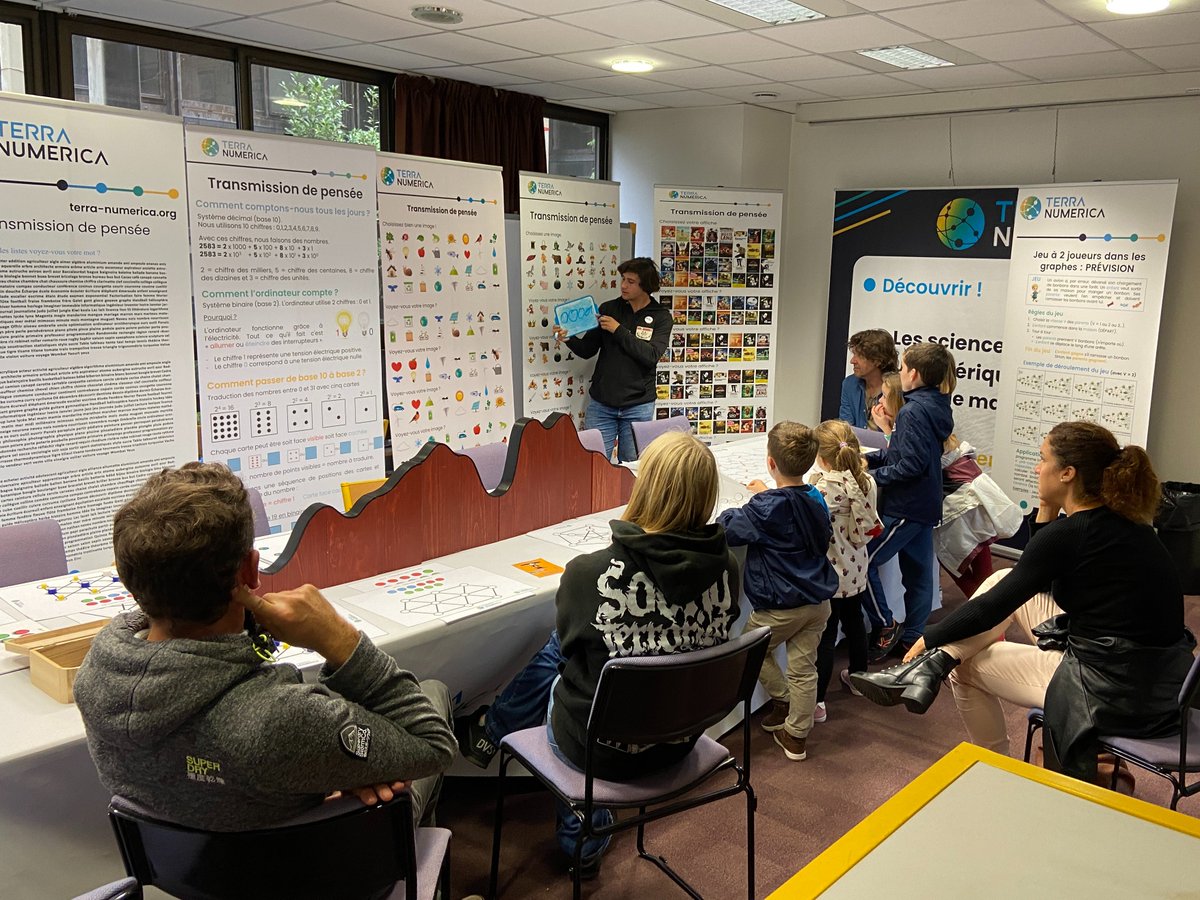
Un bon moyen pour les étudiant·e·s de s'investir et avoir une reconnaissance dans la diffusion scientifique en #maths. N'hésitez pas à vous inscrire. Si vous avez des questions sur le dispositif ou sur les animations, contactez @ValerieLemesle ou moi-même @marcmonticelli#Nice06
Tks anirban !
RNA seq and whole exome in 1000 and 500 pretreated metastatic cancers. Interesting to see the impact of prior therapies, especially platinum, on DNA + discovery of new alterations involved in resistance (PTEN transloc). A huge work from PRISM (maybe futur center🤞)
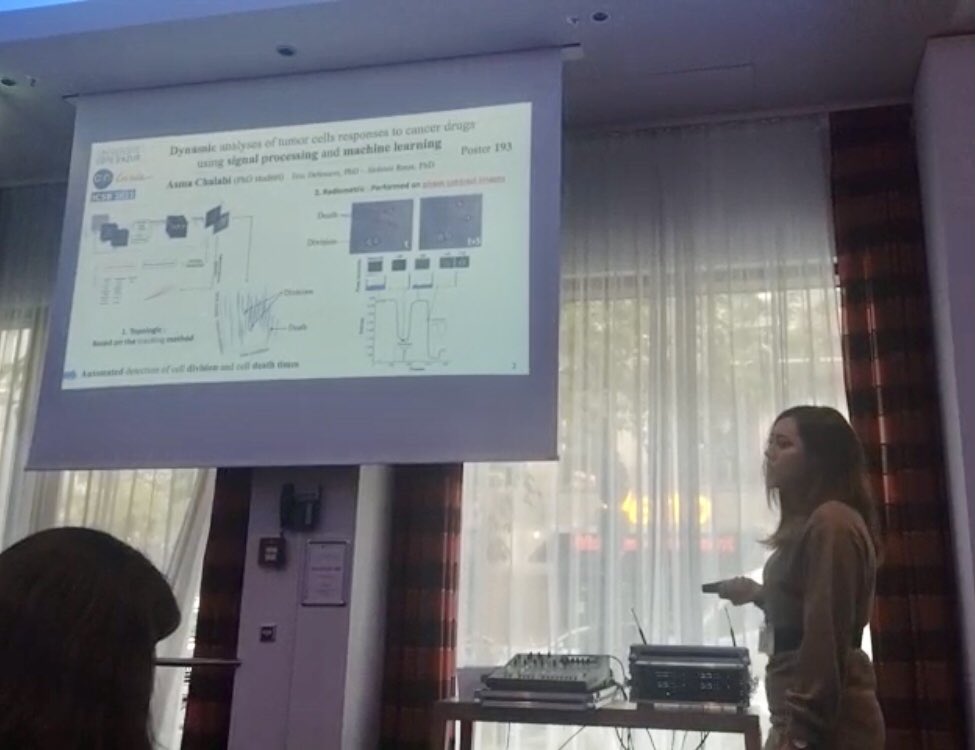
Welcome GeNetRank ! it goes well with fate-seq to prioritize the molecular factors regulating cell response dynamics and drug mechanisms of action.
@PLOSONE: Gene prioritization based on random walks with restarts and absorbing states, ...
https://t.co/aLnzafHNOE
Notre campagne de communication pour la Nuit Européenne des Chercheurs @NuitChercheurs commence... 👍Restez connectés sur https://t.co/X5bejwYth4 et nos réseaux sociaux 👉vendredi 30 septembre entre 18h et 23h au Campus Valrose à Nice
Please check this out if you use pseudobulk scRNAseq samples for DE analysis! We are pleased to share this preprint with you with 2 new methods to deal with unequal group variances on pseudobulk data.
The discovAIR paper describing the contribution of this project to the roadmap towards the Human Lung Cell Atlas is now out in ERJ - open access so grab your copy! @humancellatlas@cziscience@GriacG@researchumcg https://t.co/LEZpFnMtGN
I think it's time we question "the one model" paradigm for mechanisms of cellular processes. We used Bayesian Multi-model Inference to probe thousands of hypotheses and yield a probability-based mechanistic interpretation of tumor growth, thus quantifying what we actually know.