@caanupam7 While I agree on malpractices in bank audit allotment part, I beg to differ on membership fee. It's not exorbitant. It might be bare minimum covering administrative cost of icai. Infact I feel fee charged from students is on higher side.
Being a "Preferred Customer" with @HDFC_Bank@HDFCBank_Cares means nothing when the service is this poor. Branch staff give empty assurances but deliver nothing on time. They lack basic knowledge of BO guidelines to process applications and just keep customers hanging. #HDFCBank
Paid for @PharmEasyApp Plus, fasted since 9 PM for a lab test, and the technician NEVER showed up during the 7:20–8:50 AM window.
Called customer care—no resolution, no complaint number, no refund.
Unprofessional service impacting patient health. @PharmEasyCare
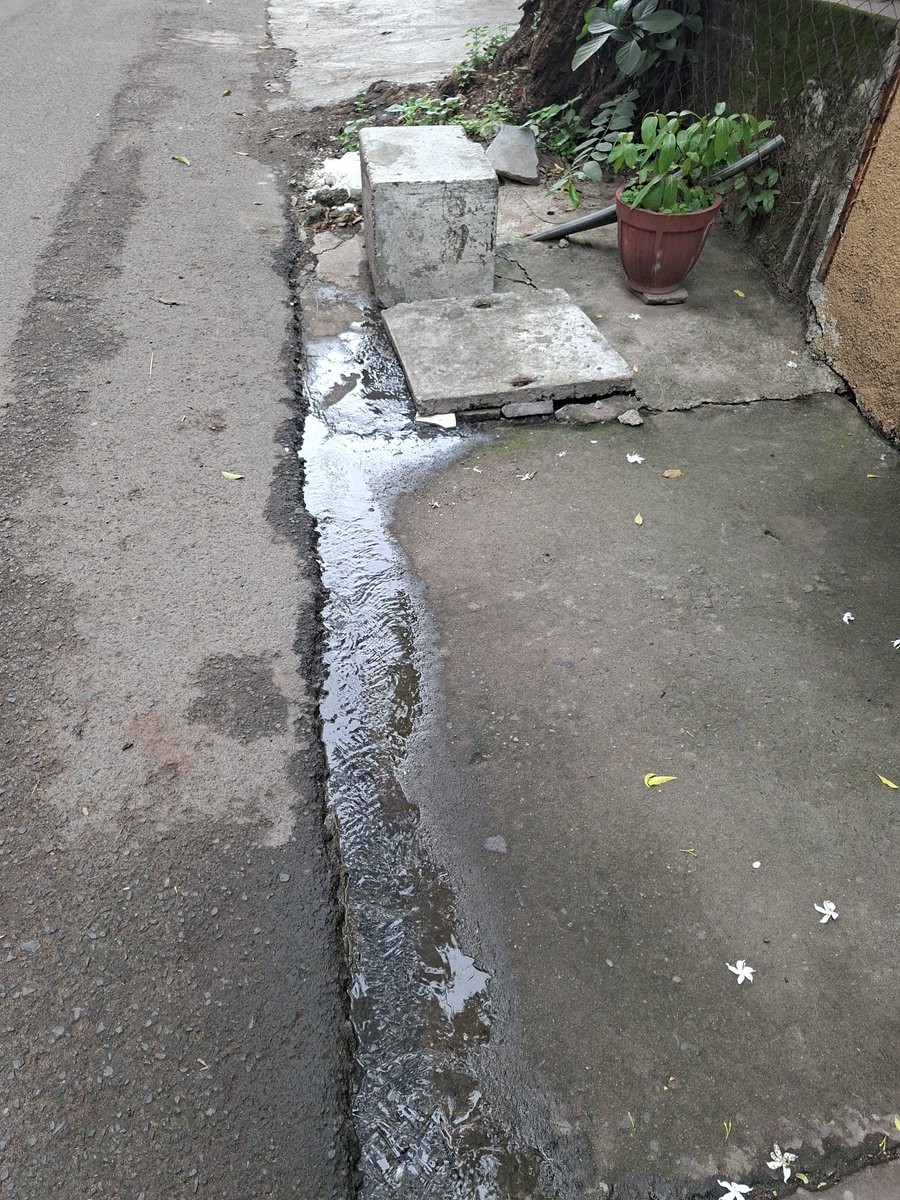
@nmccommissioner@ngpnmc plz look into grievance no 119436 dt 12/08/26. Dirty sewage water free flowing infront of appt. for more than a month. Informed & following up with Dharampeth zone for more than a month. But no one seems interested. Is this we promptly pay our taxes for
May the sun in his course visit no land more free, more happy, more lovely, than this our own country !! Sharing this amazing song from Kargil.
#HappyIndependenceDay
“Ladki Behen Recovery Yojana” as a Rakshabandhan gift, launched by @Dev_Fadnavis.
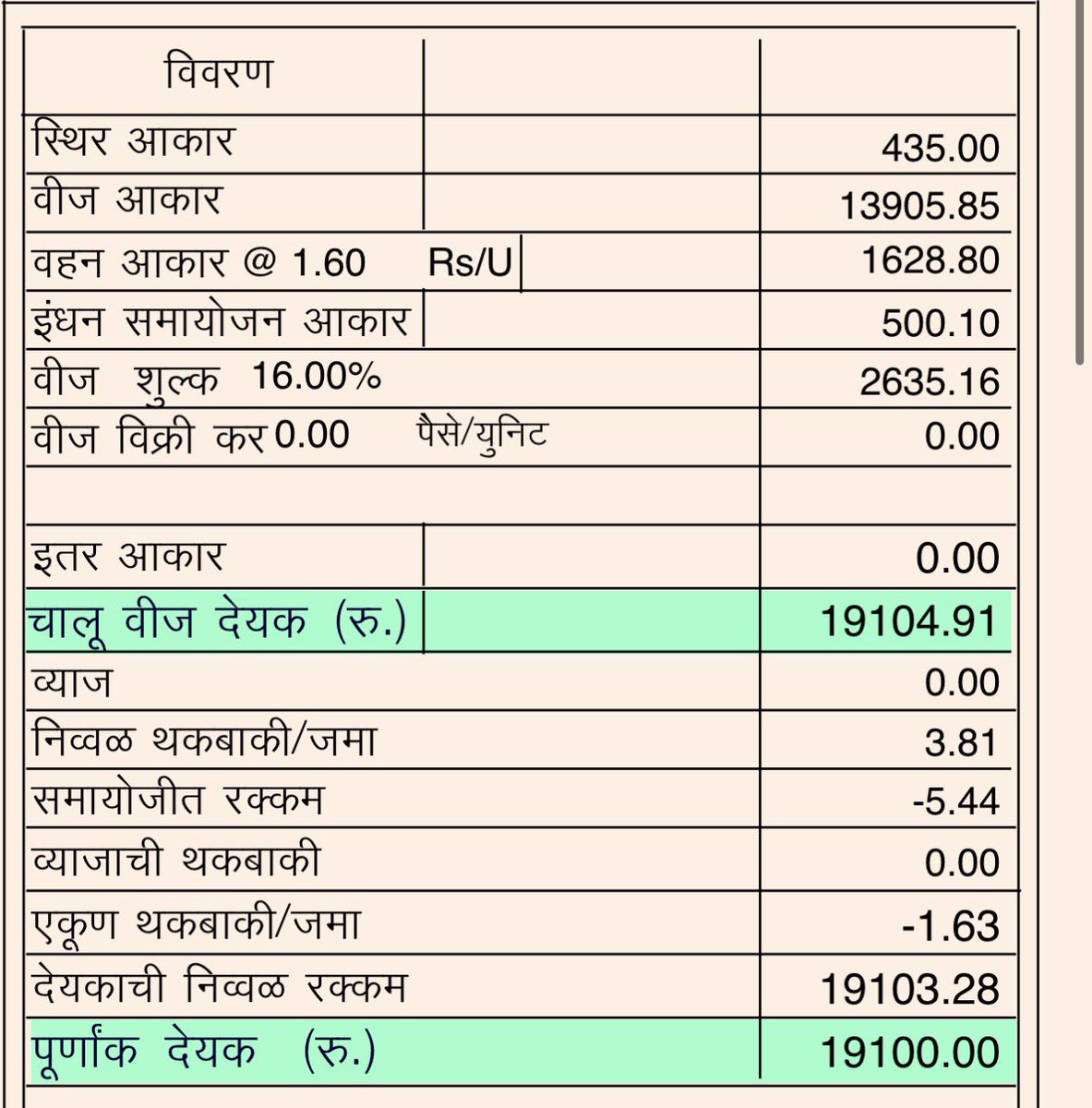
A vacant home, entirely powered by solar, just received an electricity bill of ₹19,100.
What exactly are we being charged for @MSEDCL ?
Also pls stop sending illiterate guys to read a solar meter and stop charging us Adani meter charges.
@amitmalviya Instead of milking public over everything you should know that every UPI transaction generates some form of tax for you.
And it’s still much cheaper and safer than printing a currency note.
Just like Popcorn Tax, For some revenue, you’re throwing the public back into cash age.
@ajayrotti The Govt is the biggest beneficiary from UPI in the form of huge increase in tax collection. It should bear this cost of maintaining upi infra.
Charging MDR on UPI will be a massive policy mistake.
The argument sounds simple, UPI costs money to run, so charge merchants a small MDR, maybe 0.25%, customers will still pay nothing. But that's not how people behave.
Today if a shopkeeper receives 1,000 through UPI, he gets 1,000. Now put a 0.25% MDR on it, and for someone receiving 1 crore through UPI, that's 25,000 gone.
What will the merchant do? Some will increase prices, some will ask customers to pay the extra charge, and many will simply say - cash de do.
This behaviour already exists in India, just look at Amex. Because of its higher merchant fee, many merchants simply refuse Amex or make you pay the extra 2-3% yourself.
The fee is "on the merchant" on paper, in real life the cost eventually reaches the customer, directly or indirectly.
That's where the real problem starts, India spent years changing people's behaviour from cash to UPI, and MDR can slowly push that behaviour backwards, from UPI to cash.
And cash isn't free either. More cash means more ATM withdrawals, more cash deposits, more cash handling by banks, more transportation and security costs.
But there is an even bigger problem. Cash is much harder to track, with UPI almost every transaction leaves a digital record, with cash, businesses can under-report sales much more easily. So you potentially increase tax leakage and the informal economy too.
This is why saying "MDR will be paid by merchants, not customers" misses the point. The merchant doesn't exist in isolation, he will change his behaviour and eventually pass the cost somewhere else.
Yes, UPI infrastructure costs money, banks, NPCI and fintech companies shouldn't be expected to run it for free forever. But before introducing MDR, the government needs to calculate something much bigger, how much does free UPI indirectly save India.
Less cash handling, fewer ATM transactions, lower banking costs, more digital transactions, better tax visibility, less black money, more formalisation.
The cost of running UPI is visible. The money UPI saves across the economy is invisible.
That's the number we should calculate before touching MDR. Otherwise, we may save 1 on UPI and create 5 of cost somewhere else.
Don't just calculate the cost of keeping UPI free, calculate the cost of making UPI paid.
The move to levy MDR on UPI transactions above Rs 2000 will lead to these costs being passed onto the consumer .
Someone has to pay the cost to keep 5 crore Merchants and 65 crore consumers connected via UPI.
Banks and Fintechs make huge cross sell revenues , selling other loan and financial products like insurance , mutual funds to this base .
UPI needs to be kept free .
$ 3.8 trillion will
move via UPI in India this year .
Just 4% transactions but 68% of value is above Rs 2000
MDRs will kill this momentum.
UPI brings formalization , financialisation and cross sell opportunities .
The government needs to put the consumer ahead and refuse MDR calls .
@TVMohandasPai Merchants will ultimately pass on MDR to end consumers. Govt is the biggest beneficiary of UPI in the form of increase in tax collection. Why doesn't it passes a share of taxes to banks & fintech?