Happy to welcome @Akhil_3600, a https://t.co/9stquMgmwr student from @DBS_IISERM as our lab’s first dissertation trainee. Excited to see what you accomplish in the year ahead. All the best!
@shruthy_suresh@DBS_IISERM Thank you for this marvelous welcome, I am really happy and excited about my journey at the MET-FIT Lab.
As the first Master's student, I consider it as my responsibility to meet all expectations and provide a good foundation for future students.
Delighted to share my research journey, dreams & about our lab at @IGIBSocial in the first episode of the #MeetThePI series. Hopeful for awesome science with my awesome team. I plan to take a talented & passionate PhD student in December, please apply to IGIB if interested.
Delighted to see this out in Nature Portfolio Lab Animals. Kudos to the fantastic work of @sabahmozafari together with the help of Melika Karbalaee and @Dr_LPJ
https://t.co/8uGxRltsH3
DNA Methylation Signatures of Cellular Senescence Are Not Reversed by Senolytic Treatment - Kasamoto - 2026 - Aging Cell - Wiley Online Library https://t.co/Bn2K8Rc3Tq
Human microglia in brain assembloids display region-specific diversity and respond to hyperexcitable neurons carrying SCN2A mutation
https://t.co/aHroW860jI
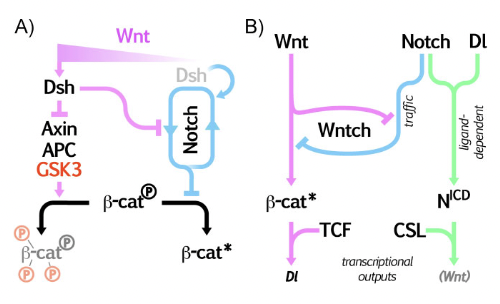
#Wntch is back, though it has never gone away
Excellent overview of an signalling device as important as is underappreciated @JanMasekLab https://t.co/r4n1sM6B0O
and see also https://t.co/4nT6A78mHe
Beige fat surrounding blood vessels actively works to keep high blood pressure in check, according to a new Science study in mice, promoting healthy vascular function even during obesity.
The findings support the notion that therapeutic activation of thermogenic fat tissue could help reduce the risk of cardiovascular disease.
📄: https://t.co/ZOnFIOrSY6
#SciencePerspective: https://t.co/1d7LfHJguB
"Neuronal IDOL, but not microglial IDOL, plays a key role in Alzheimer's disease pathogenesis by regulating the levels of brain APOE receptors."
Congrats @HandeKarahan_ & all @jungsukim77 lab members!
https://t.co/wFI68IFeYG
The genetic variant APOE4, carried by one-fifth of the world’s people, substantially boosts Alzheimer’s risk. But scientists have been puzzled about how to reverse that risk: punch up the gene variant’s potency, or smack it down? Now we know.
https://t.co/u2lNHaxQv3
Metabolic and transcriptional adaptations to phagocytosis sustain microglia functionality and regenerative properties | bioRxiv https://t.co/83gO6yZUnQ