@DrucillaTemple1 Great to see big companies being the role models. I wonder how we could follow their lead and incorporate this into our schools. An example would be a plastic free canteen maybe?
@Miss_KWoods@DrucillaTemple1 Love this! We live in a world we our clothes last one season! The concept of hand-me-downs no longer exists thanks to the need to stay on trend with fashion changes EVERY season, cost effective clothing and production but terrible quality products.
@DrucillaTemple1 This is so scary isn't it!! A fascinating way to truly grasp our waste even in schools can be to collect all the recycling from all the classes in the school for a day or a week and compare! Then ask Students how can we reduce this? Could be done with food waste but eek!
@DrucillaTemple1@LandcareAust So many awesome things like this! Bush Tucker gardens are fun too! Students can also grow and propagate succulents to sell to raise money for future projects. Have you seen a #GardenClub run at your school?
@DrucillaTemple1 We live in a throw away society. Knowing the impacts of the technology we use and what happens after we have used it is crucial for critical thinking about sustainability. Providing these E-waste drop offs at a school would give students an opportunity to recycle at school.
@DrucillaTemple1 Fascinating content! Gaming is definitely such a popular thing amongst my students and I can just imagine the amazing creations that this open ended style of learning. Too many times I have seen 30 work pieces the same. I feel using gaming will use the 4C's in classrooms.
@DrucillaTemple1 Love this! Almost all my students have previous experiences with minecraft and have loved it! Utilising the software in the classroom linking to sustainability and problem solving is so exciting!
The ‘Peasant Prince’ is a children’s adaptation of ‘Mao’s Last Dancer’. While it is one of my favourite texts and begins exposing children to the diverse culture of China, I am considering its appropriateness for kindergarten. Would you use this text in a kindy class? #UoNTeach
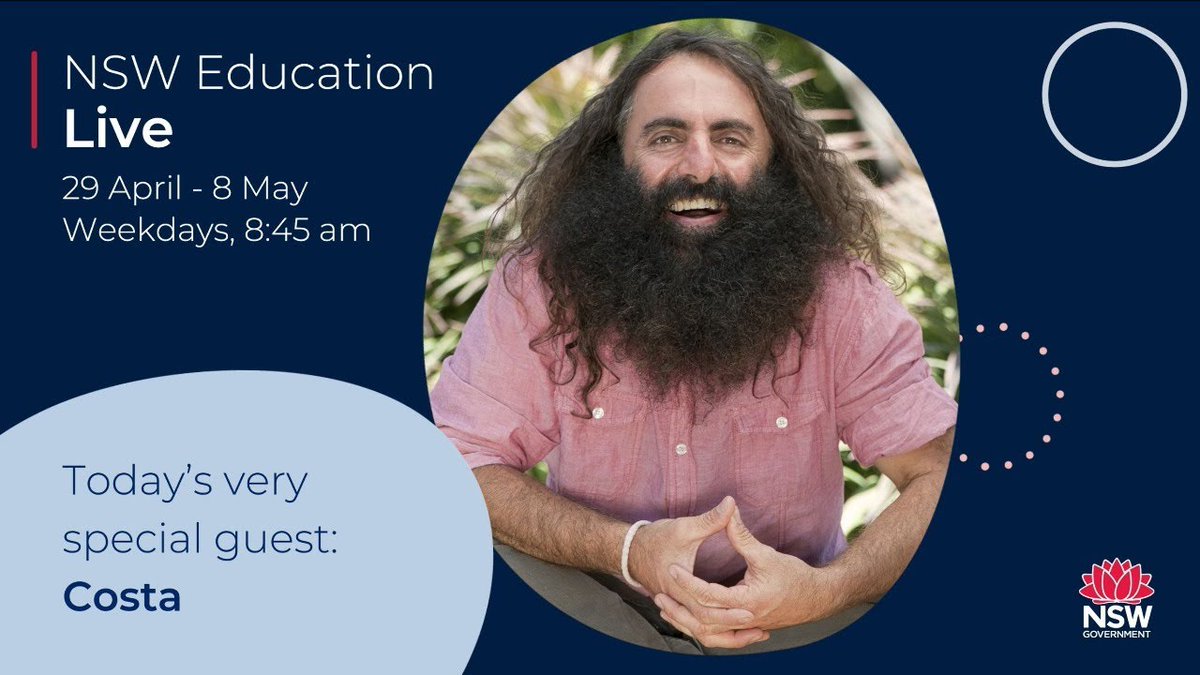
Easily my favourite live stream so far! I love seeing all the easy ways we can grow, reuse and create in our backyards! Thanks @CostasGarden for sharing your home with us today 🌱💚 @NSWEducation
How to build a bathtub worm farm:
https://t.co/QtWoXVcHFc
Street Library information:
https://t.co/wNwrbO3qtn
How to build a bug hotel:
https://t.co/9Dg21WqUxK
Mung bean sprouting information:
https://t.co/EQR2geaoIO
https://t.co/zAUk5qFD8K
@AmandaSteff2 I am integrating community & land links into my unit through community gardens, fabric dying and weaving! Though I have only identified two specific I believe many of these are interconnected. I found this site to learn about weaving & dying! https://t.co/2L0O3bONMZ
A visual representation of the Aboriginal 8 ways of learning framework, with symbols representing the 8 interconnected pedagogies (Yunkaporta, 2009). What ways have you/would you use it in your classroom? Investigating ways to integrate throughout units of work! #UoNTeach
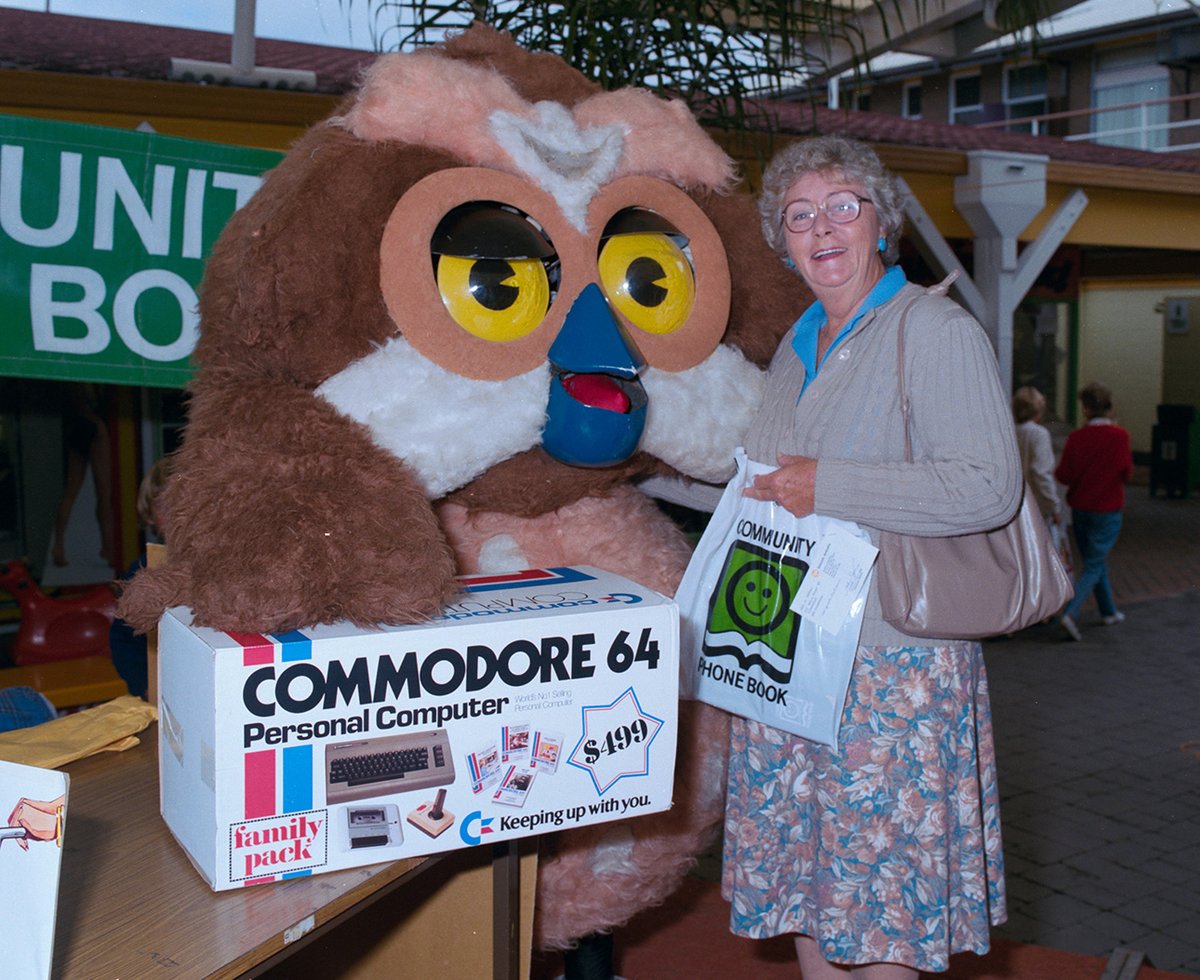
Look at that 'Personal computer'! My grandparents cannot believe the technology that is available to us now! What do you think will be the biggest technology advancement in the next 5 years? #UoNTeach#EDUC4750
Showing how technology has changed can be so fascinating! How many of our students wouldn't even know what a video tape or DVD was? Check out @ABCEducationAU video about stereoscope! I have never seen these before! https://t.co/2XGTeJhIBZ
To build a culture of gratitude we must model and teach practises of gratitude. I have included gratitude activities in my unit as opportunities for reflection of learning. Gratitude can also help students to appreciate and value cultural diversity #UoNTeach
Shulsky & Baker et. al. (2017) state that if our students’ develop a global consciousness they will develop 21st century skills. My unit focus’ on diversity and I hope that through this, my students begin to develop their global consciousness’. #UoNTeach
@AlanaAnn4 I think movement needs to be integrated so it’s part of the lesson. If you need a “brain break” from the lesson, then the lesson needs to be modified.
I love these ideas about 21st century learning. When students collaborate on work they are interested in, challenged by and then heard it gives them a purpose to their work and a purpose in their community! #UoNTeach
Research by Yeager et al. (2014) shows that students, like adults, feel valued and respected when an experience challenges them, reflects their interests, and allows their voices to be heard. 21st century learning should engage the student, not discourage them. #UoNTeach