Alguien creó un Simulador de Diseño de Sistemas basado en web.
Copias y pegas (API gateways, bases de datos, cachés) y simula tráfico en tiempo real.
Puedes ver la latencia, los puntos de saturacion y los fallos mientras ocurren en directo...
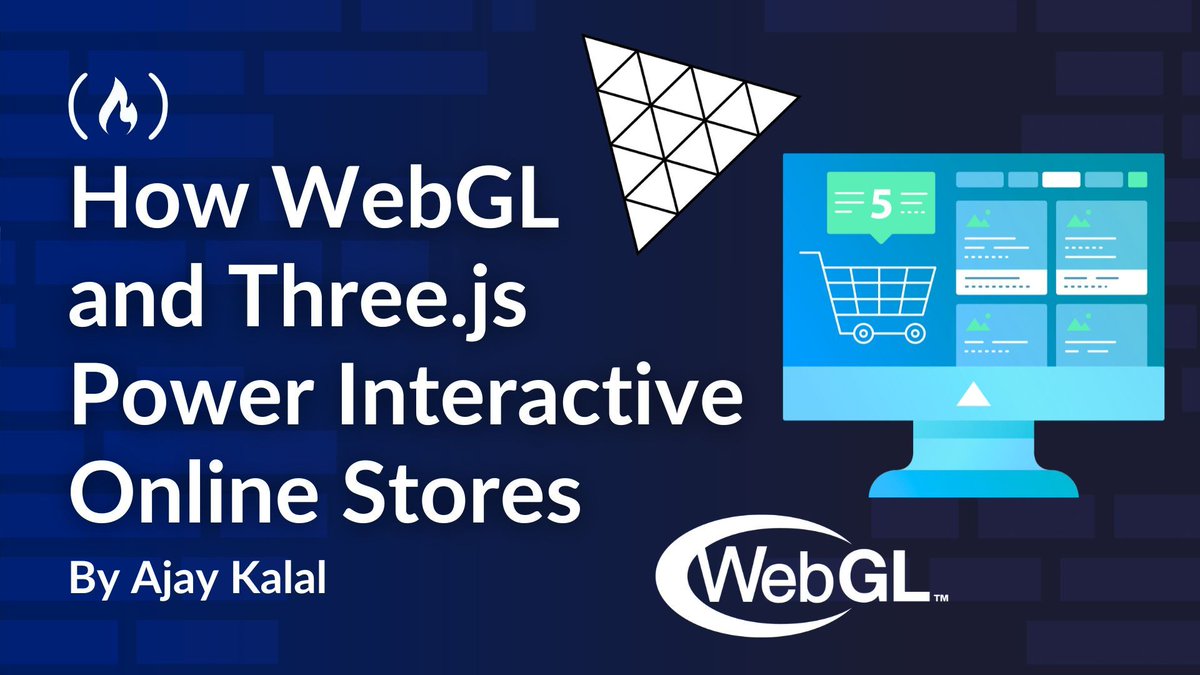
If your app has an online store, you'll need to do more than just show static product pages these days.
People want to spin things around, preview furniture in their house, and more.
In this guide, @NoDevAjay teaches you how to use WebGL + Three.js to make the online shopping experience more interactive.
https://t.co/4bh5R4GrfX
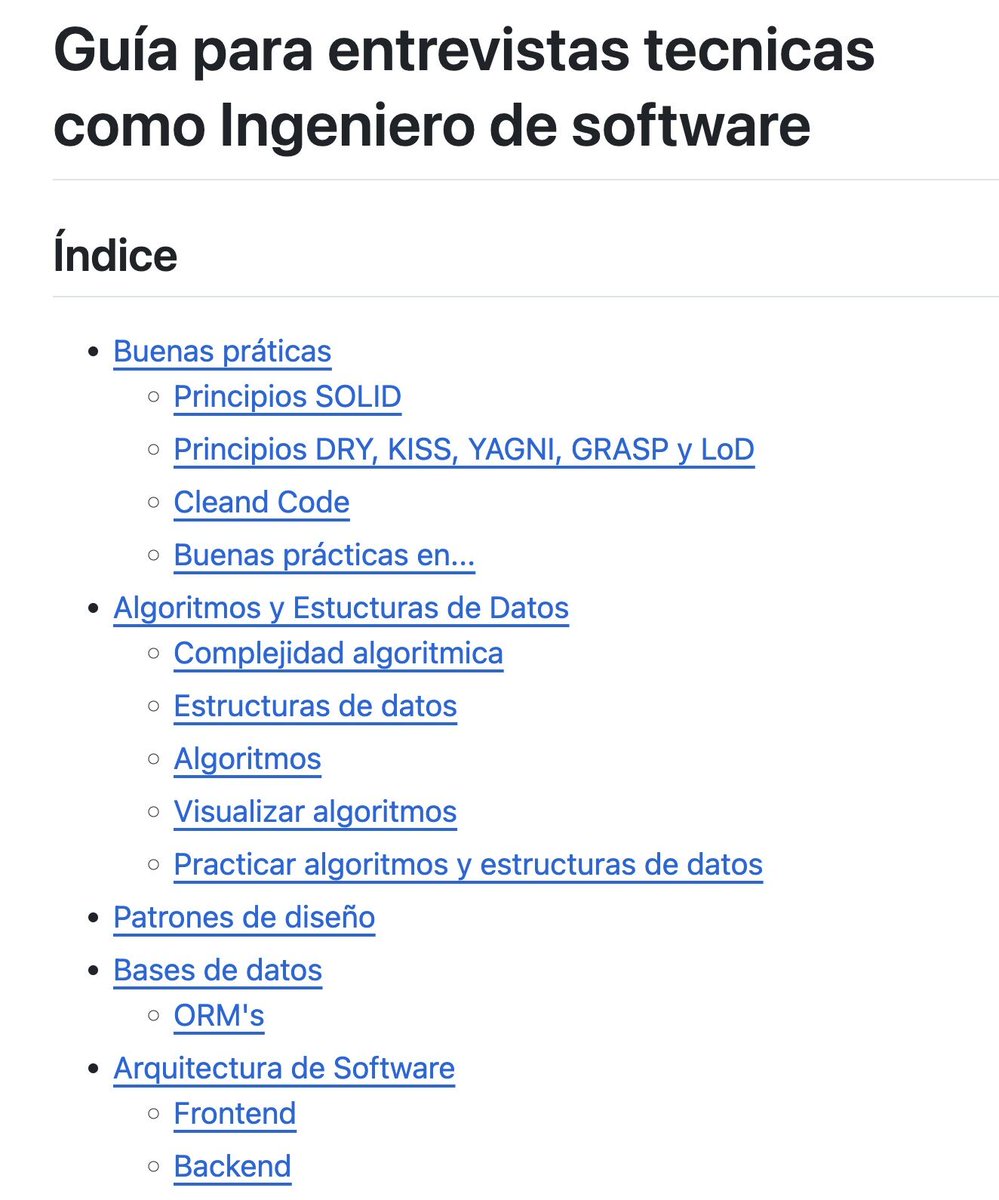
¡Guía para entrevistas técnicas de programación!
✓ Patrones de diseño
✓ Arquitectura de software
✓ Buenas prácticas y Clean Code
✓ Algoritmos y estructuras de datos
✓ Preguntas típicas por lenguaje y tecnología
→ https://t.co/EJUZBQtXwU
Muchos devs pensamos en arquitectura de software como si fuera sólo una decisión técnica.
Pero la verdad es que el negocio es quien dicta la arquitectura. 🧵
There's a lot to think about when you're writing code - and it can be overwhelming if you're a beginner.
To help you out so you don't forget about performance, @rahul_wip wrote this detailed guide.
He discusses common mistakes you might be making that lead to slow code - and how to fix them.
https://t.co/rU0NWEG49v
Event-Driven Architecture (EDA)
Overview
Think of EDA like a concert with a crowd.
When something happens on stage (an event), the audience reacts in different ways.
The band doesn’t need to know who claps, dances, or records — they just play, and everyone responds in their own way.
Components
→ Event Producers = The Band → They create the events (songs, announcements, actions)
→ Event Consumers = The Audience → Each reacts differently — some clap, some sing, some take videos
→ Event Bus = The Sound System → Delivers the music/events to the whole audience
→ Event Store = Recordings of the Concert → Keeps history so others can replay later
Flow
→ Band plays a song → Sound system broadcasts → Audience members react independently
Benefits
→ Loose Coupling → The band doesn’t need to know each audience member
→ Scalability → Thousands can react without extra effort from the band
→ Flexibility → New fans (consumers) can join without changing the performance
→ Real-Time Response → Audience reacts instantly as events happen
Drawbacks
→ Unpredictability → Different people may react differently (hard to track all responses)
→ Complexity → Harder to manage the crowd’s reactions
→ Ordering Issues → Some might cheer late or miss part of the event
→ Consistency Challenges → Not everyone hears or reacts the same way
Best Practices
→ Clear signals (well-defined events) so everyone understands
→ Reliable sound system (robust event broker)
→ Audience discipline (idempotent consumers)
→ Event recording (logging and monitoring)
→ Accept that responses may vary (eventual consistency)
When to Use
→ Live streaming platforms, stock trading, and IoT systems (like smart homes)
→ Real-time notifications (concert alerts, sports updates, chats)
→ Large, dynamic environments with independent participants
→ Systems where flexibility and responsiveness matter more than strict order
📘 Mastering Software Architectures: From Monoliths to Microservices and Beyond
Just like a concert where the band plays and the crowd responds in their own way, Event-Driven Architecture enables real-time, flexible, and scalable systems. This guide explains EDA alongside Monolithic, SOA, Microservices, and more.
👉 https://t.co/rQ5uqOjgfE
STEAM GIVEAWAY 🩷
To celebrate the release of Silksong, ill be giving away 1 copy of the game!
To enter:
-follow, like & rt
-comment ur fav thing about hollow knight! (Optional)
GA will end September 6th (Saturday) at 5pm PST! ^^ (so you can play all weekend~)
Good luck! 🩷
To celebrate today's long-awaited release of Hollow Knight: Silksong, we're giving away THREE copies of the game!
Follow + RT this tweet to enter. Get a BONUS entry if you show your subscription to the Final Weapon YouTube Channel in the replies!