C. IgG
IgG is the only immunoglobulin that significantly crosses the human placenta, and this transfer is a key mechanism of passive immunity for the fetus and newborn.
Placental transfer of maternal IgG antibodies protects the infant during early life, when the neonatal humoral immune response is still inefficient. This process is actively mediated by the neonatal Fc receptor (FcRn) expressed on syncytiotrophoblast cells of the placenta.
The efficiency of IgG transfer depends on several factors:
🟢Maternal total IgG levels and antigen-specific antibody titers
🟢Gestational age (transfer increases markedly in the third trimester)
🟢Placental integrity
IgG subclass (IgG1 > IgG3 > IgG4 > IgG2)
🟢Nature of the antigen, with stronger transfer for thymus-dependent antigens.
These principles form the biological basis of maternal immunization strategies, aimed at protecting newborns from neonatal and early-infant infections. In special situations, such as mothers with primary immunodeficiency, exogenous IgG given via intravenous immunoglobulin (IVIG) can cross the placenta in patterns similar to endogenous IgG and provide early protection to the infant
However, this same pathway can also allow pathogenic autoantibodies to cross the placenta, potentially causing transient autoimmune diseases in the neonate (e.g., neonatal lupus or immune thrombocytopenia
🚨 VAGINISMO: el problema silencioso que ha afectado miles de relaciones… y del que casi no se habla 💔
¿Sabías que hasta 1 de cada 6 mujeres puede vivirlo en algún momento?
No es actuación. No es “falta de deseo”. No es culpa de nadie.
Es el cuerpo reaccionando desde el miedo. Y sí… duele entenderlo y vivirlo.
Todo parece estar bien: hay atracción, hay cariño, hay conexión…
pero cuando llega la penetración → aparece el bloqueo. Dolor. Tensión. Frustración. Culpa.
Ella no está “exagerando”.
Su cuerpo no está “fallando”.
Está protegiéndose. Y eso tiene nombre: **vaginismo**.
🔹 Puede originarse por traumas, educación restrictiva, experiencias dolorosas o ansiedad
🔹 Afecta la autoestima, la intimidad y muchas relaciones en silencio
🔹 PERO… tiene tratamiento. Y funciona.
Lo que realmente ayuda (y casi no se explica):
✅ Acompañamiento profesional: ginecología + fisioterapia de suelo pélvico + psicología
✅ Dilatadores de forma progresiva, sin presión ni dolor
✅ Lubricación adecuada + juego previo sin expectativas de penetración
✅ Ejercicios de Kegel, respiración y relajación corporal
✅ Tratar infecciones, ansiedad u otras causas físicas asociadas
No es una puerta cerrada.
A veces solo necesita tiempo, comprensión y la ayuda correcta. 🔑❤️
Si esto te toca de cerca…
no estás sola/o.
Hablarlo ya es empezar a sanar.
¿Lo has vivido o conoces a alguien que pase por esto?
Puedes compartir tu experiencia (si prefieres, de forma anónima).
Difundir también ayuda a romper el tabú.
Más contenido sobre superación , relaciones y sexualidad real en → @Cd_Julian_
🧵 Caso clínico del
Día en #Urgencias 🚑‼️
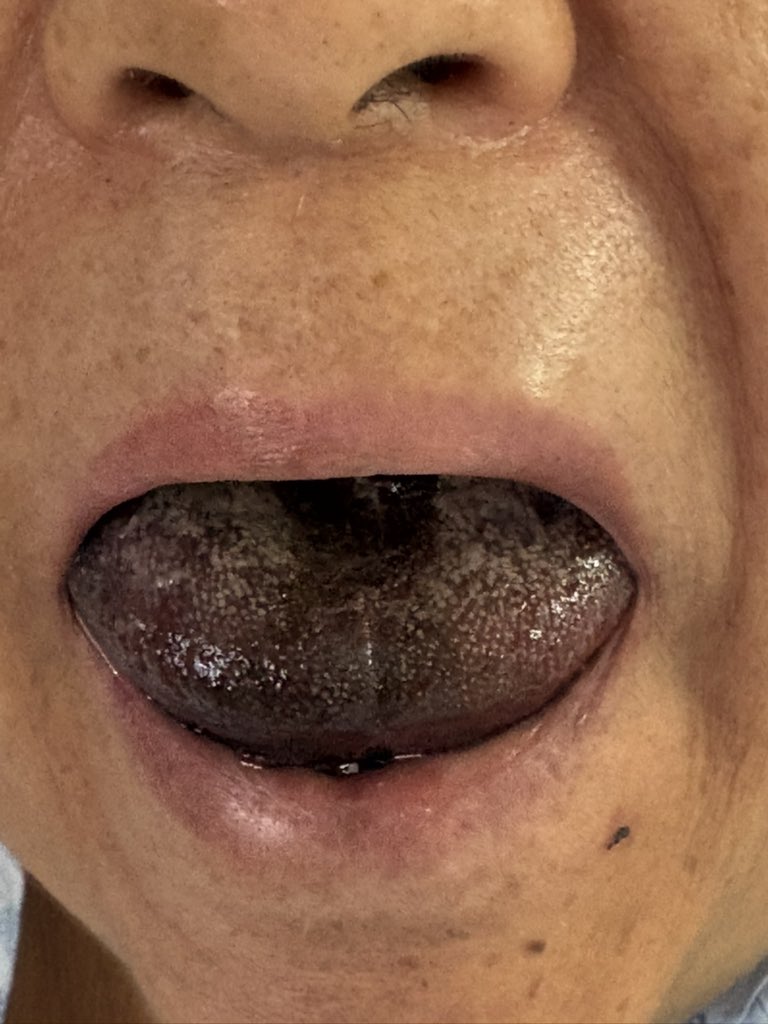
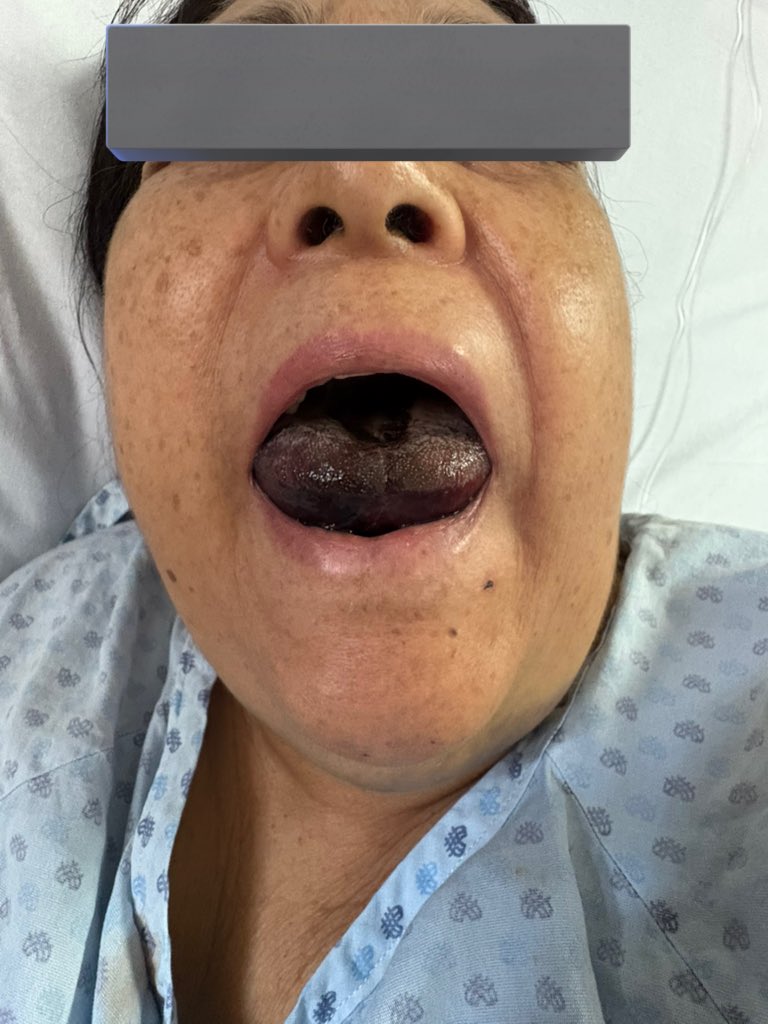
👩🦳 Paciente femenina de 69 años acude al servicio de urgencias acompañada de sus familiares, muy espantados, porque al despertar notaron que su lengua estaba de color NEGRO 😨👅.
Se fue a dormir en condiciones normales y amaneció con este hallazgo.
C. IgG
IgG is the only immunoglobulin that significantly crosses the human placenta, and this transfer is a key mechanism of passive immunity for the fetus and newborn.
Placental transfer of maternal IgG antibodies protects the infant during early life, when the neonatal humoral immune response is still inefficient. This process is actively mediated by the neonatal Fc receptor (FcRn) expressed on syncytiotrophoblast cells of the placenta.
The efficiency of IgG transfer depends on several factors:
🟢Maternal total IgG levels and antigen-specific antibody titers
🟢Gestational age (transfer increases markedly in the third trimester)
🟢Placental integrity
IgG subclass (IgG1 > IgG3 > IgG4 > IgG2)
🟢Nature of the antigen, with stronger transfer for thymus-dependent antigens.
These principles form the biological basis of maternal immunization strategies, aimed at protecting newborns from neonatal and early-infant infections. In special situations, such as mothers with primary immunodeficiency, exogenous IgG given via intravenous immunoglobulin (IVIG) can cross the placenta in patterns similar to endogenous IgG and provide early protection to the infant
However, this same pathway can also allow pathogenic autoantibodies to cross the placenta, potentially causing transient autoimmune diseases in the neonate (e.g., neonatal lupus or immune thrombocytopenia