We can achieve great things when we work together.
The Artemis II recovery team includes specialists from the U.S. military alongside engineers and technicians from NASA and Lockheed Martin.
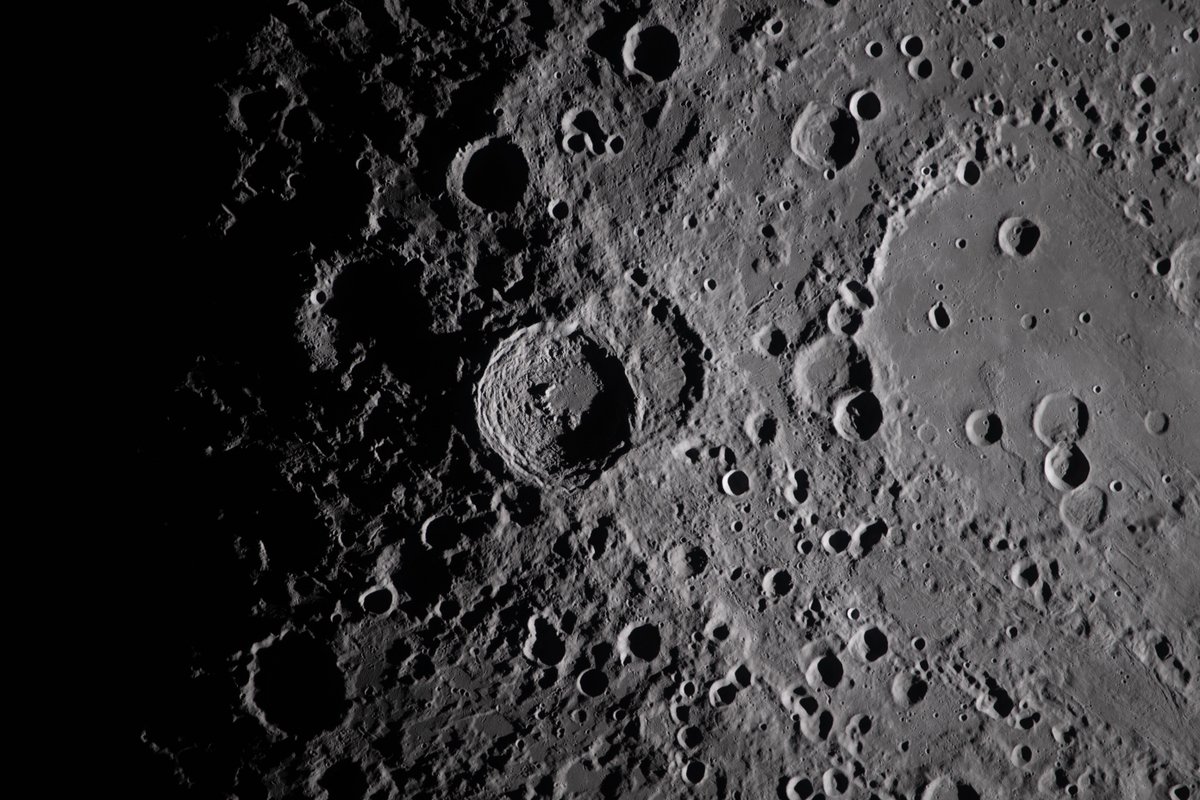
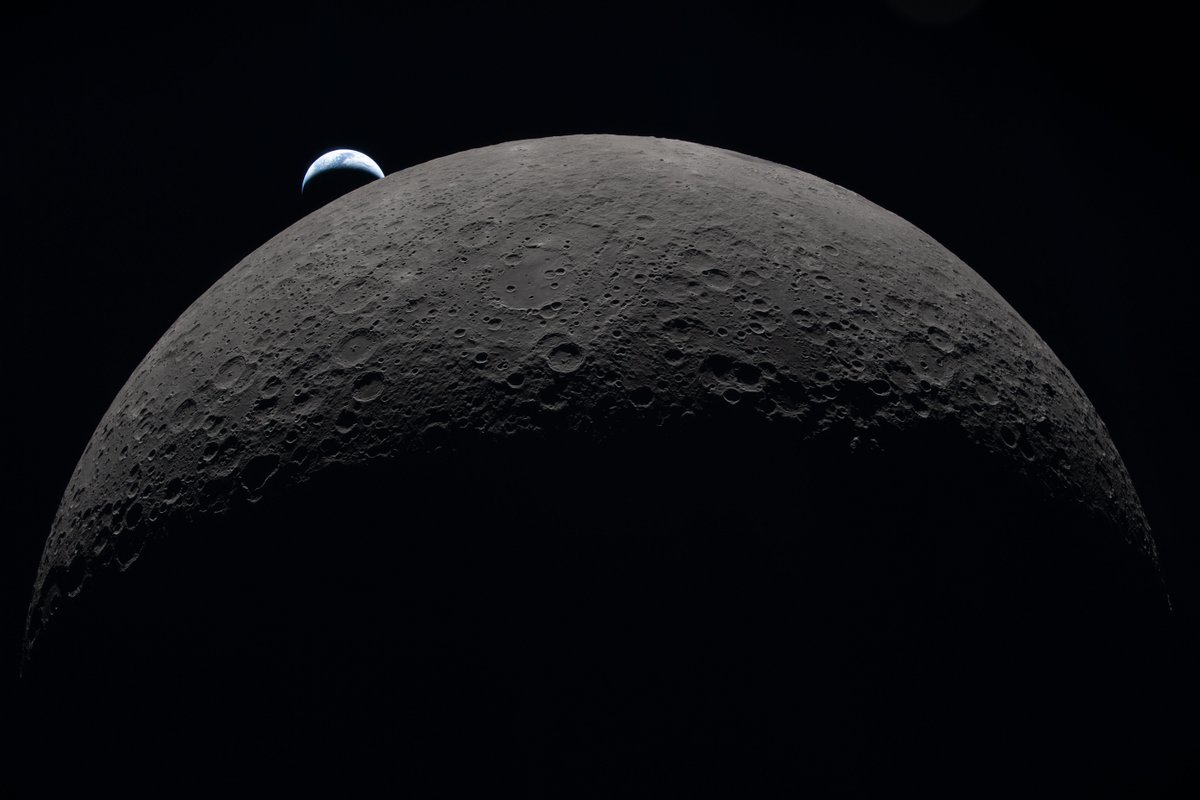
Hello, Moon. It’s great to be back.
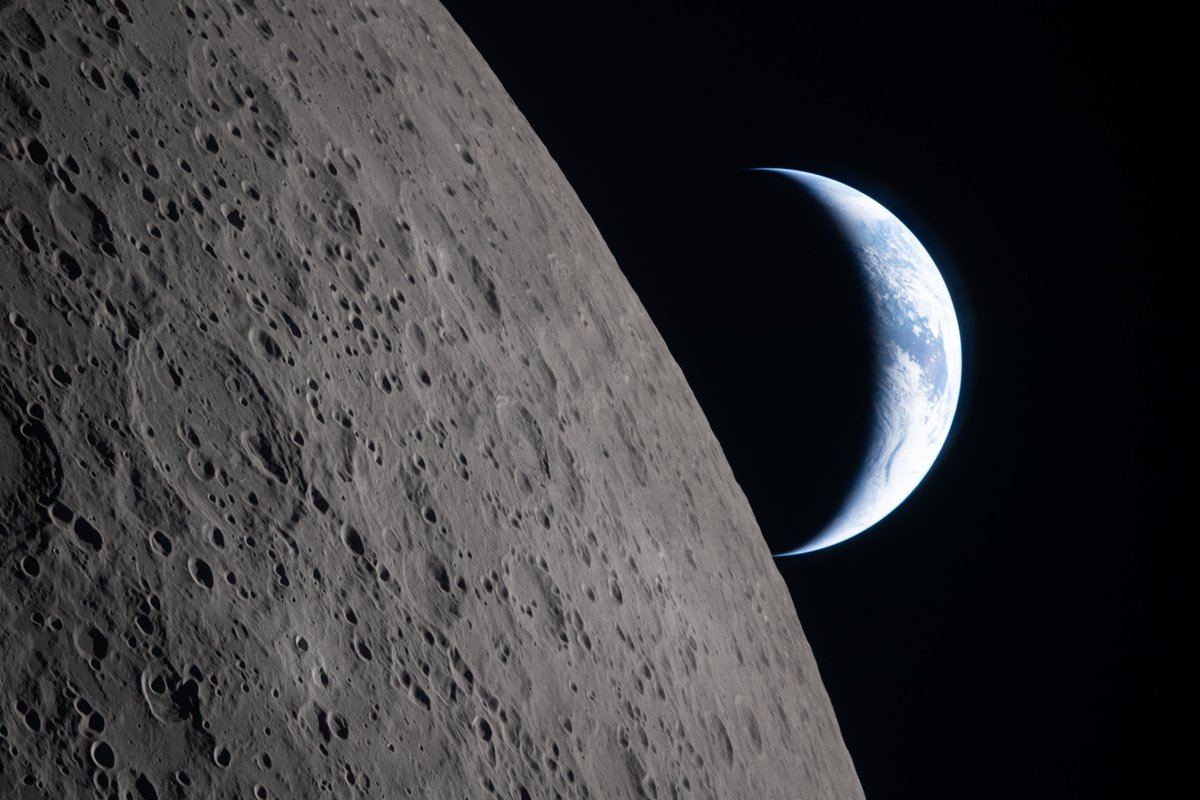
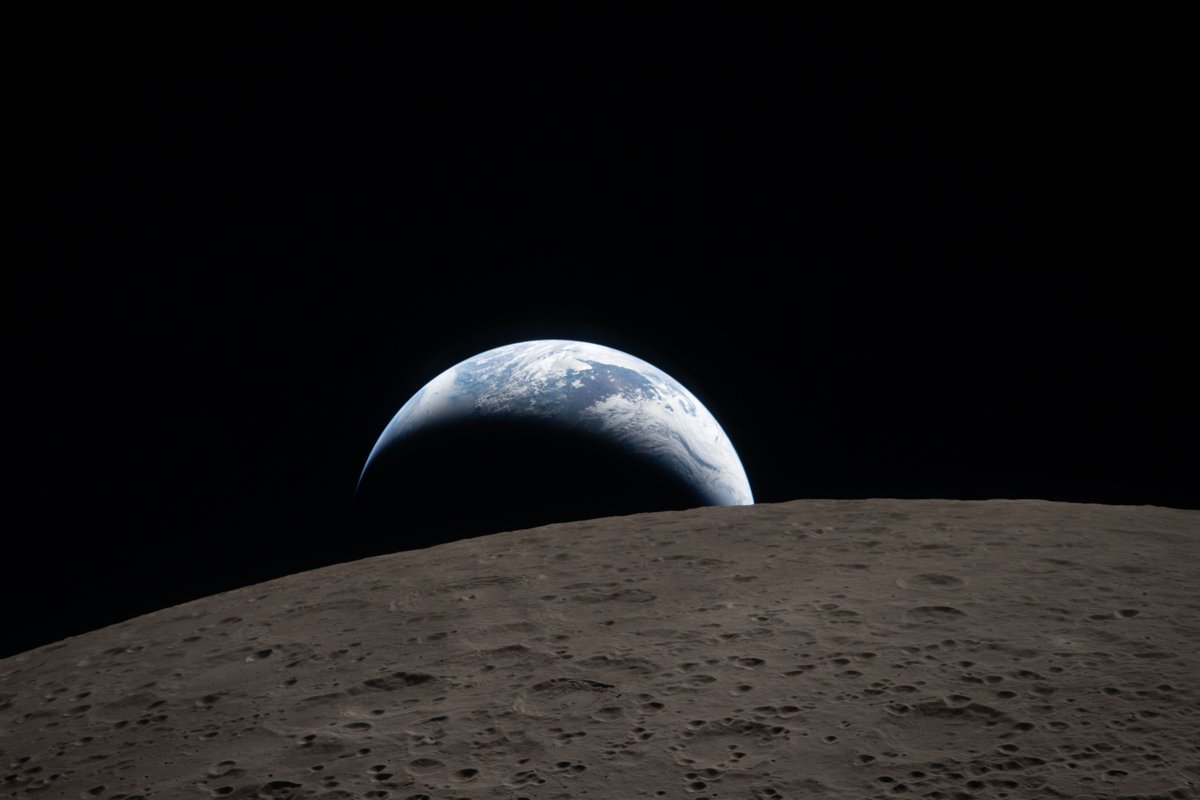
Here’s a taste of what the Artemis II astronauts photographed during their flight around the Moon. Check out more photos from the mission: https://t.co/rzM1P0QbOl
We see our home planet as a whole, lit up in spectacular blues and browns. A green aurora even lights up the atmosphere. That's us, together, watching as our astronauts make their journey to the Moon.
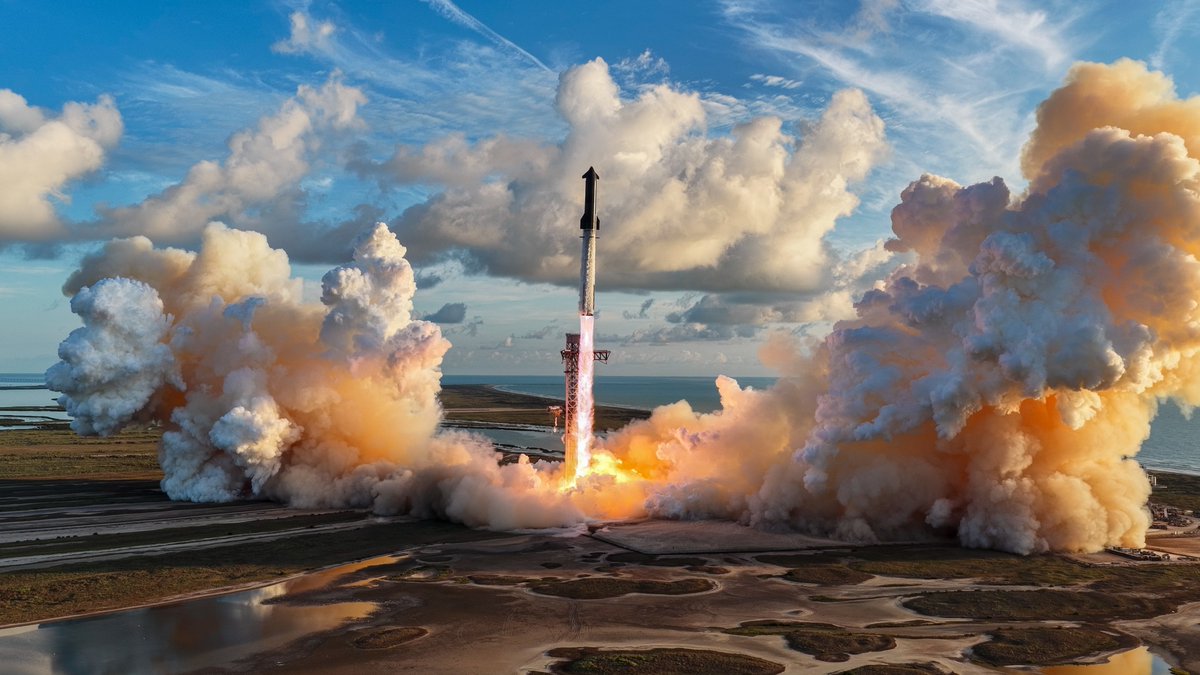
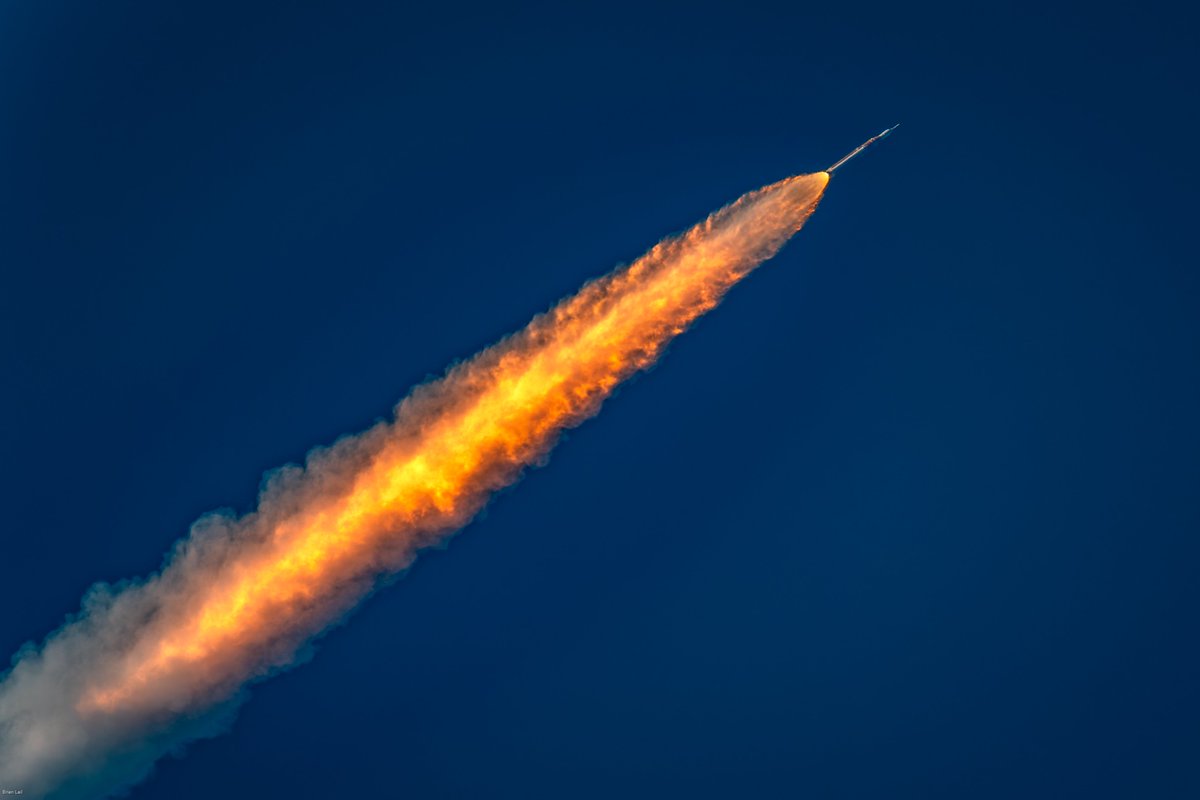
Liftoff.
The Artemis II mission launched from @NASAKennedy at 6:35pm ET (2235 UTC), propelling four astronauts on a journey around the Moon.
Artemis II will pave the way for future Moon landings, as well as the next giant leap — astronauts on Mars.
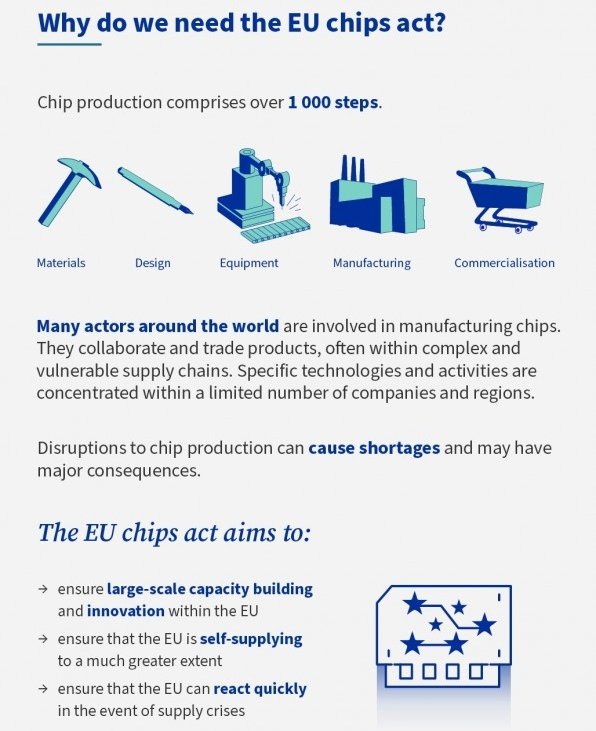
The EU has launched the first EUV semiconductor line in Europe. 🇪🇺
The machine is supplied by ASML, and will produce 2nm and smaller chips. It is a test line hosted by IMEC in Belgium.
Next will be full scale rollout for an independent European chip sector!
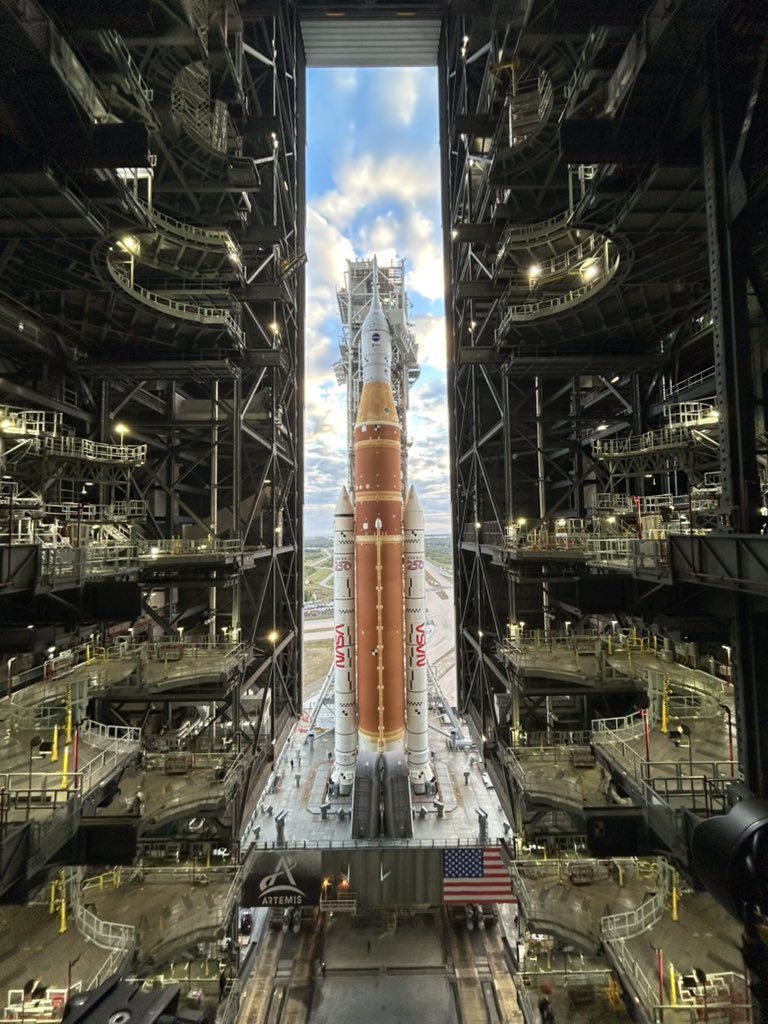
The Moon beckons Artemis II!
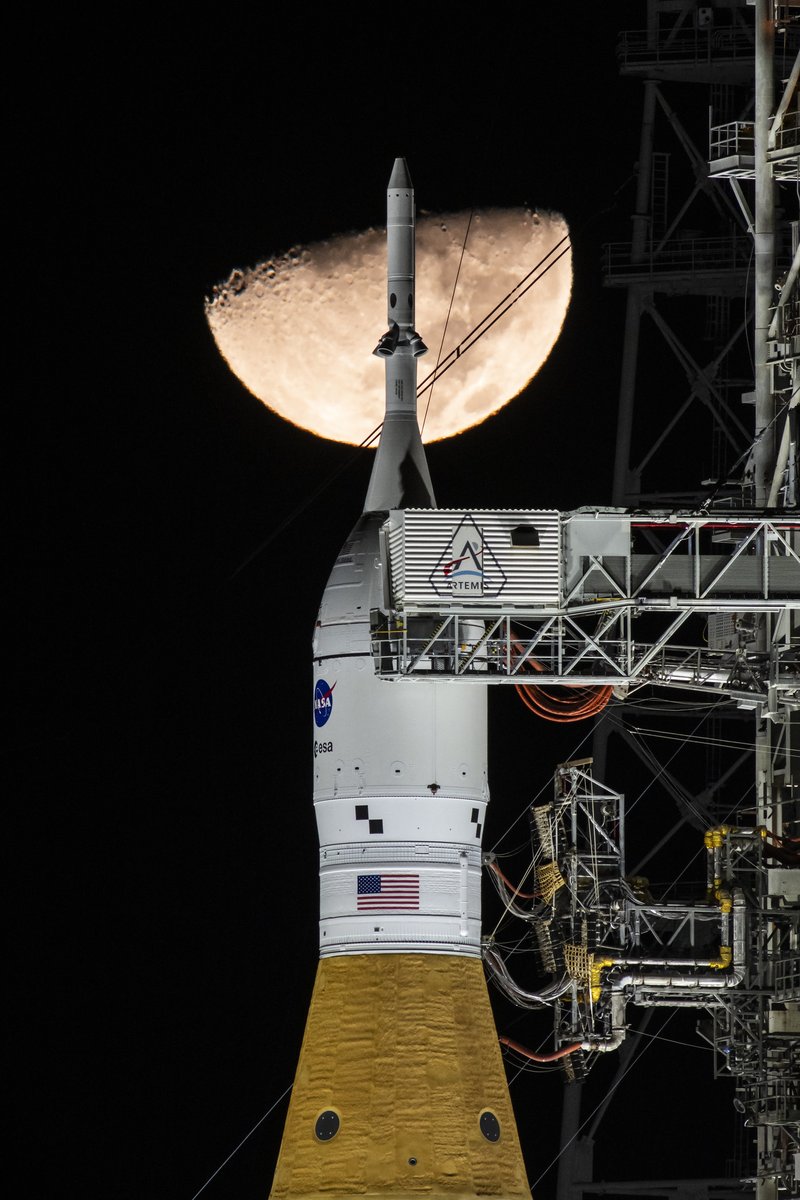
NASA's SLS rocket is on the pad prior to the wet dress rehearsal. The second stage, the Interim Cryogenic Propulsion Stage (ICPS) was manufactured by ULA under a collaborative partnership with Boeing. https://t.co/SoP2uX6cdg
November 11th - on this day in 1966, NASA launched the final Project Gemini mission, when Gemini XII lifted off from the Cape's LC-19.
Astronauts Jim Lovell and Buzz Aldrin spent close to three days in Low Earth Orbit, with Aldrin performing three spacewalks.
While on orbit, Gemini XII docked to GATV-5001A (Gemini-Agena Target Vehicle 5001A), launched less than two hours earlier than the crewed spacecraft, for one day, 19 hours and 12 minutes.