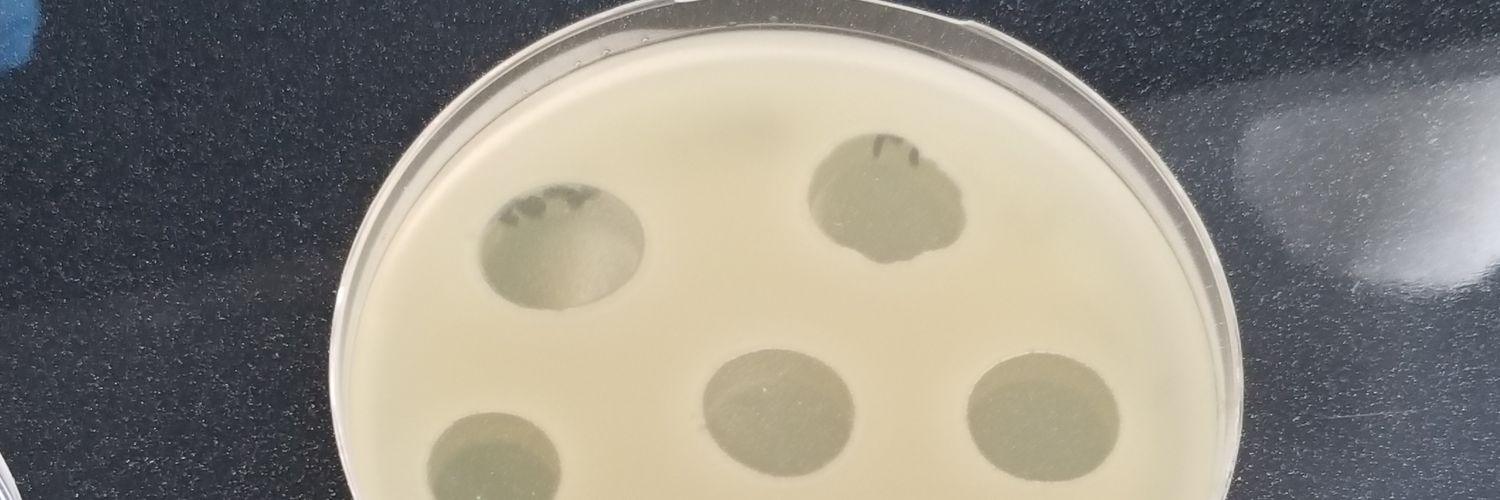
11 clinical isolates of A. baumannii DTR against the last active b-lactams: cefiderocol, sulbactam/durlobactam and our in-house synergy amp/sulb + caz/avi. Tetracyclines as reference. OXAs are the main problem.
Amp/sulb and mero + 1 more resistant agent = DTR.
It is essential to understand the impact the vaginal microbiome exerts over the atypical changes seen in cervical dysplasia due to HPV infection. A proper comprehensive microbiome analysis and intervention should be part of the evaluation. https://t.co/zkKObRmpff
Just the fact a significant amount of IE causing pathogens are fastidious or unable to grow on culture, molecular testing should be a routine part of the diagnostic process.
In an infective endocarditis (IE) study from 44 patients’ resected heart valves that compared NGS, blood culture, and valve Gram staining, NGS proved to be faster and more sensitive with a better negative predictive value (NPV) than the other two methods.
https://t.co/WEJwU5Yj8y
@JGPharmD It is, but see it in this way. If you set a candida (yeast) at 30°C instead of 35°C, it will grow as a mold (teleomorph) that is the sexual form. If you set it at 35°C grows as a yeast (asexual).
Most sequencing data for mold have the sexual name and some in the MALDI
@JGPharmD Aren't those revised names the teleomorph name of the candidas? I believe that's the name of the sexual stage of the fungi, where candida is the asexual one. Every candida has 2 names based on the reproductive state of growth
@Helezhelm @osama_oj1 They can't. They don't have the right to characters or stories from the 1st age. They can show only those referenced in the 2nd age material they got the rights.
@wfwrighID Our protocol call for carbapenemase PCR screening on ceftolozane/tazo I or R isolates with MDR pattern. Azt S is interesting, seems a little off. If confirmed, seems a porin + AmpC expression more than efflux.
We have around 3% CP-producing on P. aerug MDR, mostly VIM, few KPC
@EmpiricGame @theIDPharmD @SanjatKanjilal E. coli carry AmpC gene and they become expressing by a damaged or mutated inducer gene (AmpR). E. coli doesn't have the capability of regulate AmpC expression as the SPICE-M group.