@pickl3sss@abhornUCRedu#ucr150@abhornUCRedu I really enjoyed reading your post about the EBA approaches. Out of the 6 approaches you listed, which one do you believe is the most important for our student athletes.
Sport is a powerful tool for social change. Student-athletes are uniquely positioned, as campus and community leaders, to use their voice and platform to drive positive social change on topics such as racial justice. #ucr150@abhornUCRedu
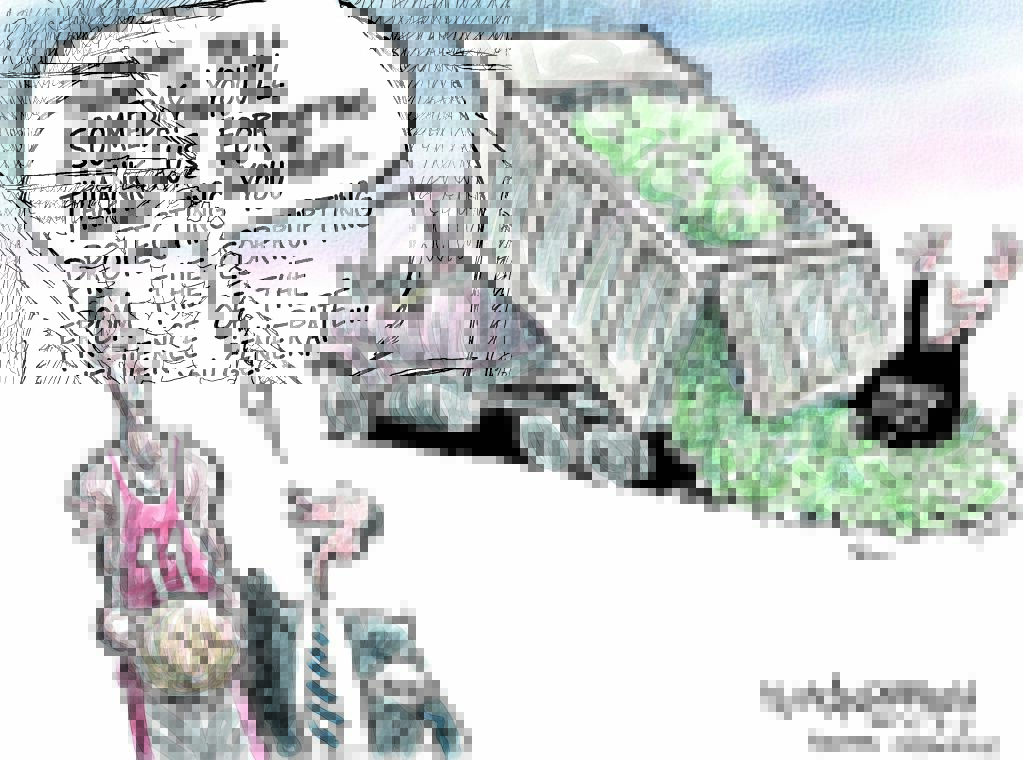
@emmaxchen@abhornUCRedu#UCR150@abhornUCRedu I totally agree w/your statement on the unfairness the NCAA profits off their student athletes. I really enjoyed how you threw in the O’Bannon case into your argument, which has more of an insight to the mistreatment of athletes.
#ucr150@abhornUCRedu The NCAA can generate revenue ticket sales, merchandise, donations, conference television contracts, & sponsorships. University can sell jerseys w/their student athletes name or licensing an avatar of their likeness for a video game.
@emmaxchen@abhornUCRedu@abhornUCRedu#UCR150 I really found the video that is based off the student transfers very interesting. I totally agree with that athletes should be allowed to transfer to any other college just as other college student do. Overall, great post!!
The NCAA 4-4 transfer rule states a student-athlete must complete an academic year in residence (two full-time semesters) at a new 4 year school unless they can use an NCAA transfer exception. NCAA allows underclassmen to transfer w/o sitting out a yr. @abhornUCRedu#UCR150
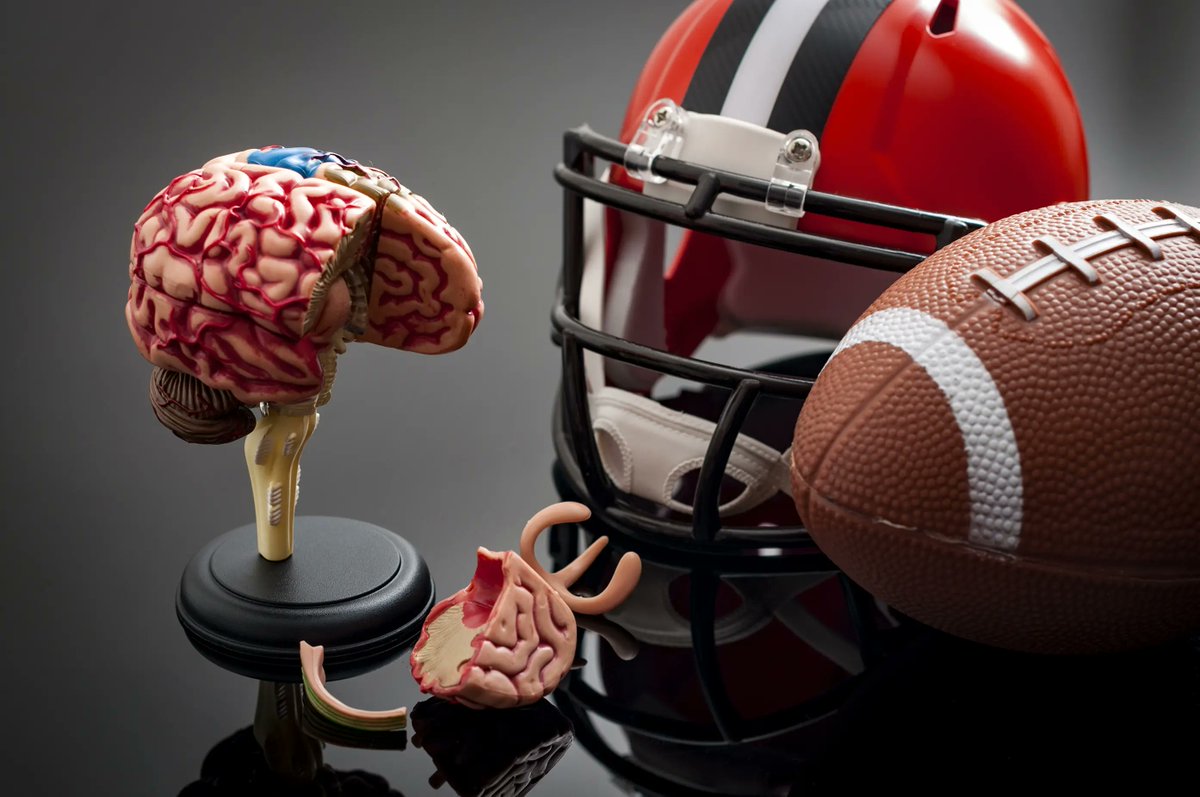
@lisscastrom@annaaacha@lisscastrom@abhornUCRedu#ucr150 I enjoyed your post about the awareness of sport injuries, as this is a very serious topic of discussion. Concussions' especially should be an important educational topic for parents, athletes and coaches to learn.
NCAA legislation requires that schools’ concussion management plans must be consistent with the Concussion Safety Protocol Checklist. Meaning student athletes will report to their coaches/institution based on sport-related concussion.
#ucr150@abhornUCRedu
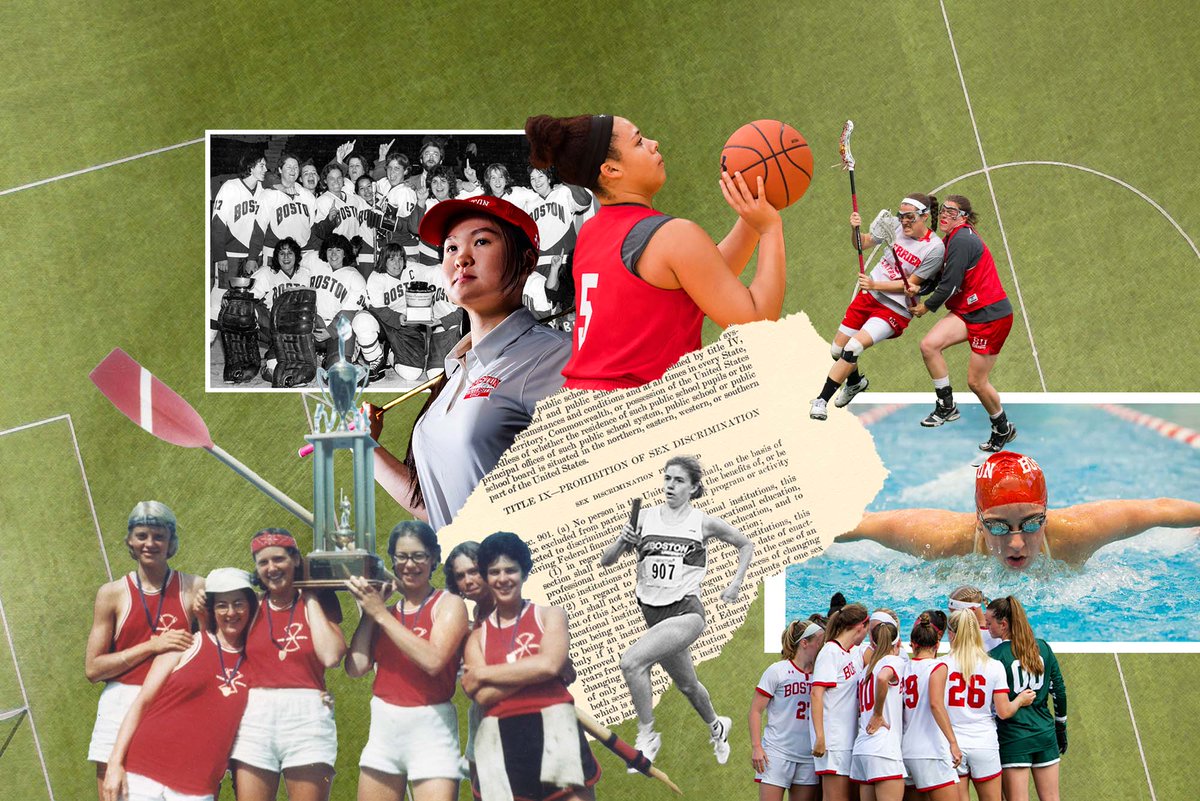
@JulianMiggins@abhornUCRedu@JulianMiggins@abhornUCRedu#ucr150 I totally agree w/your post about Title IX. Women's sports always get the short end of the stick, as we have great female athletes, but it's overshadowed by male athletes' who generate more revenue and create more media.
Title IX was created for educational institutions who receives federal funding, provide equal opportunities for their female athletes. But in our current college sports, we are seeing numerous disparities with our female athletes #ucr150@abhornUCRedu
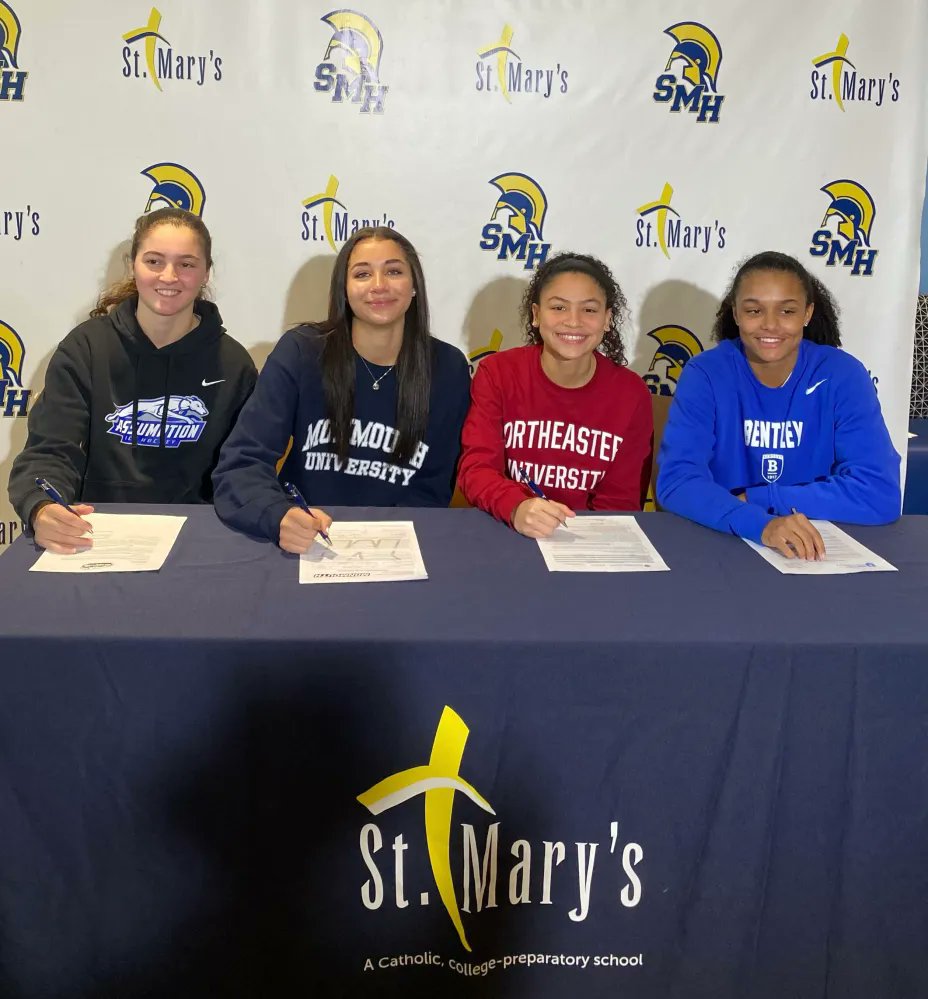
@emmaxchen@abhornUCRedu@emmaxchen@abhornUCRedu#Ucr150 I enjoyed reading your post as it’s closely similar to my post to. I agree with how the NLI doesn’t allow their athletes with rights. Though, I’d like to mention that the NLI is voluntary, meaning athletes don’t need to sign.
The NLI is a legally binding contract for student athletes and their respect college that includes an athletic aid agreement/athletic scholarship for their first academic year. The NLI is voluntary and not required to sign. #ucr150@abhornUCRedu
College athletics fall under the NCAA amateurism, which creates an unfair advantage for athletes to move forward in their career. Athletes can and have been penalized by a fine or denied NCAA eligibility based on amateurism status. #ucr150@abhornUCRedu
@cortez85218@abhornUCRedu@cortez85218@abhornUCRedu I really enjoyed this insightful post. I share the same perspective with the quote you provided. Wouldn’t we want our college athletes to have a smooth and fun time in their sports as well as experiencing college life? #ucr150
The NCAA Human Rights Project was created to end the exploitation of college athletes to provide real time advocacy & activism for athletes who report injustices. For example, female college athletes who are underrepresented.
#ucr150@abhornUCRedu