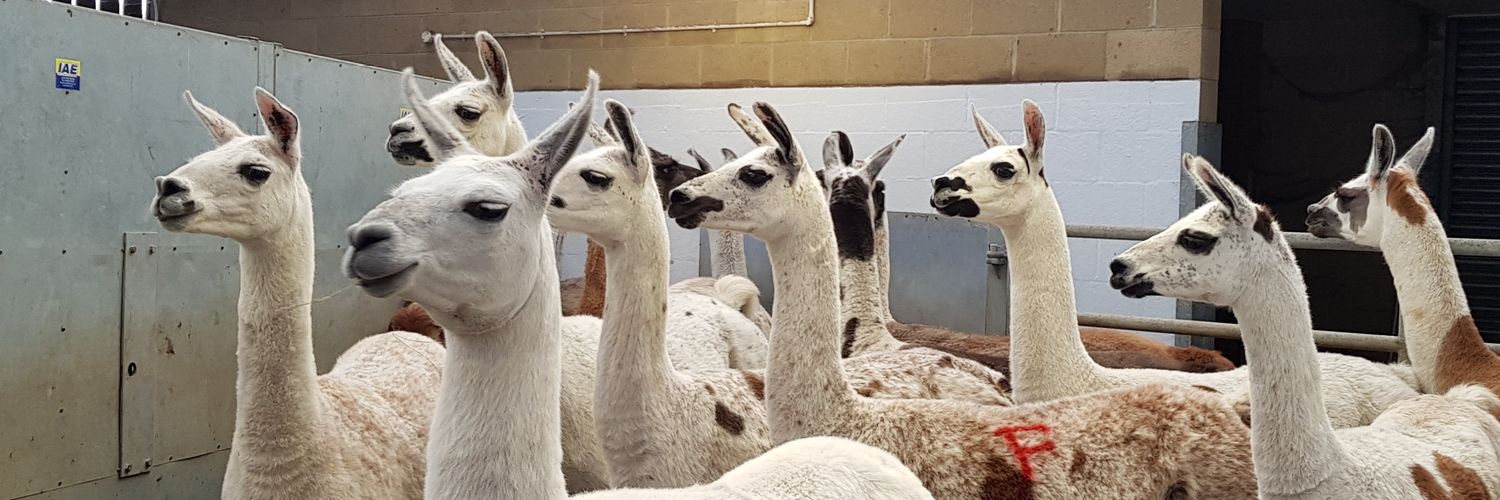
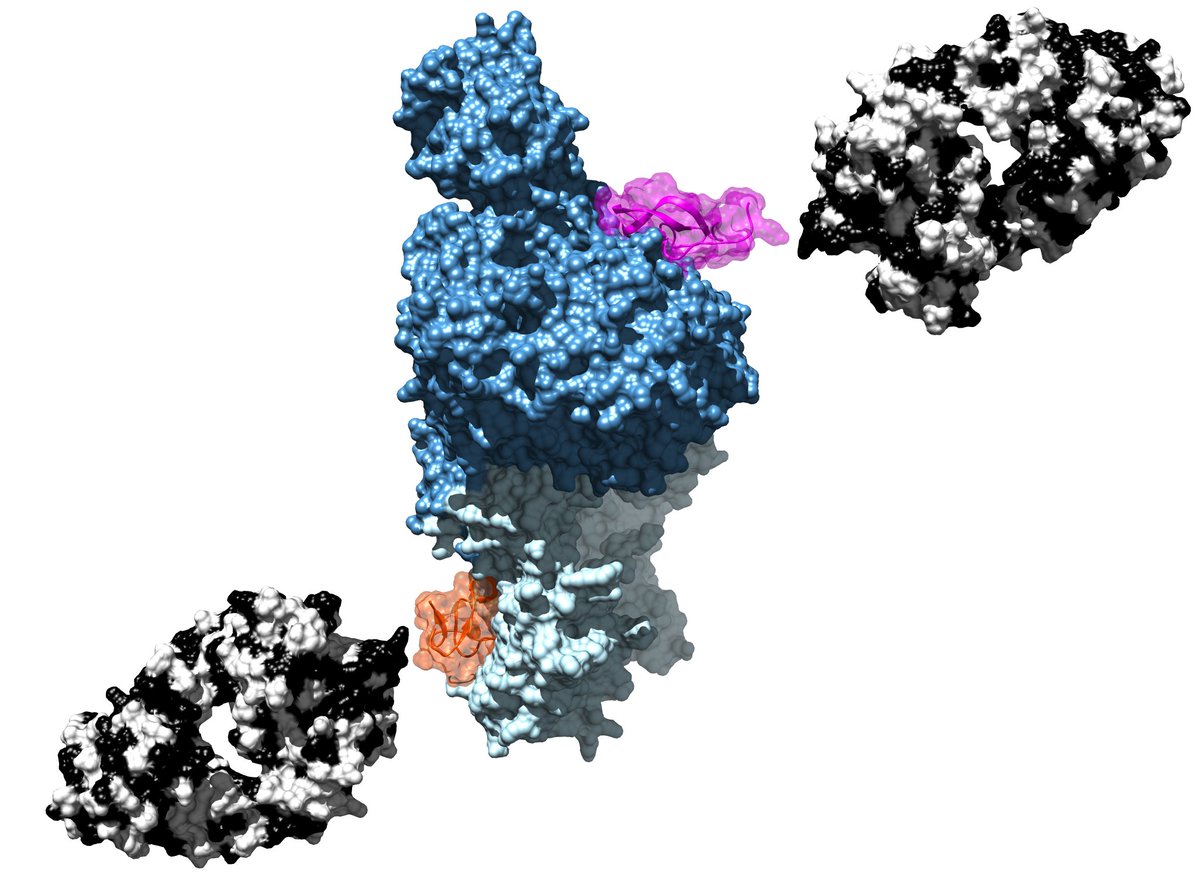
In our new @PLOSBiology paper, we show that a mini domain found in the CDRH3 of a subset bovine antibodies can function autonomously of the antibody scaffold, creating a small (~4 kDa), cysteine-rich antibody fragment, one third the size of a VHH https://t.co/FiXd5fUj0y
As @JeanvdElsen exquisitely summed it up in his historical perspective of the field, "there is complement structural biology before...and after Piet Gros"!
What an impactful legacy!
PhD position available: unravelling the molecular link between coagulation and immunity. Supervisory team @HeurichMeike (Cardiff), Halina Mikolajek (Diamond Light Source) and myself (Bath)
https://t.co/T8oJvSSp0O
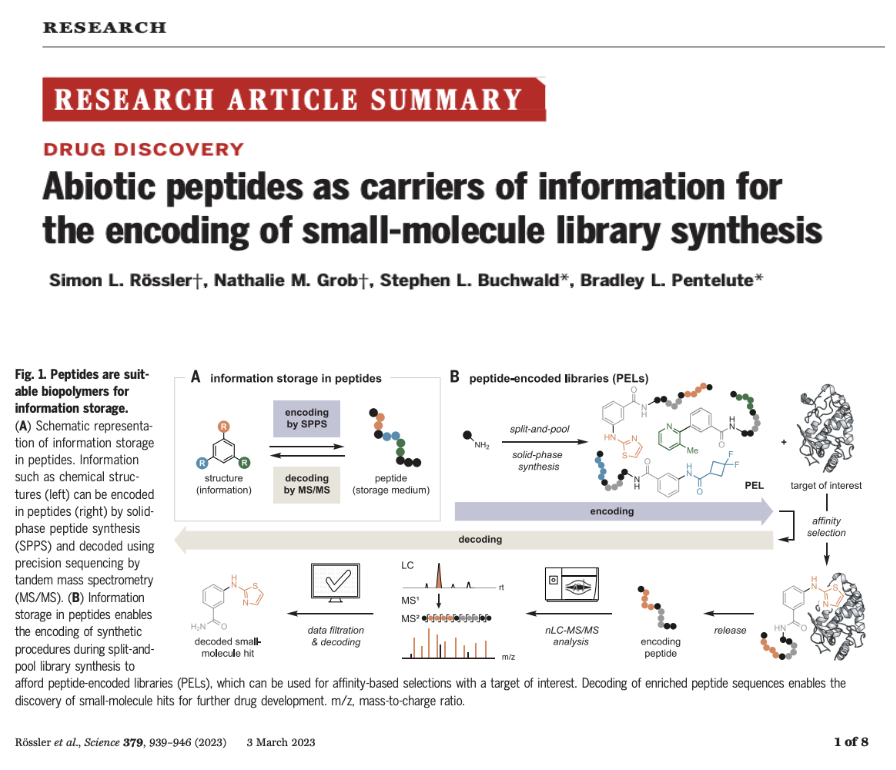
DNA is good for information storage.
Peptides are better.
This @ScienceMagazine article makes a compelling case for peptides encoded small-molecule libraries.
A powerful new approach for drug discovery.
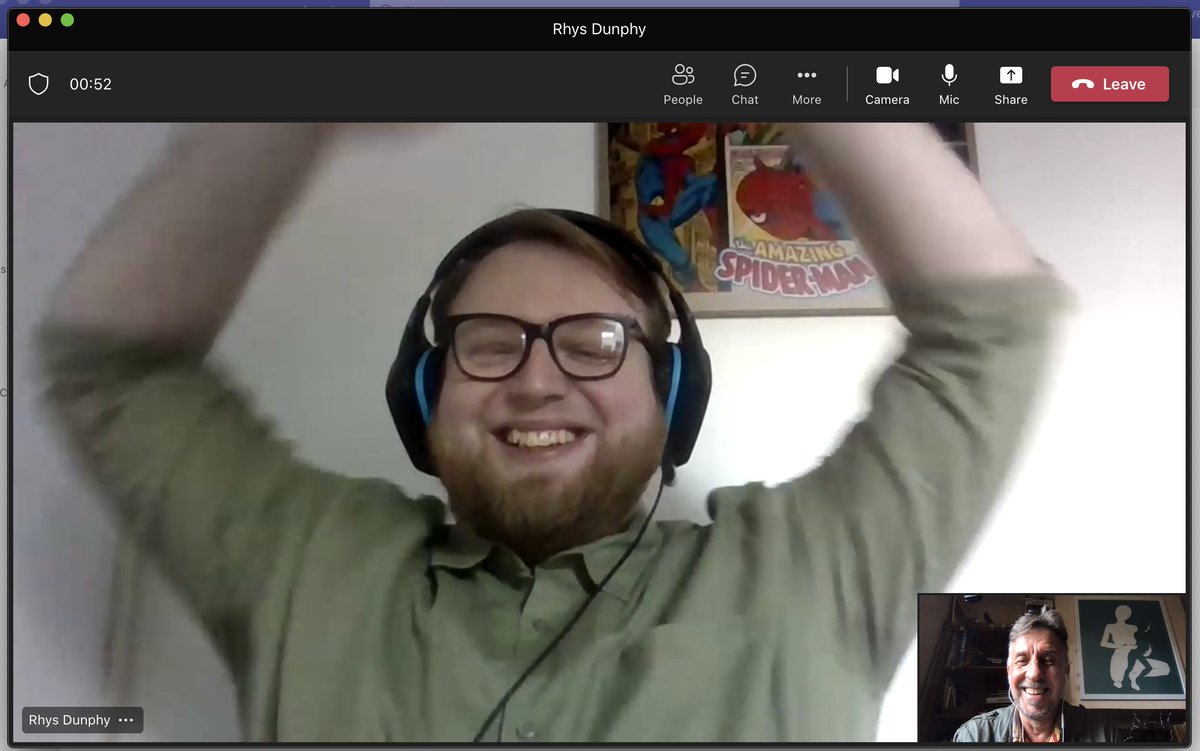
He's only gone and done it!! Congratulations Dr @DunphyRhys!! Many thanks to the excellent team of examiners @JodyMMason and Nic Harmer!! @GW4BioMedDTP @BiosciencesBath
Delighted that our paper has been published in MAbs. We show that the proximity of the termini of bovine knob domains enables transplantation into protein loops, to engineer binding specificity into proteins and antibodies. @TheAbSociety@JeanvdElsen https://t.co/MCgRggyCo9
The latest paper from our lab in @FrontImmunol unveils a novel staphylococcal #complement evasion mechanism which enables the pathogen to harness the ability of dimeric C3d to modulate B-cell activation via a unique structurally stabilising domain swap. https://t.co/OTfn4KVTut
I'm pleased to announce a PhD opportunity @UniofBath to study complement C5, a target for inflammatory diseases, using a unique antibody toolkit. This a collaboration with Prof Paul Morgan, Dr Wiola Zelek @cardiffuni and @Alex_MacPh@ucb_news https://t.co/scGWeTpkrj DM for info
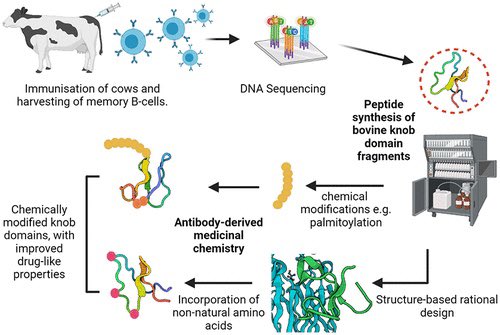
1. Hugely pleased this is out in @ChemicalBiology. We show that knob domains, antigen binding mini-domains found in a subset of bovine antibodies, are readily amenable to SPPS, creating truely synthetic antibody fragments. https://t.co/GsX3i42pXM
2. This permits incorporation of non-natural amino acids or other chemical modifications which further improve the in vivo stability of these scaffolds.
Latest paper from the lab: providing new insights in the importance of complement in the fluid phase and how C3 fragment dimers modulate B cell activation. Great collaboration between Bath, Newcastle, Colorado and UCB. https://t.co/eJWIPDD8HH
Hot off the preprint press:
The world's tiniest antibodies can be chemically synthesised!!
@Alex_MacPh's latest chapter in the continuing knob domain peptide saga:
https://t.co/1O25EIYNtW #antibody#complement#peptide