🧵
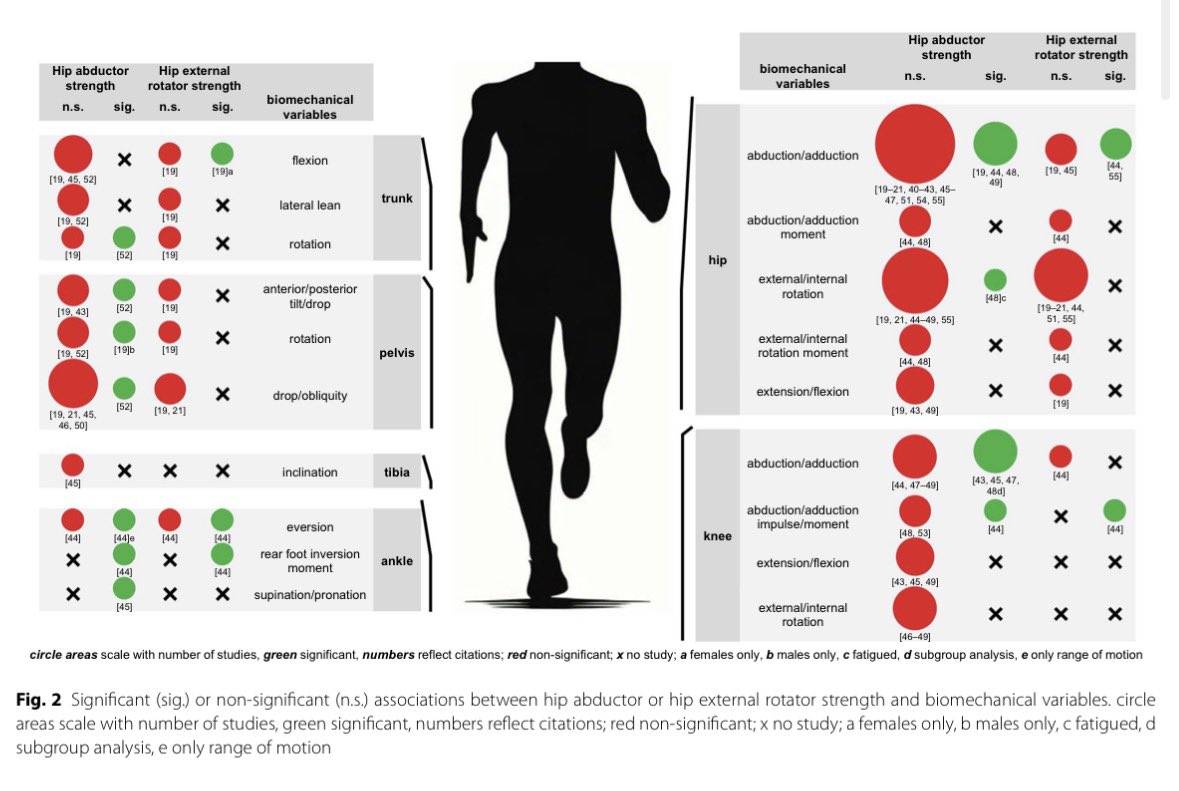
¿Sigues intentando corregir la biomecánica de carrera solo fortaleciendo glúteo medio?
Puede que estés atacando el problema… pero no desde donde toca.
https://t.co/53uMw9Vlp4
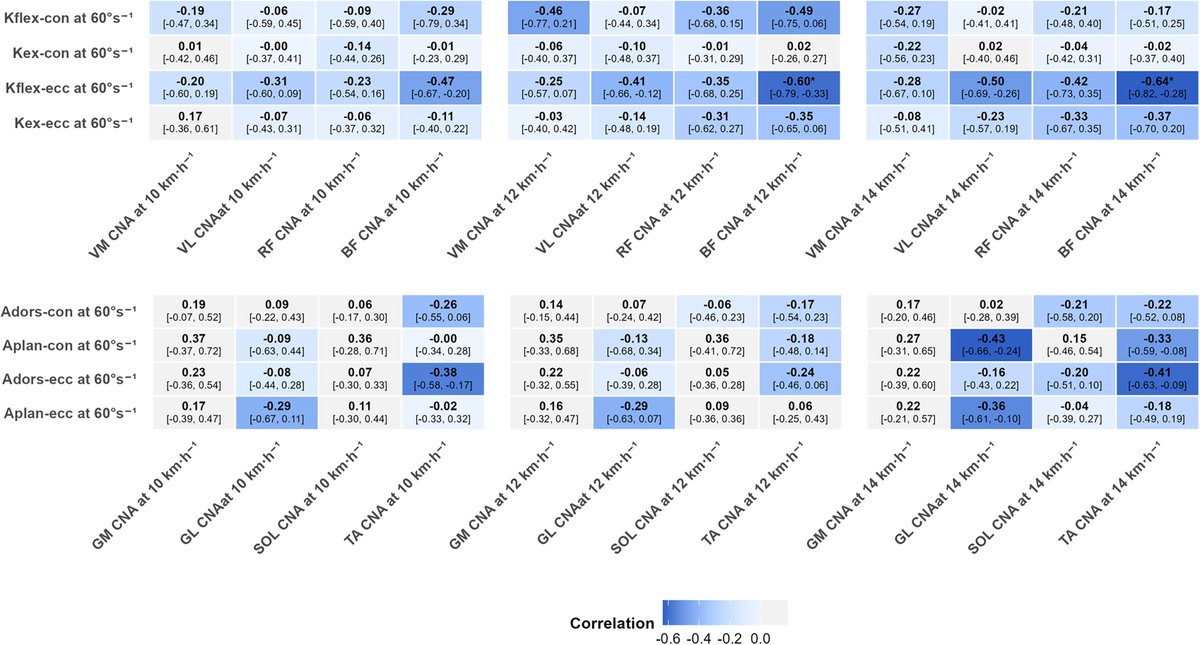
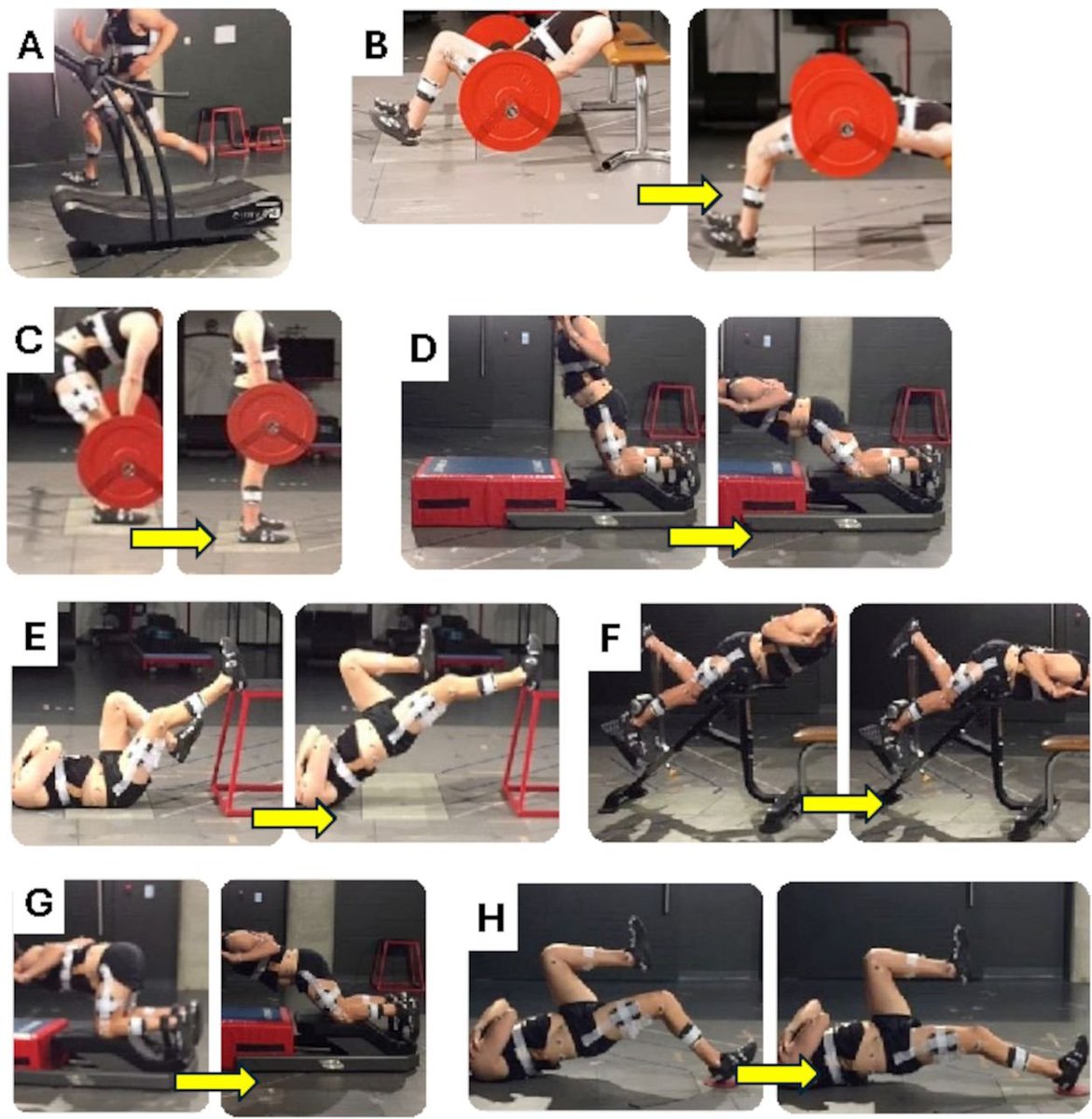
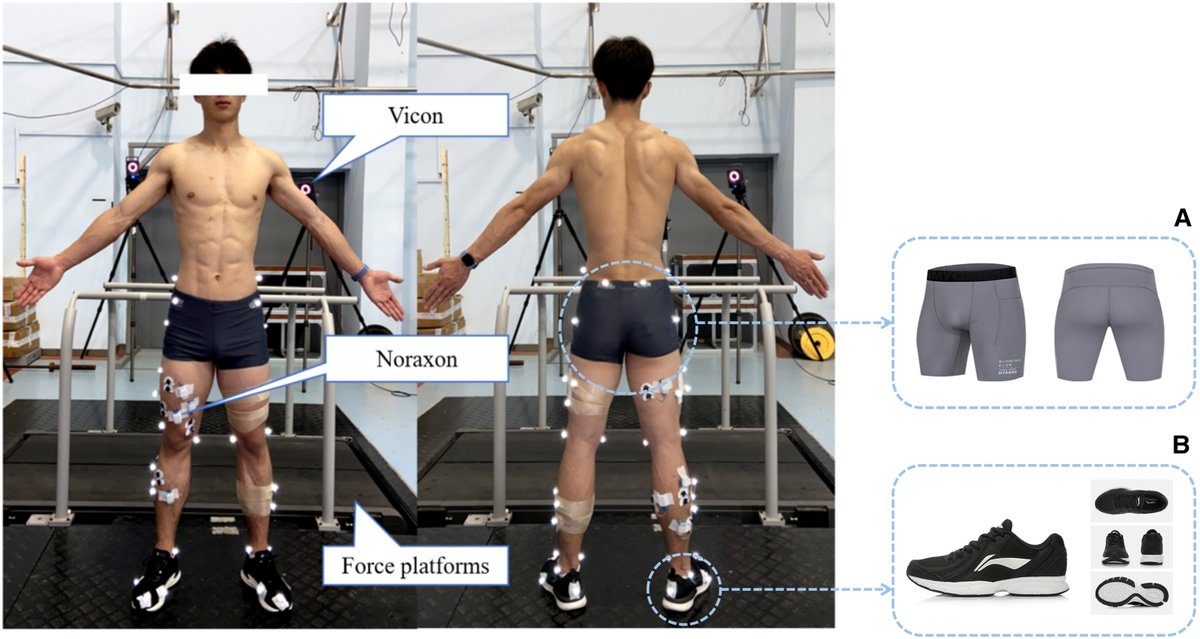
New paper led by Qin Zhang where we show that runners with greater muscle strength show lower muscle activation during running
Mechanistically, hypertrophy enhances a fibers’ force capacity, thereby decreasing the need to recruit motor units
Full-text
https://t.co/iT3tnd4mjJ
@DrJN_SportsMed Thanks James, great case of what not to miss. How old was the runner? Always interested in the age of onset for these inflammatory conditions.
@GregLehman Insane. <.5% absolute difference, nothing but statistical noise, coincidentally significant. When did we even start describing CI’s with 3 digits (1.001–1.15)
Adjusted for gender even protective for women OR .9 yet not significant. But in terms of risk same order of magnitude
Our new Viewpoint is out in @JOSPT
"Perplexing Pubic Pain: How Clinicians Might Approach Assessing and Managing Pubic-Related Groin Pain in Athletes"
Full paper: https://t.co/ZumbfzhnMy
A common bodybuilding strategy is to perform a single-joint exercise for a given muscle group immediately before a multi-joint exercise that targets the same muscle group. The rationale is that pre-fatiguing the target muscle may allow it to receive greater stimulation during the subsequent compound movement before fatigue in assisting muscles limits the set.
For example, during the squat the spinal erectors often become the limiting factor, fatiguing before the quadriceps. By first performing leg extensions to pre-fatigue the quads, the quadriceps may be pushed closer to their limit during the squat before the erectors fatigue and terminate the set.
Our recently published study put this theory to the test. We randomized 41 resistance-trained individuals to perform either a pre-exhaust protocol (leg extension → squat and leg curl → RDL) or a traditional straight-set protocol using the same exercises over 8 weeks.
Results showed similar improvements in strength and muscle power between groups. Interestingly, hypertrophy was slightly greater with the traditional protocol, possibly due to the substantially higher volume load accumulated during traditional training. On the other hand, the pre-exhaust approach was more time-efficient, reducing workout duration by about 36%.
Bottom line: Contrary to popular belief, pre-exhaust training does not enhance muscle growth and may even slightly compromise results. It’s a good reminder that what seems logical in theory doesn’t always translate into better outcomes in practice. 💪
https://t.co/bEzG25zUG9
🚶♀️A progressive walking program is superior to usual inpatient physical therapy for improving walking endurance in people with sub-acute stroke. 📢
Synopsis: https://t.co/DtXAh93Nei
Commentary: https://t.co/InscrtkFsT
@so_ycl@MS_Australia
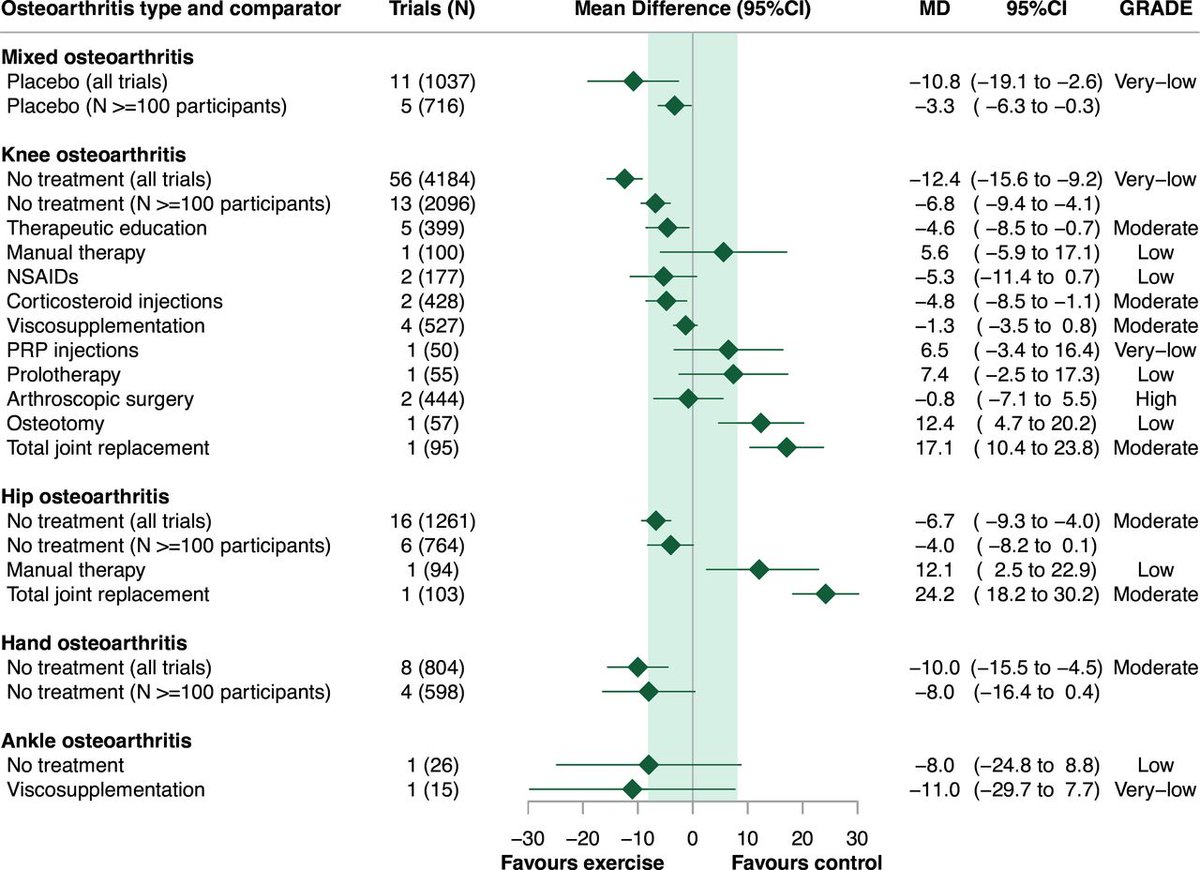
🏃♂️ Exercise for #osteoarthritis: smaller than we think?
Overview of systematic reviews + RCTs suggests exercise offers negligible to small, often short-term pain and function benefits across knee/hip/hand OA, with effects shrinking in larger and longer-term trials.
Often comparable to education, injections, NSAIDs, manual therapy, and arthroscopy, but less effective than osteotomy or joint replacement in selected severe OA.
🔓 https://t.co/RbcOtETEBu
As a heart surgeon, I rarely see patients harmed because they walked too little to reach 10,000 steps.
I see far more who never started because the goal felt impossible.
A major Lancet Public Health meta-analysis suggests ~7,000 steps/day already delivers much of the survival benefit — with ~47% lower mortality vs very low activity.
Have we set prevention targets too high?
Poll 👇
✅ 7k steps is enough
🚶 Keep 10k as goal
📈 Any increase matters
🤷 Targets don’t change behavior
#Cardiology #Prevention #ExerciseIsMedicine #PublicHealth #HeartHealth #Longevity #MedTwitter #CardioTwitter
Daily steps and health outcomes in adults: a systematic review and dose-response meta-analysis - The Lancet Public Health https://t.co/VsQ1uHszSk