A China-developed super-large-diameter slurry balance tunnel boring machine (TBM) has recently begun drilling a 2,824.8-meter section of a tunnel in Wuhan, central China's Hubei Province. With an excavation diameter of 15.09 meters, the 115-meter-long TBM weighs 4,300 tonnes.
🇸🇴🇹🇷 Turkish 7th-gen deep sea drill ship #CagriBey is continuing its steady cruise and is expected to arrive in brotherly Somalia April 9th, with #oilandgas#drilling ops scheduled to begin by the end of the month following a brief resupply stop. 🔥
China has announced a new policy to reach 15 gigawatts of solar thermal power by 2030, nearly 10 times more than today!
The goal is to make the cost of solar thermal power similar to that of coal power!
This is what happens when your country invests in technologies instead of funding wars!
Türkiye, çevresindeki büyük savaşların yarattığı yıkıma ve ekonomik sıkıntılara rağmen, eşi benzeri görülmemiş bir projeye imza attı.
Depremin vurduğu 11 ilde 174 ayrı alanda 3.481 şantiye kurduldu.
2 yılda 367 bin 995’i konut, 65 bin 672’si köy evi, 21 bin 690’ı iş yeri olmak üzere toplam 455 bin 357 bağımsız bölüm tamamlanıp vatandaşlara teslim edildi.
Bu sayılara göre; Nüfus bakımından Litvanya, yüzölçümü açısından Bulgaristan, İzlanda kadar alan inşa edilmiş oldu.
Deprem döneminde bölgeyi gezen Japon mühendisler, 50 yılda zor inşa edilir demişlerdi.
THE POWER OF BIOGAS PRODUCTION FROM ANIMAL WASTES
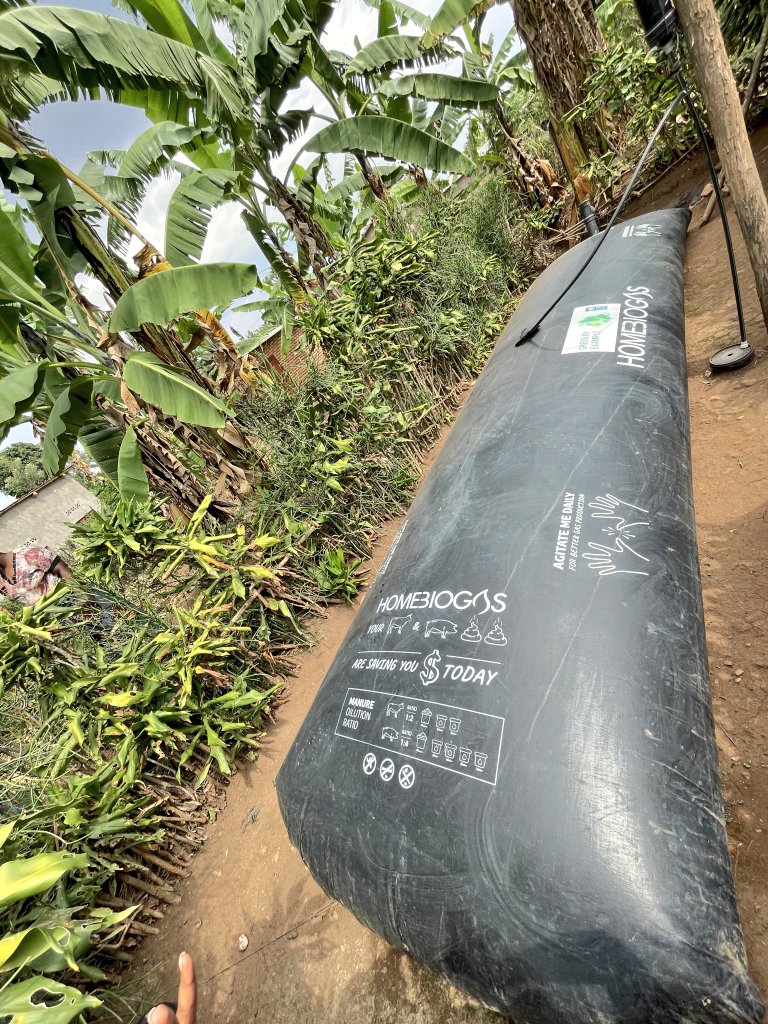
One of the greatest challenges and opportunities in modern agriculture lies in how we manage animal waste. The three images above tell a compelling story from a high-producing dairy cow, to the fresh dung it produces, to the remarkable technology that converts that waste into clean, usable energy. Together, they illustrate a complete and sustainable waste-to-energy cycle.
The High-Producing Dairy Cow:
This shows a classic Holstein Friesian cow the world's most productive dairy breed, easily identified by its distinctive black-and-white markings. Its enormously full udder signals peak milk production, making it a prized asset on any dairy farm. However, such high-producing animals also generate massive quantities of dung daily. A single dairy cow can produce between 25 to 40 kilograms of manure every day a significant waste management challenge for farmers worldwide.
Fresh Animal Dung;The Raw Material
It captures fresh cow dung on bare soil dark, moist, and rich in organic matter. Rather than seeing this as mere waste, progressive farmers today recognize cow dung as a valuable raw material. It is packed with organic compounds and microorganisms that, under the right conditions, can be broken down to release enormous amounts of energy. This fresh dung is the starting point of the biogas production process.
The Biogas Digester; How It Works
This explains the conversion process brilliantly. The fresh animal dung is mixed with water to form a liquid mixture called slurry, which is fed into the system through the slurry inlet. The slurry enters an underground digester tank, where it is broken down by anaerobic bacteria microorganisms that thrive without oxygen. This biological process, called anaerobic digestion, produces biogas, primarily composed of methane and carbon dioxide.
The biogas rises to the top of the sealed digester and is piped out through the gas outlet directly to a cooking stove or generator, providing clean, affordable energy for cooking, lighting, and heating. Meanwhile, the remaining material called digestate exits through the slurry outlet and serves as an excellent, nutrient-rich organic fertilizer for crops, closing the agricultural cycle beautifully.
Why This Matters
Biogas technology offers farmers a triple benefit, it solves the waste disposal problem, provides free renewable energy, and produces organic fertilizer. It reduces dependence on expensive cooking gas and chemical fertilizers while cutting greenhouse gas emissions significantly.
Conclusion
What was once considered a smelly nuisance is today a source of light, heat, and soil fertility. Converting animal waste to biogas is not just smart farming, it is transformational agriculture that empowers farmers economically while protecting the environment for future generations.
A new series of studies highlight pomegranate juice as a heart-protective elixir.
Drinking just one cup daily for one year has been shown to reduce the thickness of the inner carotid artery by up to 35%.
The benefits come from pomegranate’s high concentration of antioxidants and polyphenols, which combat inflammation, improve blood flow, and strengthen artery walls. Regular consumption could significantly lower the risk of heart disease and improve overall wellness.
This research emphasizes that simple dietary choices can have profound impacts on health. Incorporating pomegranate juice into a daily routine is an easy, natural way to support heart health and longevity.
@Kaarbaash We need to establish an endowment fund to collect donations from all residents of Khaatumo State, inside and outside the country, and create private farms for the armed forces and the police in order to reduce expenses on the state.
Palmfil is the world's first textile fibers and reinforcements extracted from the byproducts of pruning date palms.This is a company from Egypt(https://t.co/nnKcHsERks)that has succeeded in extracting many products from palm waste
#puntland#Khaatumo @MaxFAROLE @AHHirad@MOIFAD