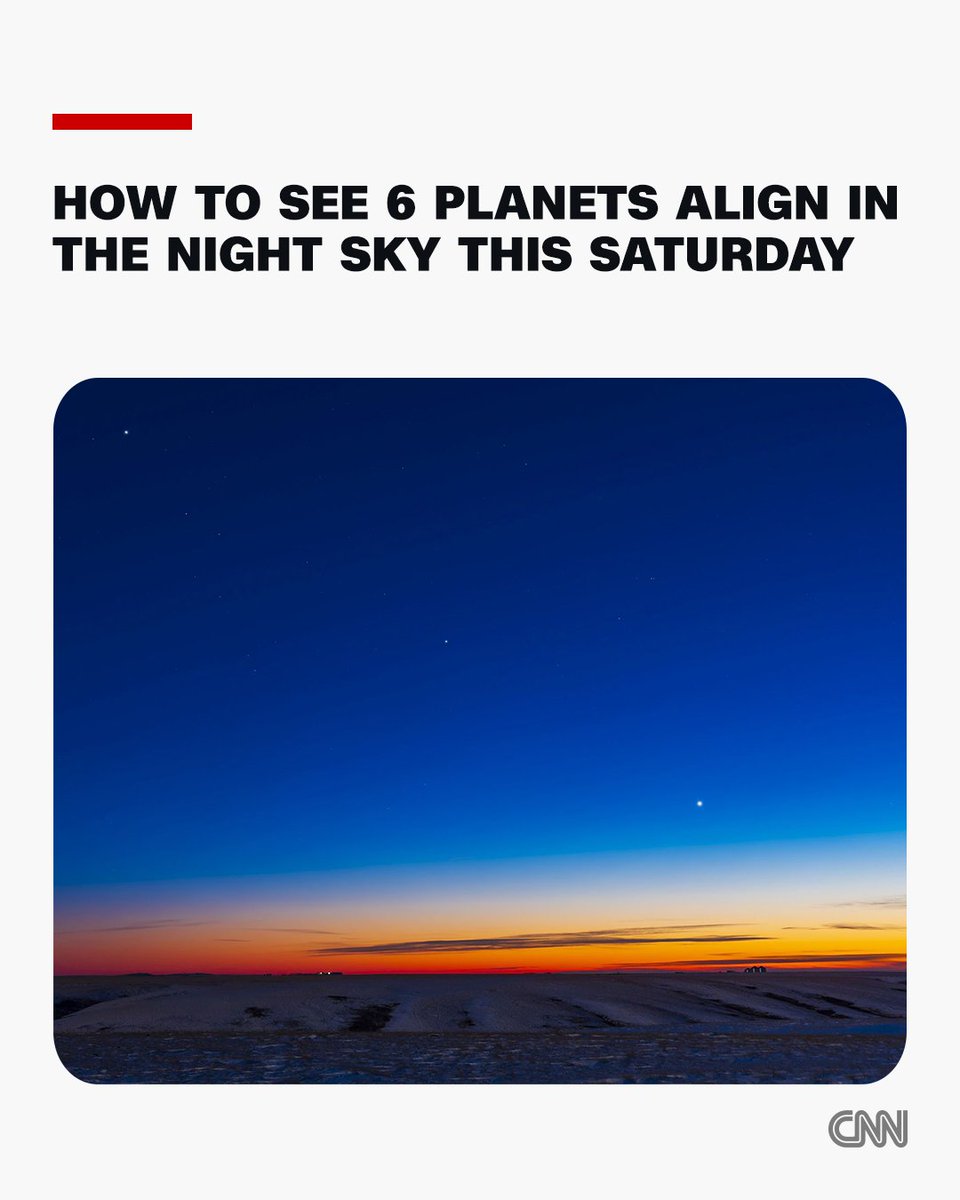
Witness a rare celestial event in the UAE as six planets, including Venus and Jupiter, align in a stunning 'planetary parade' on February 28. Don't miss this evening spectacle!
https://t.co/ZPv4EbPKTb
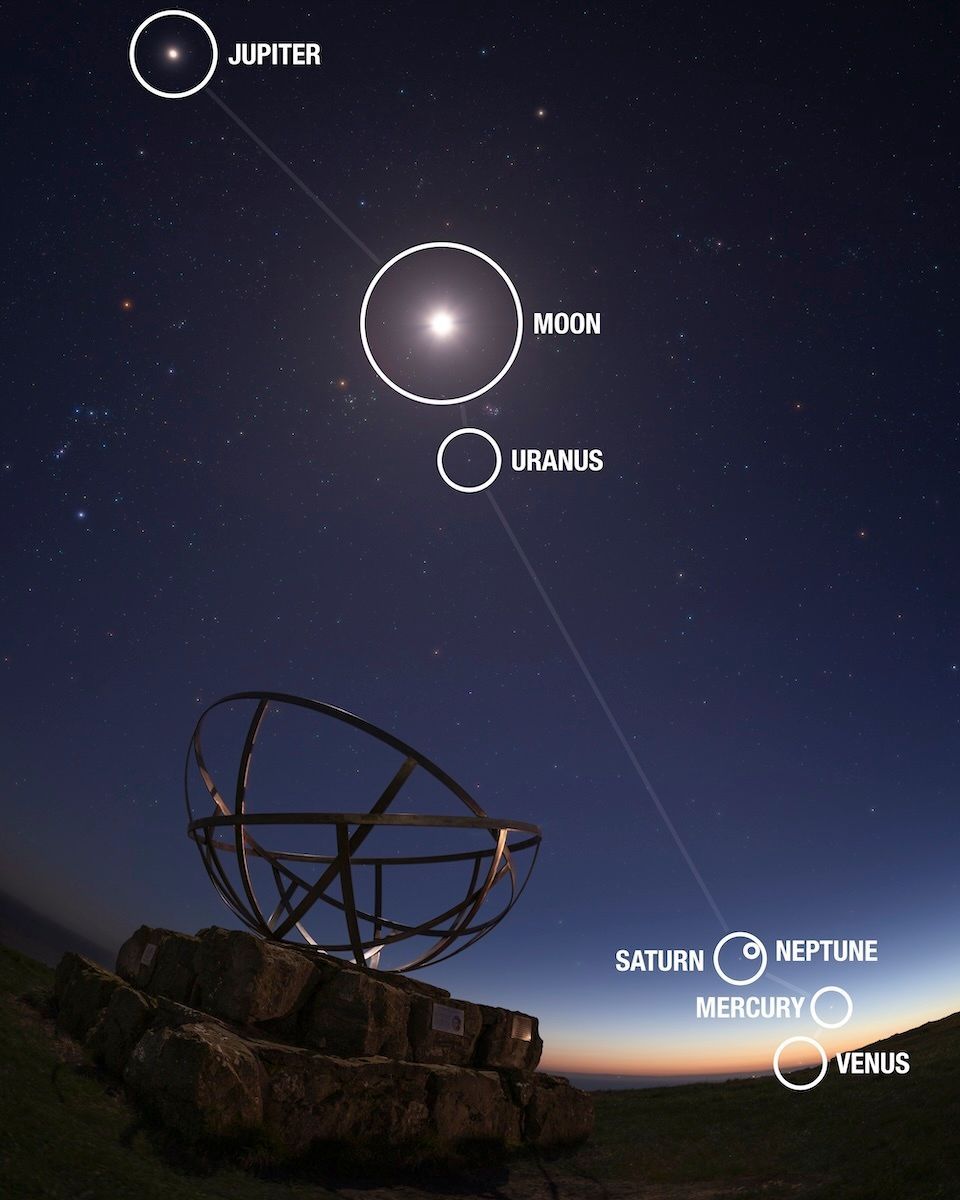
#PPOD: Planetary Parade 2026 🟠 🌙 🔵
With Mars on the opposite side of the Sun at dawn, only six planets were visible in this year's #planetaryparade, unlike last year, when all seven were in view.
"With original plans having been fluked by torrential rains, I was able to capture this image from Stonehenge. Not an easy capture. With the change in light, it was possible to capture Venus for a short time before setting. What made it more special was the thin, crescent moon that joined the parade to make for a stunning sight and planetary gathering."
The timing of this shot was critical for the fainter planets, and astrophotographer @Josh_Dury cross-referenced planispheres to confirm their location.
Credit: Josh Dury
#planetaryscience
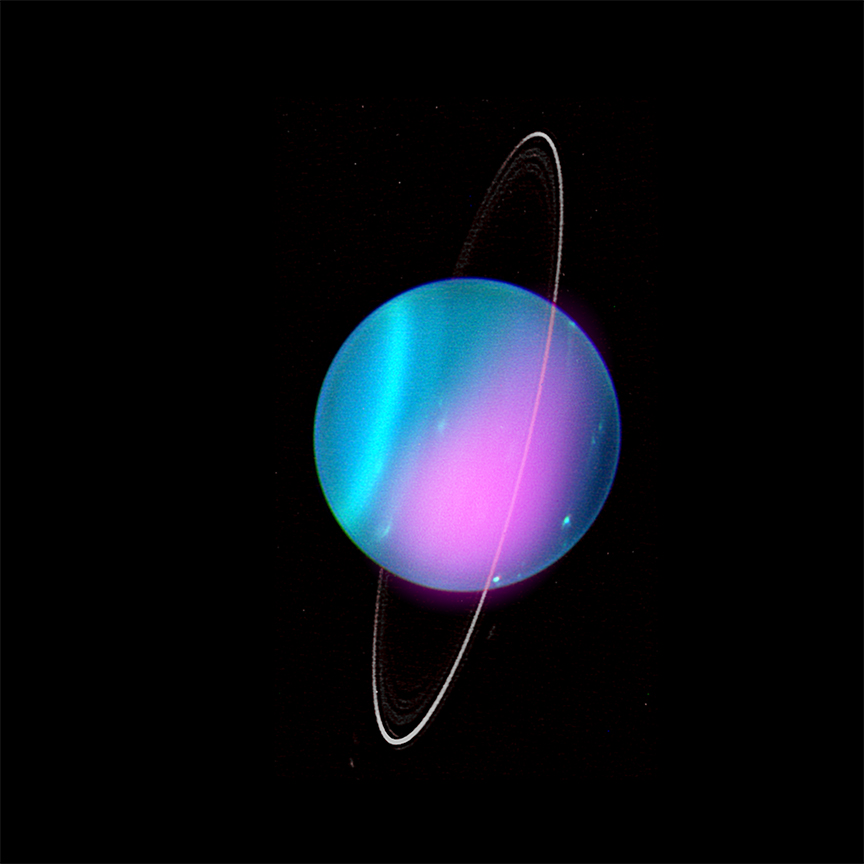
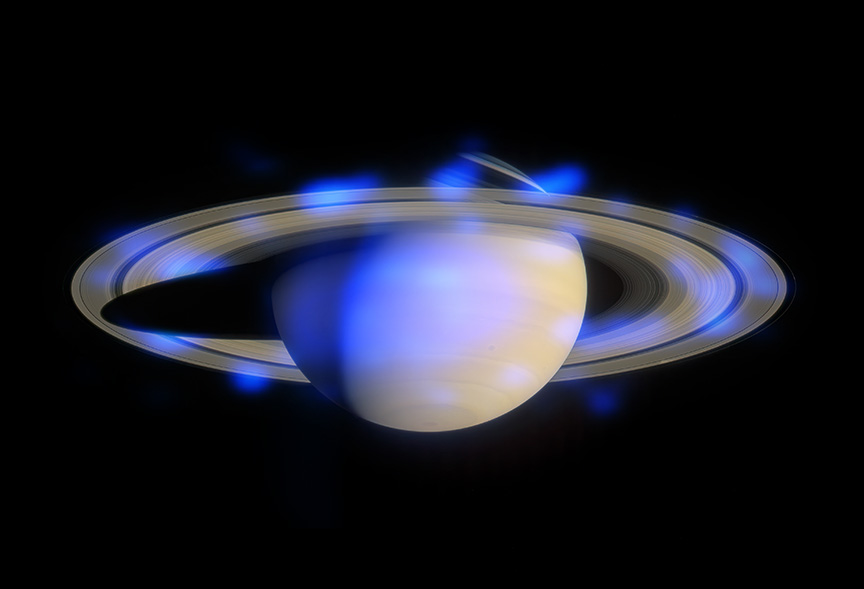
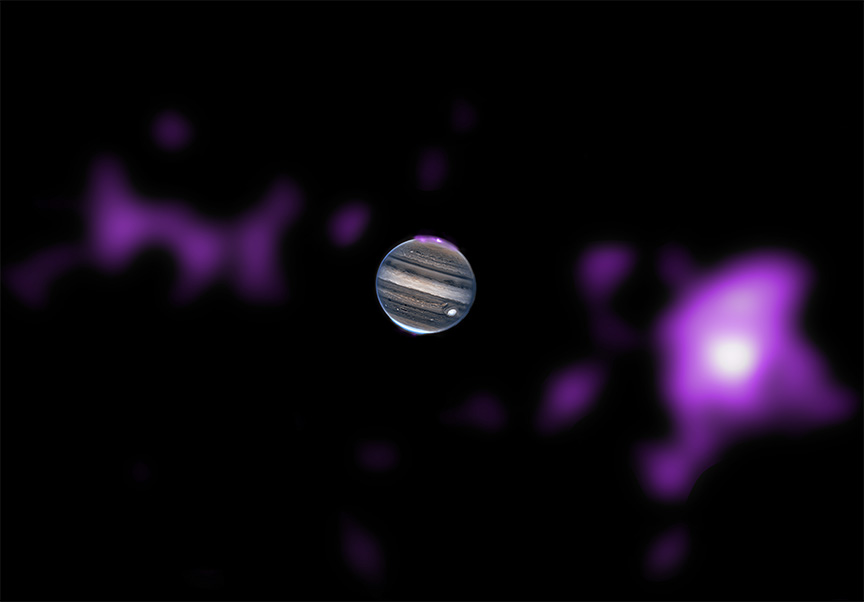
On February 28, people in the Northern Hemisphere can spot not one, not two, but six planets in the evening sky. To commemorate this "planet parade," three new Chandra sonifications of data of Jupiter, Saturn, and Uranus have been released.
LISTEN HERE: https://t.co/1spAZqyxSp
On Saturday, Mercury, Venus, Jupiter and Saturn will be visible to the naked eye if clear skies allow. Uranus and Neptune can only be spotted with binoculars and telescopes. https://t.co/E0EyaBLpOA
Stargazers will soon have an opportunity to view six planets in alignment in the night sky, according to NASA.
Mercury, Venus, Neptune, Saturn, Uranus and Jupiter will take part in a rare planetary parade on Saturday, the space agency said. https://t.co/GJ4LHksqbb
Peaking on February 28th in the Northern Hemisphere, six planets will all be visible from clear & dark night skies. In celebration of this planetary group project, Chandra is releasing three new planetary sonifications. Experience the data-driven sounds of Uranus: