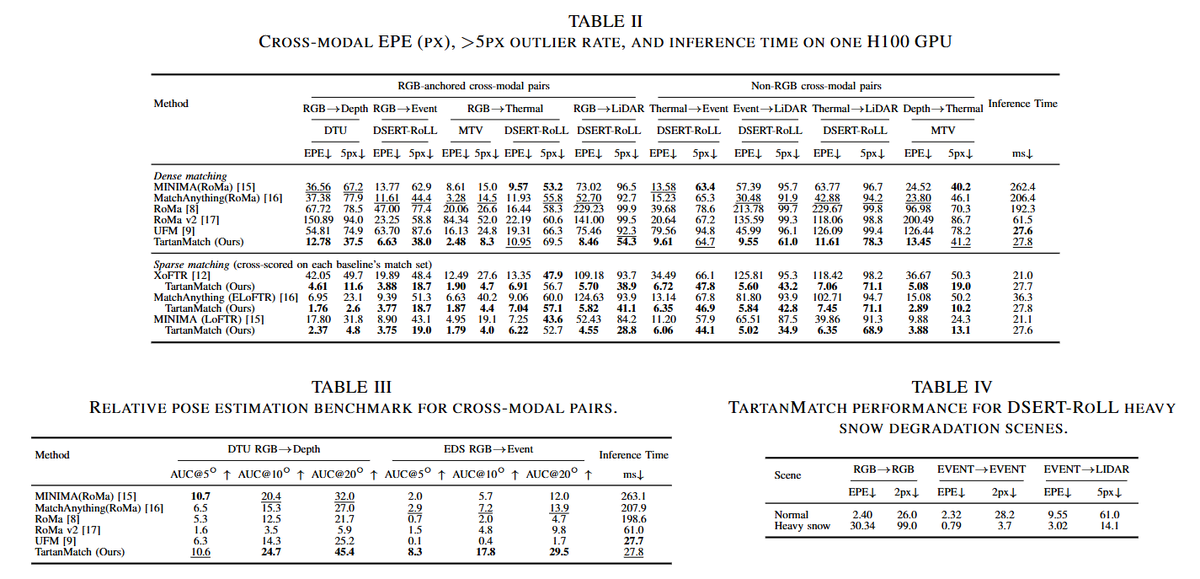
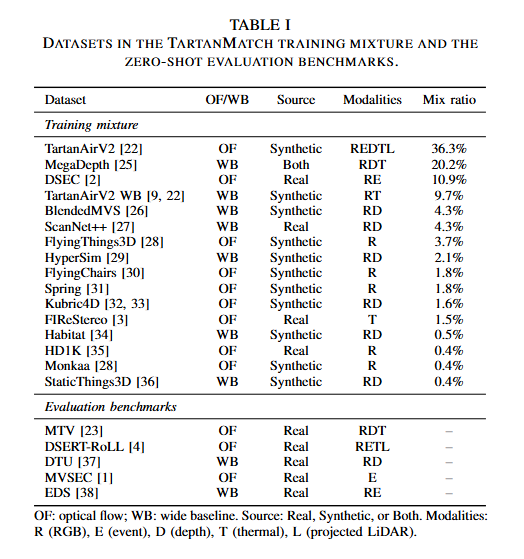
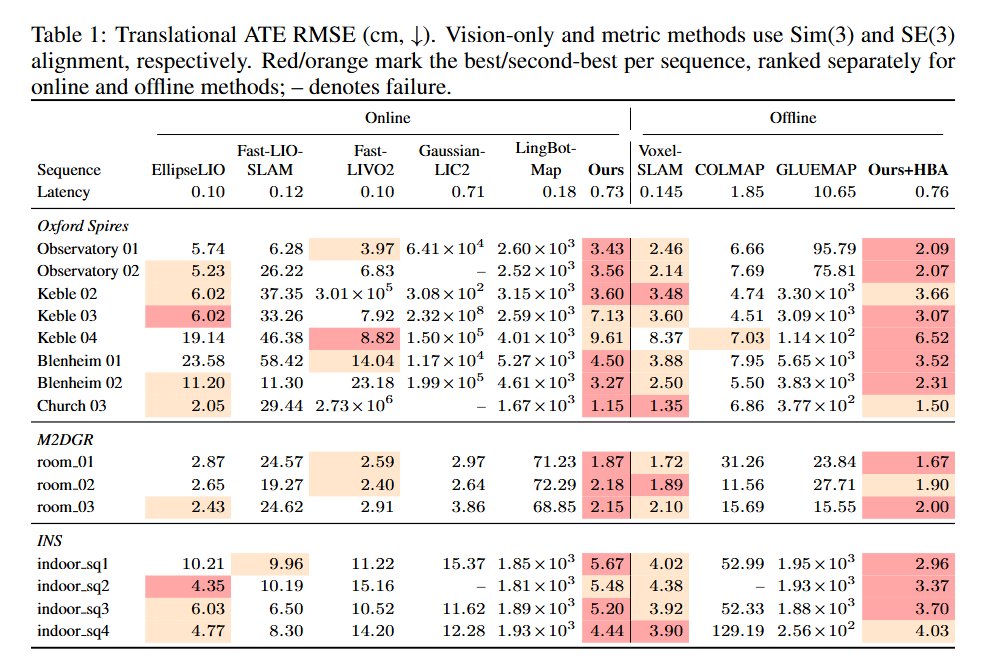
Joint work with @YiwenZhangYZ, @ang3linawang, and @ElorHadar at Cornell Tech.
Paper: https://t.co/jDrHfiIUKX
Project Page: https://t.co/59aOWjpAhN
Code: https://t.co/ikvQrUFvnO
Data: https://t.co/UhiKg9P98H
interpretability might be the most important scientific problem in the world right now, as I don't think we can solve alignment if we don't know what we're building. I think I have good news about it. I co-authored early work in mechanistic interpretability at OpenAI and came away pessimistic, because neural networks appeared to fold into arbitrary tangled knots. years later, I started openai's first large-scale automated interpretability project, finding about 2% of neurons legible with the primitive tools we had
with modern agentic tools and a much closer look, the picture looks totally different. the vast majority in models up to trillions of parameters are legible, and their circuits beautiful. many famous examples of tangled neurons turned out to be misunderstood. The roadblocks I expected mostly aren't there. I now think ambitious interpretability will be solved by the time we need it most, and possibly quite soon, as automated scientists keep improving. it may be a bitter lesson for interpretability: the simple thing, at absurd scale, works
https://t.co/zHij5zwKGT
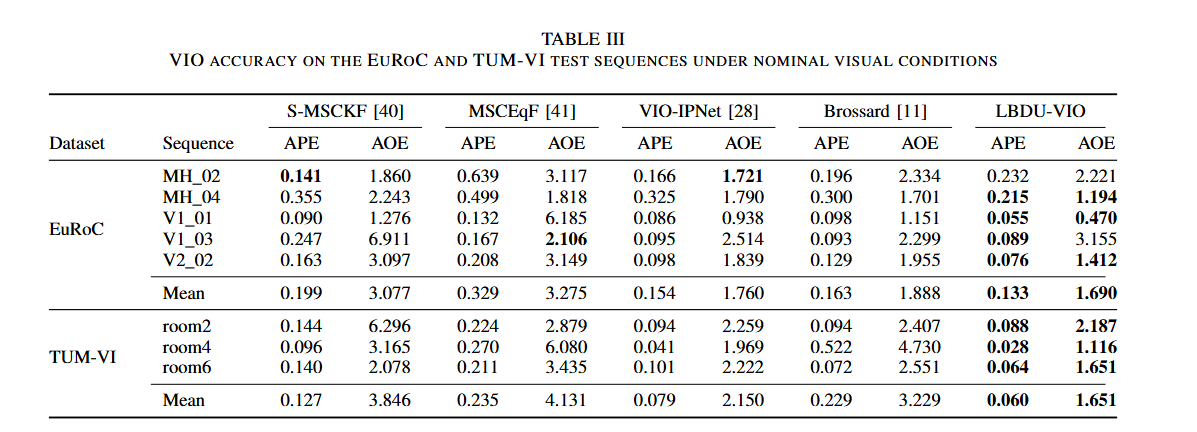
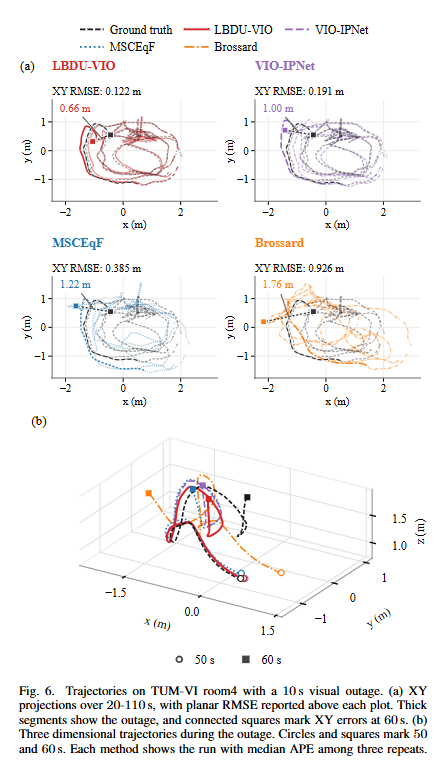
@ShiboZhaoSLAM Hi Shibo, thanks for organizing this! Two quick questions: will the session recording be shared, and will the Top-10 teams' reports (and code) be released publicly? Would be a great resource for folks working on generalizable IMU odometry. Thanks!
Does the VGGT Family Need All Its Layers?
TL;DR: VGGT-style 3D models contain substantial layer redundancy. Systematic pruning reveals early/late removable regions, while simple linear calibration recovers accuracy—cutting aggregator parameters by up to 44% without end-to-end retraining.
https://t.co/iPh8nCs9hT
Today we release Poincar3, our newest 3D model trained entirely through SSL on RGB image sequences.
I find the coolest thing is that, without labels, it learns multi-view geometry. Just using the attention map, reliable tracks can be formed (see below).
https://t.co/P1nShNSMR6
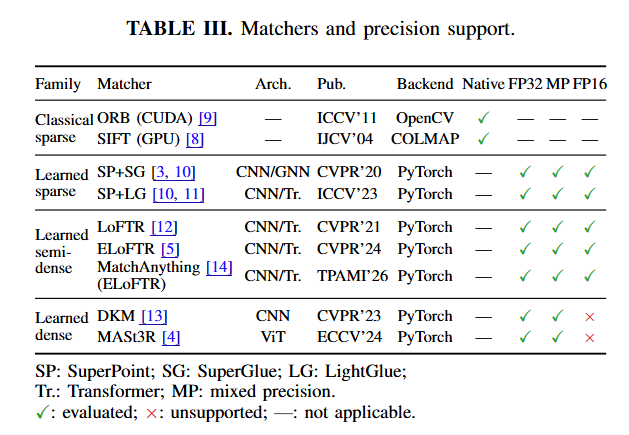
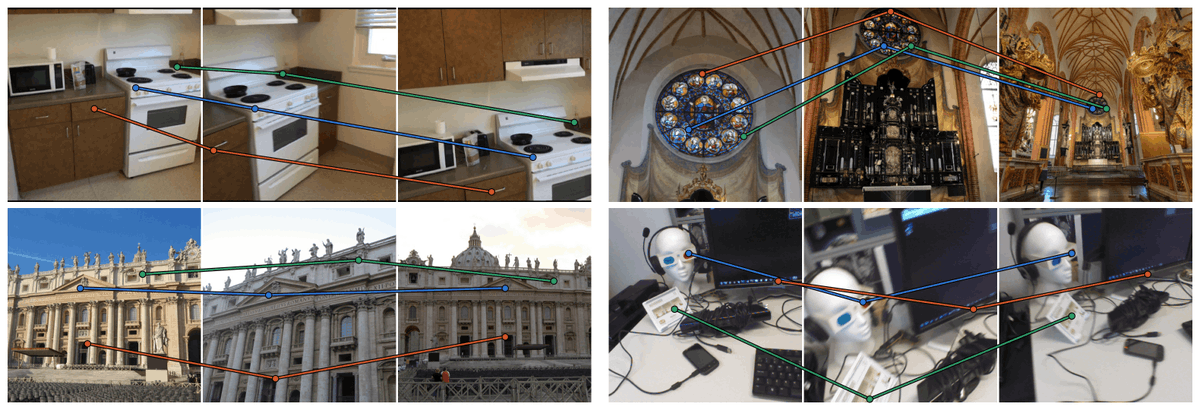
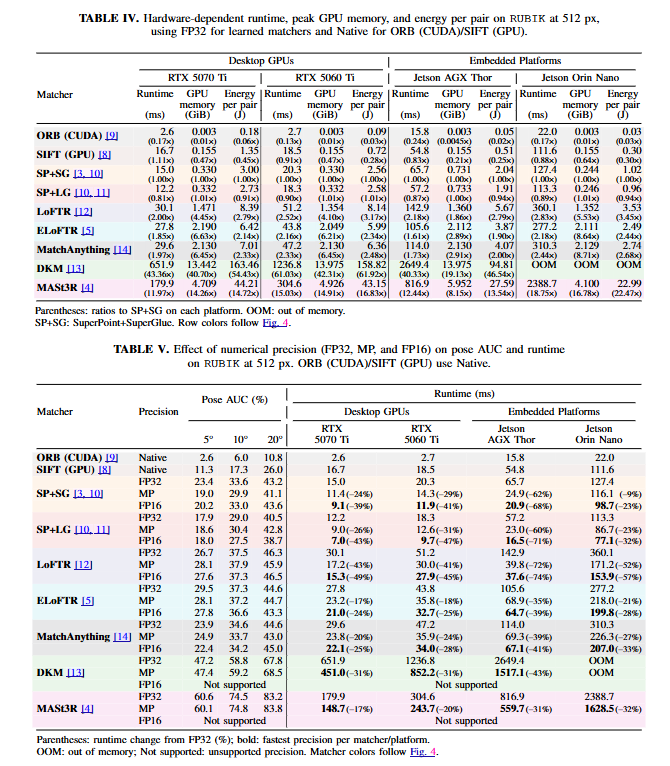
MatcherCompass: A Deployment-Aware Benchmark to Guide Image Matcher Selection in the Wild
Hyunwoo Kim, @GiseopK
tl;dr: in title
https://t.co/lcMTNmzsZ0
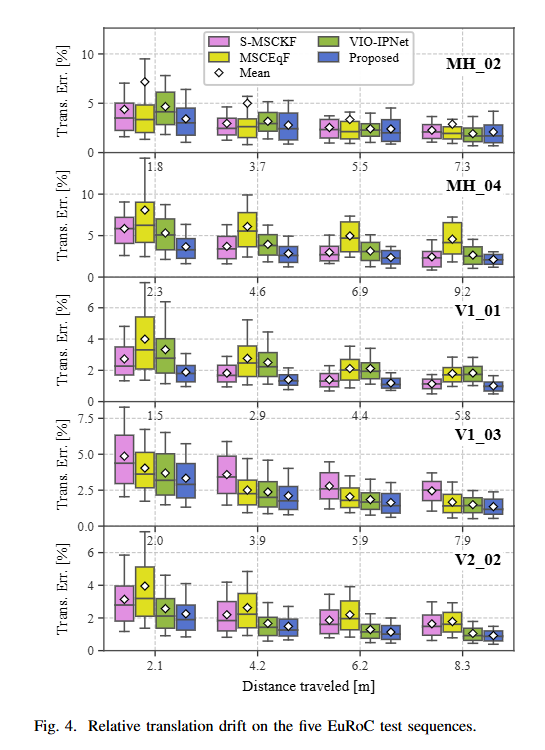
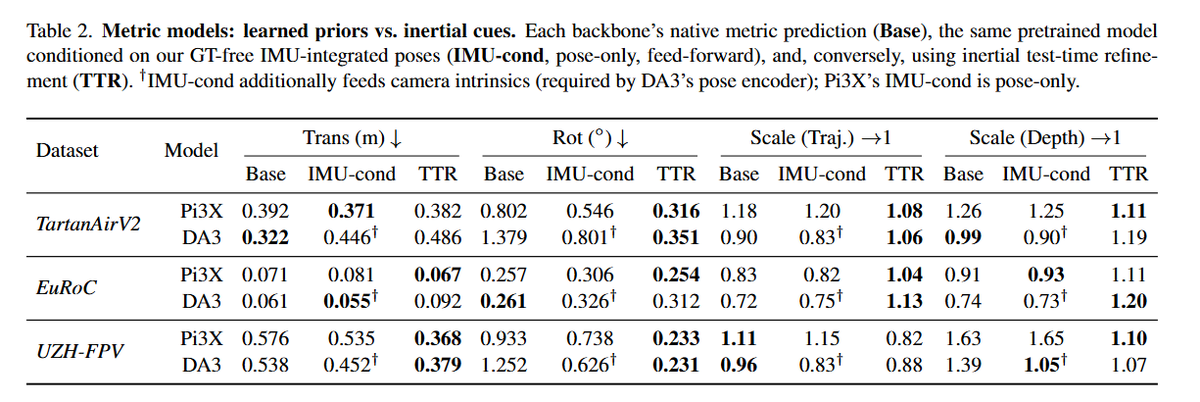
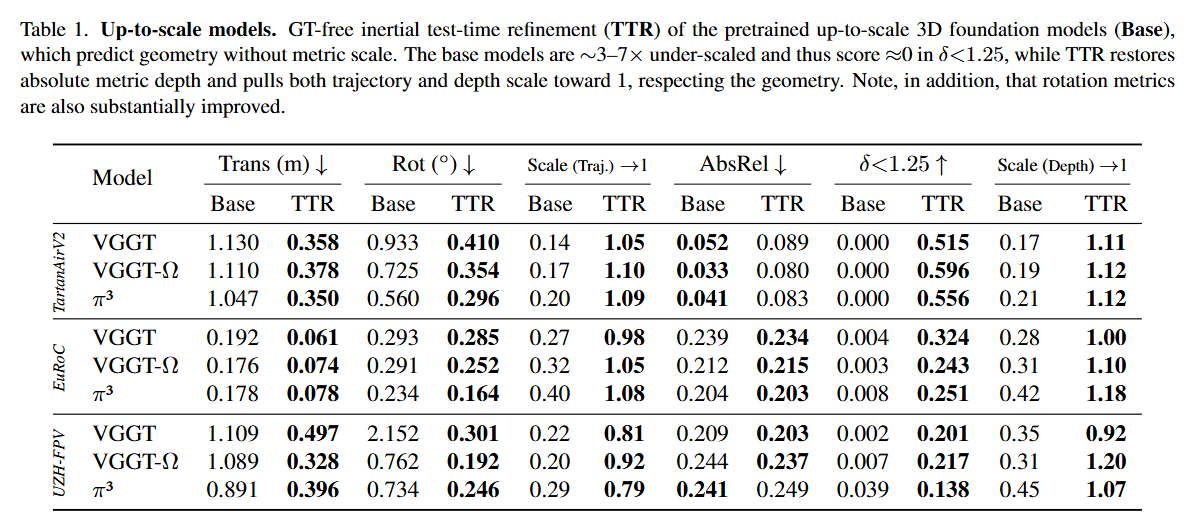
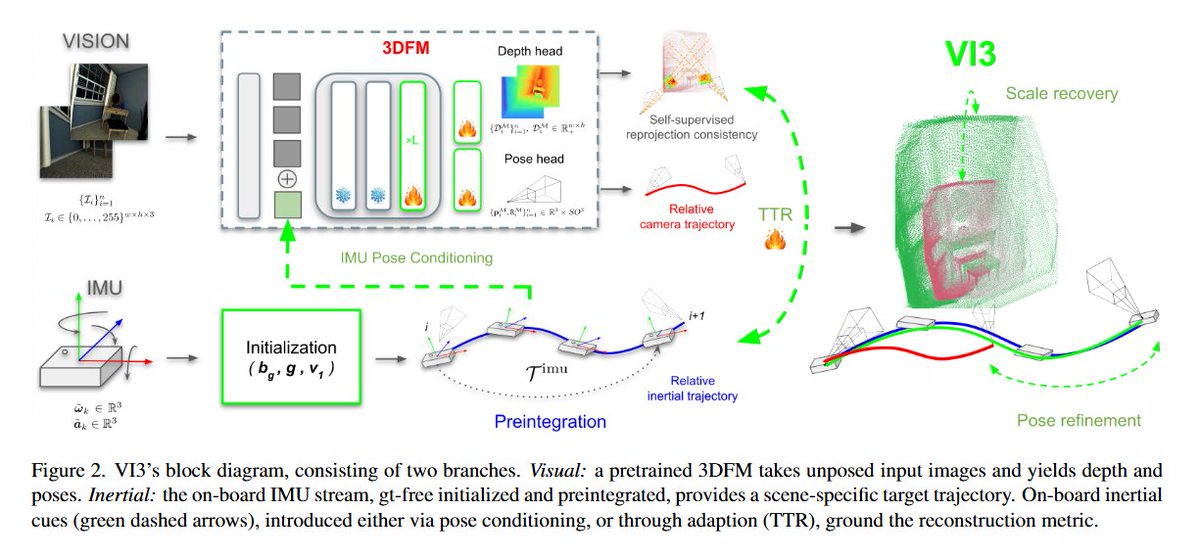
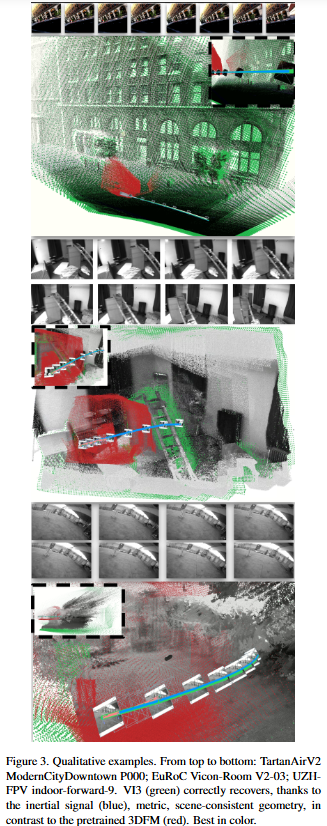
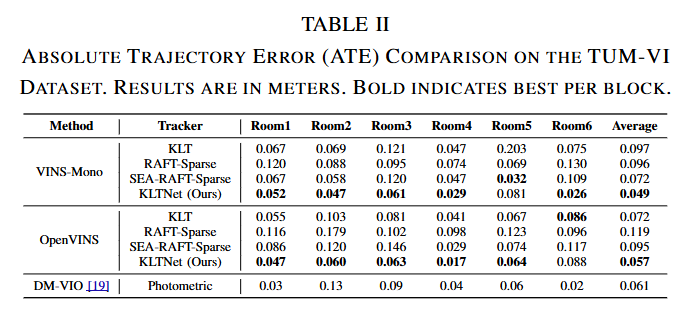
VI3: Grounding Pretrained 3D Foundation Models with Inertial Cues
Ernesto Lozano, Alberto Jaenal, @jcivera
tl;dr: IMU + 3D foundation model (3DFM)->metric 3DFM
https://t.co/oB2jXrSuuU
COLMAP 4.2 just released with LoMa, AMD acceleration, and a browser based viewer for COLMAP!
I'm most excited that spherical camera matching is also getting faster and more accurate!
Here's my talk from the CVPR 2026 "Bitter Lessons" workshop earlier this summer. I've split it up into parts for the sake of discussion.
Part 1: in which I wax poetic about my youth and force the audience to look at my dissertation results.
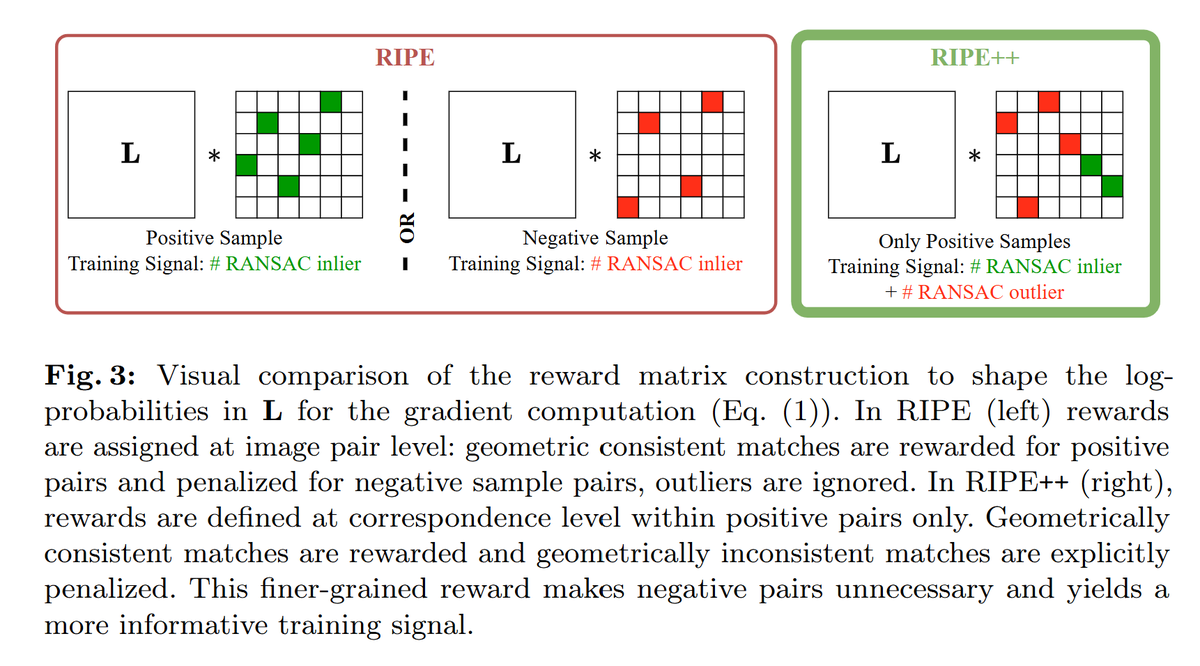
RIPE++: Reinforced Keypoint Learning from Positive Pairs Only
Johannes Künzel, Peter Eisert, @HilsmannAnna
tl;dr: RIPE using positive pairs only; supervised with # RANSAC inlier+ # RANSAC outlier
https://t.co/CCYo3KoZzt
4DGS from a single camera.
4DAnyone Create Anyone in 4D from a Casual Monocular Video (SIGGRAPH Asia)
Project: https://t.co/jvxJ7QkUpN
Code (Apache 2.0): https://t.co/MB2skadLQP
Model: https://t.co/6xSUSzdrw9