To George and Laura, Bill and Hillary — we're grateful for your friendship, counsel, and devotion to this country. And to Joe and Jill, thank you for being on this journey with us.
We all know she had her moments but Nanna was an unforgettable woman. We’ll be holding a small memorial service for her this Friday at Kirkdale Community Centre
I see your profile picture. That’s Johnny Cash. My hero too. Arrested seven times. Smuggled 668 amphetamines across the Mexican border in 1965. Took every drug there was and drank like I did. Cheated on his first wife. Slept with more woman than I ever did. Hit bottom in a cave in Tennessee in 1968 trying to crawl off and die. And then he got up. He got clean. He spent the rest of his life singing for prisoners and addicts and the people the country threw away because he knew he was one of them.
That was the whole point of the Man in Black. He wore it for the poor and the beaten down. He wore it for the prisoner who has long paid for his crime. He wore it for the ones who never heard a word of Jesus. He wore it for the addicted and the dying. He wore it as a standing witness that no one is past saving.
You picked his picture. You did not pick his message. Try listening to the words.
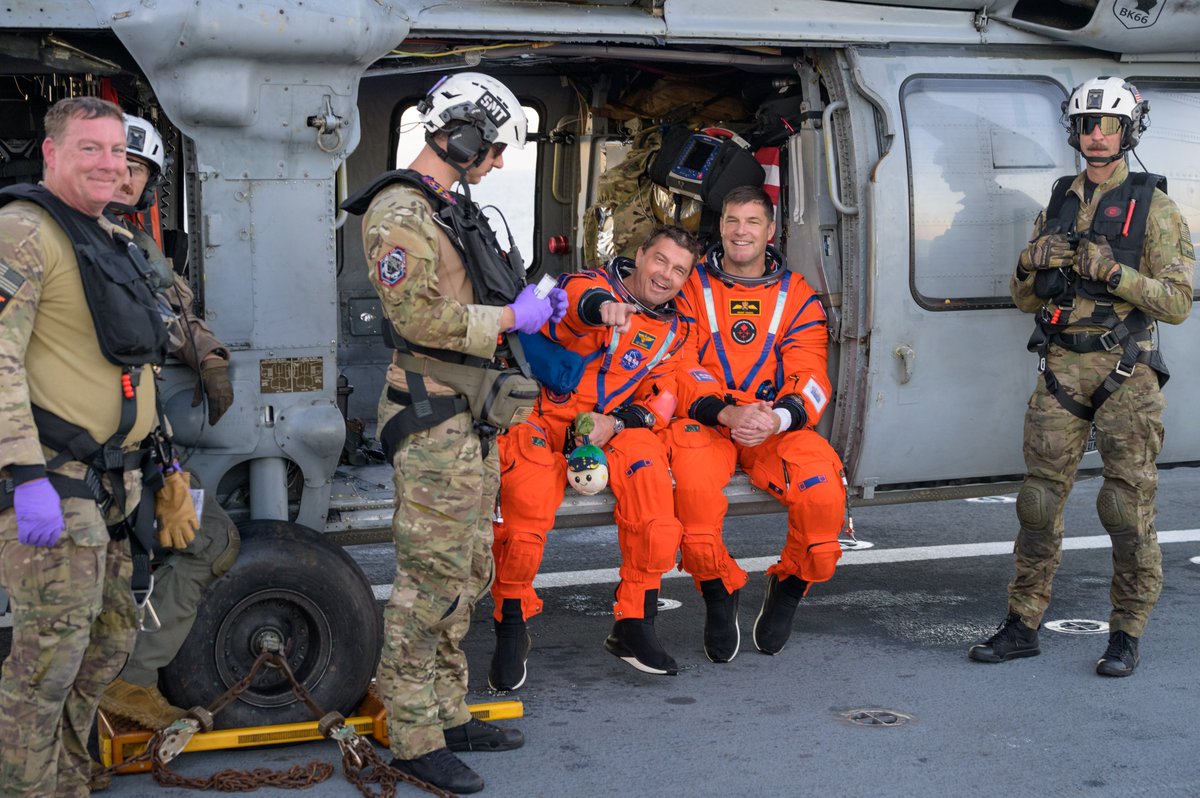
A new milestone for humankind: The crew of Artemis II are now the farthest any human has ever travelled, reaching a maximum distance of 252,752 miles from Earth.
This surpasses the previous record set by Apollo 13 in 1970 by about 4,102 miles.
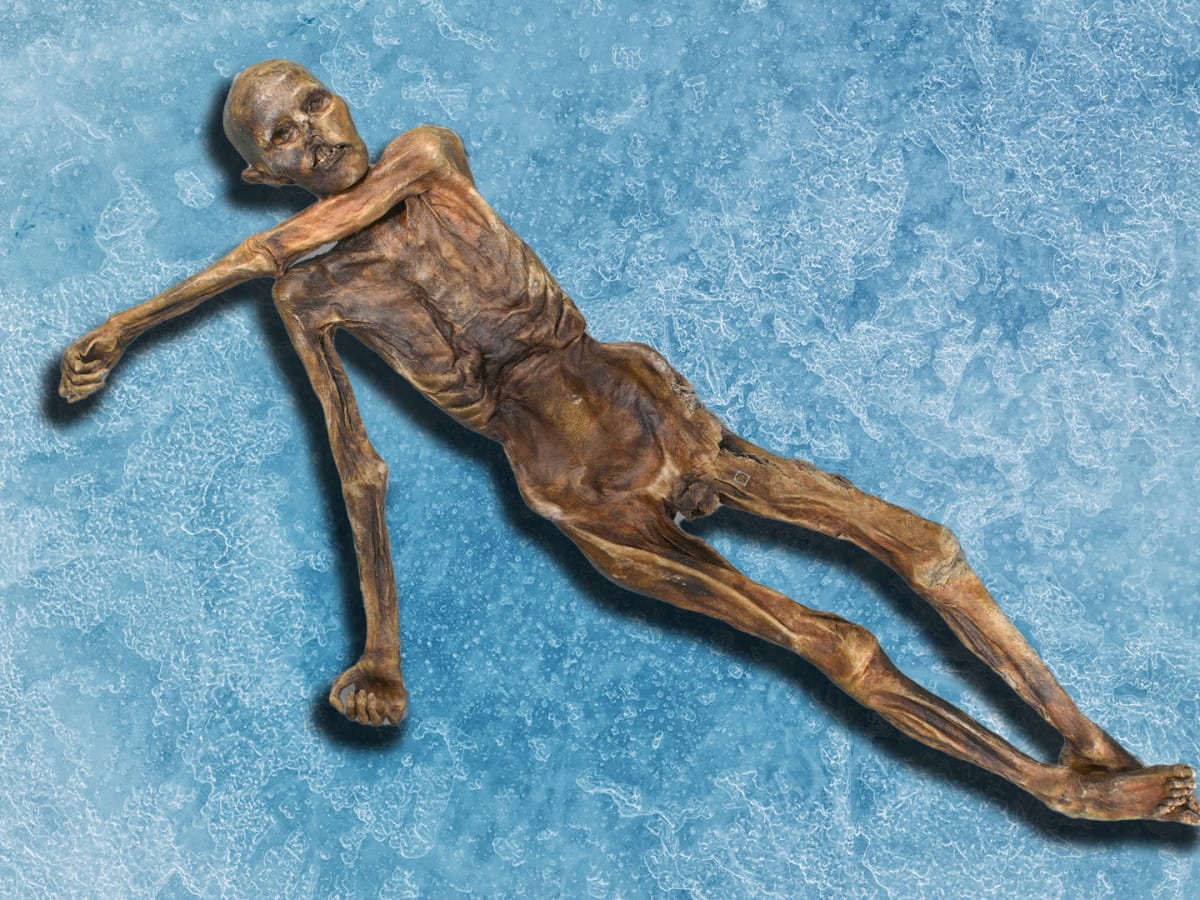
On September 19, 1991, two German hikers named Helmut and Erika Simon were making their way across a high ridge in the Ötztal Alps when they spotted a body partially embedded in the ice.
They assumed they had found a lost mountaineer. They reported it to the authorities. The authorities assumed the same thing.
It took several days, and some increasingly confused experts, before anyone began to suspect that the man in the ice had not recently gotten lost on a hiking trail.
He was 5,300 years old. He had been lying there, preserved by the specific conditions of that particular glacier, since the Copper Age. By the time the Simons found him, every human civilization either of them had ever learned about in school had risen and fallen while he waited in the ice.
His name, eventually, was Ötzi.
Over the following three decades, scientists subjected him to every analytical tool available, and then waited for better tools to be invented and applied those too.
They reconstructed his last meal: ibex meat, red deer, einkorn wheat, eaten within roughly thirty minutes of his death. They found pollen from a hop hornbeam tree in his clothing, which placed him in a specific valley at a specific time of year.
They identified 59 tattoos, placed along joints and pressure points in patterns that correspond so closely to acupuncture meridians that researchers still argue about what that means. They found in his DNA the oldest known case of Lyme disease, and evidence of a genetic predisposition to cardiovascular disease, and the fact that he was probably lactose intolerant.
They knew what he ate for his last meal before they knew how he died.
When they found out how he died, the entire frame of the investigation shifted.
There was an arrowhead lodged in his left shoulder. It had penetrated the subclavian artery.
He would have bled out within minutes, probably faster. The arrow's shaft had been removed, either by Ötzi himself in the moments before he lost consciousness, or by whoever shot him, covering their tracks. His hand showed defensive wounds.
He had someone else's blood on his clothing from at least four different individuals.
Ötzi did not get caught in a storm. He did not fall. He did not wander onto a glacier and succumb to exposure. He was shot in the back during what the forensic evidence strongly suggests was a violent and deliberate attack, by someone who knew him well enough to get close, or was skilled enough not to need to.
Nobody was ever charged. There are no suspects. The case is, technically, still open, which makes it the oldest unsolved murder in human history by a margin so large it is difficult to process.
Somewhere in the Copper Age, someone had a reason to kill this specific man, on this specific ridge, and then disappear back into a world that left almost no written record of anything. We know what Ötzi had for breakfast. We know his genetic risk factors.
We know the season and the approximate time of day. We have reconstructed thirty minutes of his final afternoon with more precision than most modern crime scenes allow. We have no idea who killed him or why. We probably never will.
#drthehistories