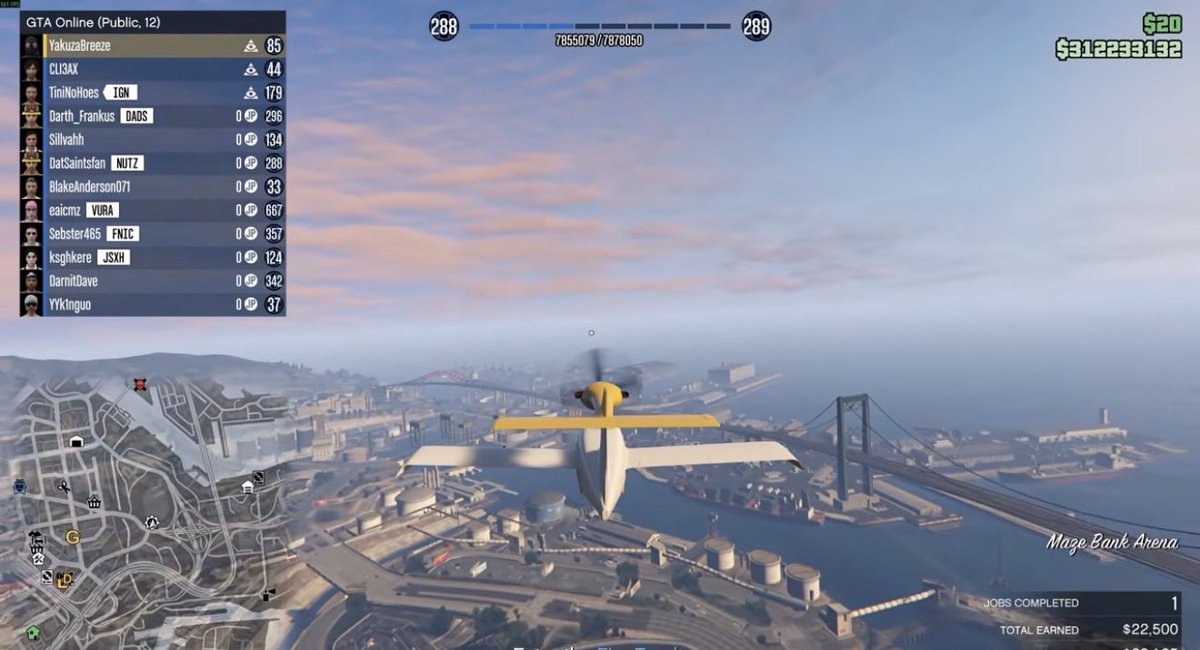
Bought $TTWO after seeing the GTA VI leaked footage.
Forget the graphics. Unpolished gameplay is showing a massive leap in world density, NPC behavior and systemic depth. The world feels alive.
First real evidence GTA VI may actually be a generational leap.
That’s the signal.
Story Time: Marvel's iconic comic reports from the 90s
In 1989 an American leveraged-buyout investor, Ron Perelman, buys Marvel Entertainment Group for ~$82.5M. Two years later $MRV IPOs at $16.50 a share with the rise of comic book culture. Comics had become a cultural phenomenon, we are talking a quarter billion dollars in sales annually. The market had ballooned into a classic speculative bubble with people hoarding new issues and trading cards.
Gary Fishman, who ran a Wall Street Investor Relations firm and had read comics his whole life, contacted Marvel CEO Bill Bevins to offer his help. His first task was the upcoming quarterly report to shareholders. Working with editor Glenn Herdling, they turned the shareholder reports into comic books, transforming legal copy and financials into story and art.
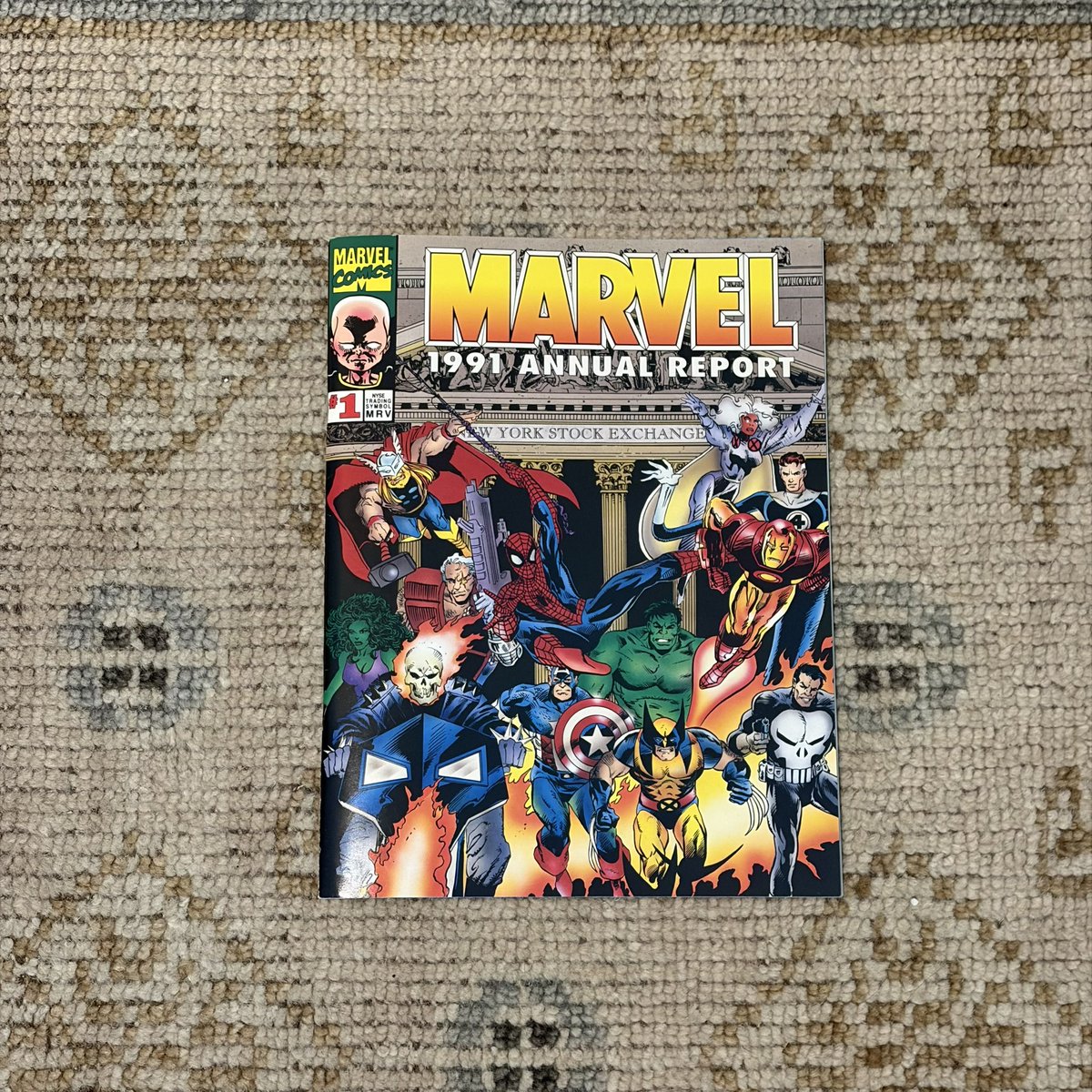
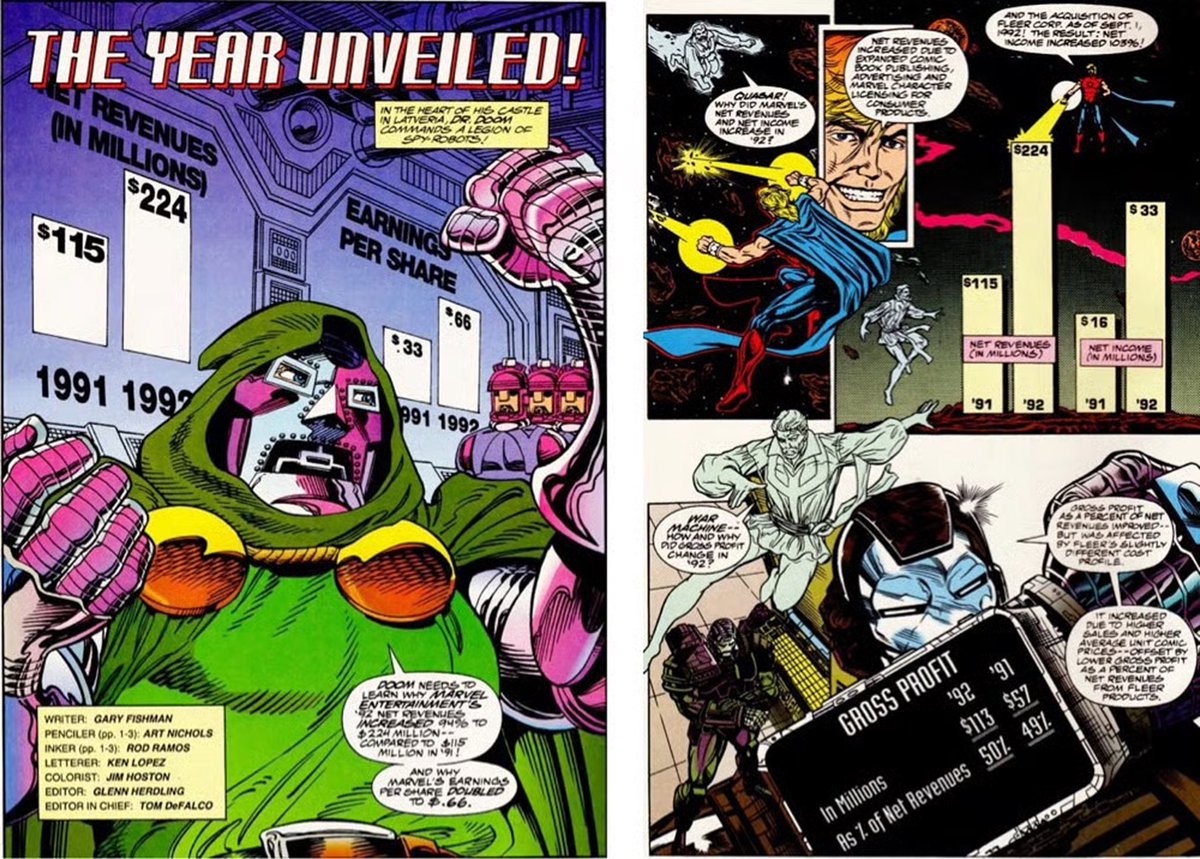
(Spider-Man swinging into the NYSE on the cover of the first 1991 quarterly report) It was a cultural hit, and was followed up by an even more impressive 36-page annual report. (1991 Annual Report cover: the Marvel Universe roster approaches the NYSE, narrated by Uatu the Watcher) Inside, Spider-Man and the Incredible Hulk discuss net income, publishing revenues, and earnings per share. These reports were heavily praised and a glimpse at Marvel’s cultural dominance to come.
Five years later the bubble pops and Marvel filed, Chapter 11 bankrupcy. It still owned Spider-Man, the X-Men, and the Avengers. Every character on that annual report cover was still on the balance sheet, worth less than the debt stacked against them. Broke, the company rented them out cheap. Blade to New Line. X-Men to Fox. Spider-Man to Sony. In 2009 Disney bought the whole library for four billion dollars.
The IP was never the problem. Marvel valued the cardboard more than the characters.
Story Time: Marvel's iconic comic reports from the 90s
In 1989 an American leveraged-buyout investor, Ron Perelman, buys Marvel Entertainment Group for ~$82.5M. Two years later $MRV IPOs at $16.50 a share with the rise of comic book culture. Comics had become a cultural phenomenon, we are talking a quarter billion dollars in sales annually. The market had ballooned into a classic speculative bubble with people hoarding new issues and trading cards.
Gary Fishman, who ran a Wall Street Investor Relations firm and had read comics his whole life, contacted Marvel CEO Bill Bevins to offer his help. His first task was the upcoming quarterly report to shareholders. Working with editor Glenn Herdling, they turned the shareholder reports into comic books, transforming legal copy and financials into story and art.
(Spider-Man swinging into the NYSE on the cover of the first 1991 quarterly report) It was a cultural hit, and was followed up by an even more impressive 36-page annual report. (1991 Annual Report cover: the Marvel Universe roster approaches the NYSE, narrated by Uatu the Watcher) Inside, Spider-Man and the Incredible Hulk discuss net income, publishing revenues, and earnings per share. These reports were heavily praised and a glimpse at Marvel’s cultural dominance to come.
Five years later the bubble pops and Marvel filed, Chapter 11 bankrupcy. It still owned Spider-Man, the X-Men, and the Avengers. Every character on that annual report cover was still on the balance sheet, worth less than the debt stacked against them. Broke, the company rented them out cheap. Blade to New Line. X-Men to Fox. Spider-Man to Sony. In 2009 Disney bought the whole library for four billion dollars.
The IP was never the problem. Marvel valued the cardboard more than the characters.