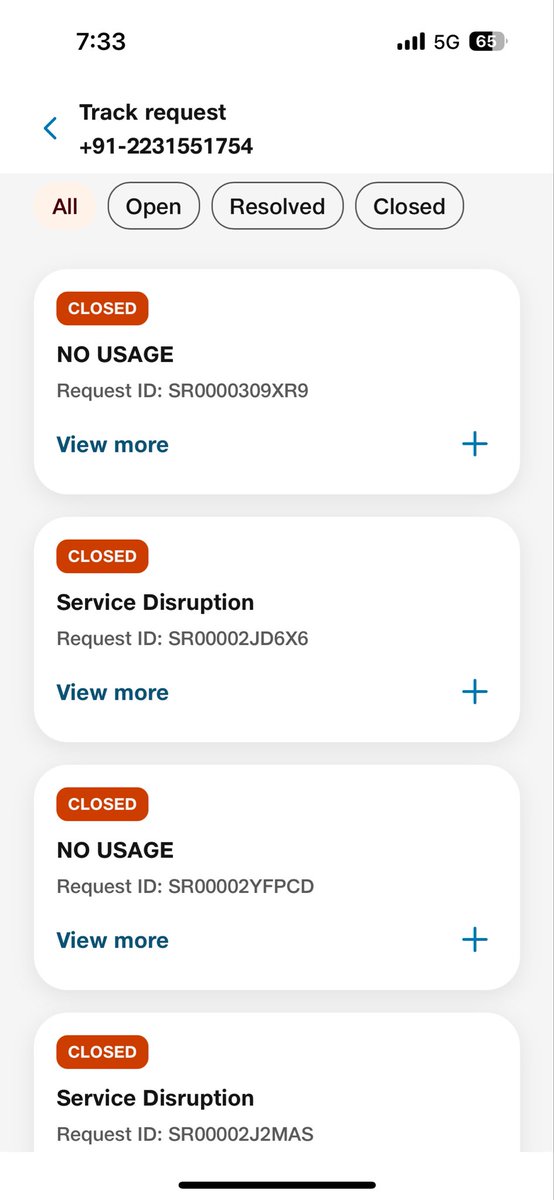
Hey @JioCare , you have lost me as a customer due to your pathetic services and sloppy customer service handling. I had Jiofibre connection which stopped working on 26th January. Had put multiple request for engineer visits but no one really did. Finally got a new connection from another service provider and put up a request for cancellation of connection on 4th February. Even that request has not been fulfilled and now bills have been generated and auto debited from my account. This is unacceptable. I am not interested in your services anymore and also I feed other service provider do value their customers more. Please cancel my connection and do not expect any payment from my in future (if you continue generating bill fraudulently).
I have attached screenshots of all service request raised. All closed without any resolution. This is abominable @reliancejio
I have had so many patients with CAC 0 and catastrophic disease. This surely doesn’t hold true for south Asians who have mostly soft/ non-healed (we know plaques heal by calcification) highly active inflammed plaques. Also, in India CT-CAG is easy available and quite affordable and serves as a great tool for initiating preventive therapies in an apparent ‘healthy’ zero CAC individuals.
Would like to hear opinions of Indian colleagues.
Decades of research show CAC as an accurate, cost-effective test to detect subclinical CAD. This #JACCIMG consensus from Drs. Naghavi, Fuster, et al calls on CMS to recognize CAC as a diagnostic test essential to personalized prevention. https://t.co/pqeZAnEMw9 #cvCAD#ASCVD
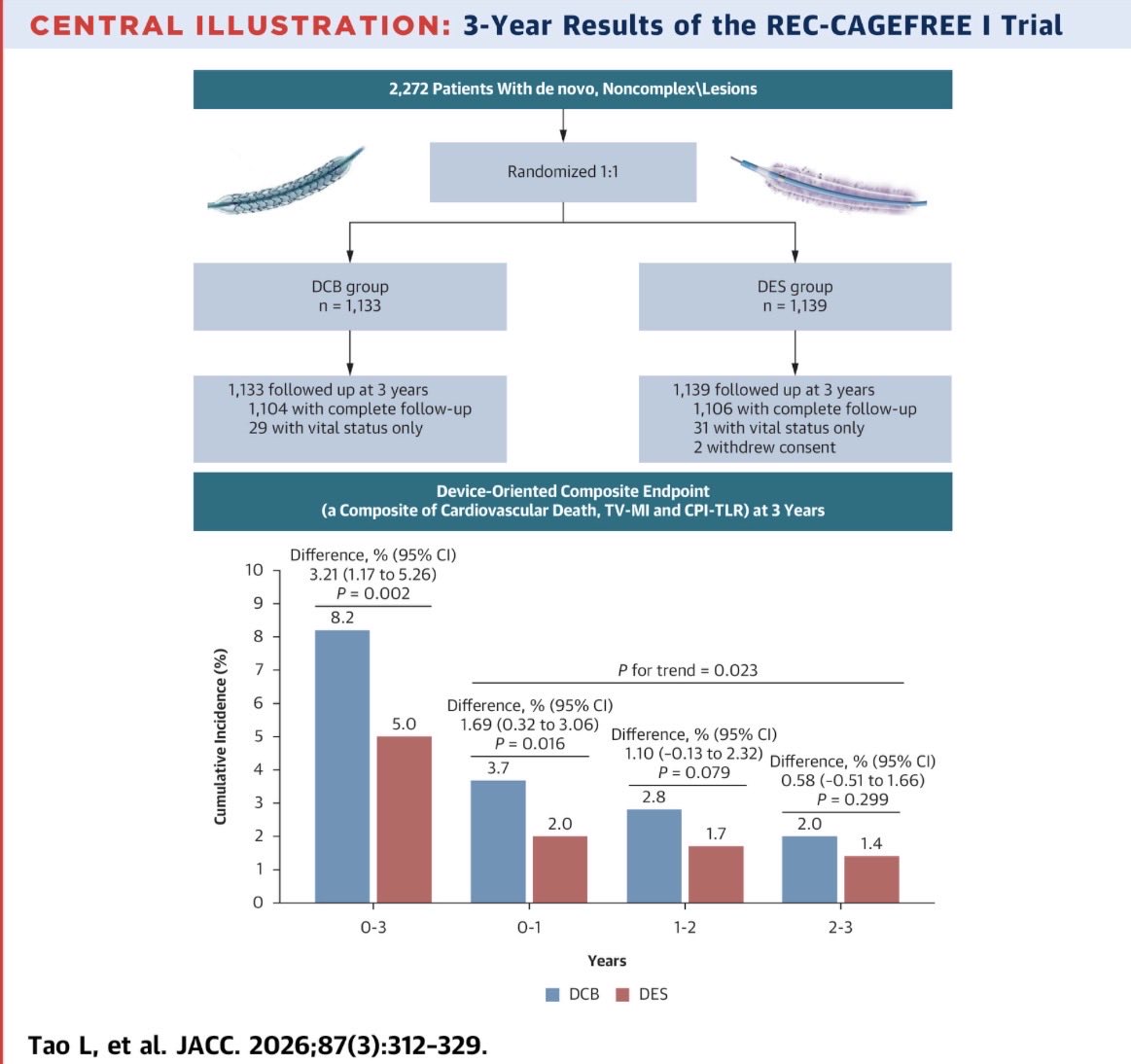
The saga of #DCB vs. #DES is just at the start. Will this DES WIN OVER DCB in a large #PCI trial on de novo lesions generate more comments than the last non inferiority DCB trials? https://t.co/YSYjEfo2XL
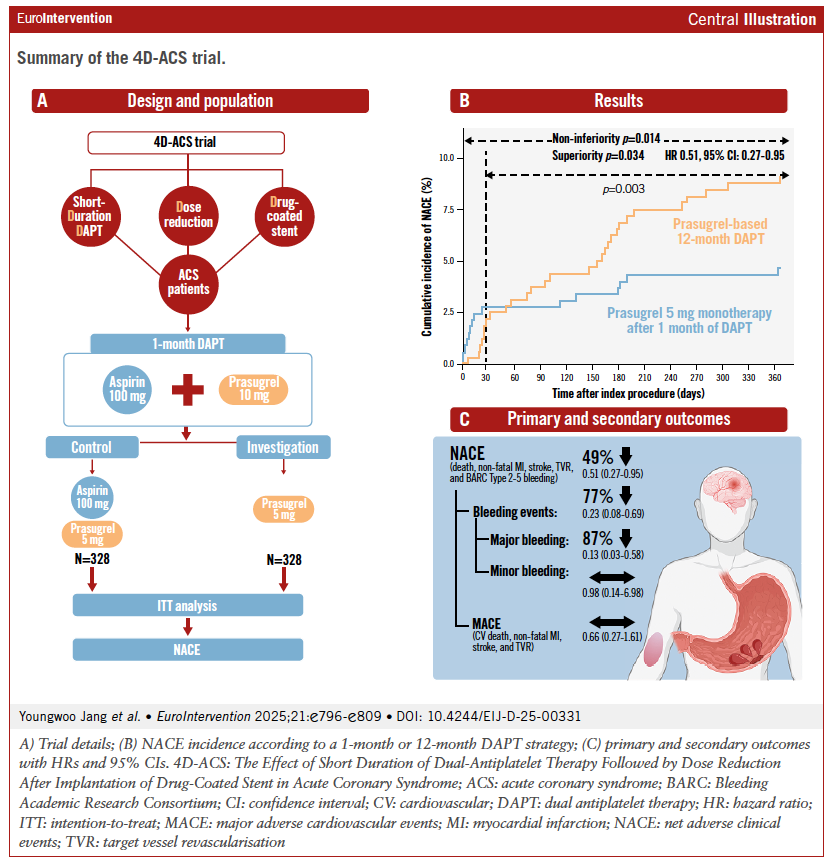
After ACS with a drug-coated stent, 1-month DAPT followed by reduced-dose prasugrel monotherapy improved net clinical outcomes — mainly by lowering bleeding without compromising ischaemic safety: the 4D-ACS randomised trial #EIJBestOf#ACS#PCI
https://t.co/jb89e1HK8v
HONOURED TO CONTRIBUTE TO WORLD HEART DAY 2025 🌍❤️
I am thrilled to share that my article on "The Mind-Heart Connection" has been published in today's newspaper on World Heart Day! As a cardiologist, I believe addressing mental health is crucial for comprehensive cardiac care.
Why This Topic Matters Now More Than Ever
In my practice across Navi Mumbai, I'm witnessing an alarming trend: the invisible burden of stress, anxiety, and depression is manifesting as very real cardiac problems in patients of all ages. The mind-heart connection isn't just theoretical - it's a clinical reality that demands our attention.
Key Insights from the Article:
🧠 Chronic stress triggers sustained release of cortisol and adrenaline, literally wearing down your cardiovascular system day after day
💔 Depression and heart disease create a dangerous cycle - each condition worsens the other, making treatment more complex
⚡ Anxiety disorders can mimic cardiac symptoms, but the real danger lies in their long-term impact on heart health
🛡️ Early intervention in mental health issues can significantly reduce future cardiac risk
The Clinical Reality:
I've treated patients with perfect cholesterol levels and no family history who developed serious cardiac problems purely from chronic stress. I've seen the depression-heart disease vicious cycle derail recovery. I've witnessed remarkable improvements in cardiac outcomes when patients address their psychological well-being.
A Call to Action for Healthcare Professionals:
We need to integrate mental health screening into routine cardiac check-ups. As cardiologists, we must look beyond traditional risk factors and consider the whole patient - mind and body together.
For Everyone Reading This:
Your mental health isn't separate from your heart health - they're intrinsically connected. Prioritizing stress management, seeking help for depression or anxiety, and maintaining emotional wellness are just as important as exercise and diet for protecting your heart.
Gratitude & Looking Forward:
Thank you to the publication for giving me this platform to raise awareness about this critical aspect of cardiac care. On this World Heart Day, let's commit to treating the whole person, not just the symptoms.
I'd love to hear from fellow healthcare professionals:
How are you integrating mental health into your cardiac practice?
What challenges have you observed in the mind-heart connection?
What strategies have worked best for your patients?
And for everyone else:
How do you manage stress for better heart health?
Have you experienced the mind-heart connection personally?
Let's continue this important conversation. Your experiences and insights could help others.
Because true heart health begins with a healthy mind.
#WorldHeartDay #MindHeartConnection #MentalHealth #Cardiology #HeartHealth #Healthcare #MedicalProfessionals #StressManagement #Depression #Anxiety #CardiacCare #HolisticHealth #PreventiveMedicine #PatientCare #HealthAwareness #NaviMumbai #Cardiologist #HeartDisease #MentalWellness #HealthcareInnovation
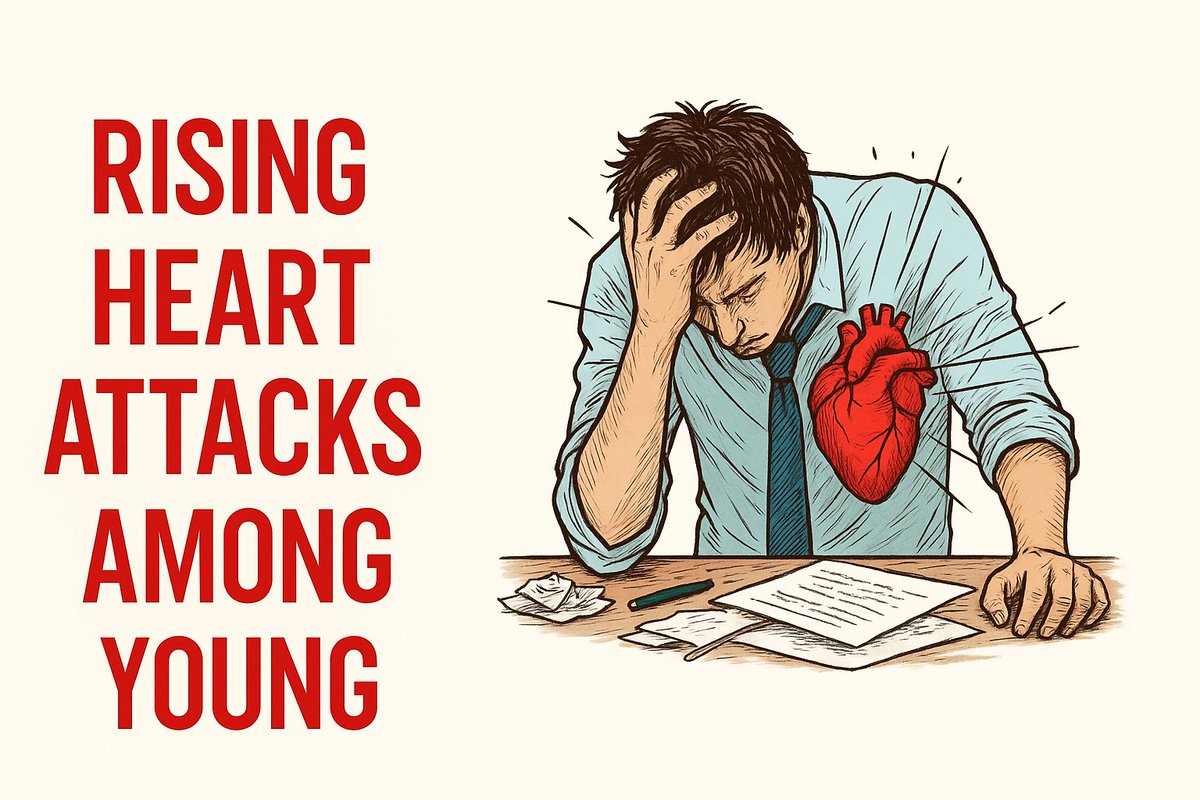
THE SILENT EPIDEMIC: Why Young Indians Are Suffering Heart Attacks 🚨
Last month, a 32-year-old software engineer walked into my clinic complaining of chest pain after his morning workout. "But I'm healthy, Doctor!" he insisted, showing me his fitness tracker data. Two days later, he was in emergency angioplasty.
This isn't isolated. As a cardiologist in Navi Mumbai, I'm seeing a disturbing trend: heart attacks are striking young, active Indians in their 20s, 30s, and early 40s.
Nearly 25% of all heart attacks in India occur in people under 40. I've treated marathon runners, gym enthusiasts, and young professionals who thought their active lifestyles made them immune.
What's Really Going Wrong?
The young Indian heart is under siege from:
- Corporate pressure and 12-14 hour workdays
- Processed foods replacing traditional Indian diets
- Sedentary desk-bound lifestyles
- Chronic stress we've normalized as "part of the job"
The Warning Signs We're Missing ⚠️
Young people are ignoring or misinterpreting:
- Occasional chest discomfort during workouts → "Just muscle strain"
- Unexplained fatigue → "Probably working too hard"
- Mild shortness of breath → "Need to get back to the gym"
These aren't minor inconveniences - they're your heart's cry for help.
Prevention: Your Best Defense 🛡️
1. Know your numbers - Blood pressure, cholesterol, blood sugar. Get checked regularly, starting in your 20s.
2. Move smart - Extreme workouts without preparation can trigger cardiac events. Start slow, build gradually.
3. Master stress management - Learn to say no, prioritize sleep, find healthy ways to decompress.
Screening: Your Lifeline 🩺
My prescription: Get a cardiac screening by age 25, or earlier with family history. A simple ECG, echo, and stress test can reveal problems before they become emergencies.
For high-risk individuals: Advanced screening including CT coronary angiography can detect blockages years before symptoms.
Treatment: Hope When Prevention Fails 💪
From minimally invasive angioplasty to advanced medications, modern cardiology offers remarkable solutions. The key is timing - the sooner we intervene, the better the outcomes.
Your Heart, Your Responsibility ❤️
The young heart attack epidemic is real, but it's largely preventable. Your heart has been beating for you since before you were born. Isn't it time you started beating for it?
What's your experience with heart health in young professionals? Share below! 👇
#HeartHealth #YoungHeartAttacks #PreventiveCardiology #CardiacScreening #HealthcareIndia #HeartDiseasePrevention #Wellness #HealthAwareness #NaviMumbai #Cardiology
🤦🏻 A conversation with my cousin yesterday left me deeply troubled.
She mentioned her 42 year old friend was “overreacting” to jaw pain and fatigue. “Probably just stress from work,” she said.
I stopped her mid-sentence!! 🤚🏻
As a cardiologist in Navi Mumbai (India) , I see this dangerous pattern daily in my practice . ☠️
We’ve conditioned society to expect chest pain as THE heart attack symptom.
But women? They present completely differently.
Here’s the shocking reality from my practice:
❌ Uptown 50% of women having heart attacks DON’T experience chest pain
✅ Instead: Jaw pain, nausea, extreme fatigue, back pain, shortness of breath
❌ We dismiss these as “typical female complaints” or “stress”
✅ Meanwhile, cardiac muscle dies silently
Just last month, I treated three women who delayed seeking help because their symptoms didn’t match the “male template” we’ve normalized:
• A 38 year old marketing executive: Came for “indigestion” - it was a massive heart attack.
• A 45 year old teacher: Complained of “shoulder pain” - 90% blocked coronary artery
• A 41 year old housewife: Sought help for “unusual tiredness” - advanced heart failure
All three could have been saved earlier with proper recognition. ⌛️
This isn’t just medical ignorance - it’s systemic gender bias in healthcare.
We’ve built our entire cardiac emergency response around male physiology from medical school textbooks written by men, tested on men. 🧔♂️
The consequence? Women are 50% more likely to receive wrong initial diagnosis during heart attacks. 🙆♀️
Here’s what every woman (and the men who care about them) needs to know:
🚨 WOMEN’S HEART ATTACK SYMPTOMS:
• Crushing fatigue that won’t resolve
• Jaw, neck, or upper back pain
• Nausea or vomiting
• Shortness of breath without chest discomfort
• Cold sweats
• Dizziness or lightheadedness
Don’t wait for Hollywood-style chest grabbing. It rarely happens in women.
Women leaders, please share this post.
Your network needs to know that heart disease kills more women than all cancers combined, yet we’re still looking for the wrong signs.
Your “stress symptoms” might be your heart desperately crying for help.
As someone who’s performed 2000+ cardiac procedures on women, I urge every woman over 35 to get baseline cardiac screening - especially if you have diabetes, hypertension, or family history.
Your life might depend on recognizing these subtle warning signs.
Have you or someone in your network experienced these overlooked symptoms? Share your story below - it might save someone’s life.
@aapsur @ScCardoz How’s she /her family even eligible for this ? Isn’t it for BPL families ? Also, she could have straightway gone to government hospital for the treatment rather than dialling up corporate hospitals & make this video.
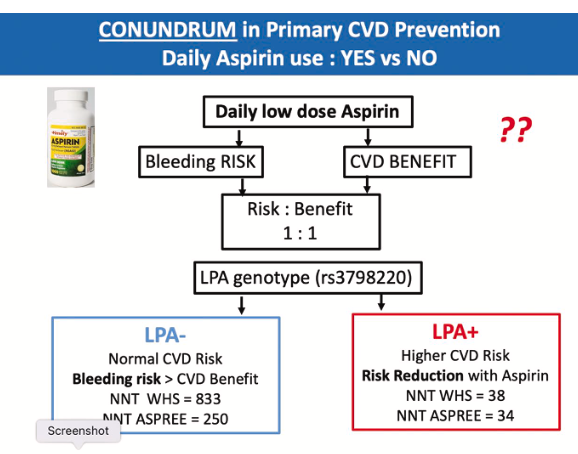
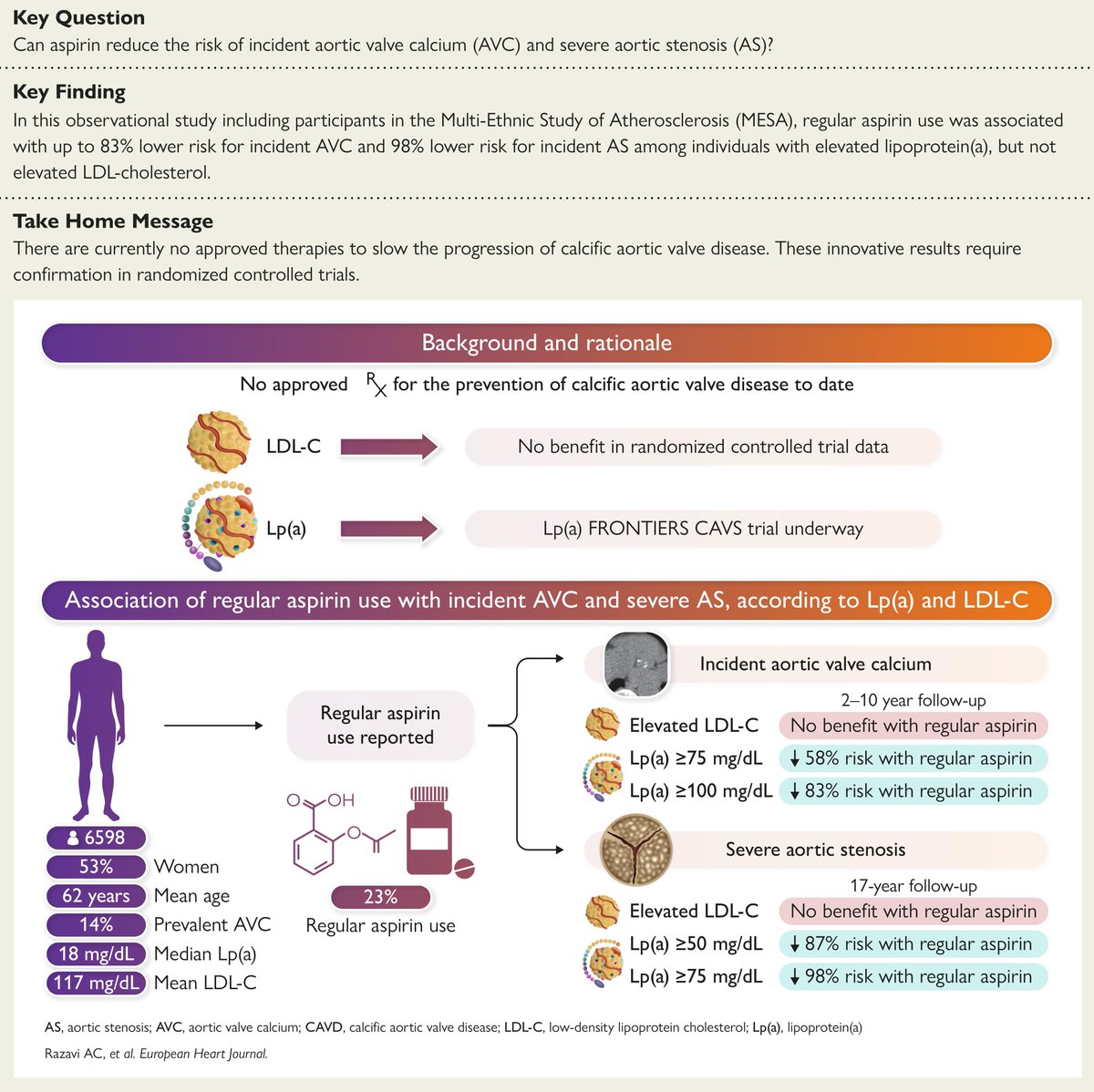
👉Aspirin in primary prevention? Maybe not for everyone.
But definitely worth reconsidering for those with elevated Lp(a).
This compelling article in The American Journal of Medicine challenges the current dogma: Lipoprotein(a) may redefine aspirin’s role in cardiovascular prevention.
☝️Key takeaways:
1⃣Aspirin fell out of favor in primary prevention due to bleeding risks.
2⃣But not all patients are the same.
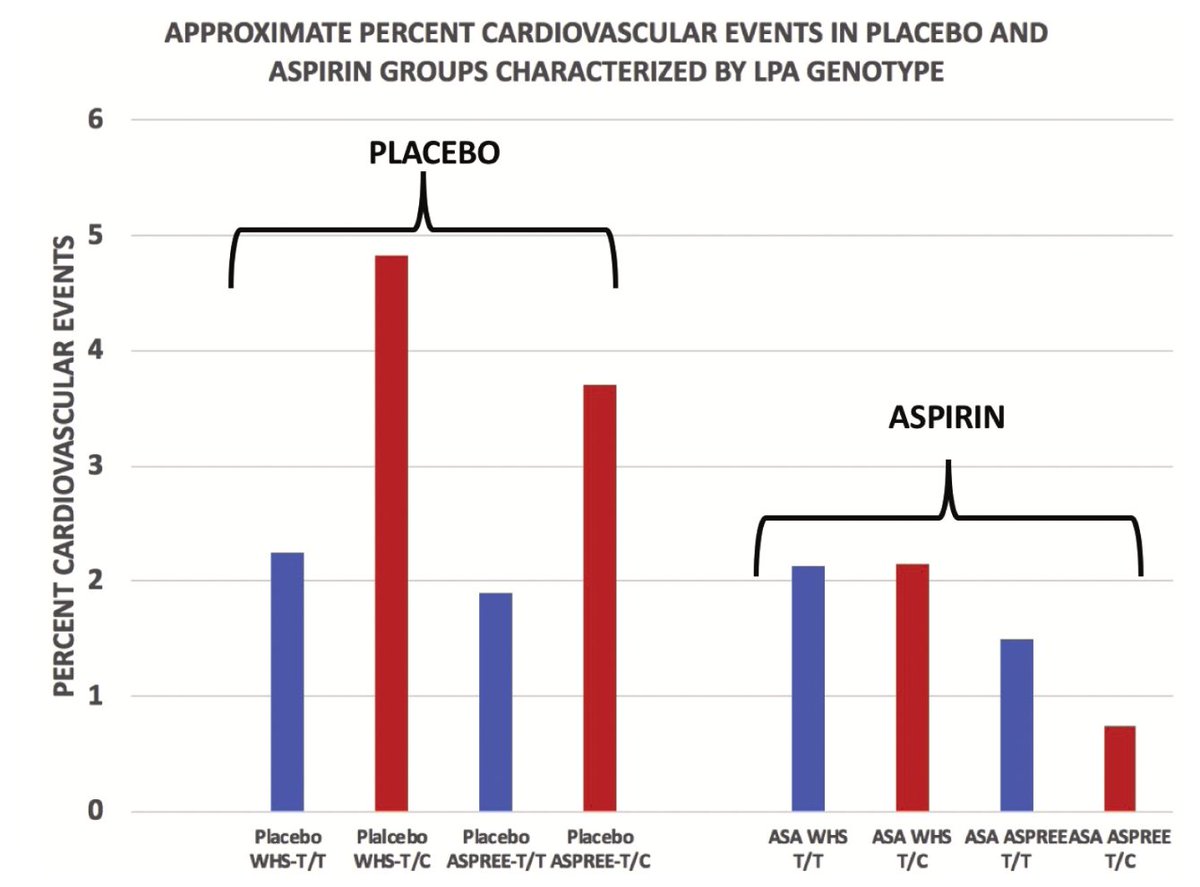
3⃣Those with elevated Lp(a) face a high atherothrombotic risk that statins don’t touch.
4⃣Subgroup analyses from WHI and ASPREE suggest aspirin may significantly reduce cardiovascular events in individuals with high Lp(a), despite neutral results in the general population.
☝️Bottom line?
It’s not time to bury aspirin — it’s time to use it smarter. And that starts by measuring Lp(a).
🔓Open Access
https://t.co/Uo4LgIgjX5
@society_eas
Your heart works hard for you every second of every day. It’s time to return the favour.
Choose these superfoods, nourish your body, and give your heart the love it deserves.
https://t.co/nXjlqTnsaN