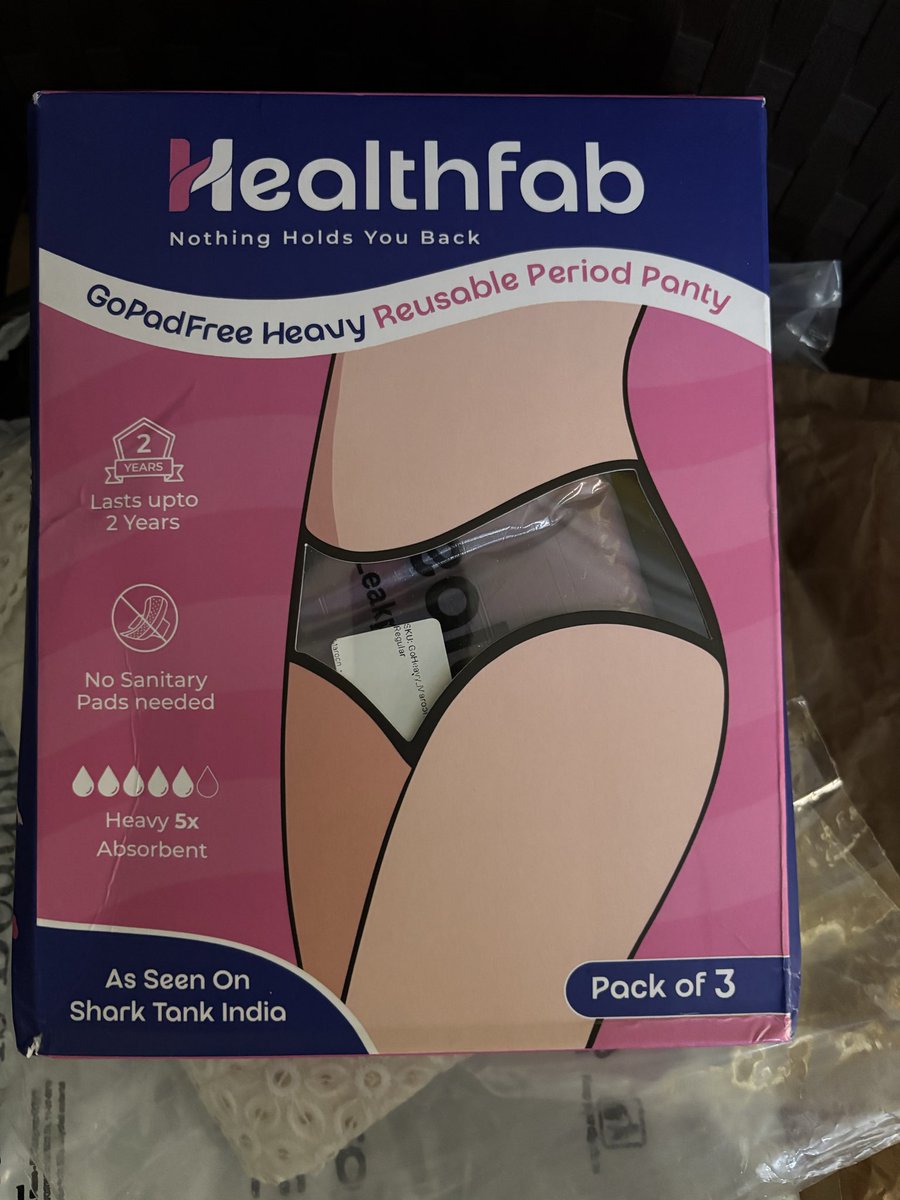
@amazonIN@AmazonHelp Are you outrightly telling lies on delivery updates? My order was marked “Out for Delivery” and then later tonight got mysteriously cancelled with lie that “Customer rejected the delivery”. This is cheap tactic for your failure.
Our MP’s @Tejasvi_Surya@PCMohanMP@ShobhaBJP@hd_kumaraswamy should talk to Minister @nitin_gadkari and reduce this. The airport road toll is a disgrace, which city in India pays a huge toll to go to the airport? Why this huge toll when actual use age of road is low. Needs to be shifted after airport turning. E city toll is over but @NHAI_Official collecting same toll.full exploitation and illegal. @kiranshaw please talk to Minister @nitin_gadkari@lkatheeq
The FCNR(B) saga has ended. Together with ECBs and other foreign-currency borrowing, India has mobilised roughly $136 billion in borrowed dollars to defend arbitrary exchange-rate levels. India’s external debt could consequently rise from about $765 billion to nearly $900 billion. The attempt to prevent a quick appreciation of the Rupee has left the banking system with a surplus liquidity (reserve money) of about ₹7.7 lakh crore, close to the Covid-era peak of ₹9.5 lakh crore. Unlike during Covid, this monetary expansion has occurred while the economy is growing strongly. The RBI has effectively guaranteed the future rupee value of much of this money.
In finance, decisions must be evaluated ex ante—before the outcome is knwon. Not every risky decision ends in disaster, but escaping disaster does not justify taking an unnecessary risk. The FCNR(B) and ECB measures must be evaluated through that lens.
One argument offered in their defence is that the rupee was facing a “run.” I disagree. A roughly 10% real depreciation in an economy with about $650 billion in reserves, strong remittances and a near-zero current-account deficit is not a run. Even if its is a run, borrowing on a future guarantee is not first line of defence. No doctor will evet start with an emergency medicine.
Conventional measures such as interest-rate increases, measured reserve intervention and incentives for stable, long-term foreign investment should have been tried first. Their purpose should have been to prevent disorderly movements, not to control the rupee’s direction or defend a predetermined level. Indonesia recently used such conventional measures. India instead began with an emergency measure.
That emergency measure has created five major risks.
1. Clustered outflows whose timing is known
Much of the $136 billion is borrowed money that must leave within a known period. The direct cost of the RBI’s exchange-rate guarantee may remain manageable even if the rupee depreciates another 10%. The greater danger is that markets anticipate these large, concentrated dollar repayments and begin exiting before maturity. A bad geopolitical situation three years from now could turn the scheduled outflow into serious pressure on the rupee. We have taken a large financial bet on future conditions over which we have no control.
2. Borrowed dollars may have displaced stable remittances
FCNR(B) inflows may partly crowd out ordinary remittances. Some NRIs who would otherwise have remitted money may instead have placed it in attractive, exchange-rate-protected deposits. If so, we have replaced stable, non-debt foreign-exchange inflows with borrowed dollars that must be repaid. That is a deterioration in the quality of external financing, even if the headline inflow looks impressive today.
3. Defending visible exchange-rate levels invites markets to test them
Once a central bank signals the exchange-rate levels it is determined to defend, markets acquire a target. If those levels eventually break despite intervention, the adjustment may be abrupt. Treating an arbitrary round number as a policy objective risks turning an ordinary depreciation into a test of central-bank credibility.
4. Temporary rupee appreciation subsidises foreign exits
Temporary rupee appreciation allows foreign investors to convert the rupee proceeds into more dollars. With equities already under pressure, we are effectively subsidising their exit. If NRIs and foreign investors deserve such support, perhaps there is nothing wrong with paying ₹3,000 a month to poor women. I never thought I would say that.
5. The creation of enormous reserve money
The foreign-currency inflows have created an enormous amount of reserve money. This can multiply through the banking system into deposits and credit. Unless it is durably sterilised, it can produce serious inflationary pressure one or two years from now. Seven-day reverse-repo auctions merely postpone the problem.
What can be done now?
It would be prudent to begin damage control immediately rather than wait for these risks to materialise and lose time celebrating this “success”.
The RBI could consider absorbing the excess liquidity more durably through a CRR increase, Market Stabilisation Scheme bonds or similar instruments.
It may be useful to encourage FCNR(B) depositors to withdraw early and invest the proceeds in Indian equities, businesses or housing, supported by limited tax and procedural relief.
The RBI could also consider raising interest rates to contain future inflation and support the rupee.
The government would do well to attract stable foreign-exchange inflows through measures such as a substantial capital-gains tax reduction. The revenue loss could be offset by cutting wasteful capital expenditure, including airports built where there is insufficient demand.
Finally, we should pray to Krishna, or whichever god one believes in, that no major geopolitical or financial disturbance occurs when these deposits mature.
Increasing Chinese imports is another option, which I don’t recommend due to strategic reasons. Perhaps the AI boom will go bust and capital will return to India. Perhaps crude prices will collapse or India will receive another positive supply shock. I desperately hope that something like this happens.
Macroeconomic policy must account for bad outcomes, not assume them away.
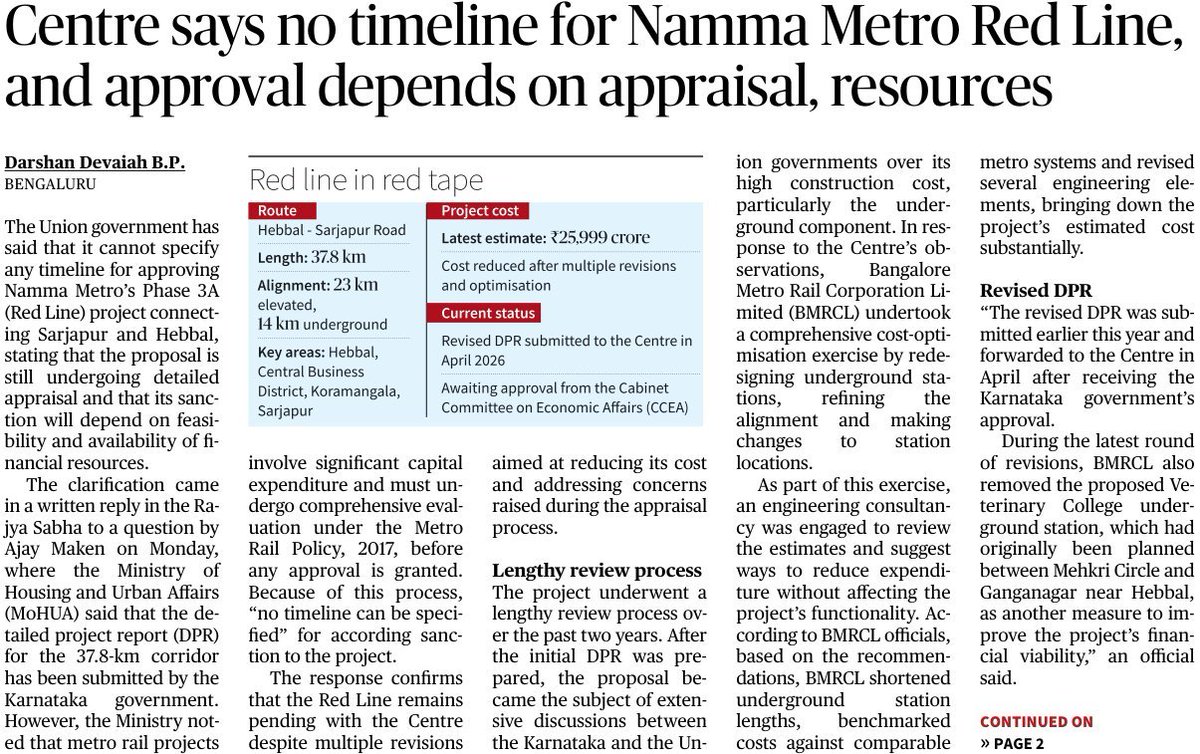
■In a Shocking dev.& display of anti-#Bengaluru/#Karnataka , Centre has refused to give timeine for #Bengaluru Metro 3A approval, vide reply to MP Sri @ajaymaken Parliament question.
■#Bengaluru which gives yearly ₹110000 Cr in GST aone to Centre, is not getting critical Metro project for Just about ₹2000 Cr (10% cost).
■ Karnataka MPs , especially 19 NDA MPs, including Ministers @JoshiPralhad , @ShobhaBJP , @VSOMANNA_BJP , @hd_kumaraswamy & MPs @Tejasvi_Surya@PCMohanMP@DrCNManjunath, need to push this.
■From Karnataka/Bengaluru Money, Metro Projects, idling Airports & NH Highways are funded in North, but in return we are not even getting peanuts.
■ Minister @mlkhattar please take a strict action on anti Karnataka Beauracrats.
📸: @the_hindu , @DarshanDevaiahB
Congratulations @DKShivakumar sir, on bringing all parties together to secure Karnataka's future infrastructure.
STTR, Suburban Rail, High-Speed Rail, HAL Airport and Sagarmala are transformational projects.
But there is one question every Bengaluru commuter asks every morning:
How do we safely and efficiently reach these world-class corridors if the feeder roads that connect people to them remain constrained?
A world-class mobility network cannot end at the ORR.
Every Metro passenger... Every @BMTC_BENGALURU bus... Every ambulance... Every school bus... Every office commuter...
first travels on a feeder road.
If the trunk corridors are upgraded while the feeder corridors remain incomplete, the city cannot realize the full benefits of these investments.
Could Bengaluru adopt a corridor-based implementation model where ORR, Metro, STTR and major feeder roads such as Hosa Road are planned and upgraded together-with one execution framework, clear milestones and public timelines?
Building tomorrow's infrastructure should also transform today's commute.
A Future Ready Bengaluru deserves Future Ready feeder corridors.
#FutureReadyBengaluru #UrbanMobility #FeederRoads #FixHosaRoad
#hosaroad
#Hosaroad
#rayasandra
#choodasandra
#kasavanahalli
#kaikondrahalli
@kdevforum@arivuexpress@bengalurupost1
Bengaluru's global success is powered by its people. It's time our infrastructure reflected their contribution.
Thousands of GCC engineers, startup founders, teachers, nurses, students and small businesses earn here, pay taxes here, buy homes here and invest in Bengaluru's future.
Hosa Road is not just a neighbourhood road. It is a critical feeder corridor carrying traffic from Electronic City, Hosur Road and NICE Road towards Sarjapur Road, ORR and one of India's largest technology corridors.
Yet the Prapanna Agrahara Central Jail → Kaikondrahalli stretch has remained largely unchanged for more than a decade.
The first ~2.1 km, from Hosa Road Market Metro Junction to Prapanna Agrahara Central Jail, was widened into a divided carriageway years ago.
The remaining ~4.5 km—nearly 75% of the corridor—still resembles a mid-2000s road despite the surrounding area's explosive growth. Every weekday, commuters negotiate bottlenecks at:
➜ Rayasandra Circle
➜ Doddamadara T-Junction
➜ Choodasandra Circle
➜ Owners Court Circle
➜ Lacasa Junction
➜ Kaikondrahalli Junction
Thousands of vehicles merge through narrow sections, missing footpaths, unfinished drainage and multiple choke points before finally reaching Sarjapur Road.
We are not asking for a new mega project. We are asking for a long-planned 4.5 km widening to be completed.
This request has been raised repeatedly with @GBA_office, @BDAOfficialGok and the elected MLAs, yet there has been no meaningful progress on the remaining stretch for more than a decade.
A city that aspires to lead the world in technology cannot leave 75% of one of its key feeder corridors frozen in yesterday's road geometry while the communities around it continue to grow.
World-class talent deserves world-class connectivity- not just world-class speeches.
@krishnabgowda@GBAChiefComm@Captain_Mani72@arivuexpress@TVMohandasPai@kiranshaw
#FixHosaRoad #NammaBengaluru #BengaluruTraffic #Infrastructure #GCC #SarjapurRoad #UrbanPlanning #RoadSafety #CompleteTheCorridor
FOLLOW-UP. NOT A NEW COMPLAINT - A DOCUMENTED ONE.
In August 2025, October 2025, previous years, I tagged all three elected representatives and highlighted a simple fact:
One Hosa Road. ~6.7 km. Three Assembly Constituencies.
@MALimbavali (Bellandur)
@MLAShivanna (Anekal Shantipura Panchayat)
@MkrishnappaMla (kudlu, singasandra).
Months, years have passed.
During that time, the corridor has continued to grow. New residential projects have been announced, construction has progressed, and thousands more families are expected to call this corridor home.
Yet residents continue to experience the same bottlenecks, the same congestion, and the same unanswered questions.
This isn't about blaming any one office.
It's about asking whether one of Bengaluru's fastest-growing corridors deserves one coordinated public roadmap.
To @GBA_office:
Can residents please have a corridor-wide update for Hosa Road?
• What is the current status of the long-pending widening?
• What land acquisition remains?
• Which agency is leading delivery?
• What is the implementation timeline?
• Can all stakeholders present one coordinated public roadmap instead of separate responses?
Residents aren't asking for miracles.
They're asking for transparency.
They're asking for coordination.
They're asking for visible progress.
One road should never feel like nobody's responsibility simply because it passes through multiple constituencies.
Hosa Road connects homes, schools, hospitals, businesses, and some of Bengaluru's largest employment hubs.
Its importance has already been recognized by residents, employers, and investors. Today's crores of investment has poured here.
Now it deserves infrastructure that reflects that importance.
I raised this question months and years ago.
I'm raising it again today - not with anger, but with hope.
Hope that Hosa Road can become an example of coordinated governance rather than fragmented responsibility.
The best time to complete this corridor was years ago.
The next best time is today.
One completed road won't just improve traffic. It will restore public confidence that Bengaluru can match its growth with infrastructure.
The competition isn't between political parties. It's between cities. Every kilometre we complete strengthens Bengaluru, @NammaBengaluroo . Every kilometre we postpone makes another city more competitive. Let's choose progress.
Requesting a coordinated public response from @GBA_office, @GBAChiefComm@BDAOfficial, @BDAOfficialGok our three MLAs, and the Government of Karnataka. Hosa Road is one corridor. Residents deserve one roadmap, one timeline, and one accountable plan.
@osd_cmkarnataka@DKShivakumar@PriyankKharge@krishnabgowda@b_shivanna177@MALimbavali@MkrishnappaMla@comm_blr_south@arivuexpress@citizenmatters@peakbengaluru@epic_bengaluru
#HosaRoad #SarjapurRoad #BengaluruTraffic #UrbanPlanning #NammaBengaluru #GBA #BBMP #BDA #Infrastructure
ज़ुल्म जब भी हद से आगे बढ़ने लगता है,
वहीं से बदलाव का सूरज निकलने लगता है।
आज जंतर-मंतर पर बच्चों और बच्चियों के साथ जिस प्रकार का बर्बरतापूर्ण व्यवहार किया गया, उसने मन को गहराई तक झकझोर दिया। मैंने जलियांवाला बाग का वह दौर नहीं देखा, लेकिन आज जो दृश्य सामने आए, उन्होंने इतिहास के उस काले अध्याय की याद अवश्य दिला दी।
लोकतंत्र में अपनी बात शांतिपूर्ण ढंग से रखना हर नागरिक का संवैधानिक अधिकार है। यदि उस अधिकार का उत्तर बल प्रयोग से दिया जाए, तो यह केवल कुछ लोगों पर नहीं, बल्कि लोकतांत्रिक मूल्यों पर भी आघात है।
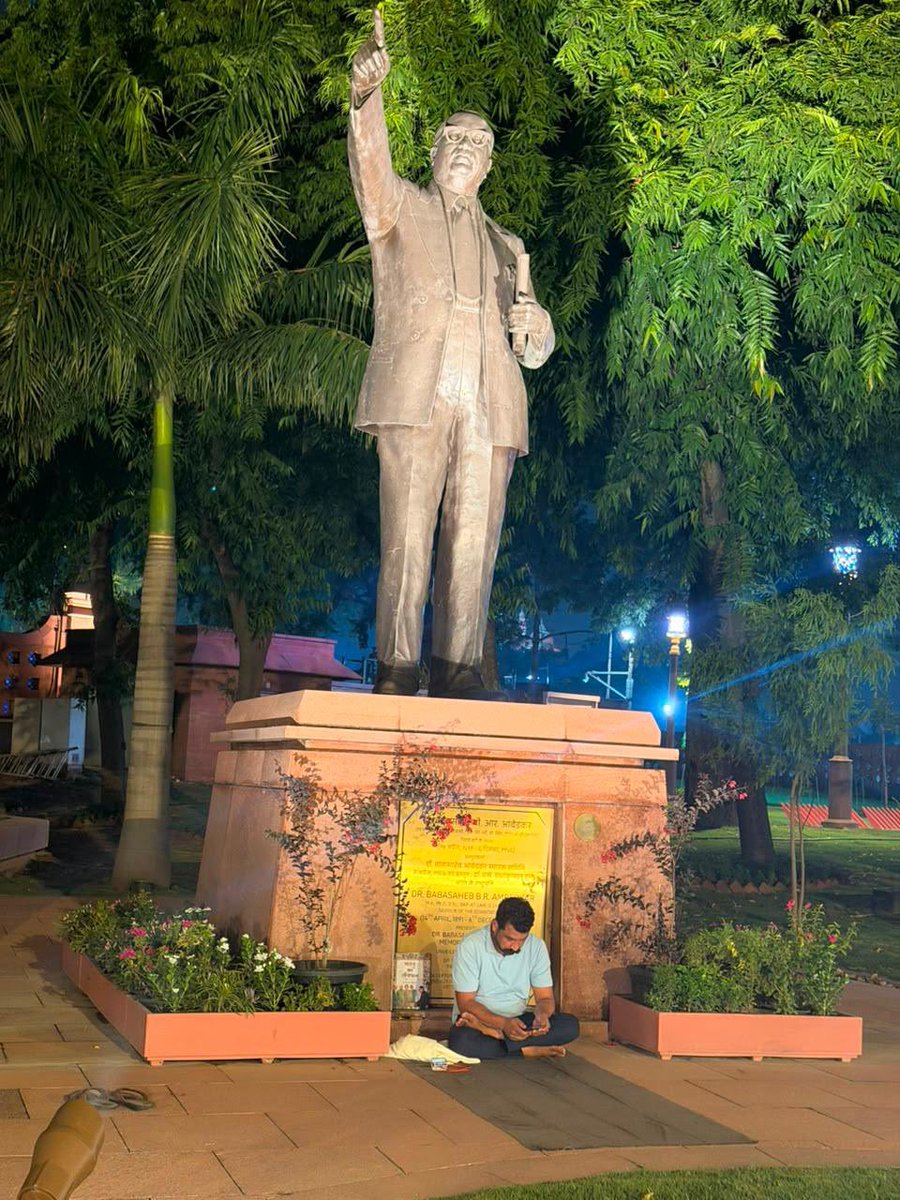
इसी पीड़ा और लोकतांत्रिक मूल्यों की रक्षा के संकल्प के साथ, आज से मैं संसद भवन परिसर में परम पूज्य बाबा साहेब की प्रतिमा के नीचे धरने पर बैठ रहा हूँ। जब तक न्याय सुनिश्चित नहीं होता और इस घटना के लिए जिम्मेदार लोगों के विरुद्ध उचित कार्रवाई नहीं होती, मेरा यह शांतिपूर्ण लोकतांत्रिक संघर्ष जारी रहेगा।
⚠️ Bug Alert ⚠️ @ECISVEEP@ceo_karnataka
Trying to register as a new voter (Form 6) but your portal keeps blocking my Address Proof. It throws a "no special characters" error, but my filename is completely clean. Your system is autofilling a "/" during upload! 🤦♂️
PEACEFUL MARCH TO THE PARLIAMENT, 20th JULY
Thanks for all your messages to break my Hunger Strike, but that wouldn't help the 20 students who committed suicide nor will that help protect the mountains of Ladakh or the rivers of India. If you really want to help then do a little more than messages from comfy couches, then come to Delhi & to Jantar Mantar on 20th July, when the Monsoon session of Indian Parliament starts. Together we'll start a very Peaceful March to the Sansad and appeal to our honorable MPs to take the issue up and find a lasting solution...
#cockroachjantaparty #cjpprotest #jantarmantar
Dear @krishnabgowda sir, very happy to see your review meeting. This is the road condition in few peripheral roads near Parappana agrahara Jail rd. Road from Choodasandra - Mahaveer Ranches is in very pathetic state. Few days back they rectified, it lasted for only one day. 1/2
I request you all please join us tomorrow morning 9 am at Jantar Mantar.
We are holding the fort but without your support this movement won’t be successful.
Naidu ji, let’s try a thought experiment. Say your salary is 2 lakhs and your driver’s is 20,000. You announce a 50% increase for everybody. Your salary is now 3 lakhs and your driver’s is 30,000. The percentage or proportional increase is the same — but aren’t you much better off than your driver, than you used to be?
That’s what your fellow Southern CMs are concerned about. You don’t think there’s any difference between UP’s 80 MPs today versus Kerala’s 20 MPs, if it tomorrow becomes 120 vs 30? Some proportionate difference, huge difference in political weight — with 90 more UP MPs against 10 more Kerala MPs. Is that of no concern to you at all?
@ncbn@vdsatheesan@INCKerala
Excl: Ground reality vs official records: Census fieldwork is throwing up data that differ from govt records on open defecation free villages, use of cow dung cakes/kerosene/crop residue for cooking in urban areas despite LPG connection, no electricity. Enumerators asked to revisit and review the “data discrepancies”.I ✍️
https://t.co/1LaYwpiiED
An enumerator from Rajasthan told The Hindu on condition of anonymity, “In the mobile app, if we enter that a household has a tin roof, we are asked by our superiors to change it to concrete. Are we supposed to lie? Similarly, if the house does not have a toilet and occupants are defecating in the open, we are told to check if there is a toilet nearby, even that of a neighbour or a relative, which they may be using occasionally or even a public urinal. Then the entry can be changed from ‘open defecation’ to having access to a toilet.”