The modern way of looking at the world has taken this truth away from us: that the cosmos is arranged hierarchically, with God at the head of it all, and that each one of us has our own place within it.
things invented by James II
- DVD
- Vinyl
- the Xbox 360
- the Gameboy Color
- the PS2
- the moon
- Gravity
- Wolves
things invented by William of Orange
- Cancer
- the black plague
- Communism
- steaming services
- code in box games
- pop up ads
- Poachers
Never, never, never let anyone tell you that, in order to be Orthodox, you must be Eastern. The West was fully Orthodox for a thousand years, and her venerable liturgy is far older than any of her heresies - Saint John Maximovitch
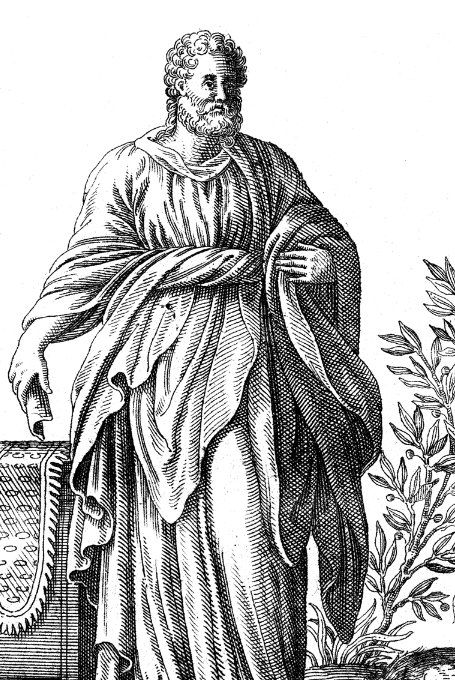
Iamblichus, the Syrian mystic who shaped the whole later Platonic tradition, taught that you cannot think your way to the gods. You must practise “theurgy”, which means “god-work”.
In the 4th century this was heresy against philosophy itself. Porphyry, the student of Plotinus, believed the mind alone could get there. Purify the intellect, he thought, and the soul rises by its own light. Plotinus had even taught that a part of the soul never leaves the divine at all.
Iamblichus disagreed. In his view, the soul descends into the body, too far to climb back by thought alone. His solution was theurgy (the use of sacred names, symbols, and rites handed down from Egypt and Chaldea).
The interesting thing is that he believed the rite works not because the one performing it understands it, but because the gods themselves recognise it.
He even wrote his defence of it under the name of an Egyptian priest, “Abammon”, as if to say this wisdom was never his to begin with.
Is it any surprise, then, that later Platonists like Proclus followed Iamblichus and not Porphyry? Philosophy may show the soul where it belongs. Only the rite, Iamblichus thought, could carry it there. It is not man lifting himself to heaven, but heaven lifting man.
Obviously this was ancient consciousness, and it has evolved since. The thinking Iamblichus found insufficient was still shadow-thinking, a pale reflection of the spirit, and not yet a living Thinking, awakened and free, in which the spiritual world can be met directly.
"[The Good] is, therefore, to a greater degree in a way more casual, indeed more truly a cause, since it contains all together the intelligible causes which are about to come to be from it."
Plotinus, 6.8.18.38-40
"Cast yourself towards the One and encounter it taking rest within itself; unite your thought with it more and more, knowing it through immediate contact with it and beholding its greatness through what comes after it and is caused by it."
— Plotinus, Enneads 3.8.10
Natural doesn't mean occurs in nature. It means fulfilling the function of nature. Defective animals aren't natural, they're defects of what is natural
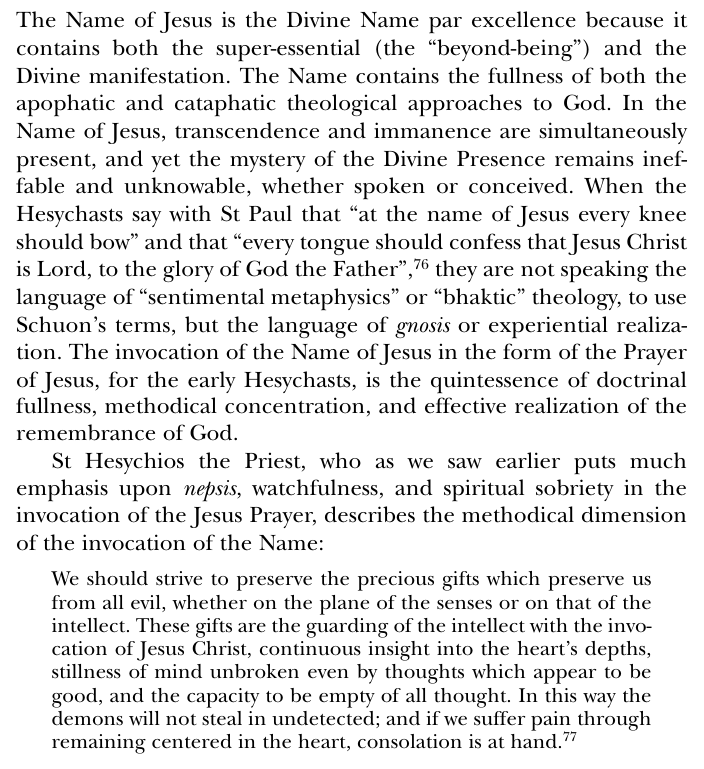
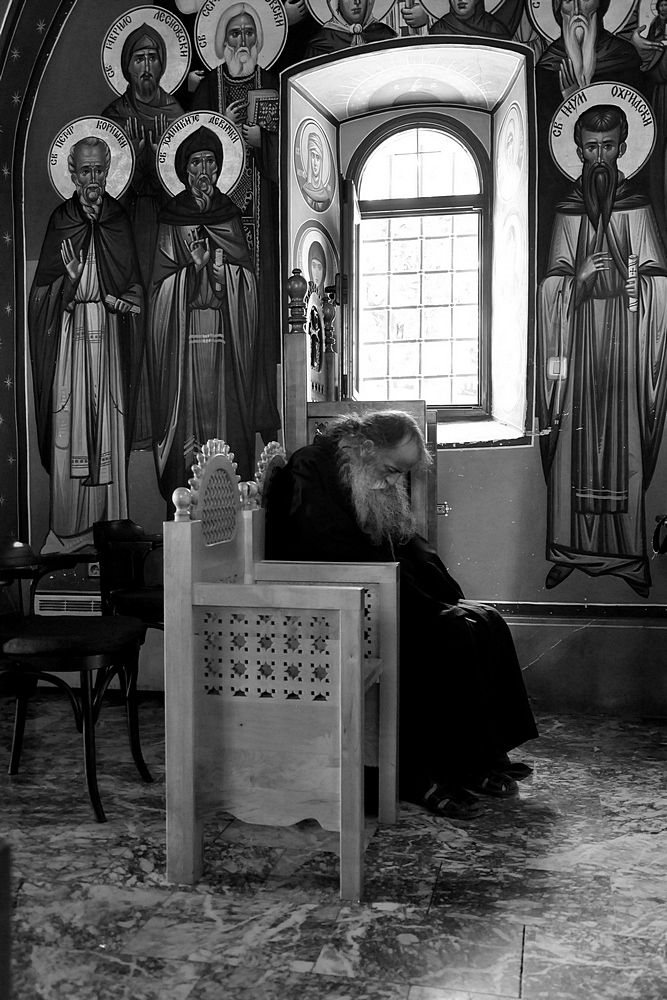
The essence of the path to the heart of Hesychasm is to pass from the practice of invocation to the participation in the Divine Presence. The hesychasts accomplish this by a kind of noetic alchemy in which attention is transmuted into prayer, which is in turn transfigured by uncreated grace into the Presence of God in the heart.