Today, I had the honor to present PhysioSync-HF as a Late-Breaking Clinical Trial at #ESCCongress.
Key message: In HFrEF and LBBB, conduction system pacing was *inferior* to biventricular pacing for a composite of death, HF events, and LVEF change at 12 months.
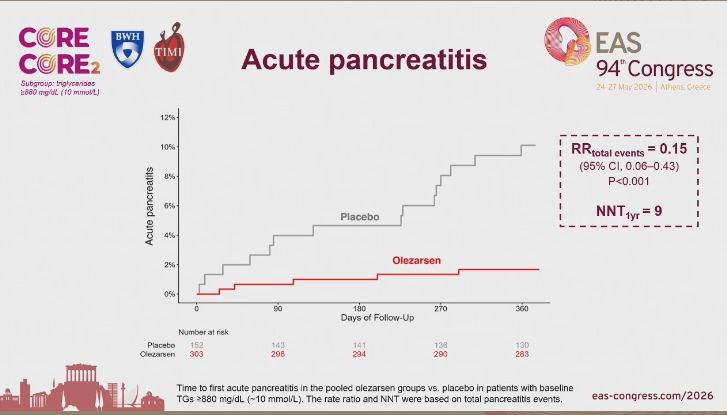
When TG reach ≥10 mmol/L, the question is no longer only lipid lowering. It is #pancreatitis prevention.
At #EASCongress2026, @AndreZimerman presents CORE TIMI 72a and CORE2 TIMI 72b data on #olezarsen in patients with TG ≥10 mmol/L and acute pancreatitis risk @TIMIStudyGroup
#EASCongress2026@AndreZimerman presents a late breaker clinical trial exploring olezarsen for acute pancreatitins in pts w/triglycerides>10 mMol/L. As can be seen, a stark difference in favour of Olezarsen in this cohort highly exposed to risk of acute pancreatitis.
One of my favorite projects at TIMI.
While exploratory, our findings support the concept that lowering LDL-C through PCSK9i may prevent the formation and progression of arterial aneurysms, including AAA.
Now in @CircAHA@PrakritiGaba@marstonMD@BrianBergmark@TIMIStudyGroup
#Research letter: Earlier initiation of the PCSK9 inhibitor Evolocumab reduced the risk of arterial aneurysm events compared with delayed initiation in an analysis of the FOURIER trial https://t.co/OaIfeZzb58
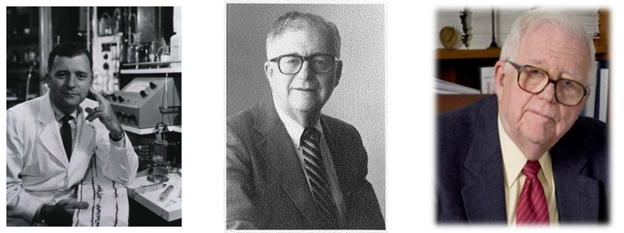
We are deeply saddened to have lost our founding chairman and the father of modern academic cardiology, Dr. Eugene Braunwald, who founded the TIMI Study Group in 1984, and with that vision profoundly shaped the practice of cardiovascular medicine across the world.
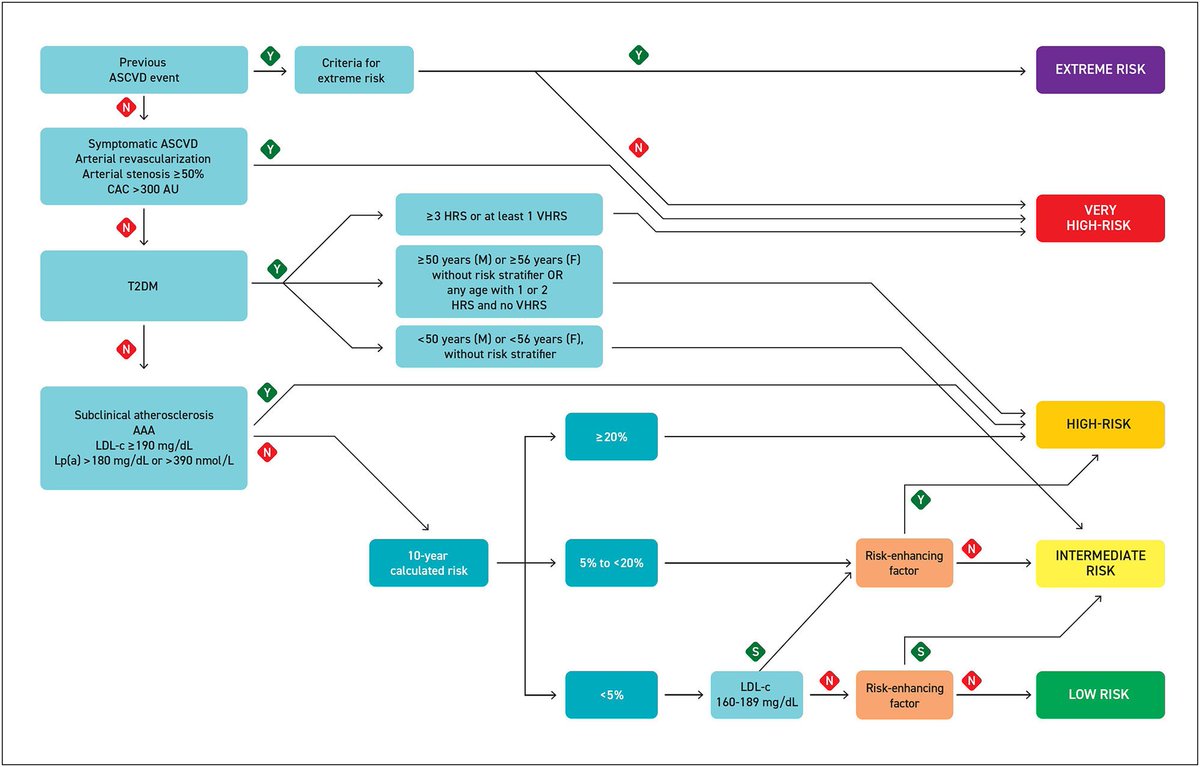
@drjohnm We tried our best to encompass risk stratification and LDL-C targets into a one-stop figure in the 2025 Brazilian guidelines.
While categories could be improved, IMO this is a more helpful format for quick decision-making, as is the flowchart.
See here: https://t.co/0PZ6JGZYUi
In patients with #HeartFailure and #LBBB, conduction system pacing (#CSP) was inferior to biventricular pacing (#BiVP) for a composite of death, heart failure events, and LVEF change at 12 months.
https://t.co/aZwV1oICjz
Please check out the accompanying editorial, which nicely contextualizes the apparently opposing findings from PhysioSync-HF and HeartSync-LBBP: https://t.co/3P7f31uoJH
Proud to see PhysioSync-HF published in @JAMACardio.
In patients with HFrEF and LBBB, conduction system pacing was inferior to biventricular pacing for a composite of death, HF events, and LVEF change at 12 months.
Let us know your thoughts: https://t.co/CiKeX8ptDr
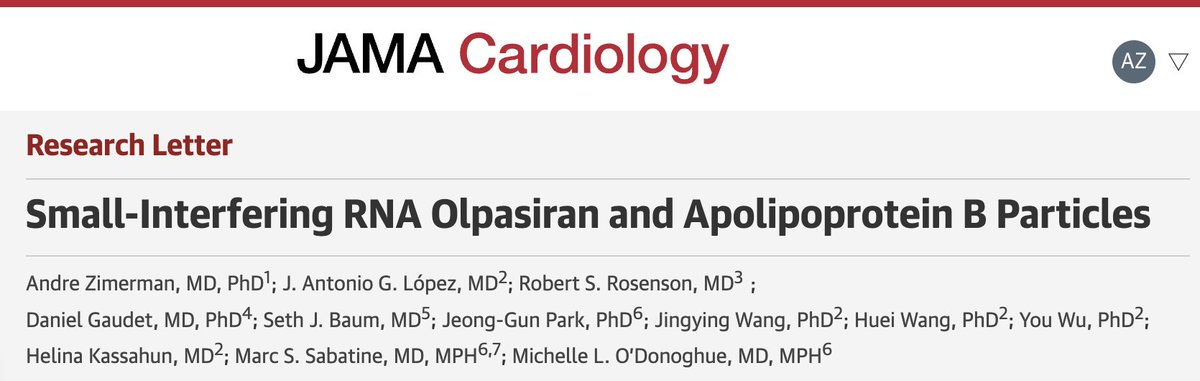
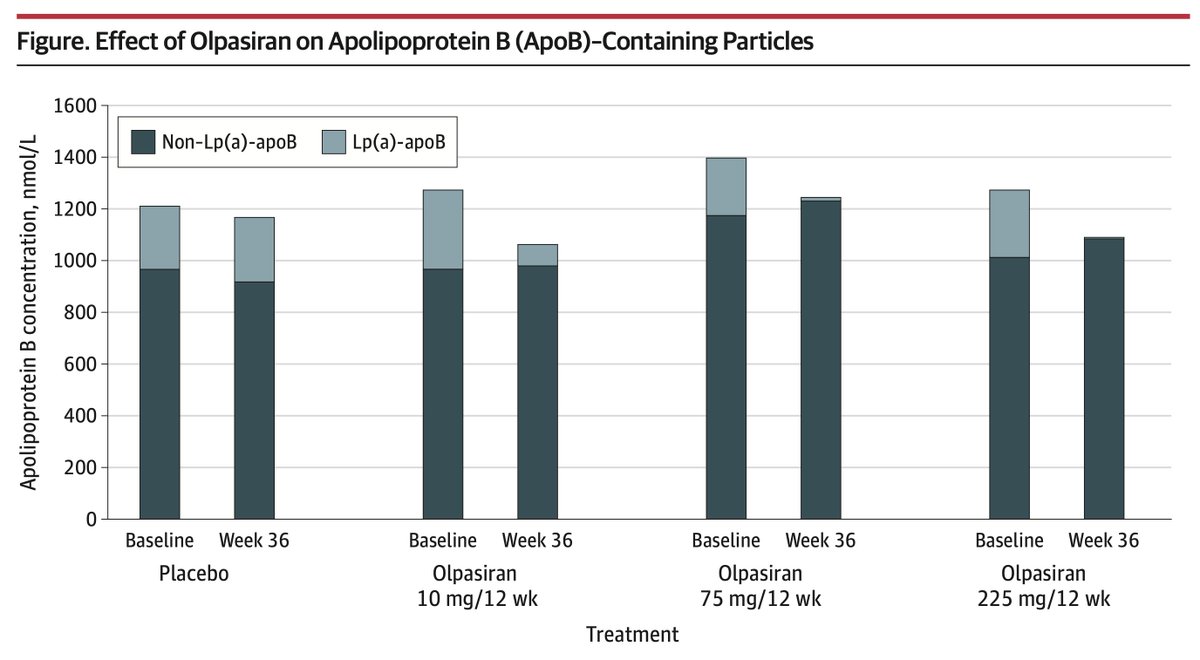
Small-interfering RNA olpasiran reduced lipoprotein(a)–apolipoprotein B particles by >95% with minimal rise in non–Lp(a)-apoB, lowering total apoB concentration in patients with cardiovascular disease. https://t.co/MD55uutUJC
These findings suggest that, with olpasiran, apoB particles normally destined to form Lp(a) are either not secreted into circulation or more efficiently cleared, providing context for interpreting results of ongoing trials of Lp(a)-lowering agents.
Link:
https://t.co/nH2Y8Ky2em
How do Lp(a)-lowering agents affect atherogenic lipoproteins more broadly?
In our @JAMACardio study, we show that olpasiran, an siRNA targeting apo(a), reduced Lp(a) in >95% without increasing non-Lp(a) particles.
apoB was ultimately reduced by ~18%.
@TIMIStudyGroup
Small-interfering RNA olpasiran reduced lipoprotein(a)–apolipoprotein B particles by >95% with minimal rise in non–Lp(a)-apoB, lowering total apoB concentration in patients with cardiovascular disease.
https://t.co/8HndQN4K3S
I had a great discussion with @DrJMarine on the PhysioSync-HF trial, our (unexpected) findings, and what they mean for the field.
Check out our @ACCinTouch podcast episode on Spotify:
https://t.co/bh1e2MojeQ
The PhysioSync-HF trial investigates conduction system pacing as a potentially more effective & affordable alternative to traditional cardiac resynchronization therapy.
Tune into #ACCEL Lite episode for more insights ➡️ https://t.co/nQDw42DMUa
@DrJMarine@AndreZimerman#CardioX
@KostekMilan@VKutyifa We’ll have additional analyses in the primary publication and papers to follow. Agree these will be critical to better interpret our findings in the context of prior trials.
Greatly enjoyed speaking with @AndreZimerman about his trial results reported at ESC.25. Surprisingly, CSP inferior to conventional CRT in this HFrEF population. Listen to learn more! @ACCinTouch@a_l_bailey
ACCEL Lite: PhysioSync-HF: Conduction System vs. Biventricular Pacing in Cardiac Resynchronization in HFrEF - American College of Cardiology https://t.co/L0VNvy3sLD