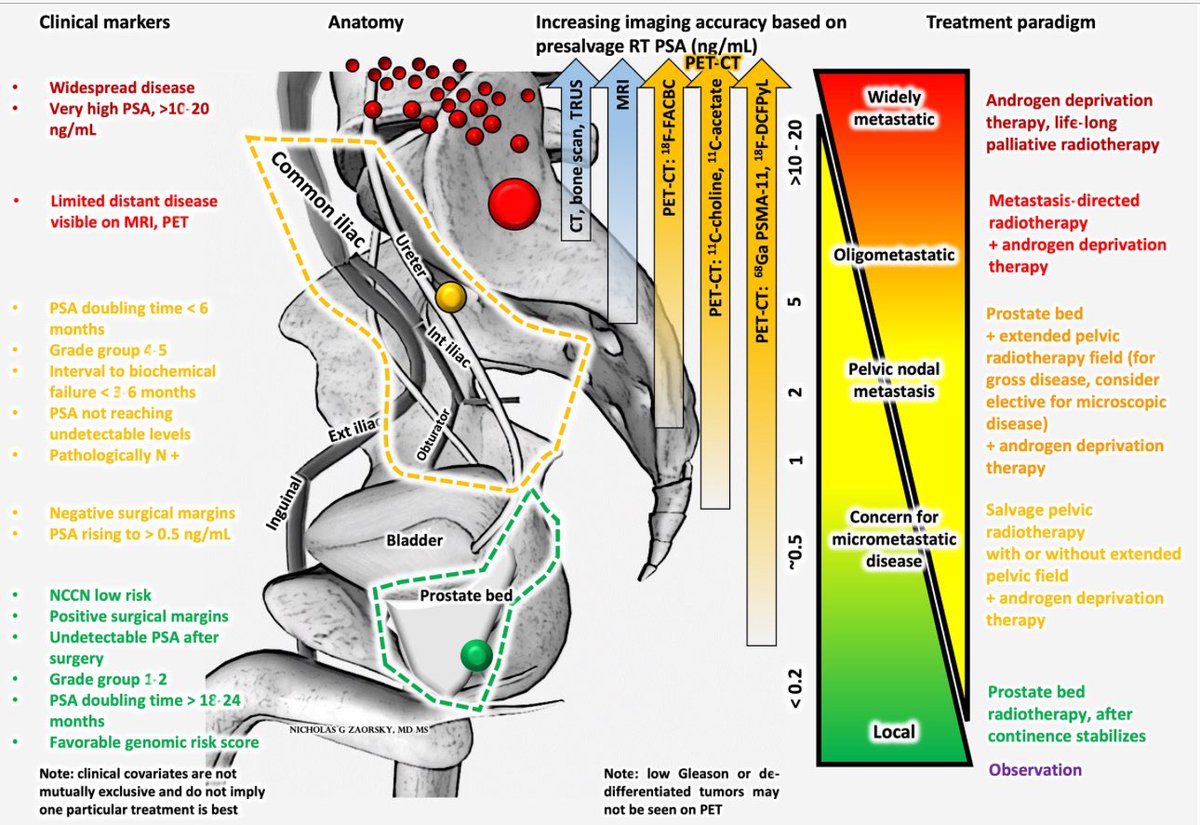
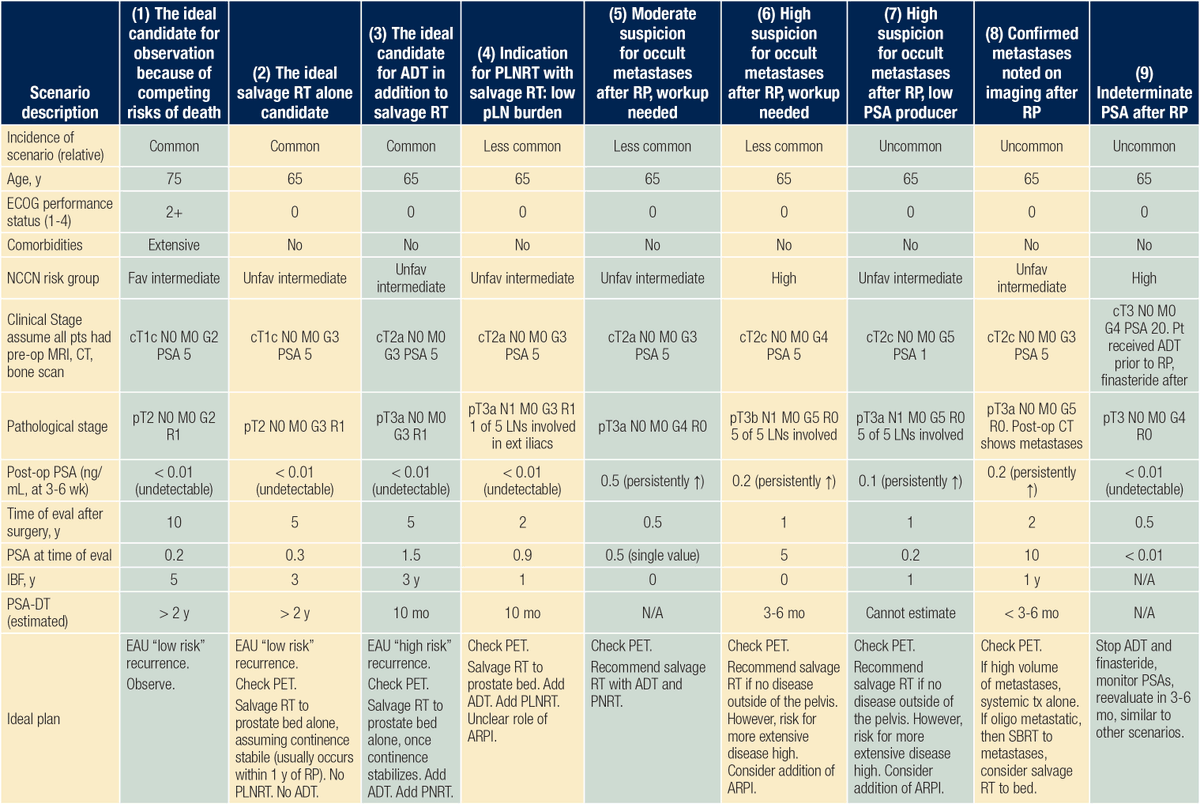
Guiding Treatment for Patients With Prostate Cancer With Biochemical Recurrence After Prostatectomy
Guía de tratamiento para pacientes con cáncer de próstata con recurrencia bioquímica tras prostatectomía
https://t.co/pAnn9WYcn1
Guiding Treatment for Patients With Prostate Cancer With Biochemical Recurrence After Prostatectomy
https://t.co/2TF9uZEFk7
with @AmarUKishan@DrSpratticus
Thanks @ASCO Daily News
Related @NatRevUrol article: https://t.co/AFzrHLoEYW
https://t.co/kfBMkjK6lD
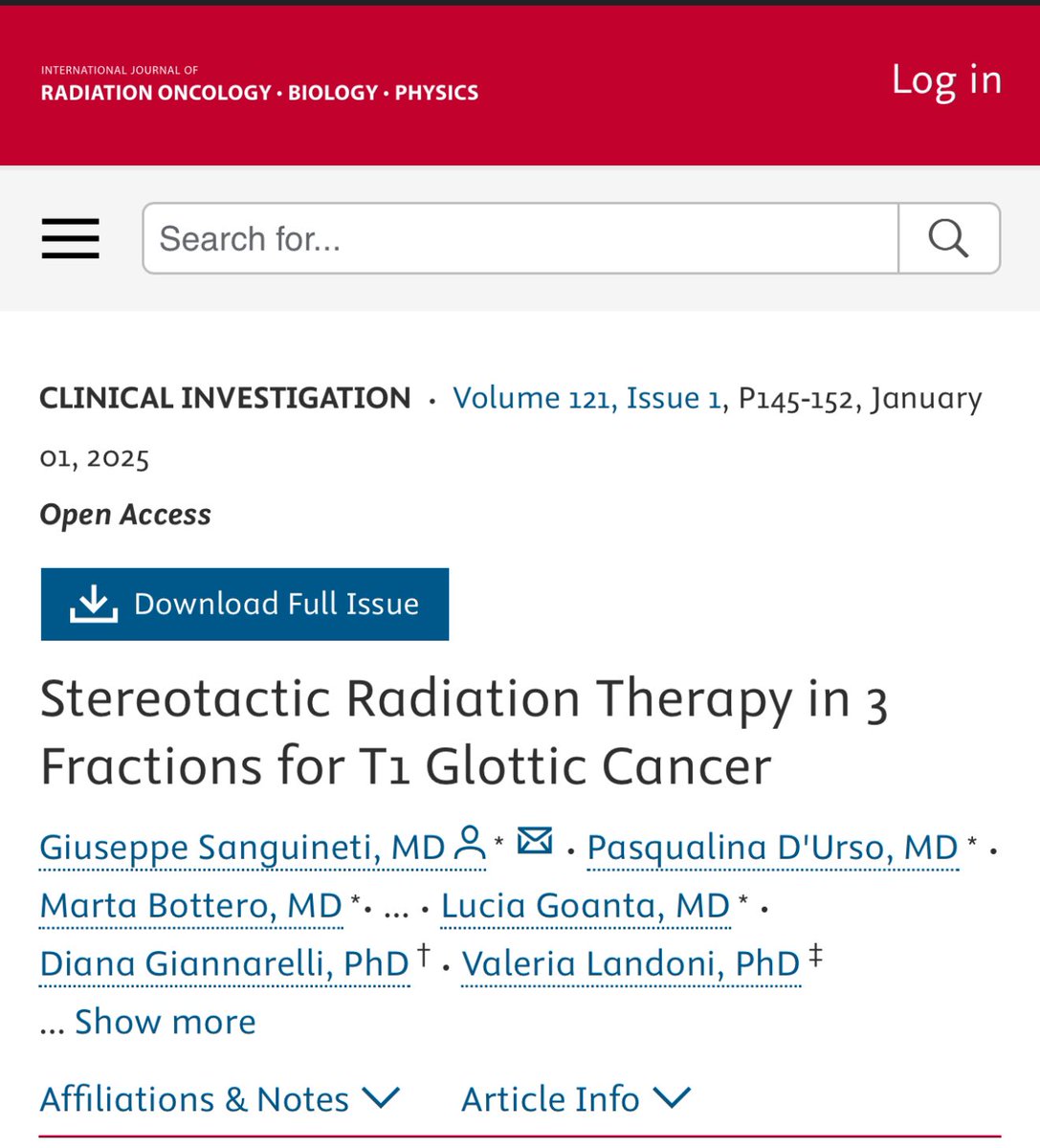
🎙️Can we revolutionize glottic cancer treatment in just 3 fractions? 🤔 @OncoAlert
🎯 Objective
Evaluate the safety and efficacy of SBRT (36 Gy/3 fractions) for T1 glottic cancer
🛠️ Methods
•Design: Prospective phase I/II study, 33 👥
•Treatment: Affected cords received 36 Gy; adjacent areas, 30 Gy
•Endpoints: Local control, toxicity, and voice quality.
📊 Outcomes
•Local control: 100% at 4 y😱
•Toxicity: 24% developed late grade ≥3 toxicity, including necrosis🥶
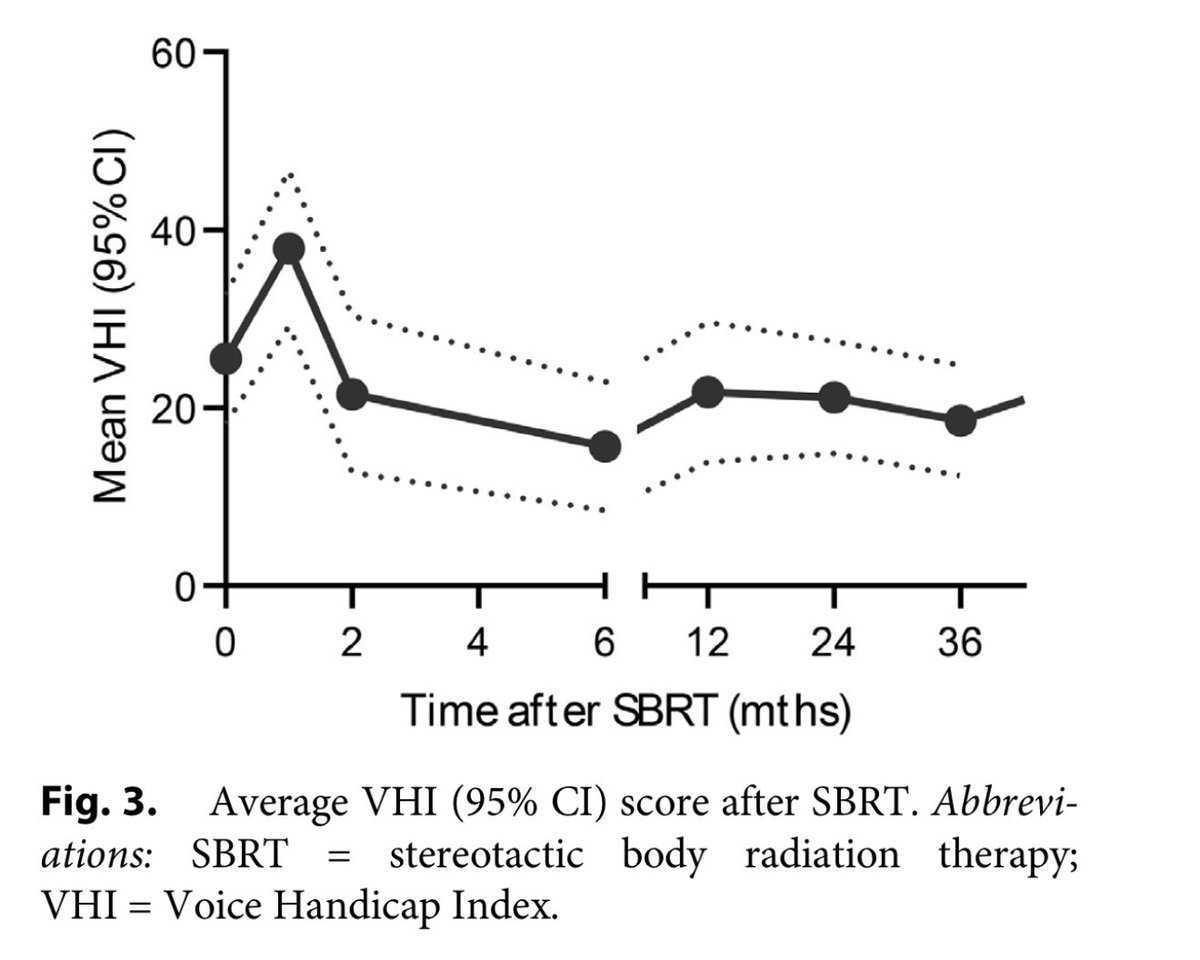
•Voice Quality: Improved by 6 mo post-treatment🤞
🏁 Conclusion
SBRT offers excellent control but late toxicity (especially in smokers) is a concern. Dose ⬇️ and 👥 selection are key❗️
🚨 PSMA-PET in Biochemically Recurrent Prostate Cancer: A Paradigm Shift❗️
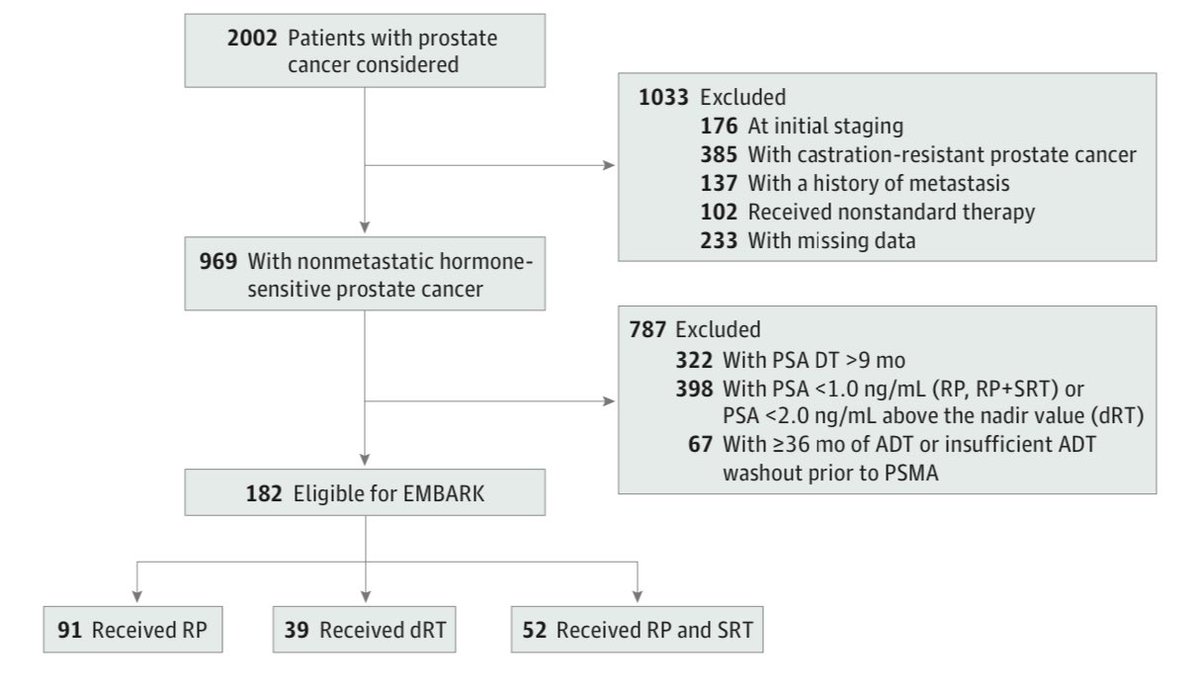
✔️Recent findings reveal that PSMA-PET/CT detects M1 metastatic disease in 46% of 👥 previously classified as non-metastatic by conventional imaging. This study sheds light on the limitations of traditional staging in high-risk, hormone-sensitive prostate cancer⚠️
📊 Key Findings:
•84% PSMA-PET ➕: Across 👥 w/ biochemical recurrence
•46% detected M1 disease: A substantial rate of under-staged metastases
•Polymetastatic disease (>5 lesions): Found in 24% of cases😱
🔍 Implications:
Conventional imaging underestimates disease burden, potentially altering treatment plans. PSMA-PET offers ⬆️accuracy for staging and risk stratification, guiding interventions like MDT and systemic treatment
🧵 SBRT in Oligometastatic Breast Cancer: What does the evidence show? A summary of key studies and their impact on survival. Let’s dive in! 👇
1/ What is Oligometastatic Breast Cancer (OMBC)?
OMBC is an intermediate state between localized and widespread metastatic disease, characterized by limited metastases (typically ≤5). It’s a promising target for local therapies like SBRT (Stereotactic Body Radiotherapy).
Ya brindamos a toda la población de córdoba y la región caribe de Colombia 🇨🇴, servicios de radioterapia de Altas Tecnologias como Radiocx (SRS) y SBRT, uso Halcyon y velocity para mayor precisión y calidad de tratamientos. ☢
#Radonc#IMATOncomedicaAUNA#Innovación#Tecnología
Ya contamos en IMAT Oncomedica AUNA, Monteria (Cordoba) 🇨🇴, la posibilidad de ofrecer a nuestros pacientes oncologicos adultos y pediátricos, tratamientos de radioterapia de Altas tecnologias como Radiocirugia Intracraneal (SRS) y SBRT con un Halcyon actualizado y uso de Velocity
This Special Communication discusses case-referenced consensus and evidence-based guidelines to inform clinical practice in unresectable locally advanced NSCLC. https://t.co/kh2WiHSz0N
🎙 Promising OS and safety outcomes of SBRT before DDLT for unresectable #HCC❗️@OncoAlert@JAMANetworkOpen
📌Study Design:
•Ph 2 nonRCT
•32 👥 w/unresectable HCC
Intervention:
•SBRT ➡️ 35 to 50 Gy/5 fx
•SBRT as bridging deceased donor liver transplant (DDLT) for matching graft availability
📊RESuLTs
•Median PFS:17.6 m
•Median OS: 60.5 m
•5-y PFS /OS: 39.9%/51.3%
◦RECIST 1.1: 75.0%
◦mRECIST: 83.9%
◦PERCIST: 87.5% (by lesions)
•PCR: 75.0% of 👥 and 58.3% of lesions for who underwent DDLT
•AEs: 1 G3 event
doi:10.1001/jamanetworkopen.2024.15998
Impact of radiation therapy for breast cancer with involved surgical margin after immediate breast reconstruction: A multi-institutional observational study.
https://t.co/vHEC4ilyiv
🎙 IMRT re☢️ and nivolumab suggested a promising ⬆️ in PFS over historical controls @OncoAlert@JAMAOnc
📌DESIGN
Ph2 investigated nivolumab combined w/ re-IMRT for recurrent/second primary #HNSCC
➖51 👥 received 60-66 Gy IMRT w/ nivolumab before, during and after ☢️➡️nivolumab alone for up to 1 y
➖🎯PFS ⬆️Miri study (43.8%)
📊RESULTS
➖After a median FU 24.5 m
➖1y PFS 61.7% vs 43.8%Hcontrol
➖Re☢️was well-tolerated w/ fatigue and lymphopenia as the most common AES
https://t.co/fHTbRmxfut
EAU-EANM-ESTRO-ESUR-ISUP-SIOG Guidelines on Prostate Cancer—2024 Update. Part I: Screening, Diagnosis, and Local Treatment with Curative Intent.
https://t.co/aedtedpn0q
EAU-EANM-ESTRO-ESUR-ISUP-SIOG Guidelines on Prostate Cancer.
Part II: 2024 Update - Treatment of Relapsing and Metastatic Prostate Cancer.
https://t.co/YRX2d7ts4F
🚨Our NEW paper out from POP-RT trial @VedangMurthy in @IJROBP !!!🤩
Elective pelvic #radiotherapy in HR-VHR #prostatecancer ⬆️ ⬆️BFFS, DFS, MFS
Does toxicity REALLY increase⁉️
Short: NO
Long: ~10% higher gr2 late urinary (p=NS)
1/
https://t.co/wCJud1EVGw
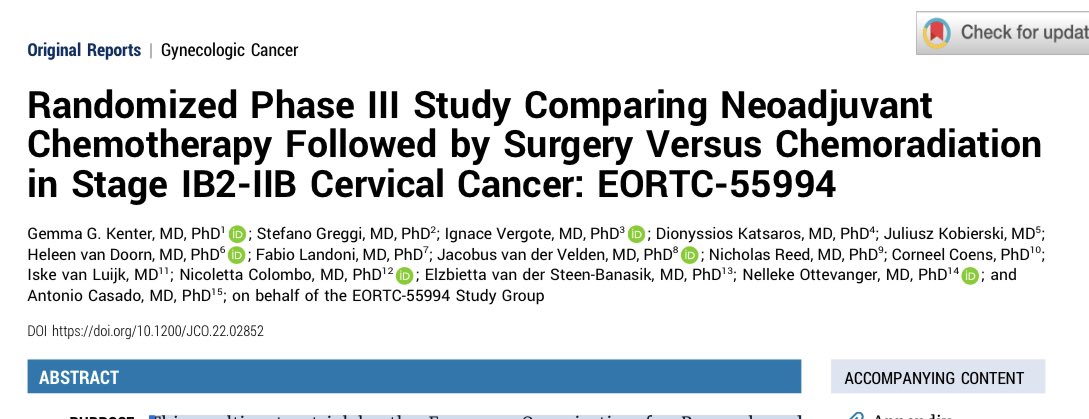
🎙️Neoadjuvant CHT followed by 🔪failed in demonstrating ⬆️ OS ✖️ CCRT for IB2-IIb #cervicalcarcinoma‼️@OncoAlert@ASCO
📌Ph3 RCT comparing neoadjuvant chemotherapy + 🔪 (NACT-S)✖️standard CCRT
- 626 👥 w/ stage IB2-IIb cervical carcinoma
-🥇🎯 : 5-y OS
📊RESULTs
- 31.6% ⚰️ after 8.7 y median FU
- Balanced age, stage, cell type in both arms
- Completion of protocol: 71% in NACT-S, 82% in CCRT
- Additional interventions: RT post NACT-S (48%), 🔪 post CCRT (8%)
- Short-term AEs ≥G3 + in NACT-S (41% vs. 23%), long-term AEs ≥ G3 ⬆️ in CCRT (21% vs. 15%)
- 5-y OS not significantly different: NACT-S (72%)✖️CCRT (76%)
https://t.co/HhKql1Rn8U
📄 “LA SBRT ES UNA NUEVA OPCIÓN DE TRATAMIENTO EN EL CÁNCER RENAL “ . Nuestra Editorial ha sido publicada en @actasurologicas 🔥
✅ La #SBRT está indicada en pacientes estadio I-III inoperables
✅ Además, debe ser considerada en pacientes oligomtx
https://t.co/yU07zFWn3I
SABR for HCC
SABR is superior to Sorafenib ( Medan OS = 17m Vs 9.6 m)
Dose 40-50Gy /3-5#
SABR = RFA
1 yr OS = 70-80%
2 yr OS = 40-50%
Largest Metaanalysis
1/2/3 yr OS = 72% / 58% / 48%
1/2/3 yr LC = 86%/83% /83%
Toxicity
GI Gr3 or more= 3.9%
Hepatic Gr3 Or more = 4.7%