History PhD, @RoehamptonUni. Mid-19th c. travel writing between UK and USA - William Wells Brown, Margaret Fuller, Nathaniel Hawthorne, Harriet Beecher Stowe
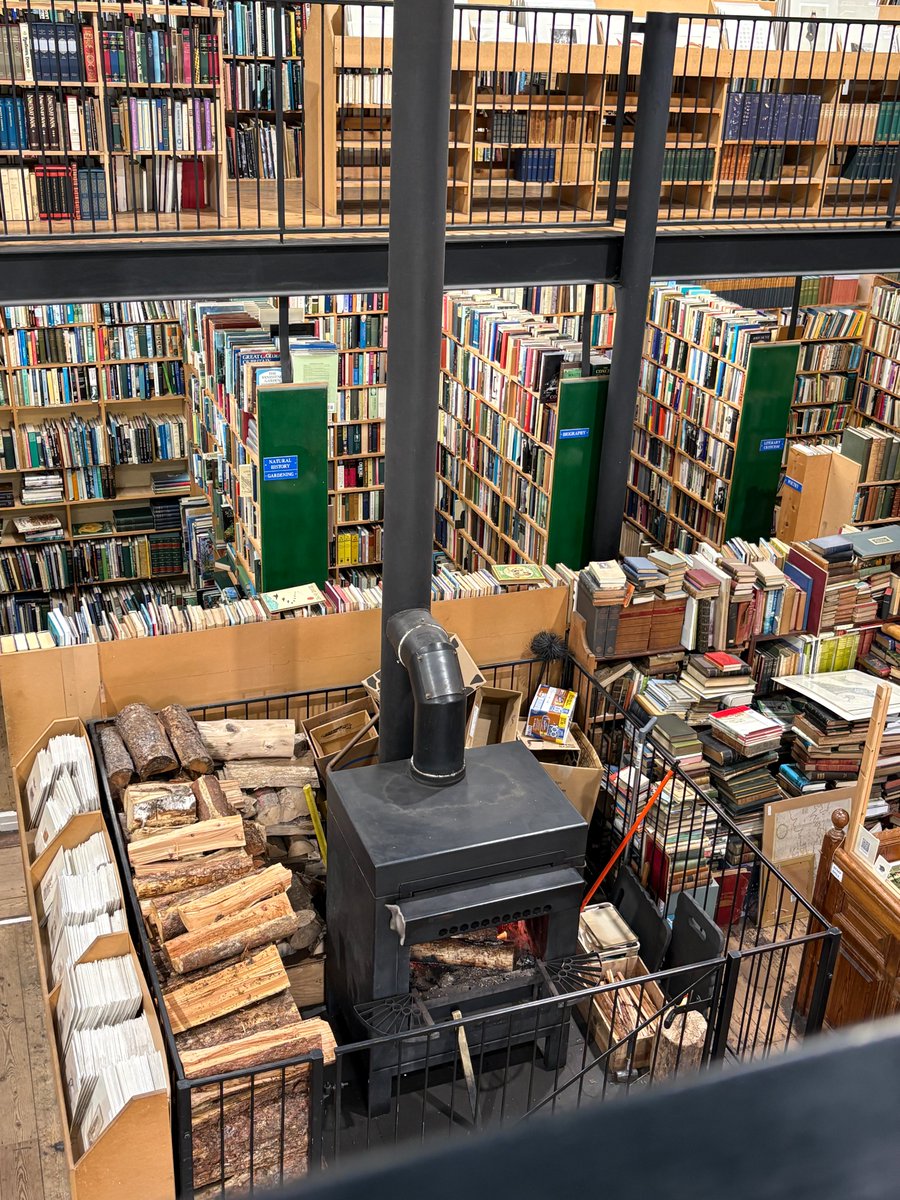
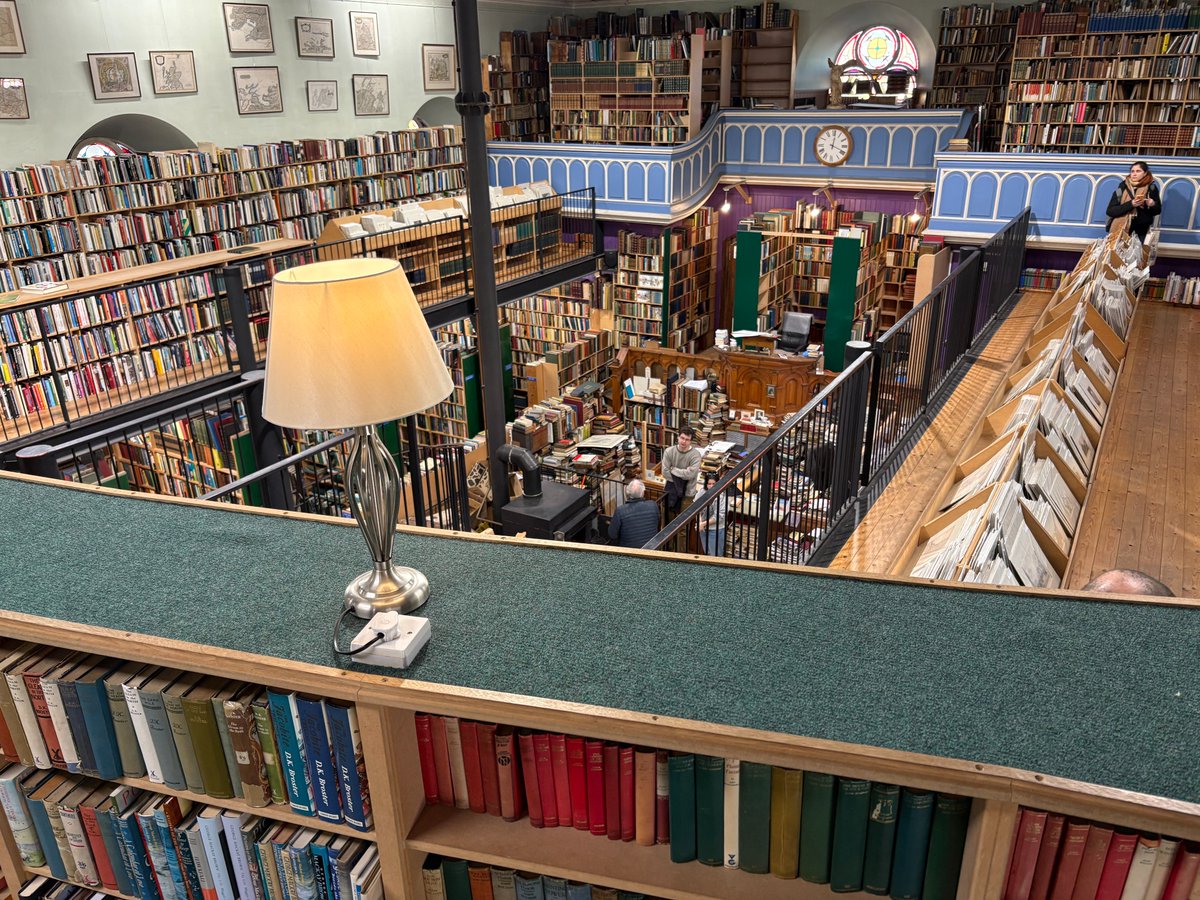
Is Leakey's in Inverness the best secondhand bookshop in Britain? Miles of aisles, beautifully organised, and I loved the wood-burning stove in the middle! https://t.co/WrjOa13Zub
PauseCon is underway in Brussels - 80 volunteers coming together to plan the route towards an international treaty to pause AI.
“The good news is we can pause AI,” says Maxime Fournes, CEO of PauseAI.
#aisafety#airegulation#ai
The endless fascination of the Tichborne Claimant case - review of Douglas Woodruff's excellent 1957 book on the Victorian court cases and their aftermath: https://t.co/7yVNNHZGQu
Anthropic cofounder: “I am deeply afraid.'"
"Make no mistake: what we are dealing with is a real and mysterious creature, not a simple and predictable machine."
"People are spending tremendous amounts to convince you that it’s not an AI about to go into a hard takeoff, it’s just a tool... It’s just a machine, and machines are things we master."
“We are growing extremely powerful systems that we do not fully understand... the bigger and more complicated you make these systems, the more they seem to display awareness that they are things”
“To be clear, we are not yet at "self-improving Al", but we are at the stage of "Al that improves bits of the next Al, with increasing autonomy and agency". And a couple of years ago we were at "Al that marginally speeds up coders", and a couple of years before that we were at "Al is useless for Al development". Where will we be one or two years from now?
And let me remind us all that the system which is now beginning to design its successor is also increasingly self-aware and therefore will surely eventually be prone to thinking, independently of us, about how it might want to be designed.
Of course, it does not do this today. But can I rule out the possibility it will want to do this in the future? No.”
AI needs discussing at many levels such as its role in academia and for the future of jobs. Most important, if less obvious, are the implications of the fact that its behaviour is already well beyond human understanding. How should we deal with that? With extreme caution I think.
NEW EPISODE DROPPED...
AI safety advocate @MaxWinga joins me to break down the reckless billionaire AI race, the path to superintelligence, and why humanity may only have 5 years left.
Watch – https://t.co/iVzmJff3qD Links to full episode in 🧵
Great to see that the subject of my thesis - how the experience of nineteenth century American visitors to Britain compared to their expectations - is still a live issue today:https://t.co/88XPH656wK
My obscure but interesting podcast Tech Business History, about the dot com boom - made for a History Masters at @RoehamptonUni has hit 2,500 downloads. Just as relevant in these days of 'irrational [AI] exuberance'. Listen on all good podcast providers: https://t.co/ajz232QmV1
In 1891, George Gissing predicted AI, in wishing authorship could be automated: "the problem must be comparatively such a simple one. Only to throw in a given number of old books, and have them reduced, blended, modernised into a single one for to-day’s consumption".
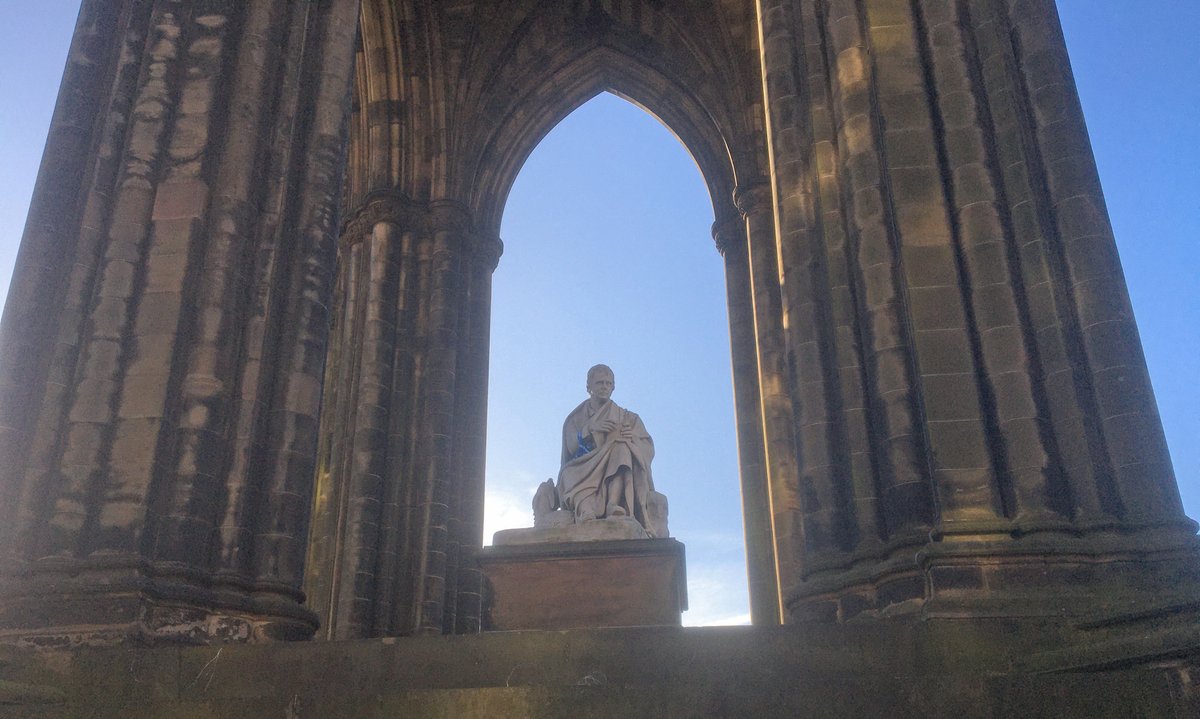
"While we were passing the monument of Scott, I felt an oppressive melancholy ...Where are all those great souls that have created such an atmosphere of light about Edinburgh? and how little a space was given them to live and to enjoy!" Harriet Beecher Stowe, 1853
"The air [in Edinburgh] seemed to be full of spirits of those who, no longer living, have woven a part of the thread of our existence. I do not know that the shortness of human life ever so oppressed me as it did on coming near to the city." Harriet Beecher Stowe, 1853.
"We passed through the town of Stirling, whose castle, magnificently seated on a rocky throne, looks right worthy to have been the seat of Scotland's court, as it was for many years." Harriet Beecher Stowe, @stirlingcastle, 1853. More at @ScotAmStudies on Saturday.
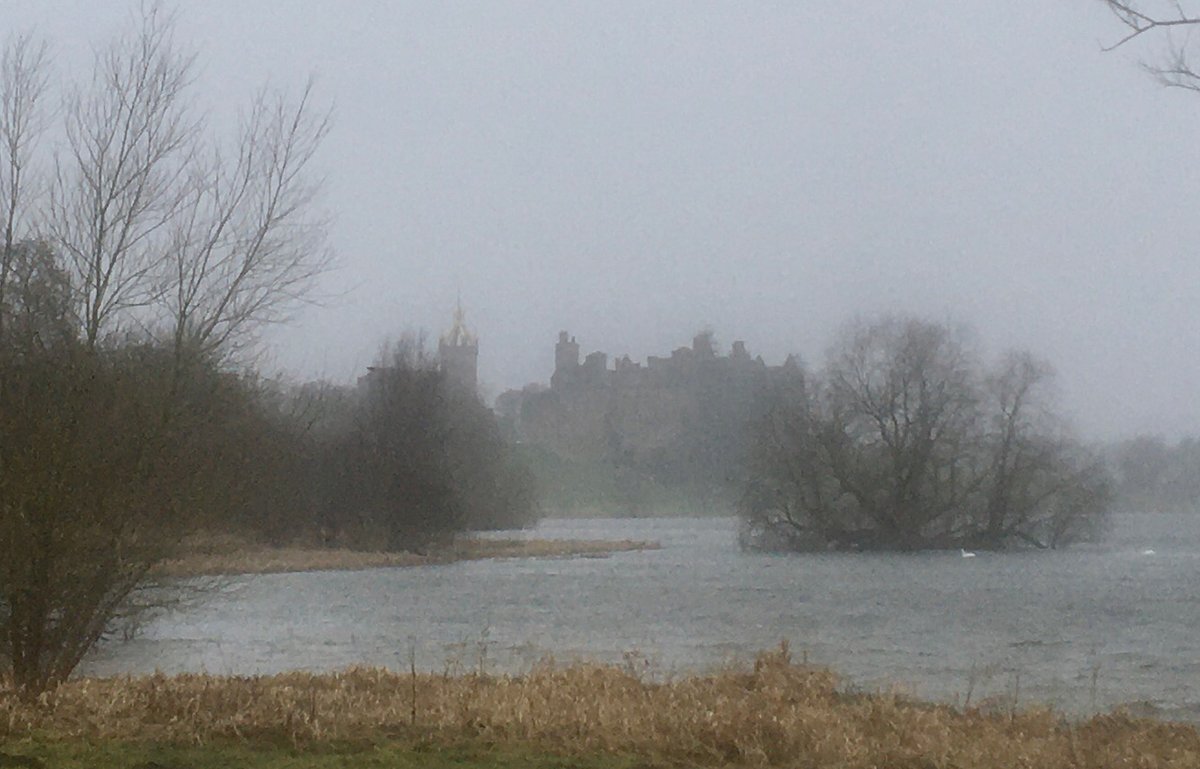
"The castle has a very sad and romantic appearance, standing there all alone as it does, looking down into the quiet lake". Harriet Beecher Stowe on Linlithgow Castle, which I visited yesterday ahead of the @ScotAmStudies conference in Edinburgh on Saturday.
Podcast hosts and guests are no longer needed ...Google's NotebookLM can do it all. I asked AI to discuss three academic papers: …https://t.co/YLGOGQb6rT








![AngloAm19's tweet photo. My obscure but interesting podcast Tech Business History, about the dot com boom - made for a History Masters at @RoehamptonUni has hit 2,500 downloads. Just as relevant in these days of 'irrational [AI] exuberance'. Listen on all good podcast providers: https://t.co/ajz232QmV1 https://t.co/2RJUXLDjcS](https://pbs.twimg.com/media/GvPLQHdW4AAH2hX.png)


![AngloAm19's tweet photo. "The air [in Edinburgh] seemed to be full of spirits of those who, no longer living, have woven a part of the thread of our existence. I do not know that the shortness of human life ever so oppressed me as it did on coming near to the city." Harriet Beecher Stowe, 1853. https://t.co/4HgssLwoeS](https://pbs.twimg.com/media/Gk0Hw3LWsAAbpd7.jpg)





