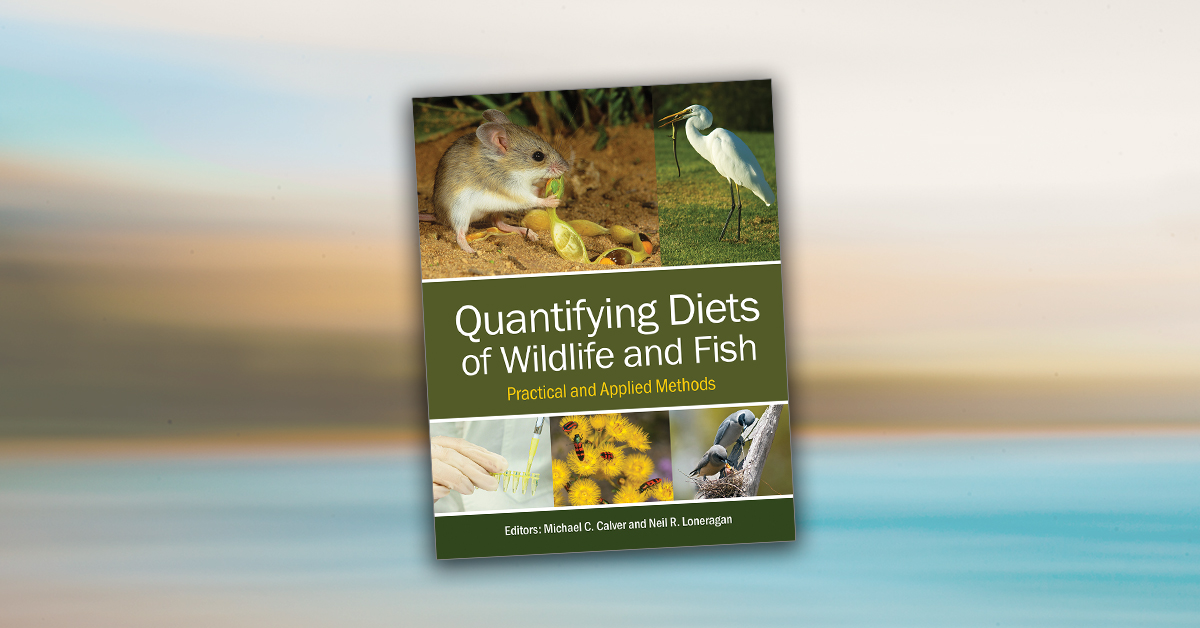
Just published:
Quantifying Diets of Wildlife and Fish: Practical and Applied Methods
Bringing together knowledge from both terrestrial and aquatic systems, this book explores traditional approaches as well as newer methods for studying animal diets.
https://t.co/LiRyHd4JX7
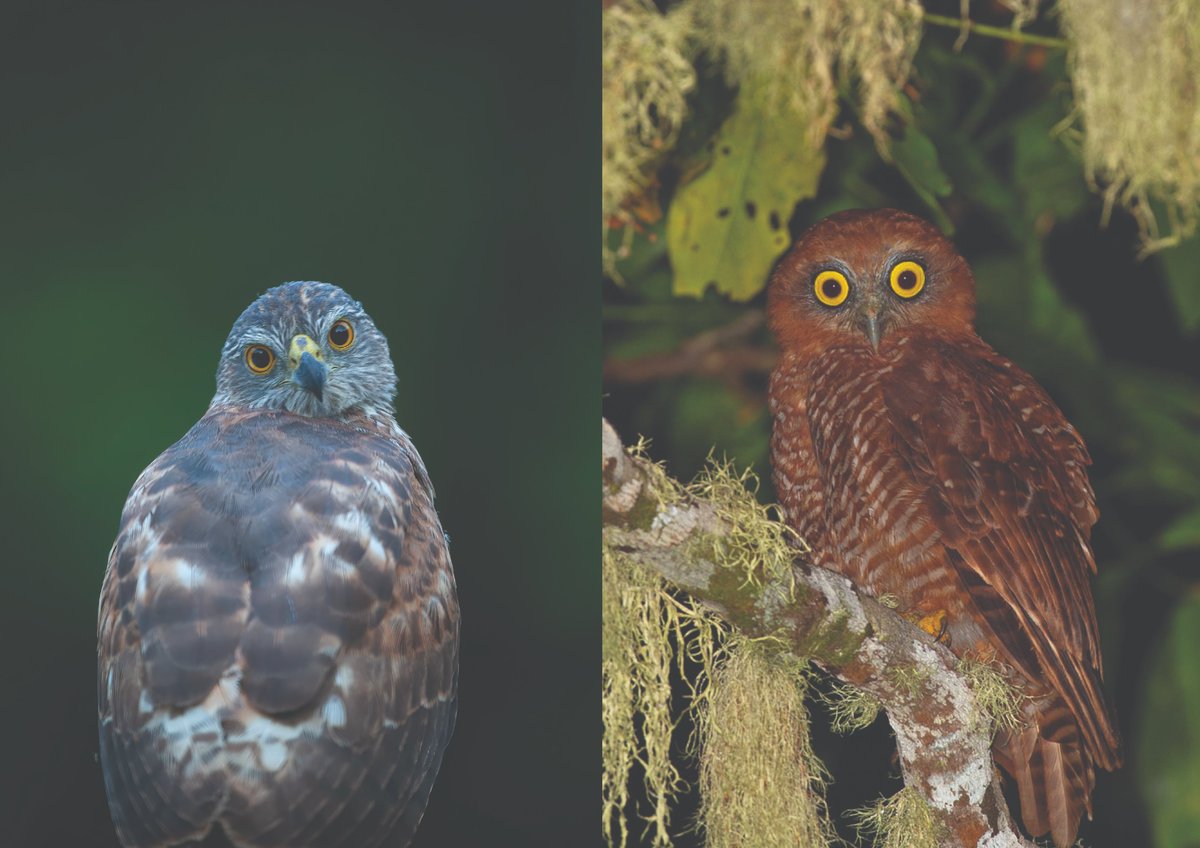
Our new research aims to better understand two threatened species: the Christmas Island goshawk and the Christmas Island hawk-owl.🦅🦉
We're learning more about their population sizes, habitat preferences, diet and genetic diversity. #ChristmasIsland
https://t.co/twSlvChlFA
1/2
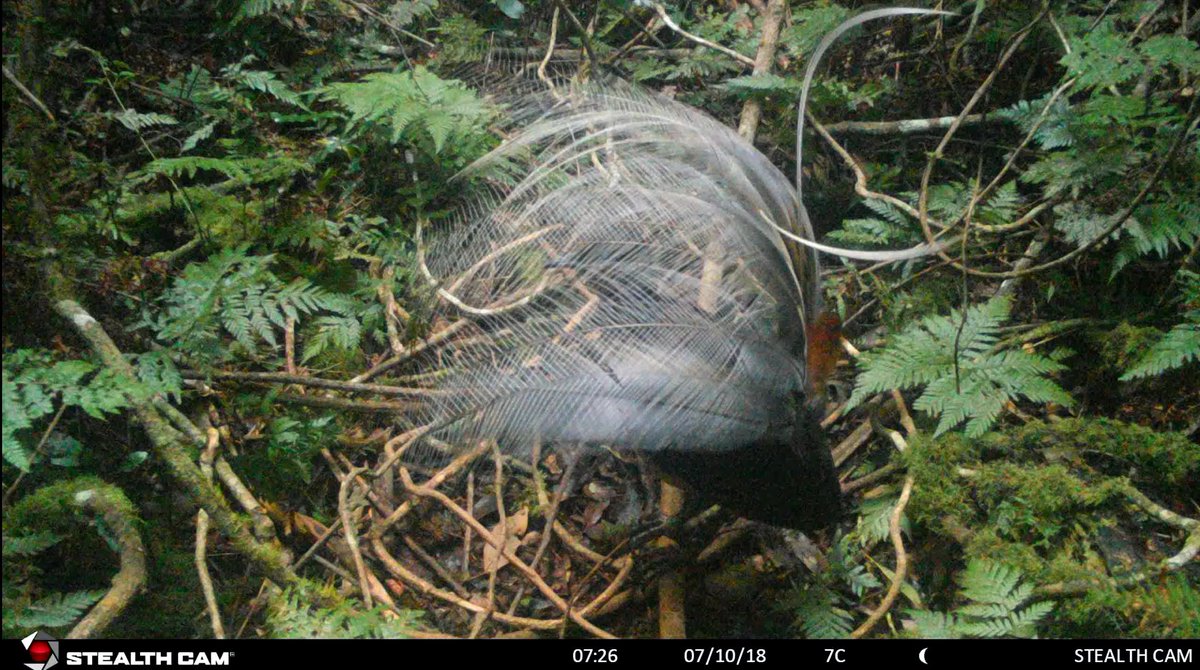
#ABCscience is having a #lyrebird song and dance extravaganza for #scienceweek!
https://t.co/Zfeqdx3DVO
For more on the science of lyrebird song and dance see https://t.co/5dLu7qAGuy including (thread):
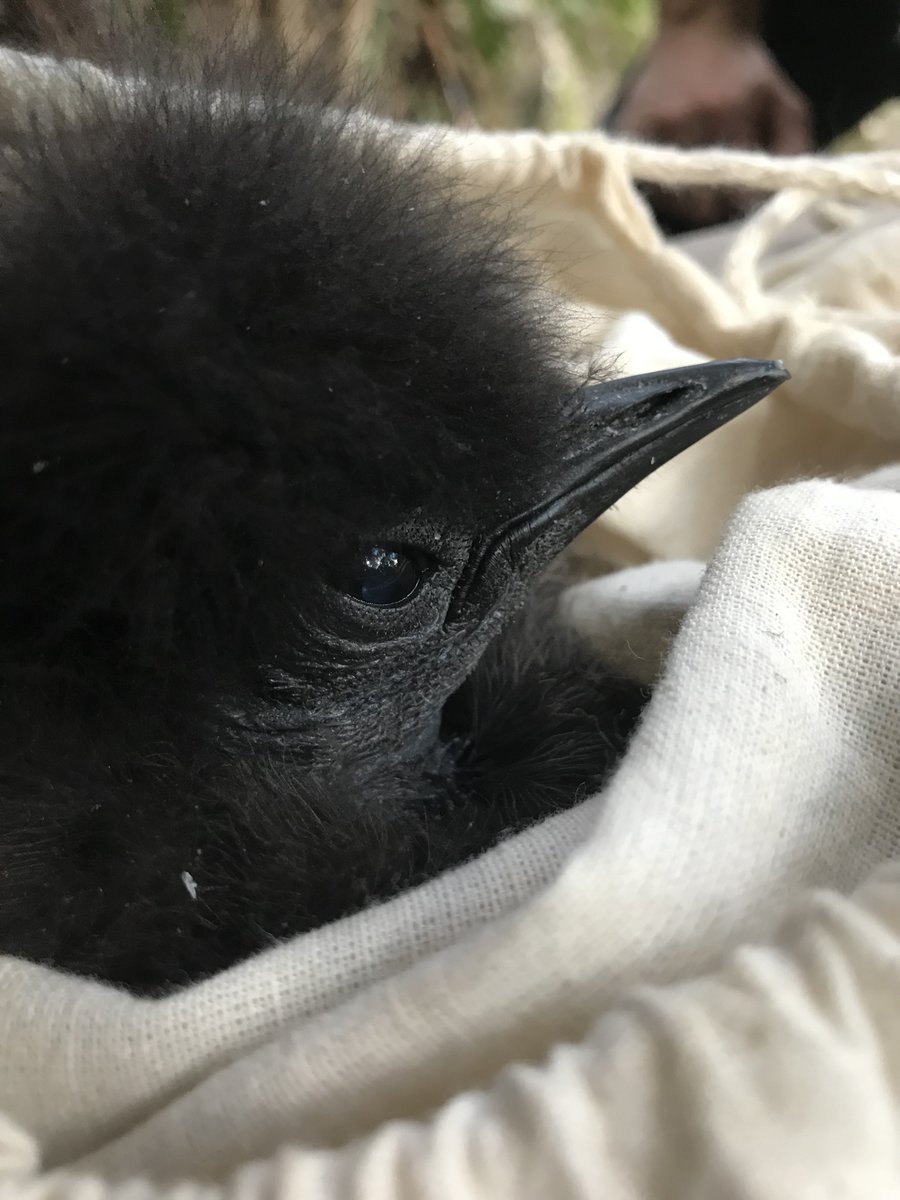
Cuteness & New Paper🚨
We use Close-kin mark-recapture to assess the critically endangered 🎄🏝️🦇
CKMR estimated total adult female abundance to be ~2050 individuals!
@SciReports@CSIRO@westsyduhie@batslab@AusBats@AnimalEcoLab
https://t.co/Ocy3eI4jEa
Our new paper is out in @Amornith! We now know that "Preferred nesting habitat of the slow-breeding Superb #Lyrebird is rare and was disproportionately impacted by Australia’s “Black Summer” #megafires (2019–2020).." https://t.co/GyCZaxKZNQ. Congratulations @lyrebirdlab
A new study led by Western Sydney University @westsyduhie reveals Albert’s lyrebirds are losing their voice due to continued habitat loss, with variation in song diversity indicating declining population health and the need for conservation action. READ - https://t.co/jxEY9gwkJf
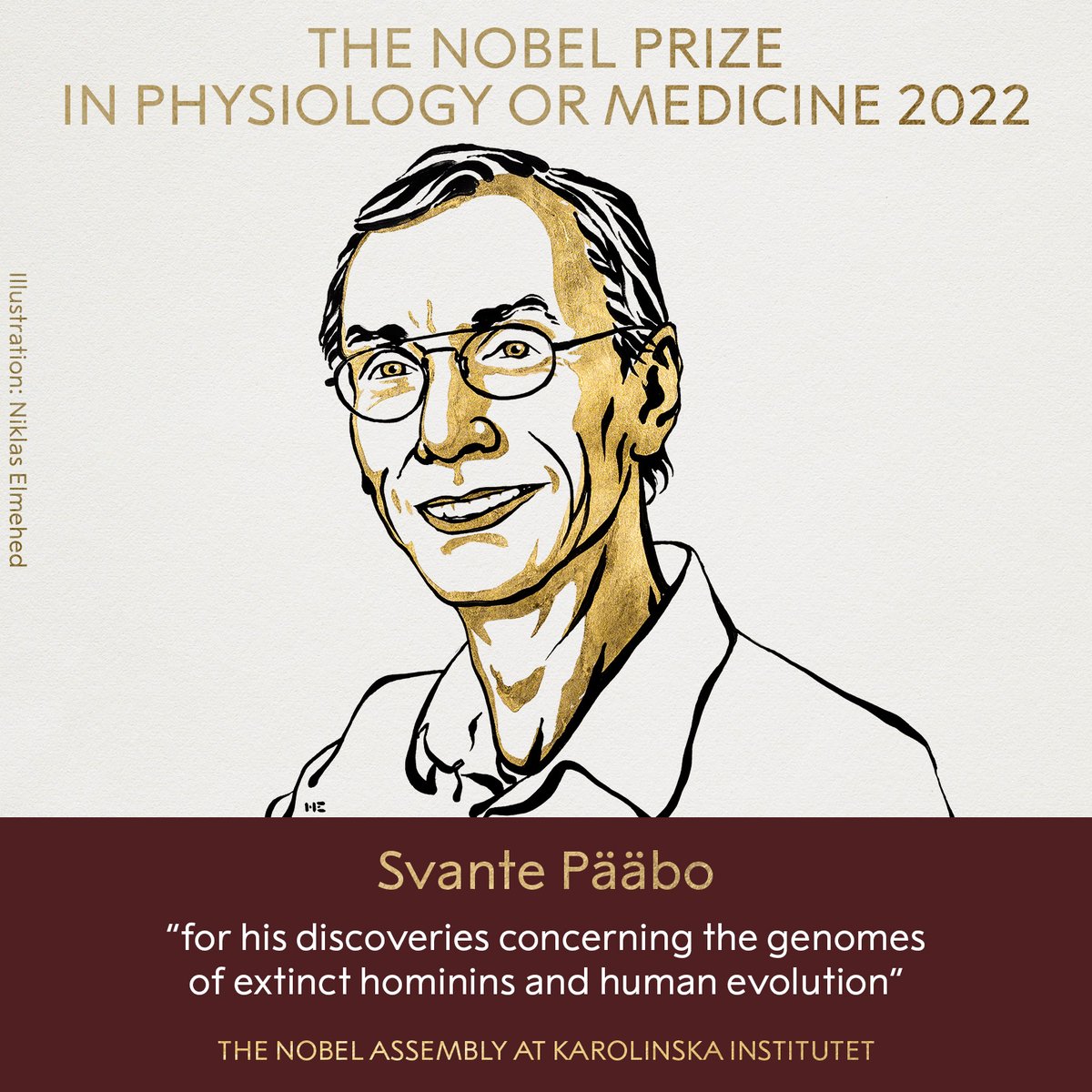
BREAKING NEWS:
The 2022 #NobelPrize in Physiology or Medicine has been awarded to Svante Pääbo “for his discoveries concerning the genomes of extinct hominins and human evolution.”
Multiple postdoctoral Research positions are available in Soil and Plant Microbiomes, in our group @westsyduhie Prior experience in virome, metagenomics and/or metabolomics is advantageous. Deadline for application submission in 3 October. Please re-tweet
https://t.co/tecyYdIFx0
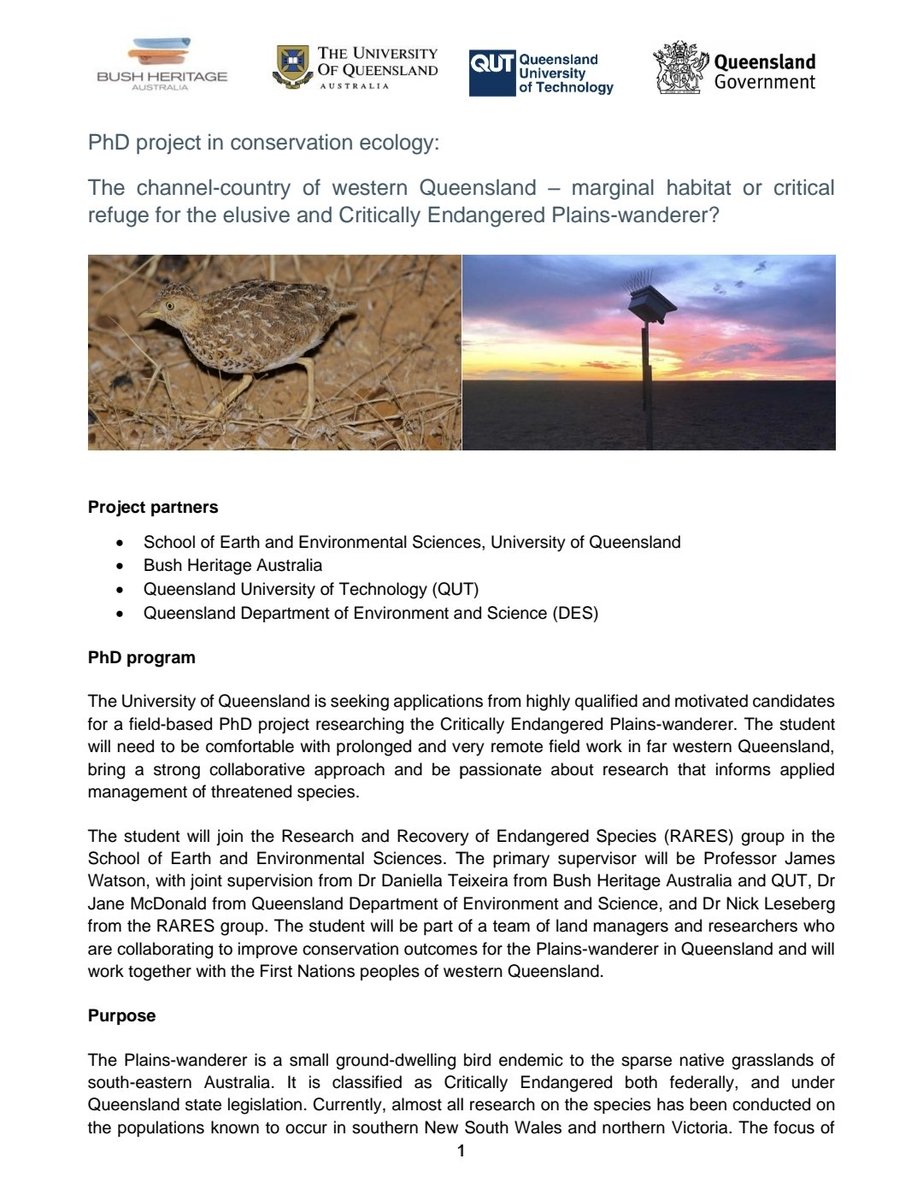
An exciting opportunity for a field-based PhD project, the student will need to be comfortable with prolonged and very remote field work in western Queensland, bring a strong collaborative approach, and be passionate about research that informs management of threatened species