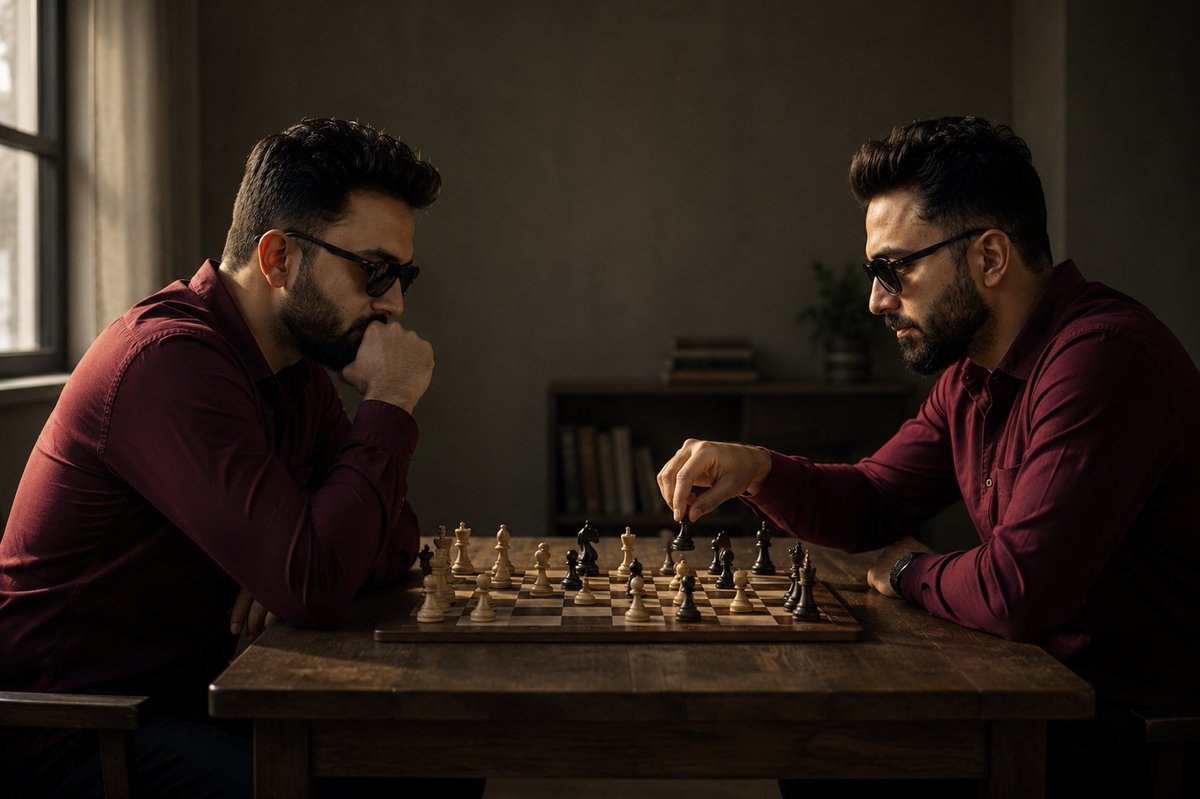
@JoelOsteen Sometimes the battle isn't that you don't have enough. It's that you've spent so long looking at what's missing that you've forgotten who is already with you.
🇺🇸Trump just put a number on his own Hormuz toll plan. 2 billion dollars a day to reopen the strait.
🇨🇳China's Foreign Ministry pushed back immediately: "The Strait was open before the war. The root of the problem lies in your illegal actions against Iran. You have created a global crisis out of nothing."
This is the 2 biggest economies on earth publicly disputing who owns the blame, and the bill, for the chokepoint carrying 30% of the world's seaborne crude.
Anonyme.
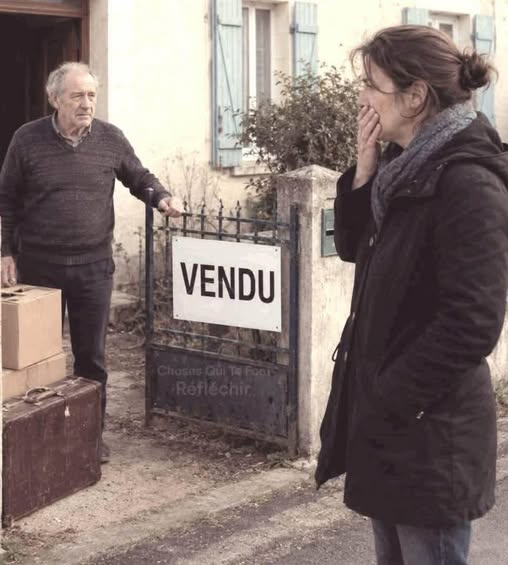
Mon père a vendu la maison familiale avant qu’on puisse en hériter. Ce jour-là, j’ai vu ce que l’argent pouvait faire à des enfants adultes.
Je suis arrivée chez lui un dimanche matin, dans notre petite ville près d’Angers.
D’habitude, quand j’ouvrais le portail, je sentais déjà le café chaud et le pain grillé. Mon père mettait toujours la radio trop bas, comme s’il avait peur de déranger les murs.
Mais ce matin-là, il n’y avait rien de tout ça.
Juste une odeur de carton, de poussière et de ruban adhésif.
Et sur le portail, un panneau blanc avec un seul mot écrit en grand :
VENDU.
Je suis restée plantée là, mon sac à la main.
La maison de mon enfance. Le petit pavillon avec les volets bleus, le carrelage froid dans l’entrée, le vieux cerisier derrière, la marche fendue devant la cuisine.
Vendue.
À l’intérieur, mon père, Marcel, était au milieu du salon presque vide. Il avait 69 ans, les épaules un peu tombées, les cheveux gris mal peignés, et il écrivait “vaisselle” sur un carton avec un feutre noir.
Il avait l’air calme.
Trop calme.
Mon frère Julien est arrivé quelques minutes après moi. Il a vu le salon, les murs nus, les cartons.
Puis il a vu mon père.
“Papa, c’est quoi ce délire ?”
Mon père a levé les yeux.
“Bonjour, Julien.”
“Bonjour ? Tu as vendu la maison ? Sans nous prévenir ?”
Je n’ai rien dit. Mais au fond, j’étais aussi choquée que lui.
Cette maison, c’était nos Noëls, nos disputes, les dimanches trop longs, les devoirs sur la table de la cuisine. C’était la voix de maman qui nous appelait depuis le couloir.
Mais Julien n’a pas parlé de maman.
Il a parlé d’argent.
“Tu te rends compte ? Cette maison, c’était notre héritage. On avait besoin de savoir. Moi, avec les enfants, j’aurais pu m’y installer plus tard. Ou alors on aurait pu la vendre proprement et partager.”
Mon père a reposé son feutre.
“Vous aviez déjà prévu de la vendre ?”
Personne n’a répondu.
Même moi.
Parce que j’y avais pensé aussi.
Pas tous les jours. Pas à voix haute. Mais quand le loyer augmentait. Quand la voiture devait passer au garage. Quand je regardais mon compte en fin de mois.
Je me disais : un jour, il y aura la maison.
Comme si mon père devait disparaître pour que ma vie respire un peu.
Cette pensée m’a fait honte dès qu’elle m’a traversée.
Julien, lui, était rouge de colère.
“Et tu vas faire quoi avec l’argent maintenant ?”
Mon père s’est redressé doucement. Ses genoux ont craqué.
“Je vais prendre un petit appartement. Un deux-pièces avec ascenseur. Pas loin du médecin, de la pharmacie et de la boulangerie.”
“Et le reste ?”
“Je vais l’utiliser.”
Julien a eu un rire sec.
“L’utiliser comment ?”
Mon père l’a regardé droit dans les yeux.
“Pour vivre correctement. Pour acheter de la bonne nourriture. Pour changer mes lunettes. Pour chauffer mon appartement sans compter chaque heure. Pour aller chez le dentiste sans repousser encore. Et pour emmener votre mère voir l’océan.”
Un silence lourd est tombé.
“Maman est morte”, a murmuré Julien.
“Je sais”, a répondu mon père.
Il a pris un petit cadre posé sur le buffet. Une photo de maman dans le jardin, avec son gilet rouge et son sourire fatigué.
“Elle voulait voir l’océan. Pas les îles, pas un grand voyage. Juste l’océan. Elle disait toujours : quand ce sera plus calme, Marcel, on ira.”
Il a passé son pouce sur le verre du cadre.
“Mais ce n’était jamais calme. Il fallait aider l’un. Puis aider l’autre. Réparer le toit. Payer des études. Donner un coup de main pour un déménagement. Et après, elle est tombée malade.”
Je sentais ma gorge se serrer.
Mon père n’a jamais été un homme qui se plaignait.
Quand ma machine à laver avait lâché, il m’avait glissé un chèque dans une enveloppe. Quand Julien avait eu besoin d’un apport pour changer de voiture, papa avait “participé un peu”.
À Noël, il arrivait toujours avec des cadeaux pour les petits, mais lui gardait son vieux manteau râpé.
Nous trouvions ça normal.
C’était papa.
Puis il a montré l’escalier.
“Le mois dernier, je suis tombé là.”
Je me suis retournée.
“Quoi ?”
“Trois marches avant le bas. Je suis resté presque une heure par terre. Mon téléphone était dans la chambre.”
J’ai senti mon ventre se nouer.
“Pourquoi tu ne nous as pas appelés ?”
Il a eu un petit sourire triste.
“Vous êtes toujours pressés.”
Ce n’était pas un reproche.
C’était pire.
C’était vrai.
Julien a baissé les yeux, puis il a pris sa veste.
“Fais comme tu veux”, a-t-il lancé.
Et il est parti en claquant la porte.
Moi, je suis restée.
J’ai aidé mon père à fermer les derniers cartons. Dans l’un d’eux, il y avait nos vieilles cartes de fête des mères, un mug ébréché que j’avais peint à l’école, une médaille de foot de Julien, des photos pliées.
Il n’avait rien jeté.
Pas même les choses moches.
Alors j’ai compris.
Mon père ne vendait pas nos souvenirs.
Il quittait seulement une maison devenue trop lourde pour ses jambes, trop grande pour ses soirées, trop pleine de silence.
J’ai pleuré sans bruit.
Il a fait semblant de ne pas voir.
“Claire,” a-t-il dit doucement, “je ne veux rien vous enlever.”
J’ai secoué la tête.
“Si, papa. Enlève-le-nous.”
Il m’a regardée, perdu.
“Enlève-nous cette idée affreuse qu’on a le droit d’attendre ta mort pour régler nos problèmes.”
Ses yeux se sont remplis d’eau.
Trois semaines plus tard, je suis allée le voir dans son nouvel appartement.
C’était petit, simple, propre. Il y avait deux tasses sur la table, du café, du beurre, de la confiture d’abricot.
Sur le mur, la photo de maman.
Et sur le buffet, deux billets de train pour La Rochelle.
Mon père m’a dit :
“Je vais y aller seul. Mais je prendrai son foulard.”
Je lui ai pris la main.
“Vas-y, papa. Et cette fois, n’attends pas que tout le monde soit servi avant de vivre.”
Il a baissé la tête.
Puis il a souri.
Le jour où mon père a vendu la maison, j’ai cru qu’il nous prenait quelque chose.
Aujourd’hui, je sais qu’il reprenait seulement ce que nous avions trop longtemps considéré comme acquis. Sa propre vie.
Via Le monde littéraire
#JesusChrist was sent to save humanity from ignorance & oppression & to guide them to the light of knowledge, justice & servitude to God. He never paused in his fight against evil & in invitation to goodness. This is a lesson for Christians & Muslims believing in his prophethood.
Dr. Amanda Hess was 9 months pregnant with complications, and was in the hospital to be induced into labor.
She was putting on her gown when she overheard that a mother in another room needed an emergency delivery because her baby was in distress, but her doctor wasn’t available.
Amanda threw on another gown and delivered the woman’s baby. Then she gave birth to her own baby an hour later.
BREAKING🚨: This is Massive from Italy.🔥
🇮🇹 Italy under Meloni REJECTS proposal from Trump’s envoy to replace Iran with Italy at the World Cup
Italy called this idea as 'VERY SHAMEFUL'
🇮🇹 ITALY under MELONI politely saying "Get lost TRUMP"
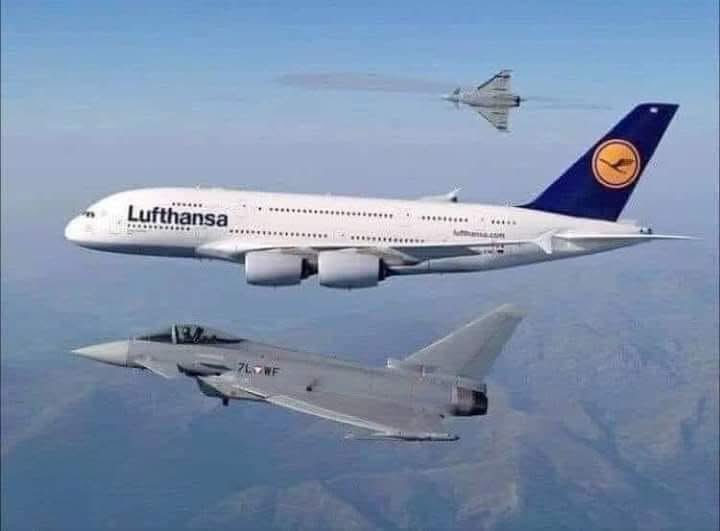
An Airbus 380 is on its way across the Atlantic. It flies consistently at 800 km/h at 30,000 feet, when suddenly a Eurofighter with a Tempo Mach 2 appears.
The pilot of the fighter jet slows down, flies alongside the Airbus and greets the pilot of the passenger plane by radio: "Airbus, boring flight isn’t it? Now have a look here!"
He rolls his jet on its back, accelerates, breaks through the sound barrier, rises rapidly to a dizzying height, and then swoops down almost to sea level in a breathtaking dive. He loops back next to the Airbus and asks: "Well, how was that?"
The Airbus pilot answers: "Very impressive, but watch this!"
The jet pilot watches the Airbus, but nothing happens. It continues to fly straight, at the same speed. After 15 minutes, the Airbus pilot radios, "Well, how was that?
Confused, the jet pilot asks, "What did you do?"
The AirBus pilot laughs and says: "I got up, stretched my legs, walked to the back of the aircraft to use the washroom, then got a cup of coffee and a chocolate fudge pastry."
The moral of the story is: When you’re young, speed and adrenaline seems to be great. But as you get older and wiser, you learn that comfort and peace are more important.
This is called S.O.S.: Slower, Older and Smarter.
Dedicated to all my senior friends ~ it’s time to slow down and enjoy the rest of the trip.
Author Unknown
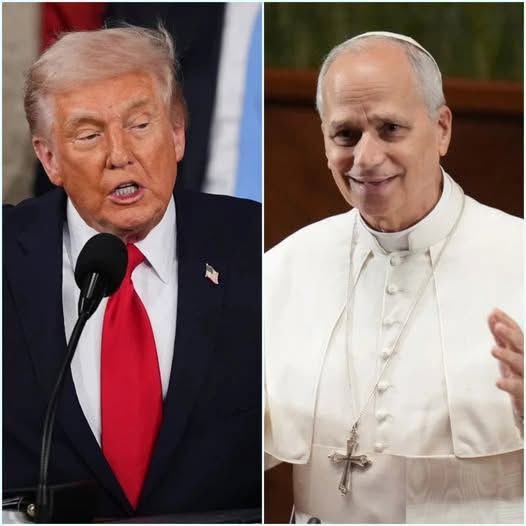
SHOCKING CLASH: Donald Trump CALLS POPE LEO XIV “AN INSULT TO JESUS” — THE POPE’S RESPONSE STUNS THE WORLD
Donald Trump believed he could score easy political points by calling Pope Leo XIV “an insult to Jesus,” after the spiritual leader once again spoke out in defense of peace, compassion, and human dignity. However, he was challenging a voice rooted not in politics, but in moral authority.
Standing before a solemn gathering at the Vatican, Pope Leo XIV did not respond with anger. Instead, he delivered a powerful and deeply moving message grounded in faith, responsibility, and truth.
“The President of the United States has said that I insult Jesus,” Pope Leo XIV began, his voice calm yet firm. “But let us reflect honestly — what truly insults the teachings of Christ?”
Then, with quiet intensity, he answered:
“You want to know what truly insults Jesus? It is when we turn away from those who suffer, when we close our hearts to the poor, and when we choose power over compassion while others cry out for mercy.”
He continued:
“You know what insults Jesus? It is forgetting the dignity of every human being, ignoring the pain of families in crisis, and refusing to hear the voices of the most vulnerable among us.”
His message then deepened, becoming not just a response, but a moral call that reached far beyond the moment:
“You know what insults Jesus? It is creating division where there should be unity, spreading fear where there should be hope, and turning away from justice when we have the responsibility to uphold it.”
This was not merely a political rebuttal — it was something far more profound. Pope Leo XIV, known for his humility and steadfast commitment to peace, transformed the confrontation into a reflection on conscience rather than conflict. Instead of escalating tensions, he elevated the conversation to a universal moral level.
“I do not claim to be perfect,” he admitted. “But I strive each day to walk the path of compassion — to serve, to listen, and to love as we are all called to do.”
Then came the line that resonated far beyond the walls of the Vatican:
“If we truly believe in a world shaped by peace and mercy… then why do we not work harder to bring that reality into our lives — here and now, for one another?”
That was his response. Not with anger. Not with division. But with conviction — and grace.
Trump sought to challenge him. Instead, Pope Leo XIV delivered a message now echoing across millions, reminding the world that true strength is found not in power alone, but in conscience, humility, and love.
Emmanuel Macron:
“If you bomb countries because you disagree with their regime, it opens a Pandora’s box. Iran is a bad regime, but bombing doesn’t work. Iraq, Afghanistan, Libya — 20 years of interventions have produced no results. Change must come from within, from the people.
We do not want to depend on China’s dominance or be overly vulnerable to the unpredictability of the United States. France does not want to be a vassal of any power.
There is a ‘third path’ — uniting Korea, Europe, Canada, Japan, India, Brazil, and Australia. It’s a format for countries that do not want to depend on China or automatically side with the U.S.
France is facing growing risks due to Russia’s war against Ukraine. China is trying to control supply chains and critical minerals. The United States is reshaping trade through tariffs and extraterritorial measures.”
Sadio Mane, a Senegalese soccer star, earns approximately $10.2 million annually. He gave the world a rude awakenng after some fans were flabbergasted when they saw him carrying a cracked iPhone 11. His response was awesome:
"Why would I want ten Ferraris, 20 diamond watches, and two jet planes? I starved, I worked in the fields, played brefoot, and I didn't go to school. Now I can help people. I prefer to build schools and give poor people food or clothing. I have built schools and a stadium, provide clothes, shoes, and food for people in extreme poverty. In addition, I give 70 euros per month to all people from a very poor Senegalese region in order to contribute to their family economy. I do not need to display luxury cars, luxury homes, trips, and even planes. I prefer that my people receive some of what life has given me.
🇪🇸 | ÚLTIMA HORA: España cierra su espacio aéreo a todos los vuelos de aeronaves que participen, directa o indirectamente, en la guerra contra Irán.
Se deniega el paso por el cielo español a aviones militares o vinculados a la ofensiva contra Irán, incluidos aquellos procedentes de bases en otros países, como Reino Unido o Francia.
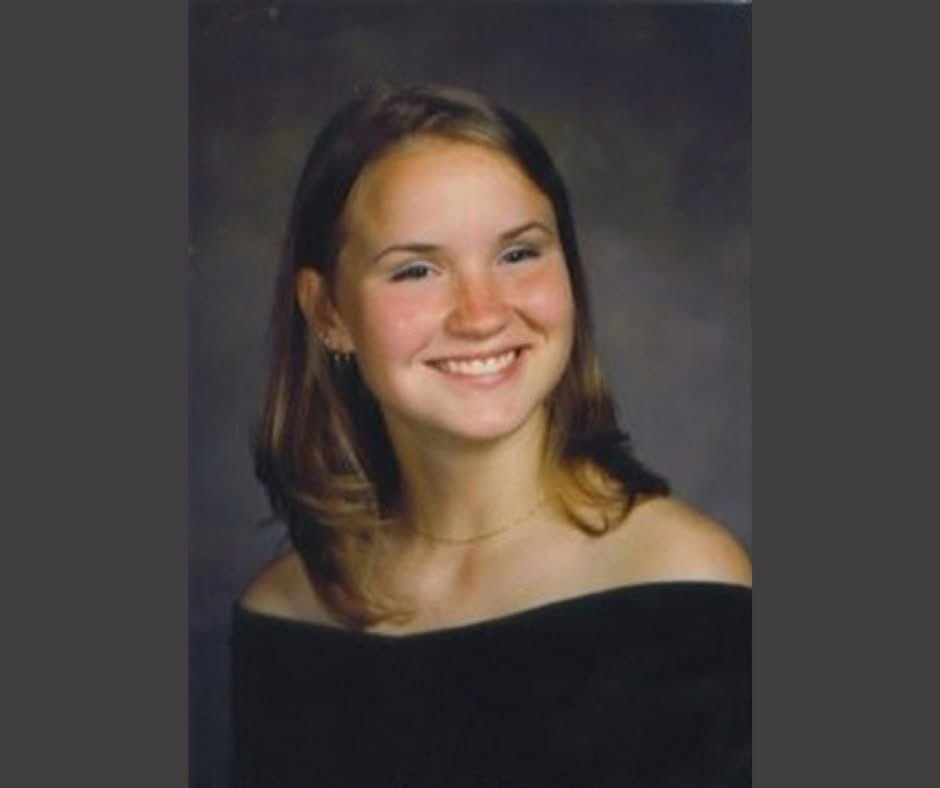
Senior Airman Elizabeth Loncki was 23 years old and carried a weight most of us will never understand.
In Iraq, she served as an explosive ordnance disposal specialist. While others ran from danger, her job was to walk straight toward it. Every device she approached could be her last. Every wire she examined required absolute precision. Every mission meant the difference between lives saved and lives lost.
She operated in Baghdad during some of the most dangerous months of the war. Her team completed 194 missions together—194 times walking into situations designed to kill without warning. Each mission demanded patience that most people don't possess and courage that can't be taught.
She kept going.
By early 2007, Elizabeth was nearing the end. Just 20 days remained before she would board a plane home. The countdown had started. Plans were being made. She had survived what seemed impossible to survive.
Then came the mission she wouldn't return from.
Elizabeth Loncki was killed in action doing exactly what she'd been trained to do—protecting others. There was no national headline. No moment of collective mourning. Her name was simply added to a growing list, though her life meant infinitely more than a line of text could ever capture.
She didn't command battalions or make history books. She simply showed up, day after dangerous day, and did work that saved lives she would never meet. That kind of courage rarely makes the news. It's remembered in quiet ceremonies, in the hearts of teammates, and by families who carry the weight of that loss forever.
This isn't about politics or policy. It's about a 23-year-old woman who chose service, who faced death repeatedly with steady hands, and who gave everything just days before coming home to the people who loved her.
Her missions saved countless lives.
Her name is Elizabeth Loncki.
And she deserves to be remembered.