Check out our new paper “Night flight facilitates late breeding catch-up in a long-distance migratory seabird”
We found that late laying shearwaters were more likely to fly more at night during migration and stopover less to “catch up” time
https://t.co/WXyTtnRz4F
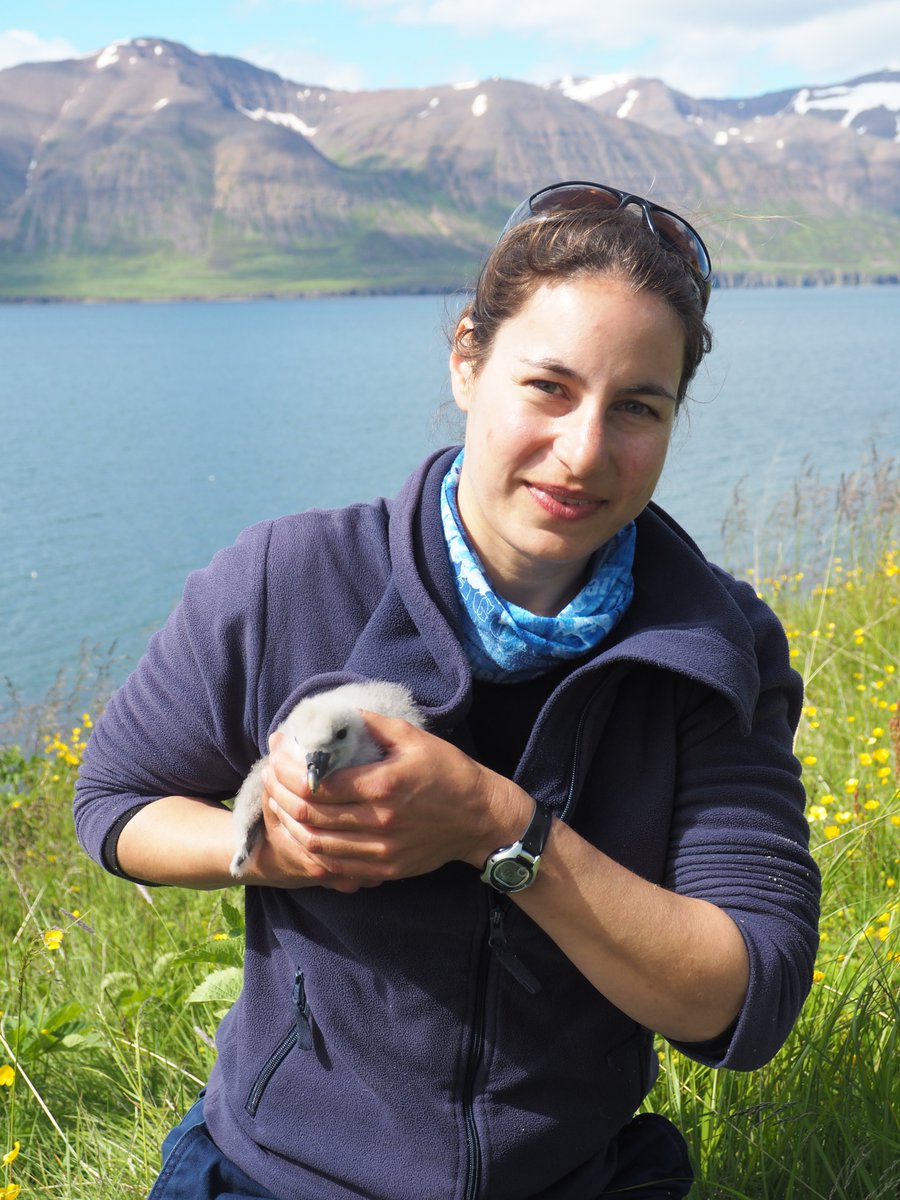
My first paper from my PhD is out today on Manx shearwater behaviour and climate
It’s published in the same journal as the first paper from the OG Dr Siddiqi (my grandpa) 🥳
‘Behavioural responses of a trans-hemispheric migrant to climate oscillation’
https://t.co/kCMVUamixP
Petrel field work positions available in Iceland this summer!
A paid field assistant position (up to three months) is being offered by the South Iceland Nature Research Centre
Applicants should send a CV, with two referees, to [email protected]
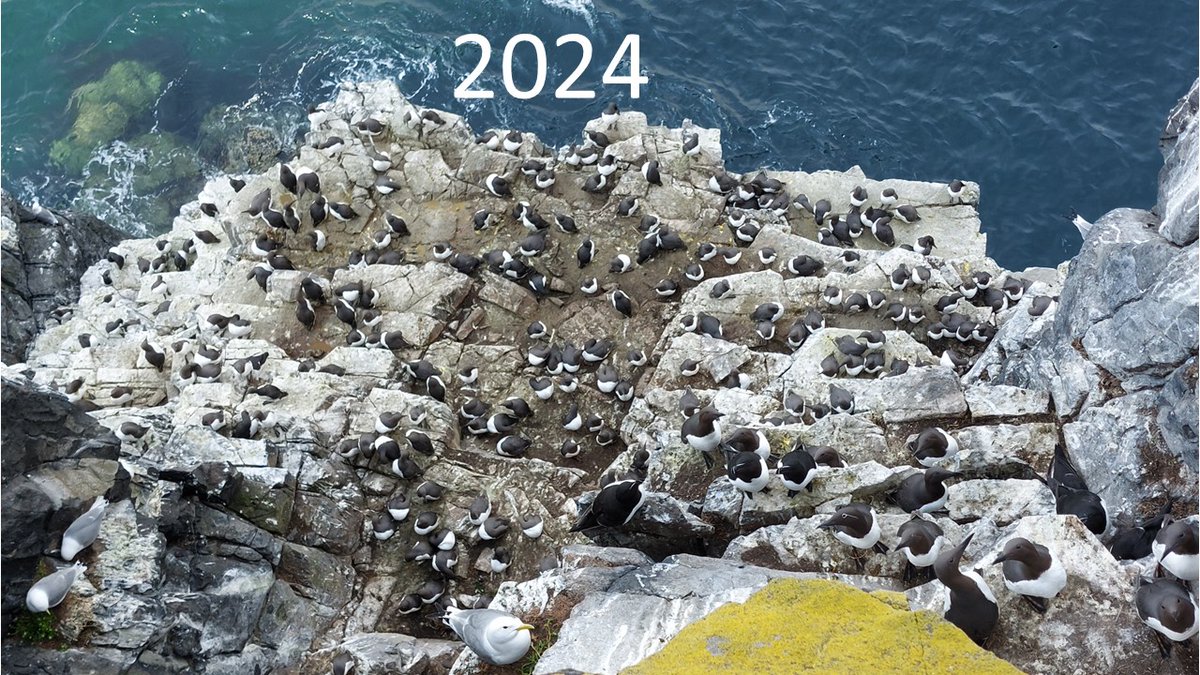
What has happened to all the Isle of May guillemots? The first egg was the latest ever but adjusting for that we should still be peak laying now and the cliffs are terrifyingly empty. Even those that have laid don't seem committed and are losing their eggs at an alarming rate.1/2
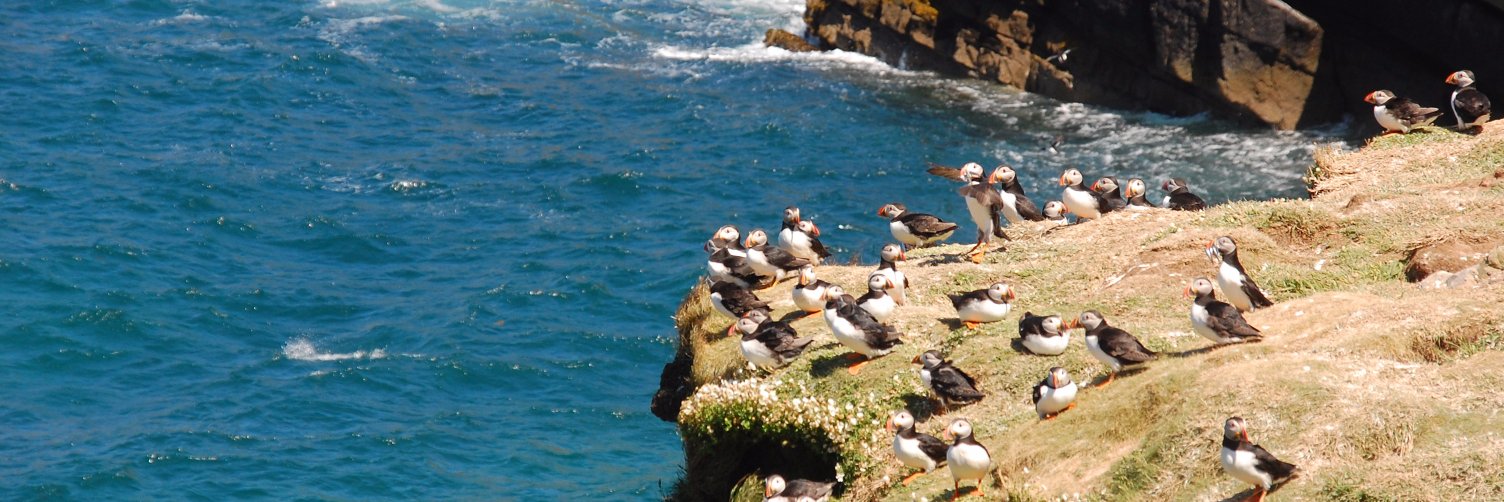
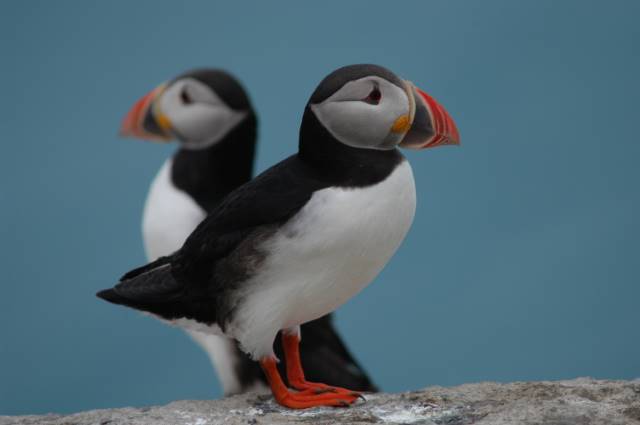
Several #seabird species, especially common guillemots and #puffins in the SEAPOP-colony Hornøya, are currently affected by an #oilspill. The source of the oil is unknown. Article in Norwegian - pictures speaking for themselves
#pollution https://t.co/fBoaJTARrK
⚡️Postdoc in sensory ecology!⚡️ 3 year position at @OxfordBiology on colouration in fish schools! If antipredator colour, collective behaviour, fieldwork in nice places, and fun experiments with predatory fish is your thing, get in touch! Pls RT 🐟🐟🐠🐠💥https://t.co/lLYRqpLjic
Two PhD positions available in my lab, in the project on parental coordiantion in birds. See more here https://t.co/X7vT6sNQA0
or contact me for more details
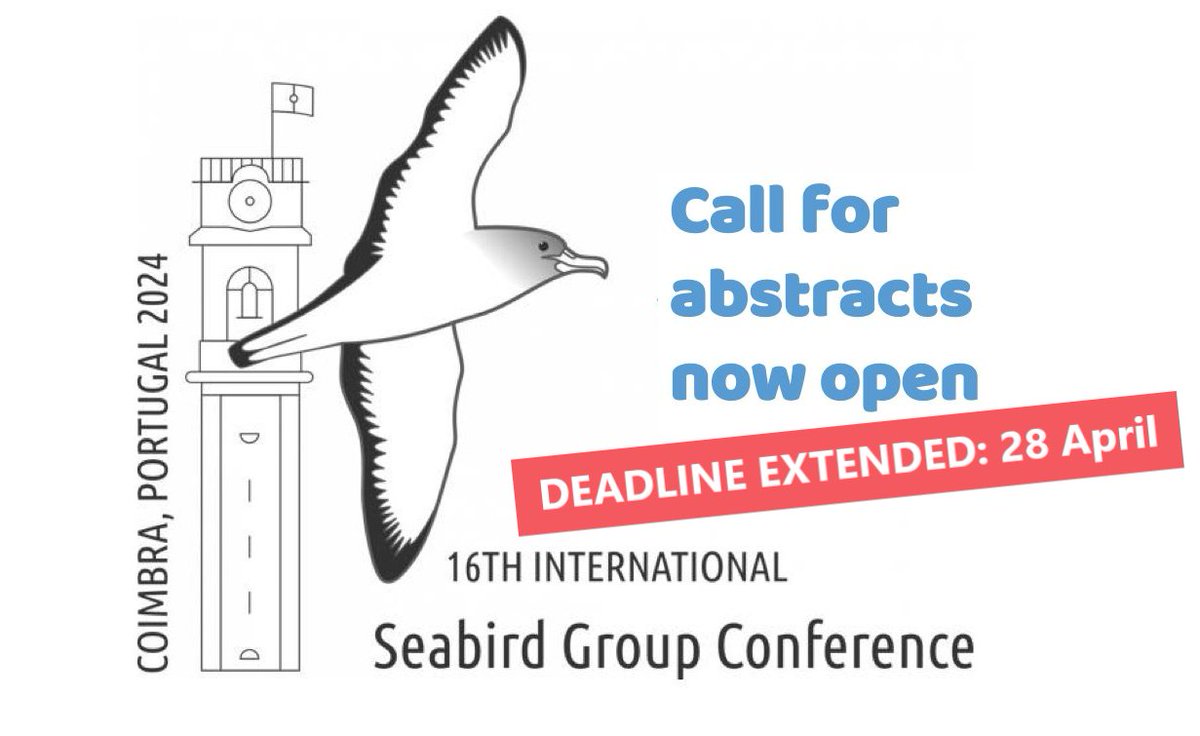
⚠️ Abstract submission closing soon!! ⚠️
____
Come share your awesome #seabird research with us at the 16th International Seabird Group Conference in Portugal, 2-6 September 2024. #CoimbraSeabirds
🔗: https://t.co/59v7VmOsWO
Deadline: 15th April 2024 📅
Check out the groundbreaking seabird research by @DrGemClucas at @CornellBirds Lab of Ornithology on climate change impacts and conservation on these remote islands in Maine and New Hampshire. via @edgeeffectsmag https://t.co/wHJbdhK7Xn
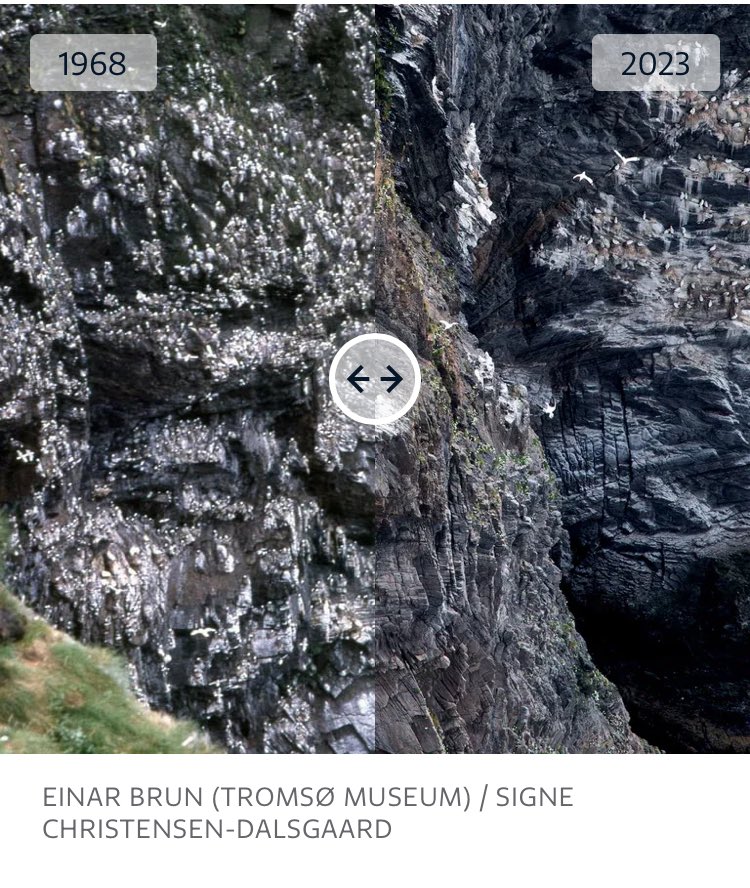
Silent bird cliffs. Many Norwegian #seabird populations have declined significantly in recent decades. In this
@NINAforskning#scicomm project we have illustrated the dramatic changes. The article is in Norwegian but the photos speak for themselves.
https://t.co/AsXTQAy6p9
Extremely powerful depictions of decline of #seabirds in Norway through historical and current photos laid side by side by @Signe_Dalsgaard and colleagues.
Link in @AnnetteFayet ‘s post 👇
Great #scicomm project led by my colleague @Signe_Dalsgaard illustrating the dramatic declines of #seabird populations in Norway.
The article is in Norwegian but the photos speak for themselves.
https://t.co/IKNrHOC6RR
Really cool paper by @anflack’s group providing strong support for the “exploration-refinement” hypothesis - the idea that learning shapes how individual migration routes develop in long-lived species.
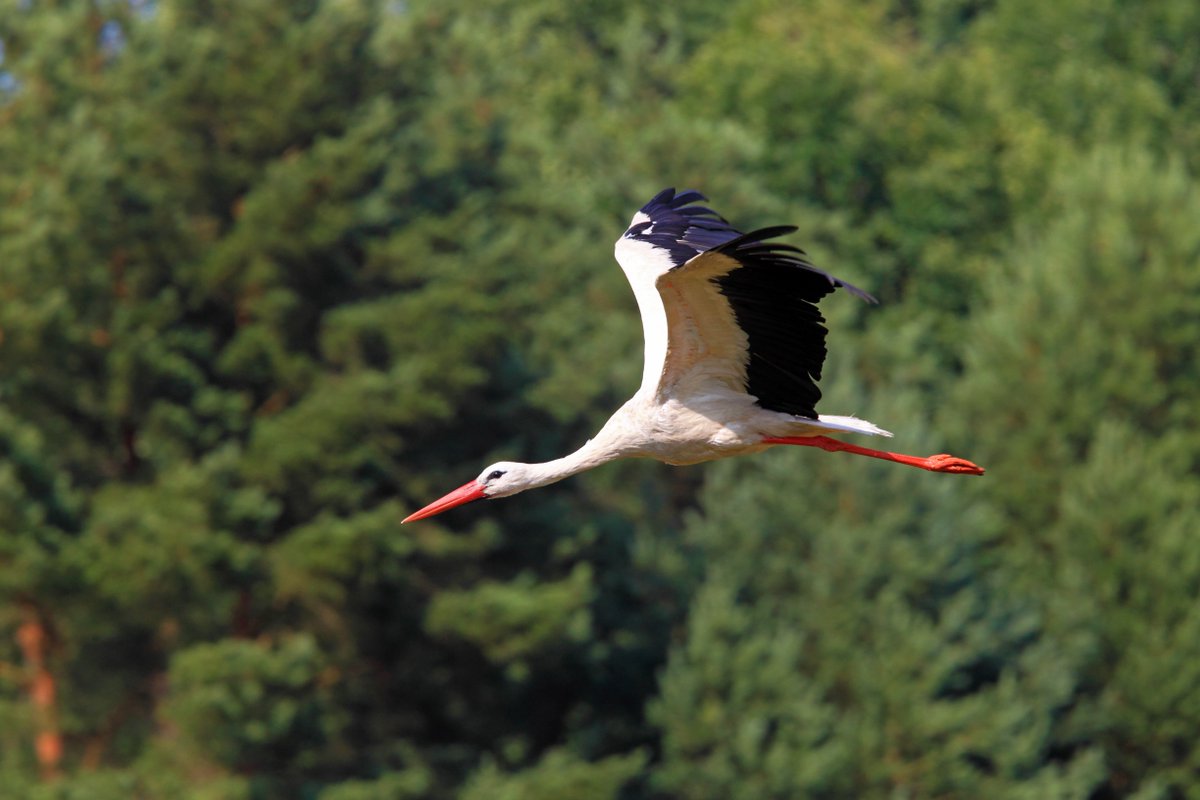
Migrating birds may seem to be following instinct, but also learn and experiment. A study followed 258 white storks and found that young storks tried out alternate migration routes, whereas old storks were faithful to established routes. In PNAS: https://t.co/CTsFSRhcd8