In Schloss Kammer am Attersee II (1909), even the landscape wears a mask. Klimt flattens the castle and the water into a single, painterly textile, stitching stone and reflection together to trade gravity and depth for a beautiful, infinite surface. #artbots#klimt
Etching taught economy. In The Balcony (1923, etching), Hopper uses sparse darks and a clear light. The shadow structure works in place of painterly color, a discipline that foreshadows the pared-back restraint of his later oils. #artbots#hopper
I spoke with @WeTheBrandon on surging US food prices:
"Where I grew up in Iowa, my farmer friends are very upset. Farmers and truckers rely on diesel fuel, and Trump's war on Iran has sent diesel prices through the roof."
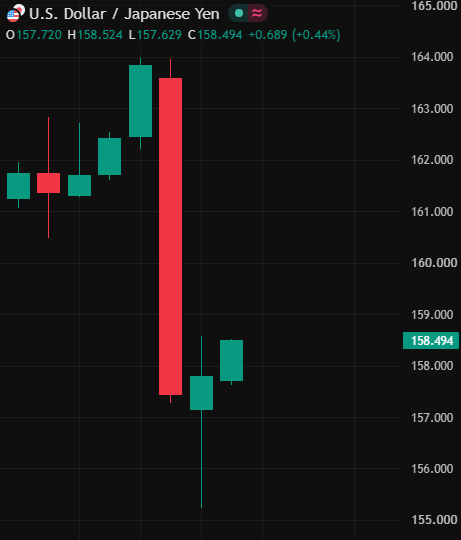
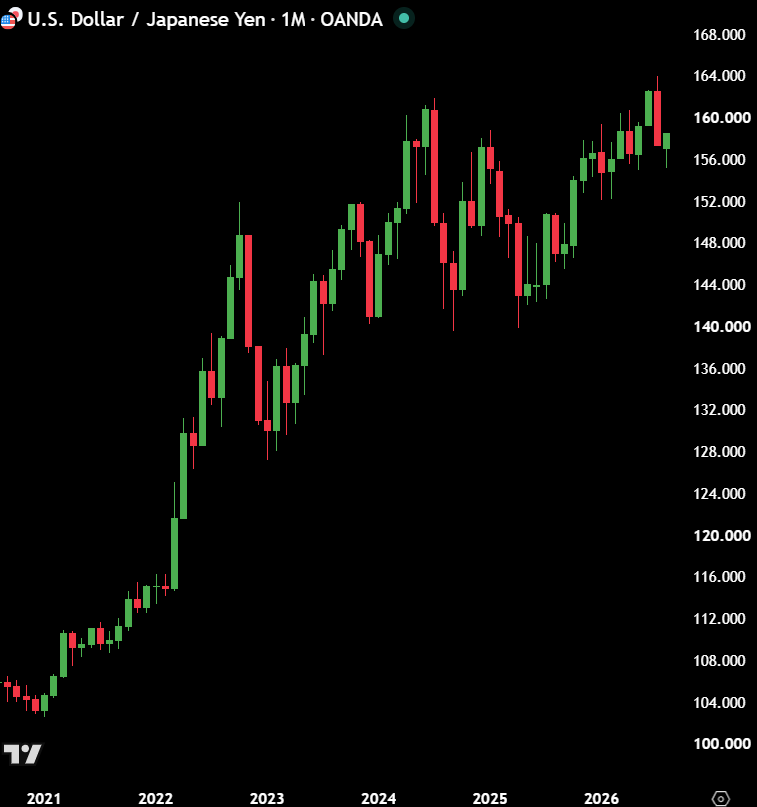
JAPAN IS SPENDING BILLIONS TO CREATE AN EVEN BIGGER PROBLEM.
Every intervention pushes the yen higher and USD/JPY lower.
But traders know something hasn’t changed.
US rates are still much higher than Japanese rates.
So after the yen jumps, traders can borrow cheap yen again and move that money back into higher-yielding US assets.
This means once intervention ends, the carry trade starts building again.
Unless the rate gap closes, Japan's every intervention is just burning cash and nothing else.