It is a wrap on #FoodFriday
🥑
Your stool is one of the earliest indicators of your health.
• Colour
• Shape
• Consistency
• Frequency
• Whether it floats
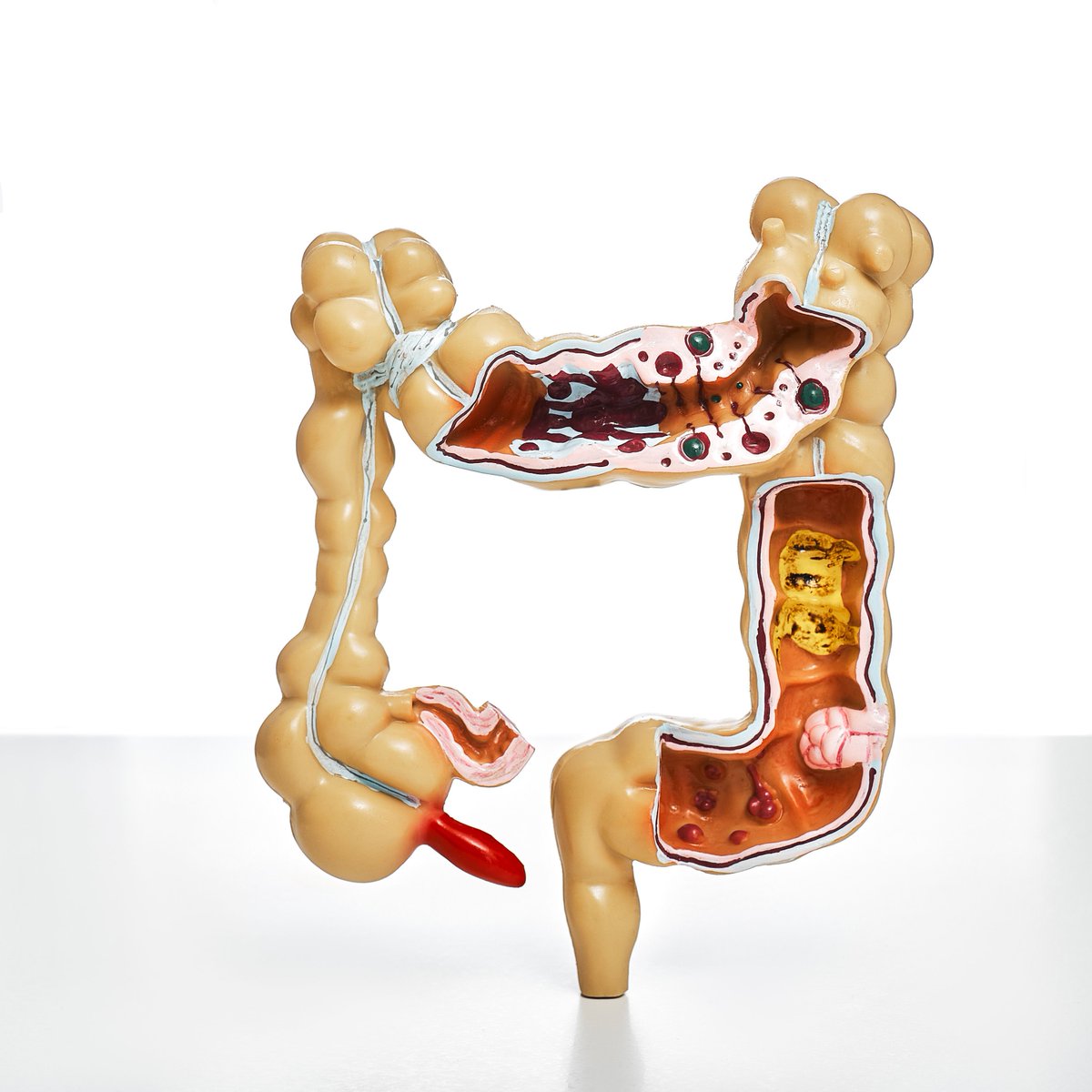
Reveal what is happening inside your gut.
Don't just flush the poop, observe first.
BOOKS OF REFERENCE:
• GUT by Giulia Enders
• Ganong's Review of Medical Physiology
• Davidson's Principles and Practice of MEDICINE
#PoopFriday
How long does food transit from the mouth to the bowel? - 48 to 72 hours.
How often should you poop in a day? - ONCE.
How long should you be in the small office? - 3 to 5 minutes.
What is constipation? ‐ Failure to poop in 72 hours or pooping less than 3 times a week.
What is diarrhoea? - Pooping 3 or more times in 24 hours.
#FoodFriday
Blood mixed with diarrhoea is called DYSENTRY.
Two common causes are:
• Amoebic dysentery, which is caused by a protozoa called Entamoeba histolytica.
It often develops gradually and may produce mucus with blood.
• Bacillary dysentery is caused by bacteria.
Symptoms often begin suddenly with fever, abdominal cramps and frequent bloody diarrhoea.
Both require proper medical evaluation and treatment.
#FoodFriday
FLOATING STOOL:
Sometimes stool floats simply because it contains more gas produced by healthy gut bacteria.
However, a persistent floating stool that is:
• Pale
• Greasy
• Foul-smelling
• Difficult to flush
It is a fatty stool, medically called Steatorrhoea.
This happens when fat is not properly digested or absorbed due to diseases affecting the pancreas, liver, bile ducts or small intestine.
A healthy stool may float occasionally because of gas,
But if it floats like an oil tanker and it looks greasy, then your digestive system may be struggling to absorb fat.
#FoodFriday
STOOL TYPE 7
This is liquid, with no solid pieces or diarrhoea
Water is not being absorbed properly, increasing the risk of dehydration and electrolyte loss.
Causes:
• Infections in the gut
• Food intolerance ( Lactose, Fructose, Gluten)
• Drugs, toxic chemicals
• Stress
• Irritable Bowel Syndrome.
Persistent diarrhoea, with fever, severe pain or blood, requires urgent medical attention.
#FoodFriday
Men,
The same woman, with makeup and without makeup, feel like two different people.
If you think a natural woman who avoids heavy, toxic lotions isn’t the best pick, then I’d say you’ve never truly tasted sweetness.
Natural wins. All day, every day.
STOOL TYPE 5 and 6:
Type 5 consists of soft blobs with clear edges.
Type 6 consists of fluffy, mushy stool.
These suggest stool is moving through the colon too quickly for enough water to be absorbed.
Causes:
• Infections in the gut
• Food intolerance ( Lactose, Fructose, Gluten)
• Stress
• Irritable Bowel Syndrome.
#FoodFriday
STOOL TYPE 3 and 4:
Type 3 has cracks on the surface and is sausage-shaped.
Type 4 is smooth, soft and is also sausage-shaped.
They indicate healthy bowel movement, appropriate water content and normal intestinal transit.
#FoodFriday
STOOL TYPE 1 and 2:
Separate, hard pellets like rabbit droppings.
This is constipation.
The stool has remained in the colon for too long, allowing excessive water absorption.
Your colon has squeezed every last drop of water out, leaving behind dry droppings.
#FoodFriday
Passing gas is normal.
It is called FLATULENCE.
Intestinal gas comes from bacteria fermenting fibre in the large intestine.
• Hydrogen,
• Methane
• Carbon dioxide
More fibre often means more gas.
Your gut bacteria are hardworking employees.
Sometimes they celebrate payday loudly.
#FoodFriday
GREEN STOOL:
Normally, bile starts out green.
As it travels through the intestines, gut bacteria convert it into the brown pigments that give stool its usual colour.
If stool rushes through the intestine quickly, there is no time for colour change to occur, so it remains green.
Green stool can also occur after eating:
• Large amounts of leafy vegetables
• Foods containing green food colouring
• Antibiotics
• Iron supplements.
If green stool is persistent, especially with diarrhoea, fever, abdominal pain, or weight loss, it should be medically evaluated.
#FoodFriday
POOP FRIDAY:
Black stool may indicate bleeding high in the digestive tract.
Dark red stool may come from bleeding further down the intestine.
Bright red blood is often caused by
• haemorrhoids
• small anal tears
• Actively bleeding cancer of the rectum
#FoodFriday
This is my FASTING BLOOD SUGAR this morning after 43 hours of FASTING.
When your body is used to long fasts, it naturally stabilizes its blood glucose through fatty acid products known as ketones in two processes: KETOSIS and GLUCONEOGENESIS.
This biological adaptation is called THE METABOLIC SWITCH.
The FASTING blood sugar for an adapted metabolic system will range from 3.9 mmol/l to 5.1 mmols/l
If you are FASTING and your Fasting Blood Sugar drops to below 3.9 mmol/l, it means your metabolic machinery is not yet fully adapted to switching from glucose to ketones.
Keep fasting!
#FoodFriday
Grey, pale or clay-coloured stool is abnormal.
It usually means bile is not reaching the intestine.
Possible causes include:
• Gallstones
• Blocked bile ducts
• Pancreatic disease
• Liver disease
Without bile pigments, stool loses its brown colour.
#FoodFriday
Healthy stool ranges from brown to yellowish-brown.
The colour begins with the breakdown of old red blood cells.
While haemoglobin is broken down, bile pigments produced in the liver find themselves in the gut.
Gut bacteria then convert these pigments into compounds that give stool its familiar brown colour.
So your gut bacteria are like painters whose work is to paint your poop brown.
#FoodFriday
POOP FRIDAY:
How defaecation occurs:
When stool reaches the rectum, stretch receptors send messages to the brain through nerves that there is enough faecal mass for defecation.
The brain then decides whether it is an appropriate time to empty the bowel.
If the answer is "YES," the anal sphincters relax, the rectum contracts, and defecation occurs.
If the answer is "NOT NOW," the stool is temporarily held back.
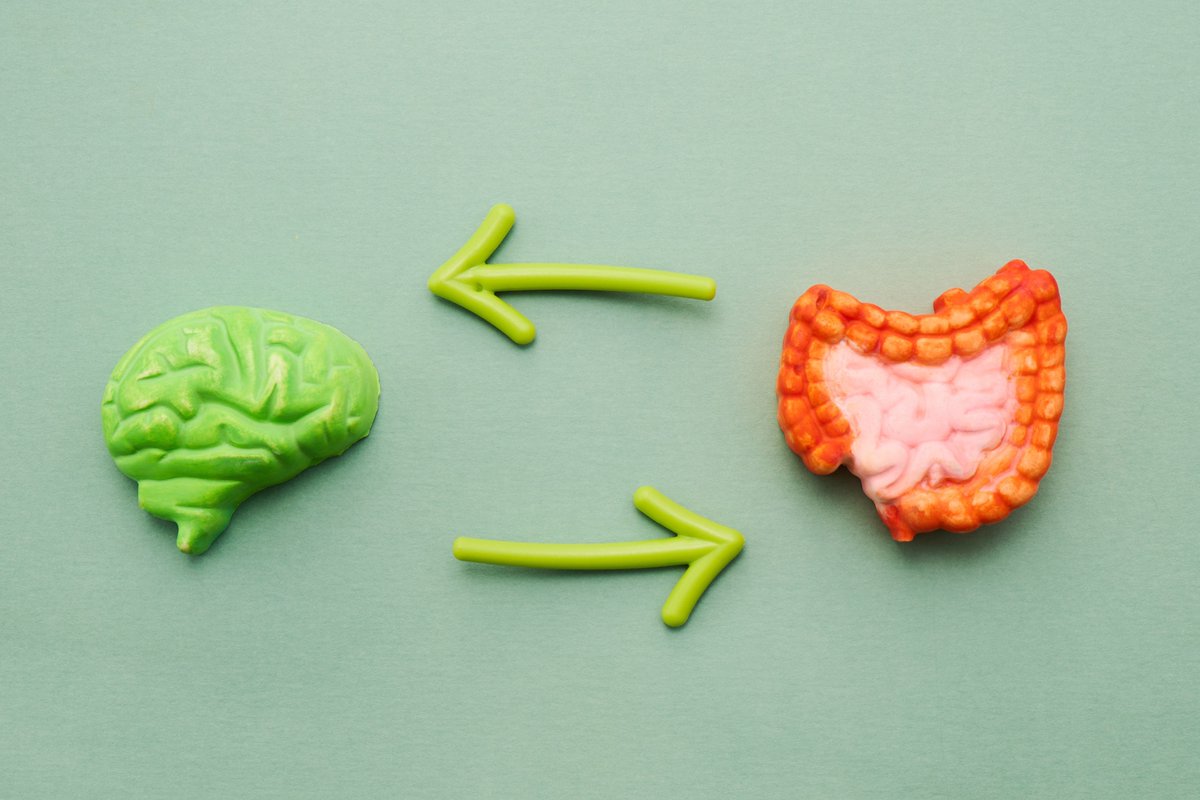
That is the action of the gut-brain axis.
Your brain is always negotiating with your rectum several times a day.
#FoodFriday
On #FoodFriday today,
FAECES!
They are the final product of digestion.
The substances your body could not digest, did not need, or wanted to eliminate.
Healthy stool means that your digestive system is healthy.
Your toilet bowl is your digestive report card.
#PoopFriday
POOP FRIDAY:
Stool is about 75% water.
The remaining solid portion is roughly made up of:
• Dead gut bacteria
• Undigested dietary fibre
• Cells shed from the intestinal lining
• Bile pigments
• Cholesterol
• Small amounts of fats, minerals and other waste products.
Contrary to popular belief, your stool is not mainly food.
Most of yesterday's meal has already become you.
#FoodFriday