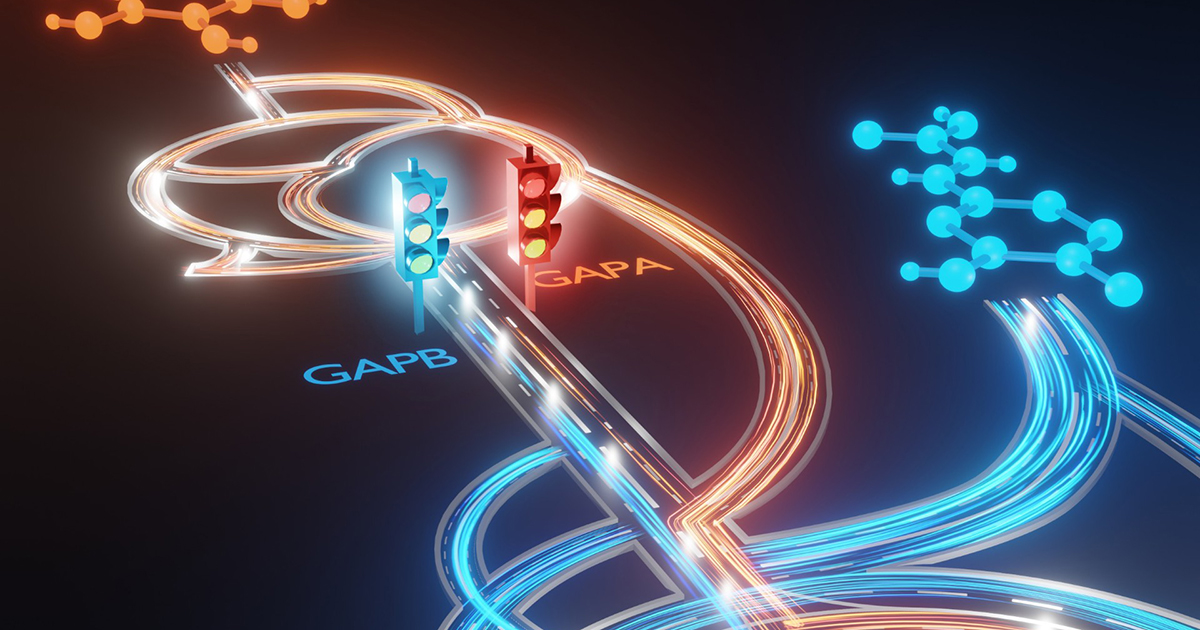
Link to the article "Glyceraldehyde-3-phosphate dehydrogenase homologs as bifunctional gatekeepers of metabolic segregation in Pseudomonas putida": https://t.co/STz4QYk6uW
A team led by Professor Ludmilla Aristilde found that two versions of one enzyme act as “traffic controllers” for carbon in bacteria — a discovery that could help engineers turn waste like plant matter or plastics into useful chemicals and fuels.
https://t.co/2oMlAgi9JG
@AristildeLab joins Nanoscape to discuss how microbes and minerals work together to recycle waste, nutrients, and even plastics. Hear how her nanoscale discoveries are helping shape the future of sustainability.
Listen at https://t.co/X2EJdcrF4a or on your favorite platform.
How do soil bacteria balance energy metabolism with carbon #metabolism in using #lignin carbons? Check out our @CommsBio article on how we figure out the "traffic jams" and "stoplights" in Pseudomonas metabolic reactions in lignin carbon conversion. Link: https://t.co/atE8C6Naq8
Thank you to all the colleagues, mentors, friends, and family who provided support along the way. To all former and current members of the Aristilde Research Group, all your incredible contributions made this possible.
Finally time to share! I am promoted to Full Professor at Northwestern McCormick School of Engineering, in the Department of Civil and Environmental Engineering, with courtesy appointments in Chemical and Biological Engineering, and Earth, Environmental, and Planetary Sciences
Many years ago, I decided to follow in the footsteps of my parents who were both educators: my mother, a kindergarten teacher; my father, a school principal. I so wish they were both still around to celebrate this milestone!
Growing up in Haiti, my love of science started from being curious about how do soils make plant grow. Now, my research group studies the molecular chemistry and biochemistry of minerals and bacteria from soils that benefit agriculture, biotechnology, and sustainability.
Curious about how certain soils can retain moisture for a long time? Checkout recent @AristildeLab article in @PNASNexus on how organic matter facilitates trapping of water in soil mineral nanopores. Funded by @NSF@IINanoNU
Article link: https://t.co/uTiRXUW97q
In this period of uncertainty, the University will fund research that is subject to stop-work orders or the federal funding freeze, President Schill and Board of Trustees Chair Peter Barris announced today.
▶️ https://t.co/MMHkb4b5Bp
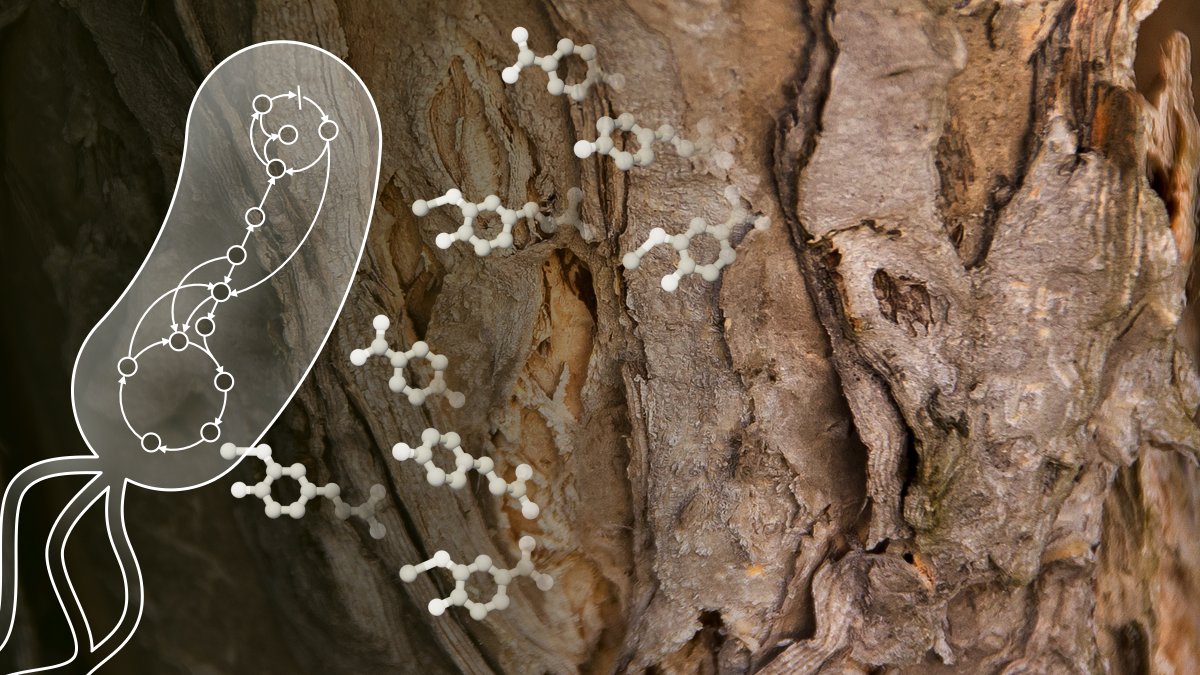
#Pseudomonas putida preprint alert: We provide a quantitative blueprint of #carbon and #energy fluxes in the native metabolism of #lignin aromatics: ferulate, coumarate, vanillate, and hydroxybenzoate.
https://t.co/nP9J5HrGSC
Concrete is a climate problem, and this breakthrough could help fix it.
Professors Alessandro Rotta Loria and Jeffrey Lopez have developed a carbon-negative material that makes cement and concrete more sustainable without compromising strength.
https://t.co/jgcq4aRtRH
@ProfDravid@NorthwesternEng@NUSynBio@IINanoNU@TrienensInst@ProfDravid that’s what’s amazing. Phosphorus is long known to be always associated with Fe oxides in the environment. The fact that Fe oxides can convert organic P into inorganic P highlight a catalytic reaction that has been happening, but has remained unacknowledged.
@NorthwesternEng highlights our latest research on natural mineral catalysts. Shoutout to PhD students, undergrads, and postdocs of @AristildeLab for this lab-wide collaborative effort!
Professor Ludmilla Aristilde has discovered a new pathway to convert phosphorus from its organic to its inorganic form, which could improve agricultural sustainability and food security as phosphorus supplies dwindle.
https://t.co/nNTGesKBWx
How fast and how efficient can iron oxides catalyze phosphate cleavage from ribonucleotides? See our latest pub in @EnvSciTech on rates and turnover numbers for #enzyme-like reaction by #iron oxides, natural mineral #catalysts. Funded by @ENERGY@IINanoNU
https://t.co/pEaHY8Nweu
Today I’m joining 30+ colleagues in taking an unusual step: calling for a halt to a line of research I was excited about, the long-term effort to build “mirror life”.
We’re sharing our findings in a @ScienceMagazine paper:
https://t.co/B4eXp46K84
1/6