We discover practical, evidence-based solutions to food safety issues through research, innovation and collaboration between the public and private sectors.
As #foodsafety education month concludes, remember these four simple steps to keep you and your family safe from #foodborneillness:
🧼 CLEAN: Wash your hands, utensils, and surfaces often — stop germs before they spread.
🥩 SEPARATE: Keep raw meat, poultry, seafood, and eggs away from ready-to-eat foods to avoid cross-contamination.
🌡️ COOK: Cook to the right internal temperature to kill harmful bacteria.
❄️ CHILL: Refrigerate promptly to slow bacterial growth and keep food safe.
In the educational game Market, Set, Go you're a vendor at the #FarmersMarket. Solve problems with #foodsafety, and keep your customers happy and healthy. Watch out for the cute dog! https://t.co/qZ90n32Bs1
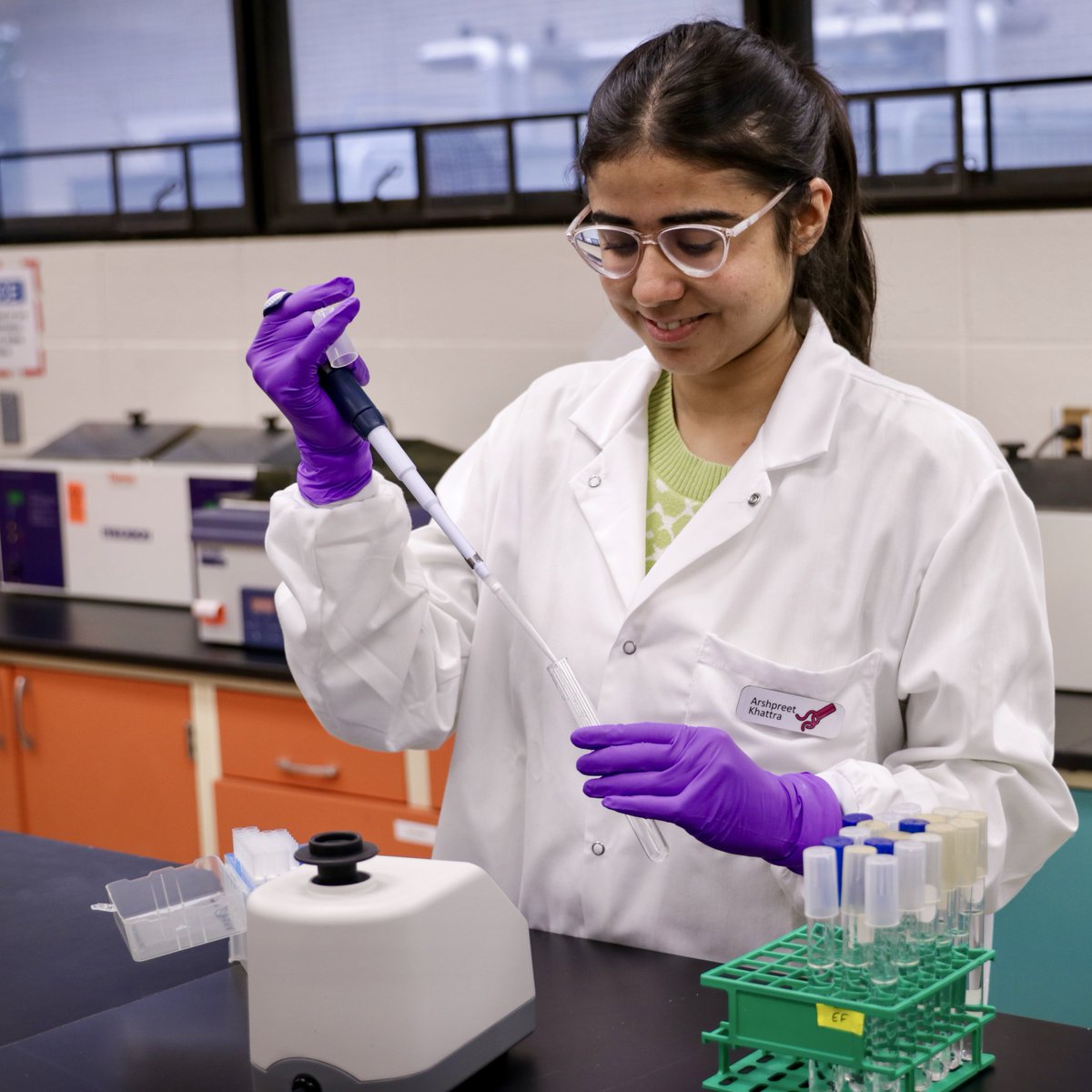
In a recent study from the Arkansas Center for Food Safety, we tested 5 foam hand sanitizers with 30 volunteers. Rubbing until dry reduced viruses more than a typical 10 seconds, and formulation influenced efficacy beyond active ingredient concentration.
https://t.co/5LFCL301Ud
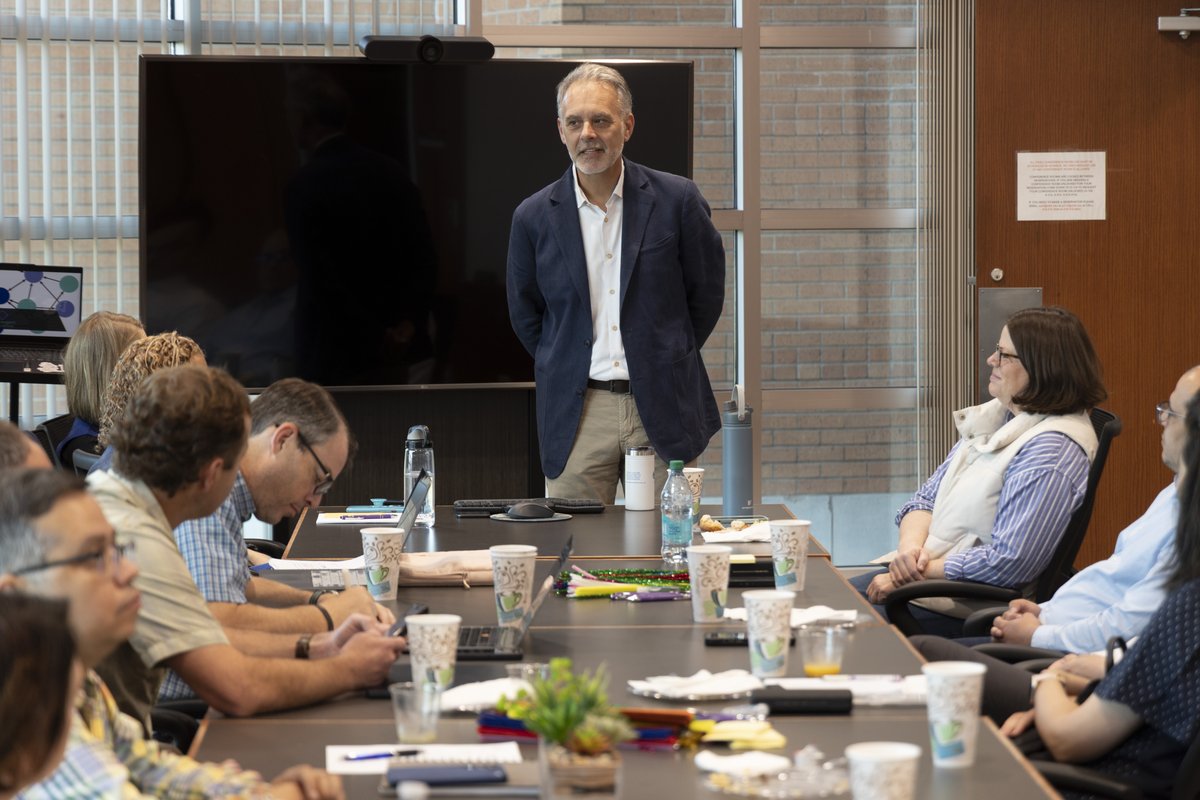
We were thrilled to see our food safety colleagues from across the U.S. at the USDA S1077 Multistate Project annual meeting held in Fayetteville this week. This multistate project is focused on enhancing microbial food safety through risk analysis. @ArkAgResearch
September is National #FoodSafety Month! As the month comes to a close, we want to highlight director Kristen Gibson & grad student Francis Torko who published a study that helps fill in some gaps in hand sanitizer research. Read more: https://t.co/5LFCL301Ud @ArkAgResearch
A study from @ArkFoodSafety demonstrates the importance of application time and product formulation in the effectiveness of hand sanitizers, which is critical for food handlers. @ArkAgResearch#foodsafety
👉 MORE: https://t.co/ILEifxpJGY
Director of the Center for Food Safety Kristen Gibson received a $300K USDA National Institute of Food and Agriculture grant to help improve hydroponic lettuce production.
Read more: https://t.co/OPIGu0m01P
Tomi Obe is passionate about the intersection of food safety & poultry processing. As an assistant prof. with joint roles in poultry science and food science, she is eager to find ways to identify & control foodborne pathogens in the poultry industry.
@AginArk@ArkFoodSafety
Did you know a wet kitchen sponge offers the perfect environment for bacteria to thrive? Our director Dr. Kristen Gibson was featured in this recent article about the top mistakes people make with their kitchen sponges. Check it out!
https://t.co/4QRfLGjCCp
Sometimes the processing that makes food safe can compromise flavor & nutrients. Food scientist Jennifer Acuff is finding ways to make food safe & minimize loss of quality.
Read more: https://t.co/oreByDG5G3
@ArkAgResearch@AginArk#NIFAImpacts@AgIsAmerica
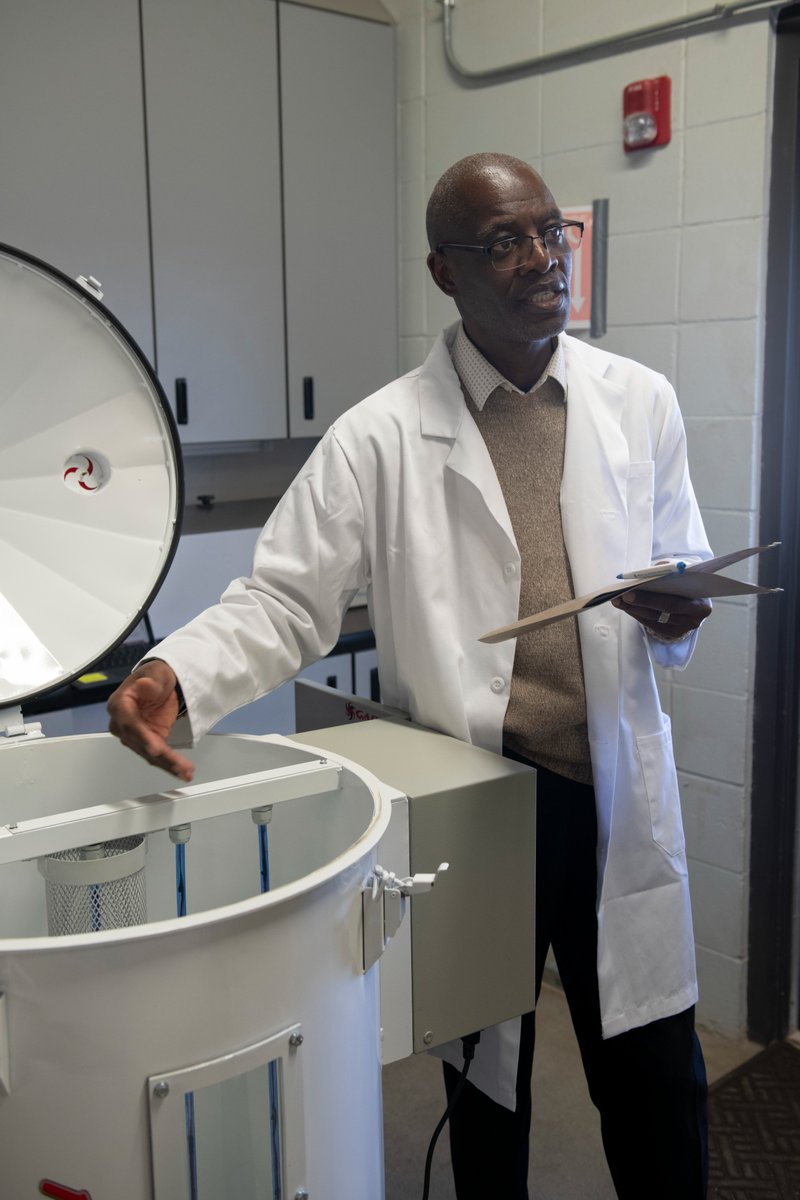
Griffiths Atungulu, director of the Arkansas Rice Processing Program, works with @ArkFoodSafety to address food pathogens that affect grains during storage. His work helps grain producers and other industry members prepare for the unexpected.
#WorldFoodSafetyDay@AginArk
On #WorldFoodSafetyDay, we recognize the work our researchers are doing to improve food safety in Arkansas & beyond. Their targeted research & innovative strategies for reducing foodborne illnesses help prepare for the unexpected. @AginArk@AgIsAmerica@ArkAgResearch#FoodSafety
Federal regs say growers & packers must keep their produce packing areas clean and sanitary, but don’t offer specifics on how to do it. That’s where #Arkansas food #science Prof. Kristen Gibson comes in. Learn more about her grant-funded work at https://t.co/OvTJwOCI2E. @AgInArk
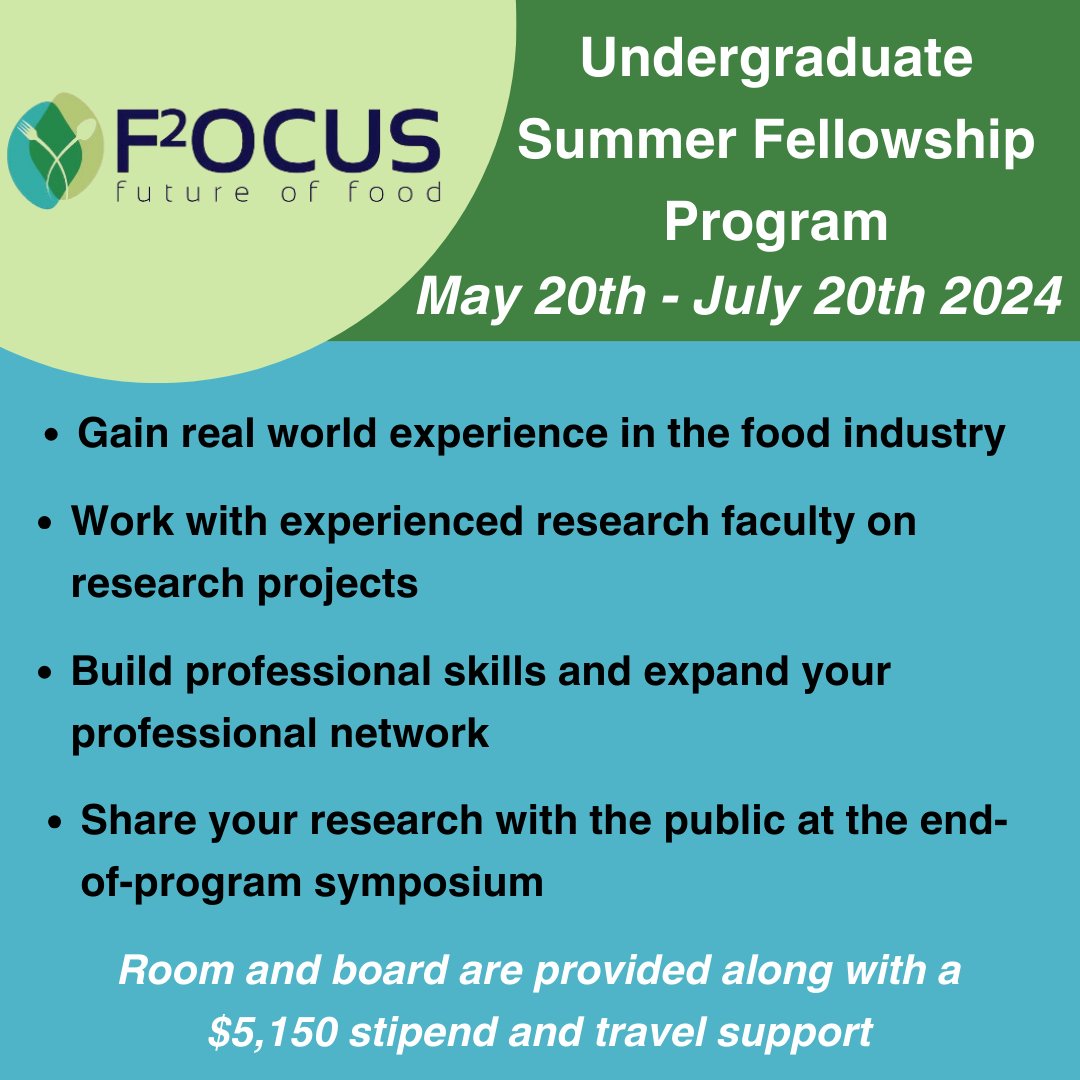
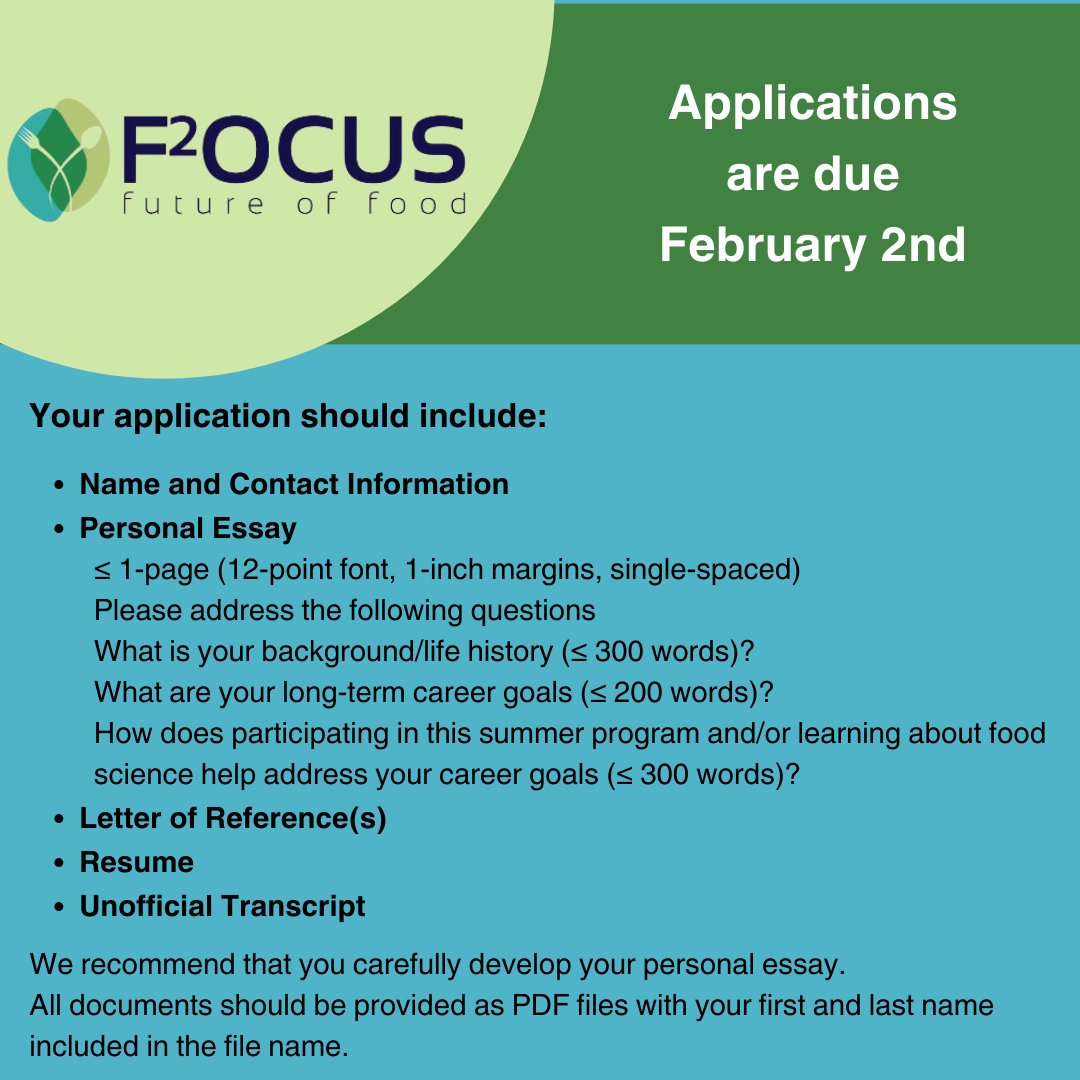
Calling all undergraduate students interested in food science and the food industry! F2OCUS Summer Fellowship Program applications are due Feb. 2nd. Learn more and apply here: https://t.co/KW4ZLZWisL
#FoodScience#FoodIndustry#UndergraduateResearch
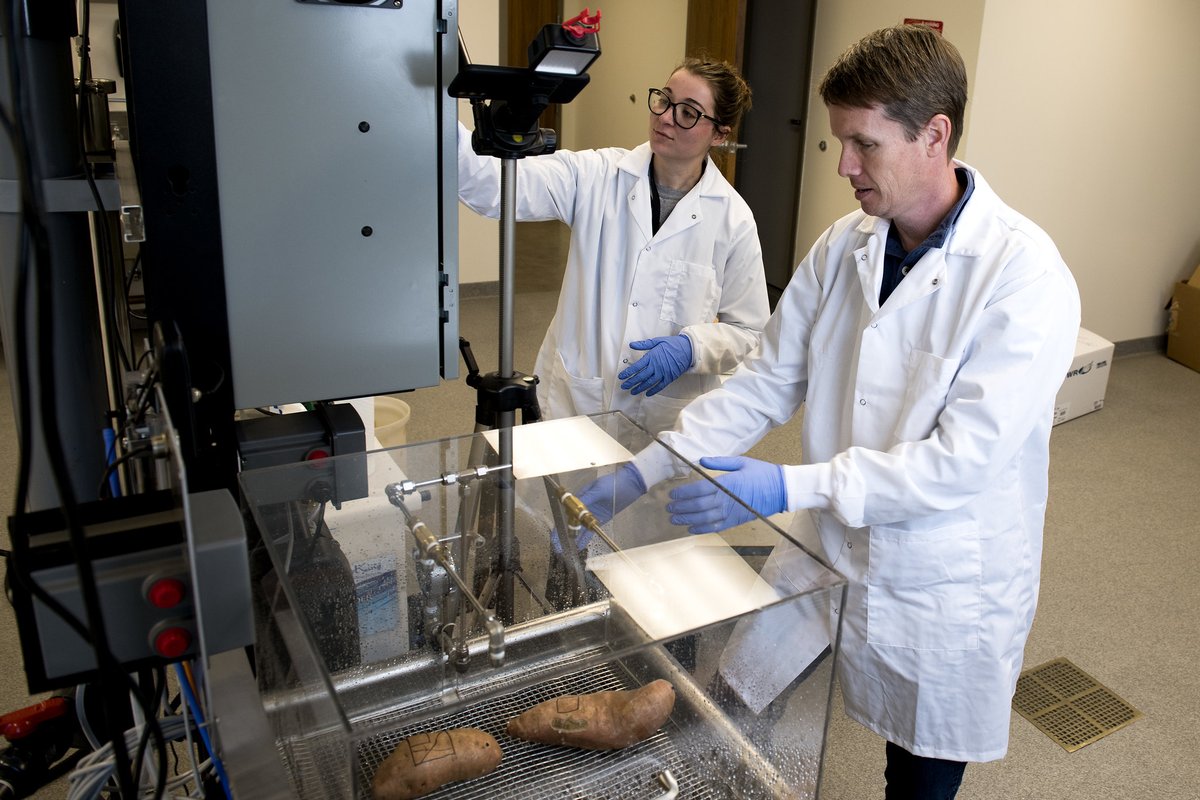
Ozonated water as a sanitizer for vegetables used in raw meat-based diets for dogs and cats was the focus of a unique Arkansas Agricultural Experiment Station food science study. Find out what scientists learned at https://t.co/NpJMud6Ata @AginArk@uarkfdscclub@bumperscollege
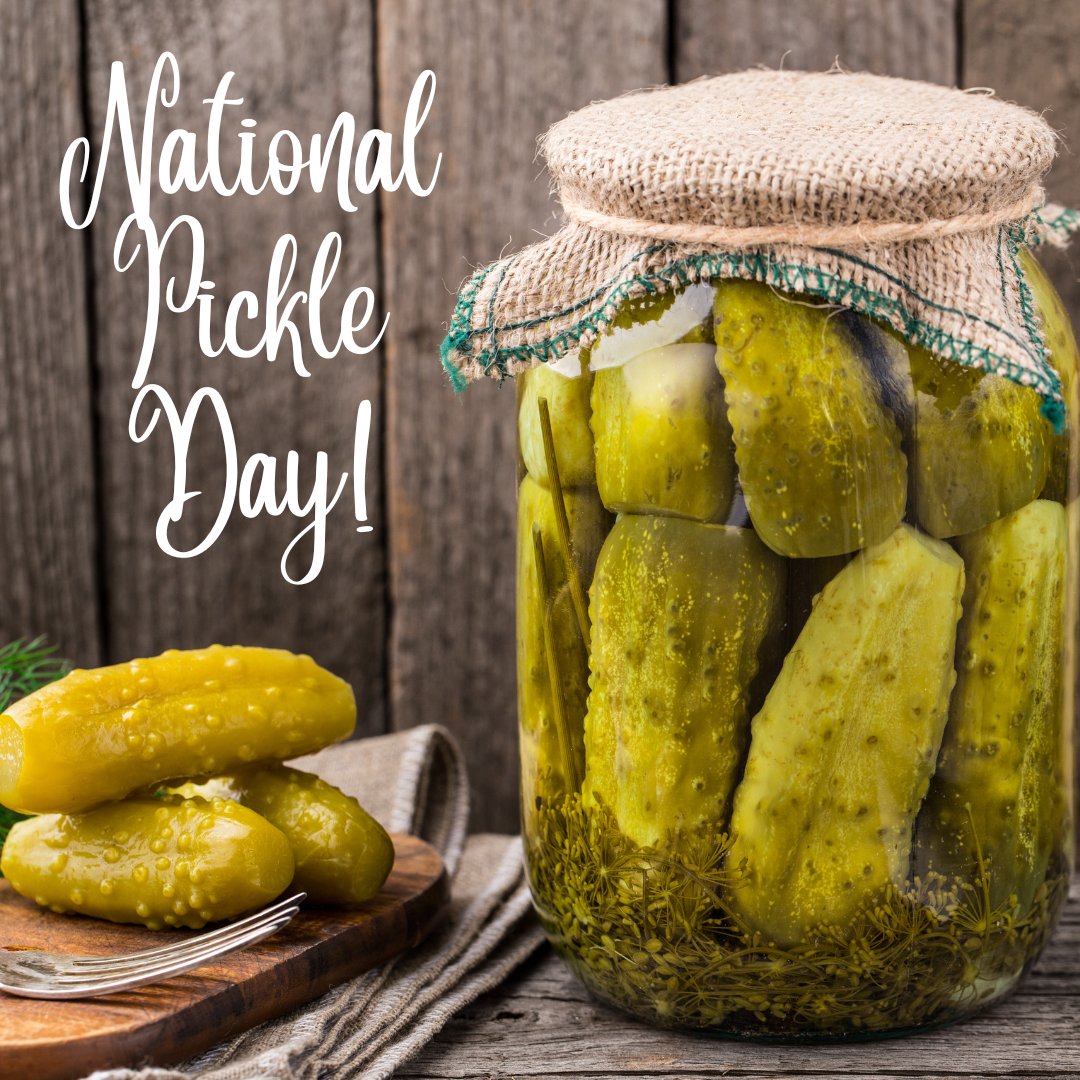
It's National Pickle Day! Pickles are a staple in many cuisines, but food safety issues can arise from improper canning techniques. Those making homemade pickles should prioritize the acidity of the brine and using a boiling-water canner to process pickles. #NationalPickleDay
“Water must be clean & potable, otherwise we risk the safety of our food & possible foodborne outbreaks. Our freshwater supply is not infinite nor immune to contamination, so we must be good stewards of the resources needed to feed the population." - Kristen Gibson #WorldFoodDay