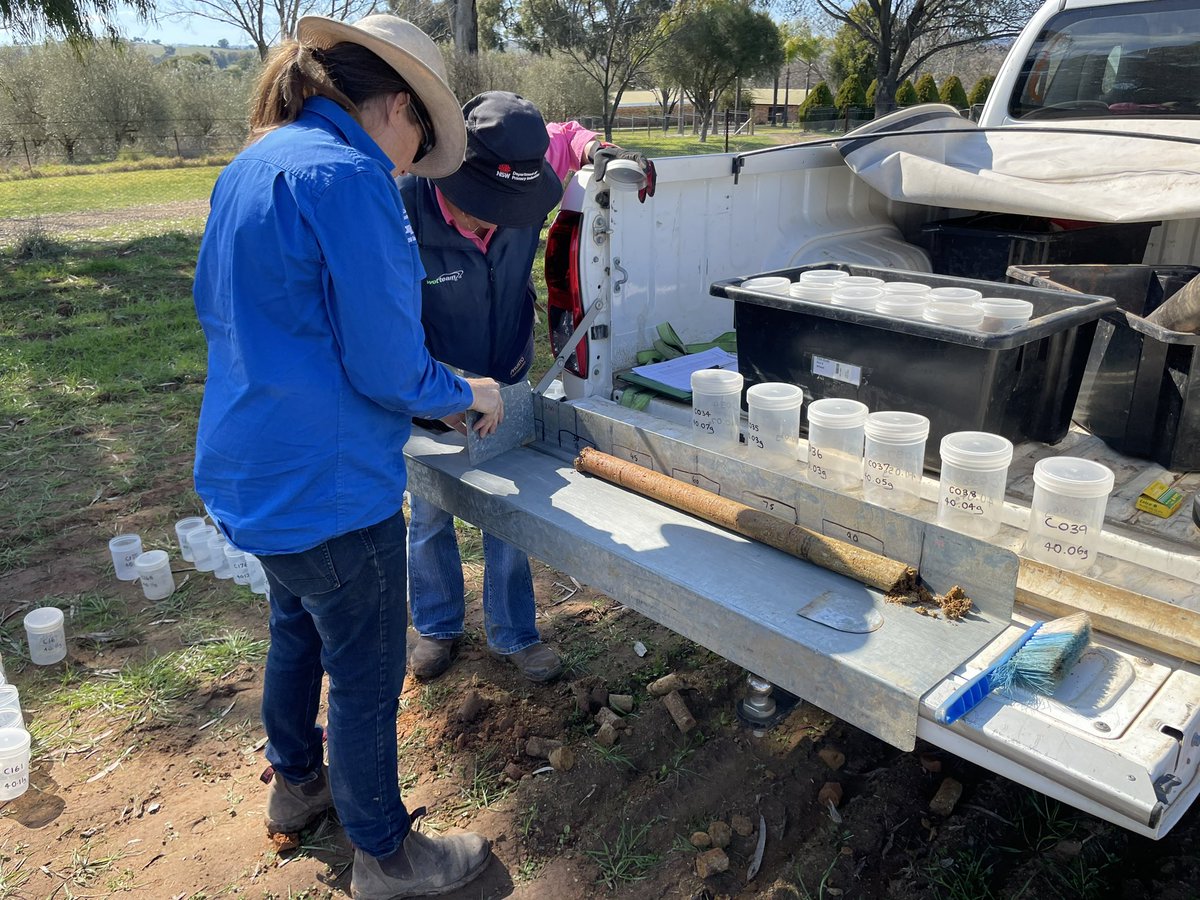
In the race to net zero, The University of Sydney has developed an exciting new soil carbon assessment system:
https://t.co/stOkj315au
@evokeAG@Sydney_Science@Sydney_Uni
We're looking to improve N fixation in pulse crops to help grain growers increase crop productivity & reduce reliance on N fertiliser. Focusing on developing superior N-fixing bacteria (rhizobia) strains for chickpea & reviewing the opportunity for improvement in mungbean.
👉 https://t.co/jIQmFXQMrC
@SA_PIRSA@MurdochUni@UniofAdelaide@DPIRDbroadacre@nswagriculture @DAFQld @AgCommunicators
🎙️ NEW PODCAST: GRDC in Conversation
Belinda Cay is an experienced agricultural communicator. She grew up on a family farm and was influenced by her father, who was a plant breeder. With a passion and interest in science, she pursued further education and discovered a passion for science communication. @humans_of_ag@AgCommunicators
Listen now ▶️ https://t.co/tYKbMxkZR9
#GRDCinConversation #GRDCPodcast #HumansofAg
This is big!
Global burden of bacterial antimicrobial resistance 1990–2021: a systematic analysis with forecasts to 2050
Fresh out in @TheLancet including age- and geo-resolved data and predictions.
https://t.co/J3MWiTg6ku
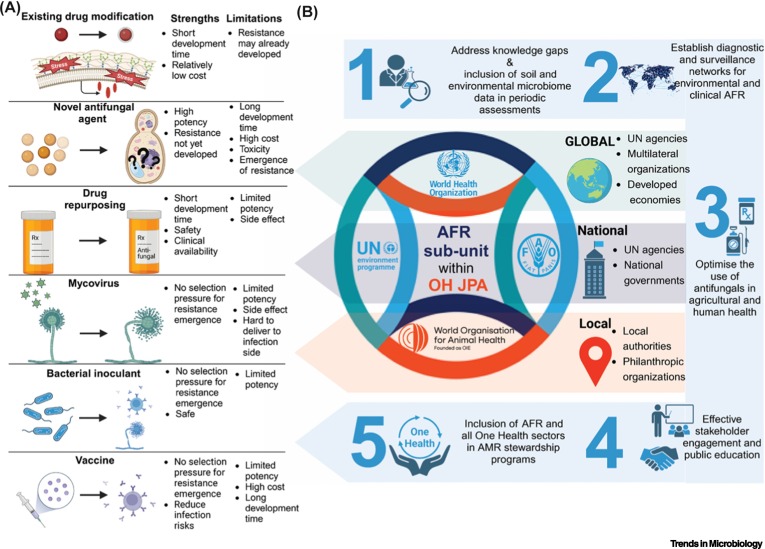
New paper from the lab-Environmental microbiome, human fungal pathogens, and antimicrobial resistance.
in @TrendsMicrobiol of @CellPressNews
We propose an integrated roadmap for predictive risk management of anti-fungal resistance that is critical for effective surveillance and forecasting of public health outcomes under current and future climatic conditions
Led by @yan_zhenz with contribution from @Dr_ChaoXiong@TadeoSaez@HangweiHu@ManuDelBaq @ftmaestre Qing-Lin Chen & Anton Peleg
https://t.co/1NxQrM31vv
Interested in global change ecology? Want to ‘dig’ deeper into mechanisms that drive ecosystem response to climate change? Follow the link to find out more about our available PhD scholarship. Closing date 30th September. https://t.co/ltZtDS3Wli
💻Join @ZainItszain as he compares bioinformatics tools and pipelines for removing host sequences and identifying infectious agents in bovine metagenomes! Learn about the best tools and strategies for accurate microbial characterisation #MicroSeq2024#Bioinformatics#Metagenomics
Keen to get #AllTheDirt for Winter 2024?
Click the link to find out about
🌟Plant sampling for nutrient analysis
🌟How to unlock the secrets of soil
🌟Managing soil drought
🌟New soil events
➕more!
👇👇👇
https://t.co/ZhEnA4m5co
AusGov has committed $6.26M for regional soils coordinators. Learn more and watch free soil webinars by #SNSWInnovationHub-supported advisors Luke Beange and Blake Palmer in our latest hub news: https://t.co/7uAC4EZRPP #droughtresilience@DAFFGov#FutureDroughtFund
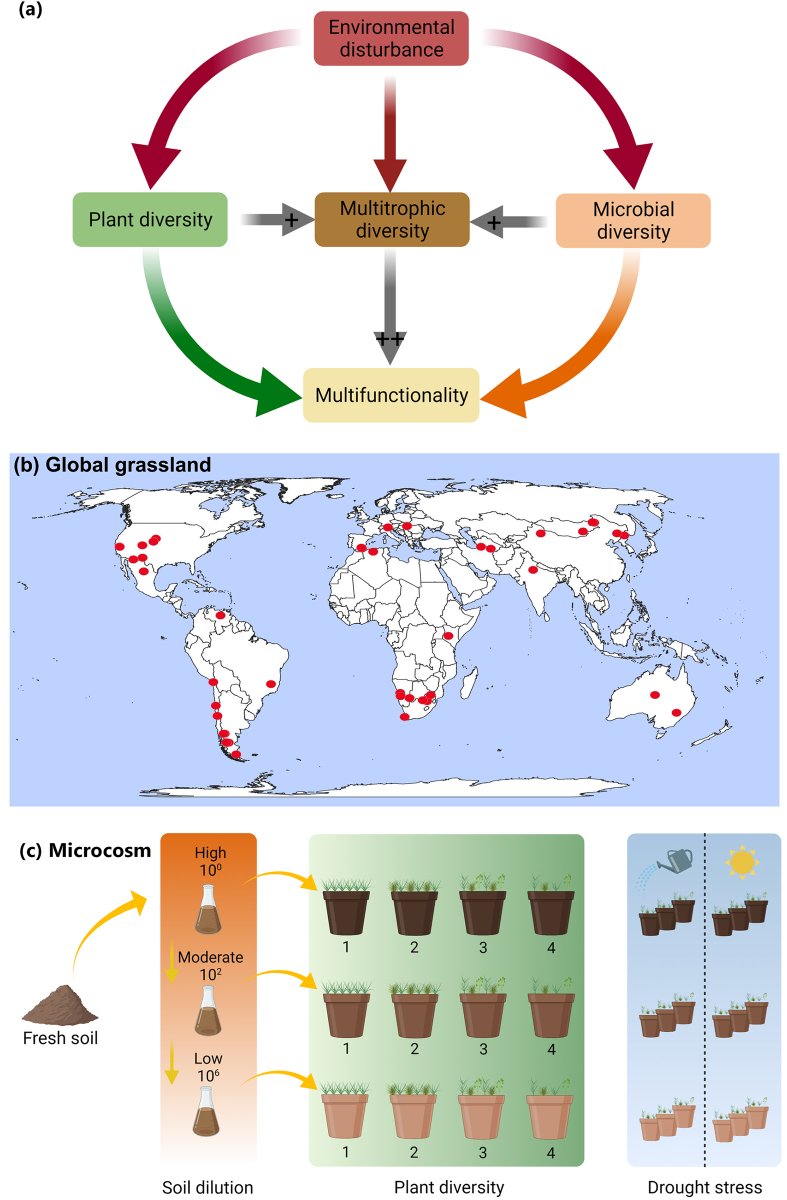
New paper from the lab- Aboveground and belowground biodiversity have complementary effects on ecosystem functions across global grasslands
In @PLOSBiology led by postdoc- Martins with contribution from @ManuDelBaq@TadeoSaez @ftmaestre @wang_juntao@hongweiliu10@Ramesha_HJ Dengue Tao & Peter Reich
@PLOS
https://t.co/U1SWXBXNJn
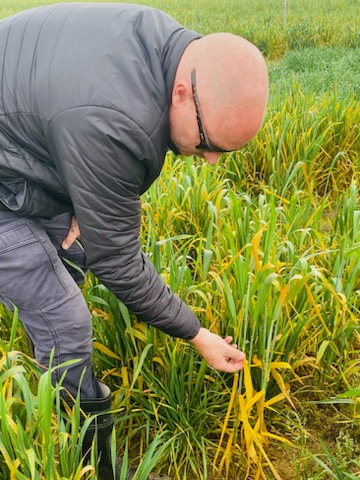
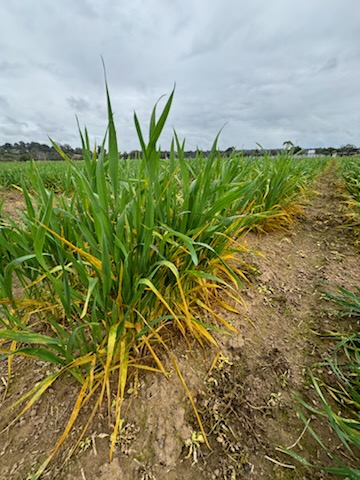
#Striperust thrives in cool, moist conditions with temperatures between 10°C and 15°C and prolonged leaf wetness from dew or rain. These disease favoring conditions have been ideal at #Cobbitty this year and our #disease screening nurseries @PbiCobbitty are thriving.
Dr. Davinder Singh and Mr. Matthew are out in the field with additional photos of PBI Cobbitty, disease screening nurseries, and NVT. @theGRDC@GRDCNorth@GRDCSouth@thelandnews
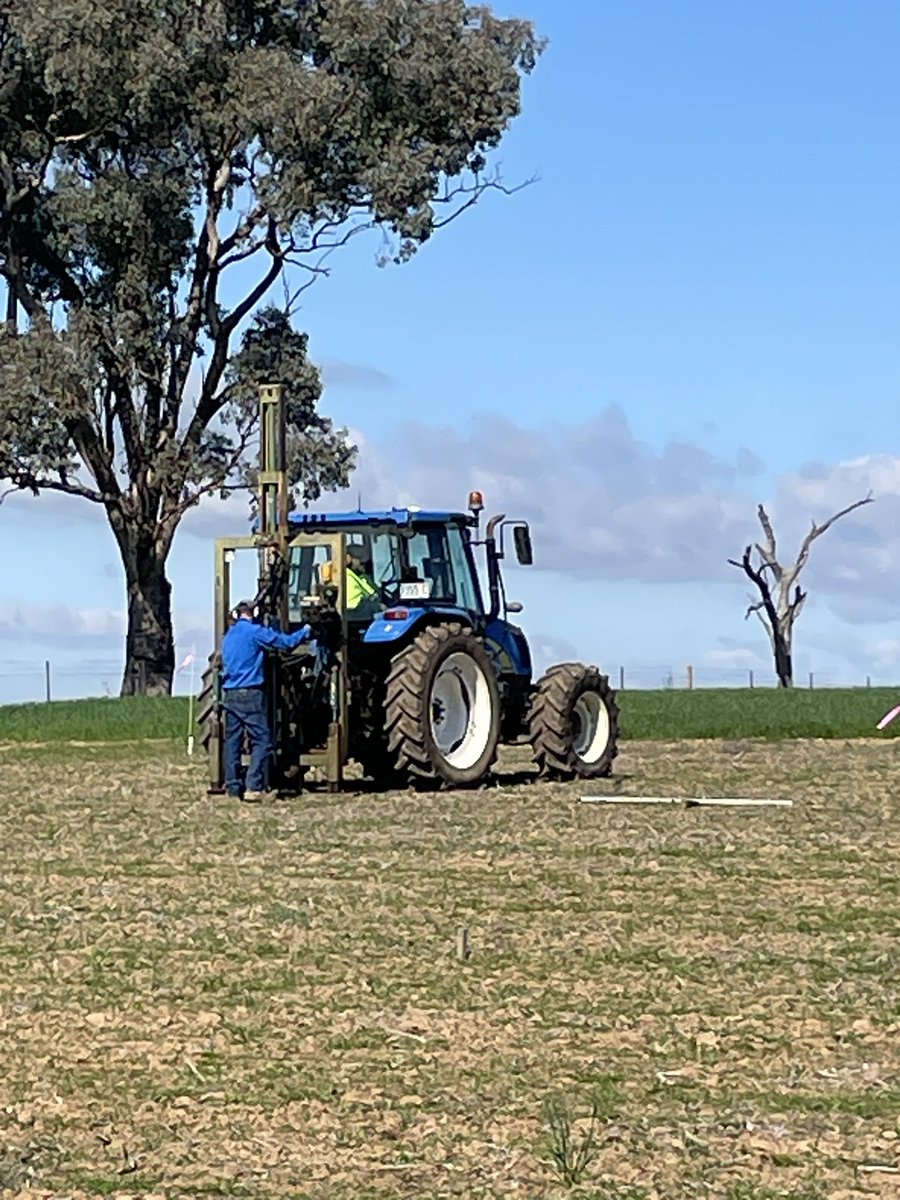
Another Day another lime trial. Cowra lime expt. 4 pH profiles x 2 phos rates. Installing neutron probe tubes today to see if improving Colwell P and soil pH can increase water extraction at depth under pasture @meatlivestock@rickchayes @DrJasonCondon
First Cereal RustTrack USyd map is live, to track rust around. Click on the icon to check the pictures and stay updated on rust prevalence and distribution across Australia. Thank you for trying web-based app
Check it out here: https://t.co/8QM92TK4Qo
Check out our new research note in @BioMedCentral on using CRISPResso2 with Nanopore sequencing data! Efficient, cost-effective gRNA screening! #CRISPR#Nanopore#DNA#GeneEditing https://t.co/161OkRuCj8
Optimal time for nodulation checks is 10-12 weeks after emergence. Though, it has been extra cold and wet for many. Just the annual reminder about the 4C’s when checking legume nodulation (Collect, Clean, Count, Calculate).
#nodulation#pulses#nitrogen