Happy to contribute along with many other colleagues to the 2 Kidney papers bridging @KPMProject and @_hubmap that are just out today in @Nature and @NatureComms :
https://t.co/baE86iHfKE
https://t.co/Xom4i9Y8lD
Kidney casts contain high levels of PROM1, a marker linked to cell damage and dedifferentiation based upon new #ASNCJASN study. https://t.co/G3LaMD65Hh
Save the Dates: May 20 & 21, 2026
The Indiana O’Brien Center for Advanced Renal Microscopy will host a virtual workshop on Spatial Protein Imaging. Details coming soon on the program and registration (free). Stay tuned!!
Save the Dates: May 20 & 21, 2026
The Indiana O’Brien Center for Advanced Renal Microscopy will host a virtual workshop on Spatial Protein Imaging. Details coming soon on the program and registration (free). Stay tuned!!
@Carmendemigue12@KidneyInCVD Thank you so much Carmen! So kind of you. Big kudos to all the team, but especially Azuma Nanamatsu who has been the driving force behind this work.
Times have changed. Reviewing papers stopped being predominantly a duty and an academic privilege, to also becoming an integral part of a multi-billion dollar publishing industry. Compensate reviewers? Any other examples of industry sustained by free work?
This perspective in @asnpublications CJASN discusses the importance of spatial biology in studying kidney disease and the translational implications to identify therapeutic targets and biomarkers. https://t.co/ZjINVRGkGM
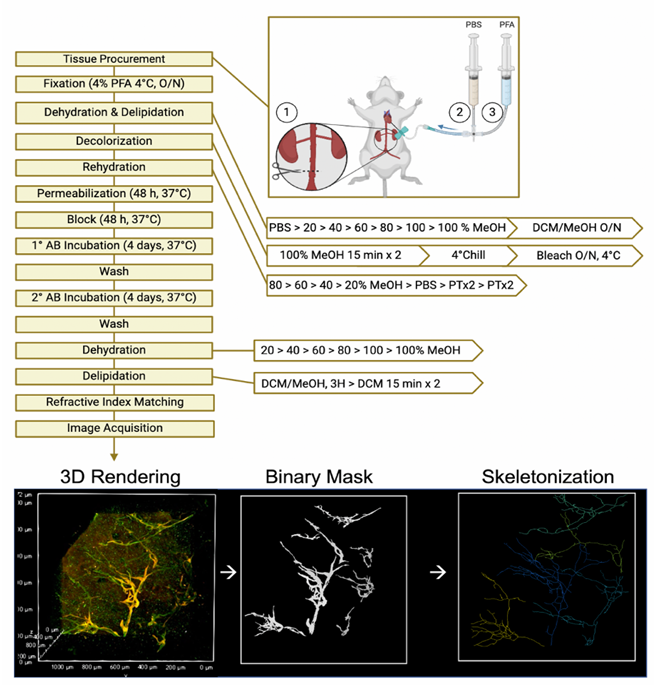
The lymphatic system has historically been understudied due to the difficulty of distinguishing it from the blood vasculature. This #ASNKidney360 paper's authors optimized an antibody-based method for imaging hard-to-visualize adult murine kidney lymphatics. Read more: https://t.co/llmDQbxNC1
Kidney diseases are a leading cause of death in the U.S. They affect 14% of adults, often without knowing it. IU researchers are mapping kidney cell types to improve diagnosis and open the door to more precise therapies.
https://t.co/U4yksa5he9
@ivivek87 Thanks! Yes, there were intermediary states THY1+, PROM1+(and VCAM1+), but loss of THY1 and persistence of PROM1 seems to correlate with injury and maladaptive repair.
Our latest in @ScienceAdvances from a large collaboration through @KPMProject . We characterize a population of PTs in human kidney that express the regenerative marker THY1. THY1+ PTs are lost in kidney disease https://t.co/7VRrhl8wp7
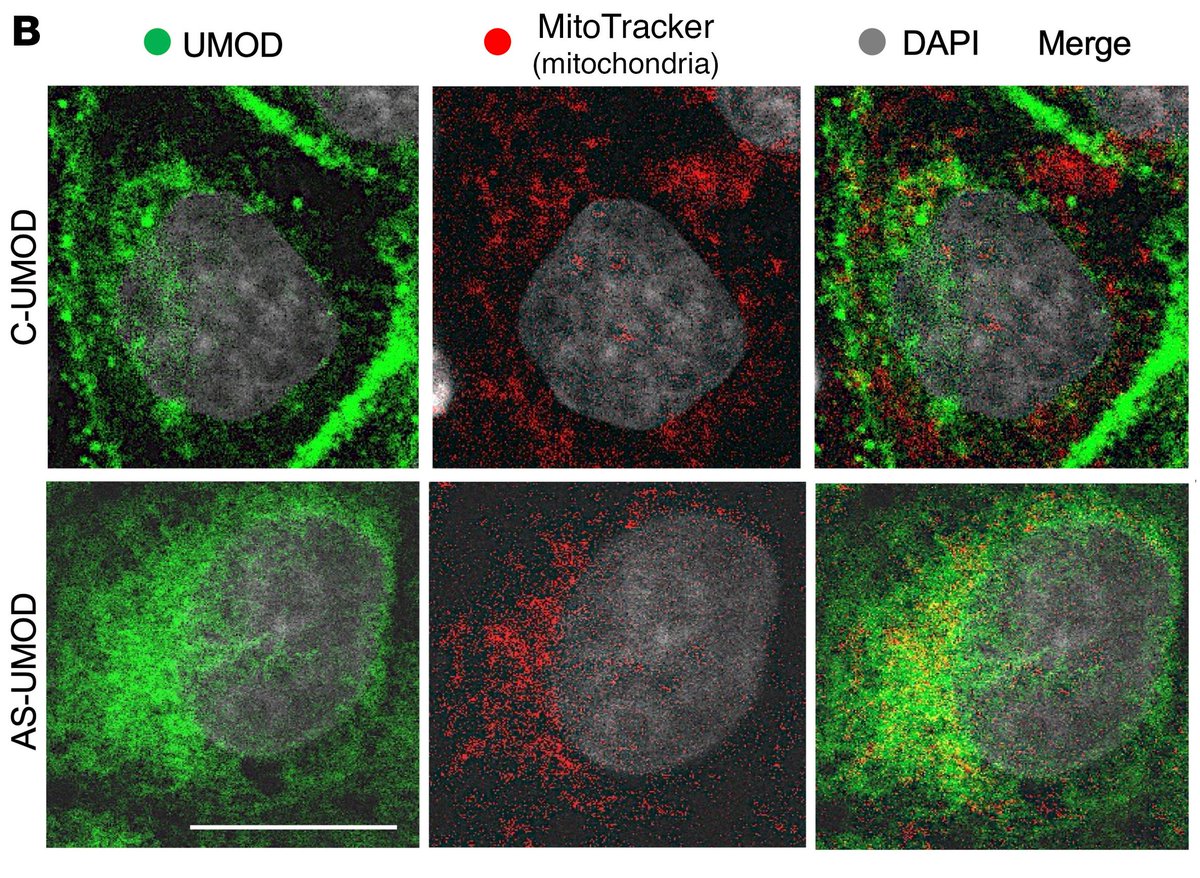
Kidney cells can protect themselves during injury, but the mechanisms were unclear.
ASCI member Tarek M. El-Achkar @AshkarLab & team @IUMedSchool now show that oxidative stress induces an isoform of uromodulin that re-routes to the mitochondria to enhance energy production.
View paper: https://t.co/Thtsvb6ZfZ
Kidney cells can protect themselves during injury, but the mechanisms were unclear.
@AshkarLab & team @IUMedSchool now show oxidative stress induces an isoform of uromodulin that re-routes to the mitochondria to enhance energy production.
View paper: https://t.co/346QR9uX7a
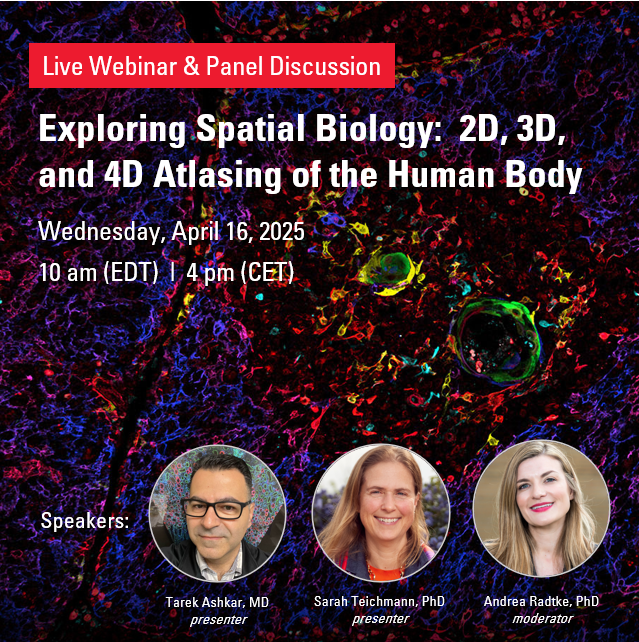
How do trillions of cells work together to form & maintain the human body? @AshkarLab & @sarahteichmann1 will guide you through 3D & 4D spatial imaging, uncovering how organs function, develop, & respond to disease. Join the discussion! https://t.co/ICcapWU3kn #CellMapCrew