Sales & AI CEO at Ytel, CCaaS Industry Innovator with 20+ Years of Experience, Forbes Tech Council Member & Author. My mission is excellence, my passion is tech
@OC_Scanner thanks for covering the chemical spill. I’m fully confident that @OCFireAuthority is doing everything in their power to protect people and mitigate this disaster. Please be patient everyone, you have smart people on this, listen to their advice.
codex is the best AI coding product and we want to make it easy to try.
for the next 30 days, we are giving companies that want to try switching over two months of free codex usage.
A Anthropic acabou de matar o Markdown.
Um engenheiro do Claude Code publicou um artigo ontem que pode decretar o início de uma nova era.
A tese é brutal: Markdown nunca foi o formato certo para comunicação entre humanos e IA. Era só o que tínhamos.
O próprio autor admite que nunca leu um arquivo Markdown gerado por IA com mais de 100 linhas até o fim.
Você também não lê. Eu também não.
A sacada:
Markdown assume que você vai ler do início ao fim.
HTML assume que você quer ver o que importa e mexer com as mãos.
Na prática:
→ 30 tickets de projeto viram kanban arrastável com colunas Now / Next / Later / Cut e botão de exportar
→ Lógica de rate limiting vira flowchart SVG com código inline, no lugar de 200 linhas de texto
→ Code review vira diff colorizado com grafos de dependência entre módulos
→ Parâmetros de animação, cores, regex, cron jobs ganham sliders com preview ao vivo
→ Specs de projeto viram 6 opções lado a lado com mockups interativos
Todos exemplos reais do artigo. Todos substituem um muro de texto por algo que você de fato abre e usa.
O trade-off existe: HTML é 2-4x mais lento para gerar. Mas com contexto de 1 milhão de tokens, esse custo sumiu.
E a parte que ninguém está discutindo: o HTML gerado não é só para humanos. O agente de verificação também lê. O spec deixou de ser documento e virou memória compartilhada entre agentes.
Markdown é relatório.
HTML é interface.
Relatórios são para ler.
Interfaces são para continuar o trabalho.
Se você usa IA em 2026 e ainda pede Markdown para tudo, você pode estar usando um smartphone como lanterna.
Nvidia just figured out how to put an AI data center on the side of your house. And pay you to host it.
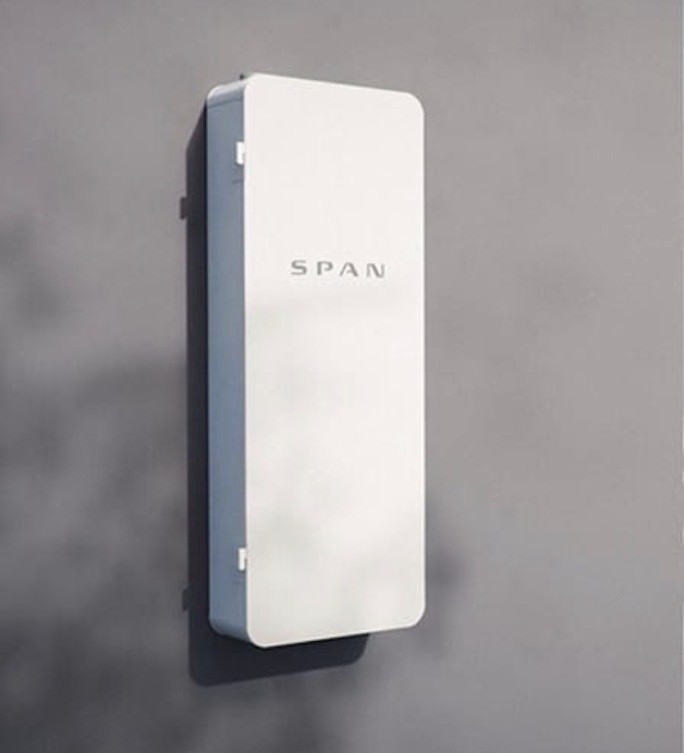
Each XFRA node packs 16 Blackwell RTX Pro 6000 GPUs, 4 AMD EPYC CPUs, and 3TB of RAM in a Dell PowerEdge rack mounted next to the AC condenser. The homeowner pays nothing for the hardware. They get discounted electricity and internet in exchange for letting Span tap unused capacity on their electrical panel.
This sounds insane until you look at the actual constraint blocking AI infrastructure.
Hyperscalers are not GPU-limited. Nvidia ships them on schedule. They are not capital-limited. They are sitting on hundreds of billions in capex. What they cannot get is grid interconnection. A 100MW data center requires a substation upgrade that takes 4 to 7 years in most US markets. US grid operators have over 2,600 gigawatts stuck in their interconnection queues per Lawrence Berkeley Lab. The wait, not the silicon, is the bottleneck.
Span solved this by going behind the meter.
A new Pulte home has 200A service. That's 48kW of capacity. The home uses 1 to 3kW most hours. The headroom never gets touched. Span's smart panel measures real-time consumption and dynamically routes whatever the home isn't using to the XFRA node. No substation upgrade. No queue. Just slack capacity sitting on the residential side of the meter, already cleared.
Span claims it can deploy 8,000 nodes for one fifth the cost of a comparable 100MW centralized facility, six times faster.
PulteGroup is the wedge. They delivered 29,000 homes in 2025. The XFRA unit goes in during construction next to the smart meter. No retrofit. Pulte gets a feature on the spec sheet and revenue share on the compute that flows through the wall.
The grid was the bottleneck. Pulte just became the workaround.
Viktor X'te tasarım tarafında takip ettiğim tartışmasız en iyi isimlerden biri.
Adamın çıkardığı işler her seferinde estetikten yıkılıyor.
Ve şimdi Claude Design + Opus 4.7 üzerine 18 dakikalık tutorial çıkarmış.
Kendi adıma bu videoyu izledikten sonra tasarımlarınızın tamamen bambaşka bir seviyeye çıkacağına eminim.
Claude Design zaten tek başına oyunu değiştiriyor, bir de Viktor gibi birinin elinden öğrenmek varken kaçırılmayacak bir kaynak.
Yumulun!