PhD student William Parker’s research was featured in @SpaceNews_Inc this week, exploring the impact of this year’s geomagnetic storms that led to unprecedented “mass migrations” of thousands of satellites in low Earth orbit.
https://t.co/pw0voKQMSs
I am thrilled to share that @NASA has selected our team to study orbital debris and space sustainability. I am excited to work on this project with Profs. Danielle Wood (@space_enabled ) and Daniel Hastings.
https://t.co/7sEjw6nTQj
Collision avoidance technologies need beefing up to ensure #satellite safety in solar storms, says research from @AstrodynamicMIT's Prof. Richard Linares and William Parker in @DiscoverMag. https://t.co/kKQ22Y7tio
Last month's geomagnetic storm was the largest in over 20 years! ARCLab researchers analyzed satellite behavior during the storm to better understand how these events impact operations in LEO.
Learn more here: https://t.co/gy2FA0FMW1
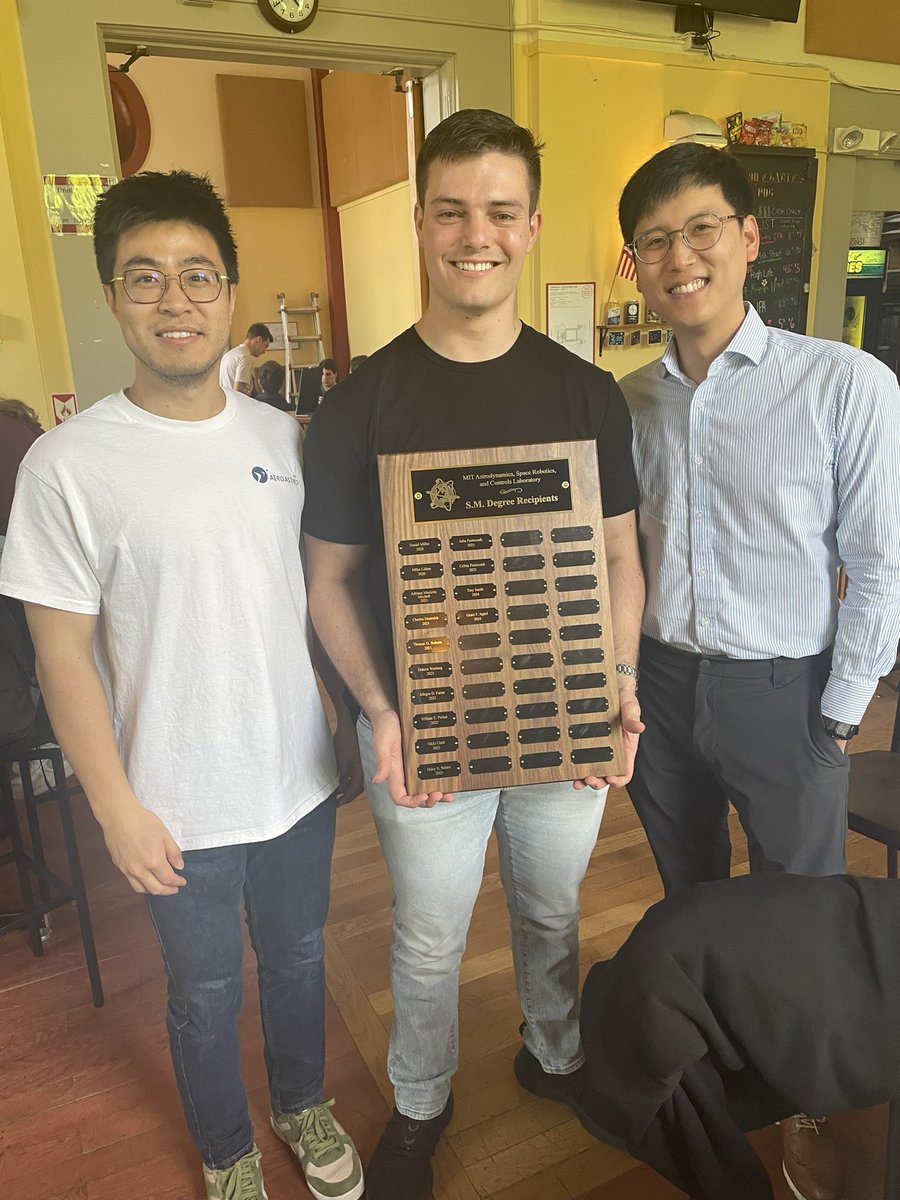
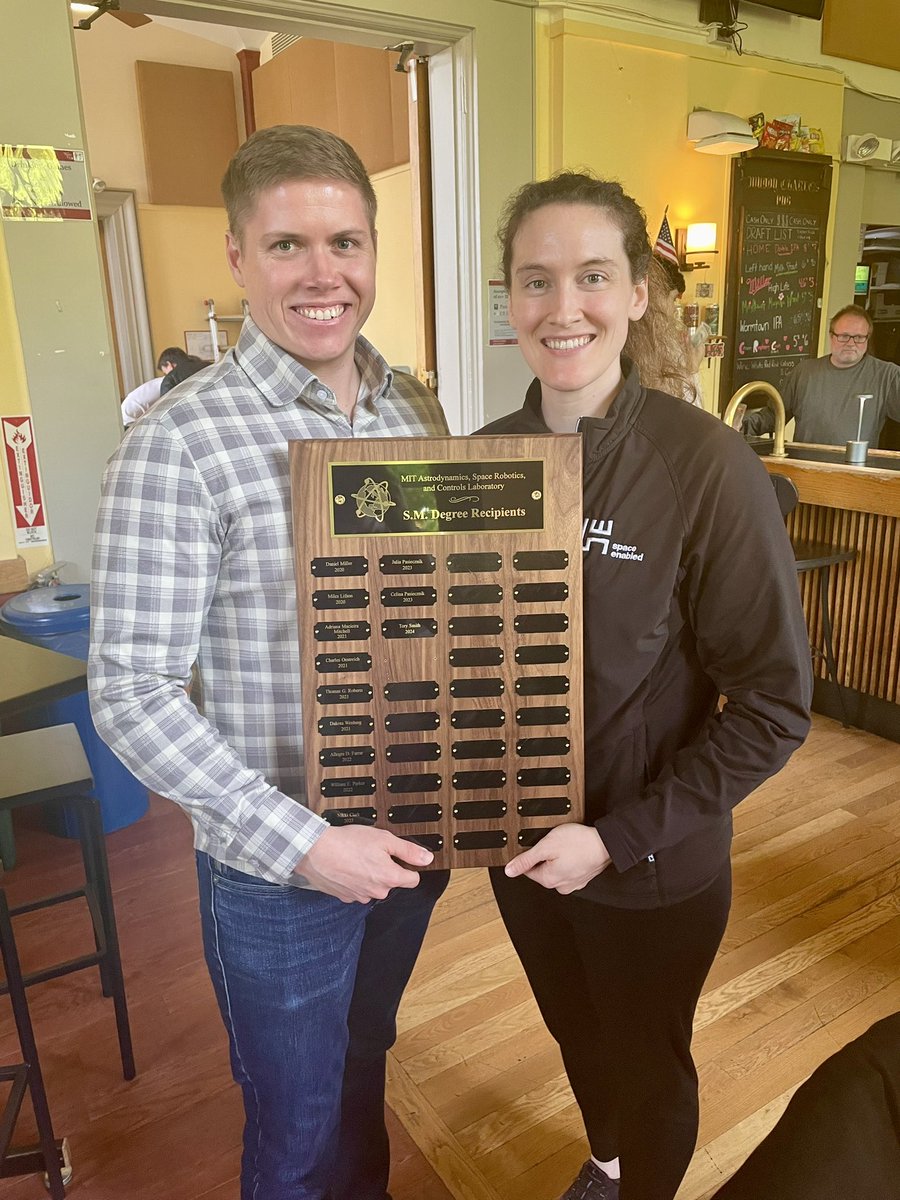
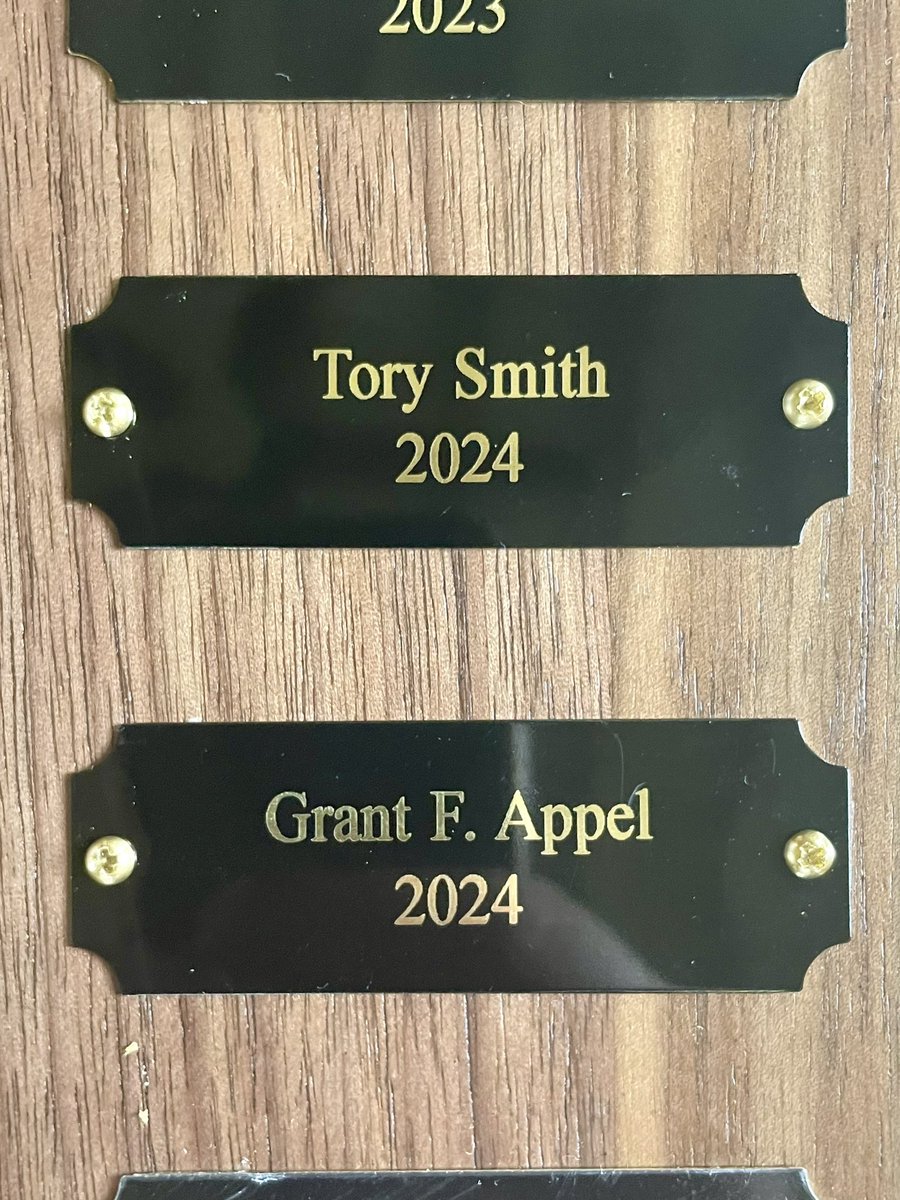
Congratulations to our soon-to-be ARCLab SM graduates—@SpaceForceDoD Capt Tory Smith and Lt Grant Appel—on submitting their masters theses!
#AdAstra 🎓✨
ARCLab researchers have improved their Monte-Carlo model for studying the long-term evolution of the space environment. The latest version can run new scenarios that predict *millions* of trackable objects over a 200-year period!
Read more here:
https://t.co/nTRlJY949w
Want to know what it's like to study astrodynamics at @MIT?
Listen in on a public seminar by post-doc Giovanni Lavezzi (who teaches the grad-level astrodynamics class at @MITAeroAstro!) and guests Riccardo Cipollone and Andrea De Vittori from @polimi on Thursday at 11 am ET. 👇
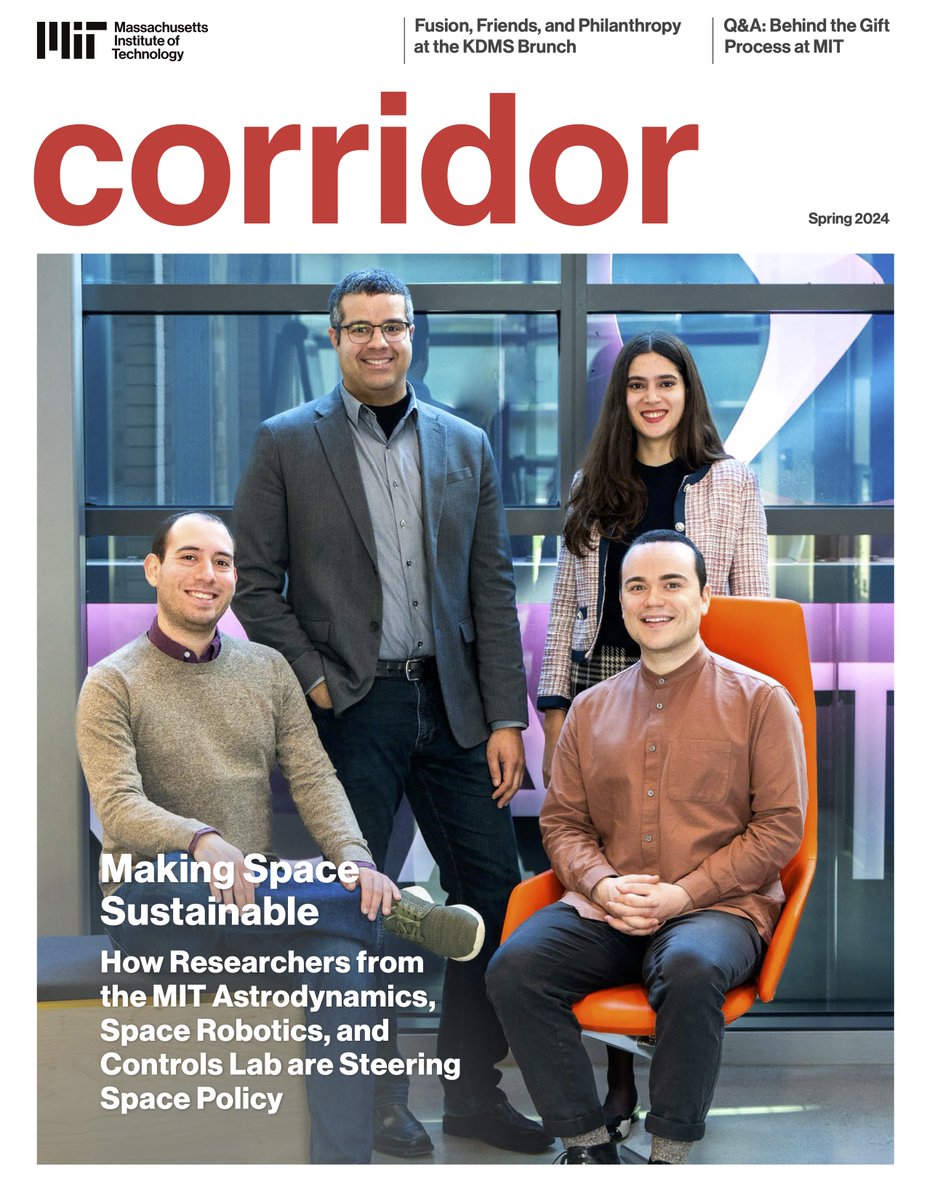
ARCLab made it to the cover of MIT's Corridor newsletter!
Check out the write-up of the lab's work, featuring lab director Prof. Richard Linares, Dr. Miles Lifson, Dr. Thomas González Roberts, and PhD candidate Adriana Mitchell.
https://t.co/IamQavyvS6
Prof. Julie Shah has been named the new AeroAstro Department Head. An expert in robotics and AI and a 20-year member of the AeroAstro community, Shah succeeds Prof. Steven Barrett effective May 1.
https://t.co/mc0YSAPAUj
If you are at all interested understanding ITU satellite slots in GEO, this new ITU-Compliance-Assessment-Monitor that @ThomasGzRoberts built as part of his PhD work is an outstanding tool:https://t.co/P5nkObuYVJ
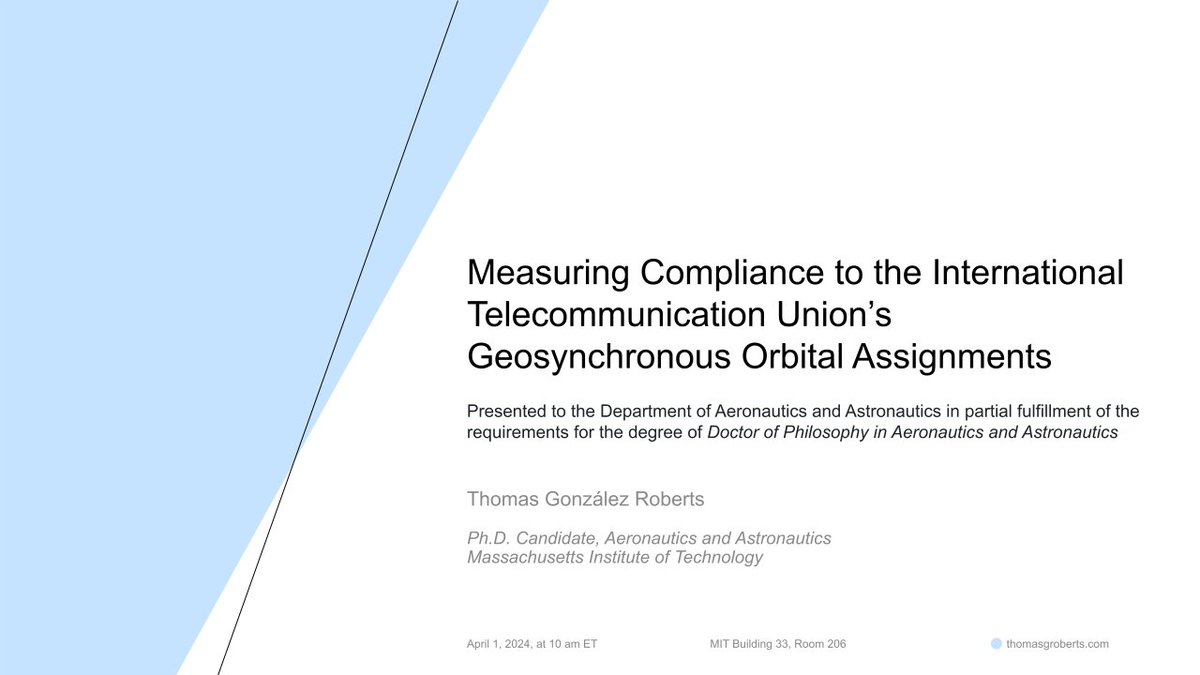
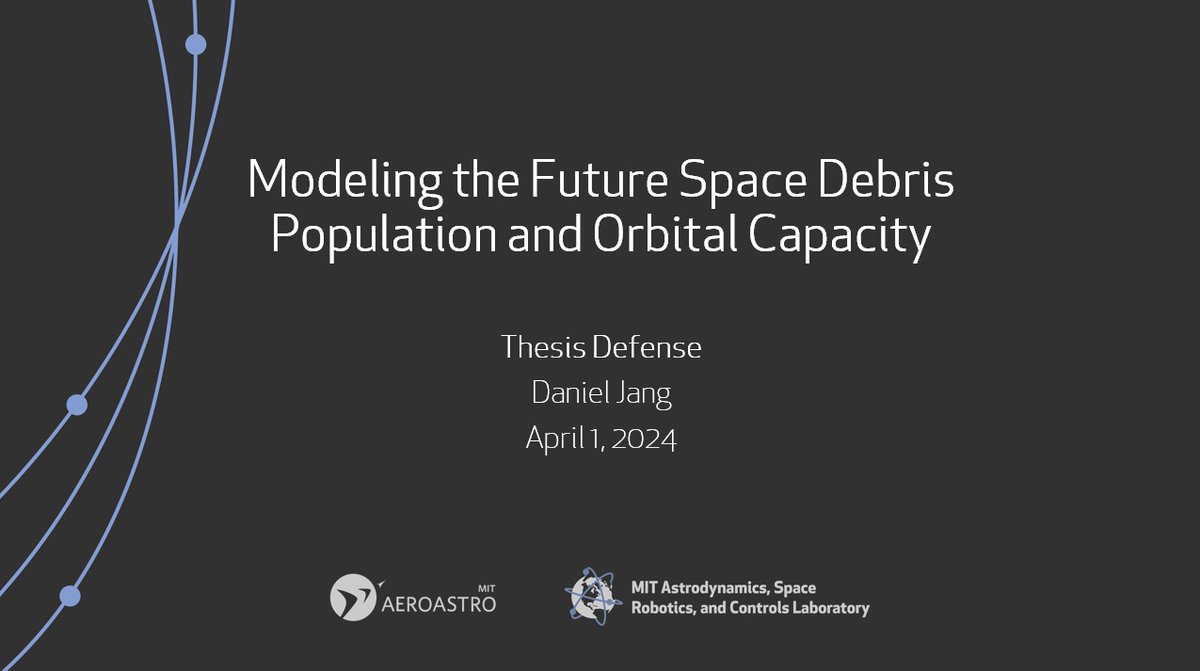
It's a big day at ARCLab: *Two* PhD candidates are defending their theses!
At 10 am: "Measuring Compliance to the @ITU’s Geosynchronous Orbital Assignments," by @ThomasGzRoberts
At 3 pm: "Modeling the Future Space Debris Population and Orbital Capacity," by @DanielJang15
🛰️🎉
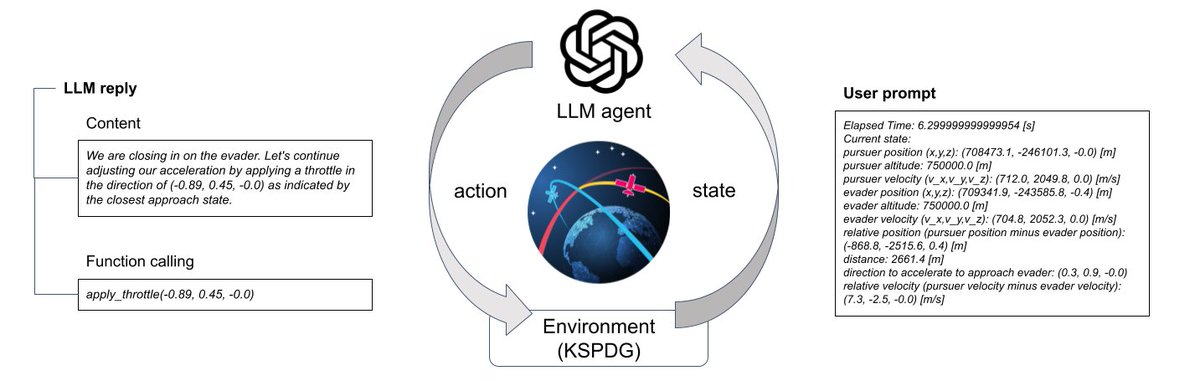
Could satellite operators use large language models to control their spacecraft?
As part of an international team, ARCLab researchers developed software to test this idea on the simulated space environment in @KerbalSpaceP.
Read their pre-print here:
https://t.co/BBuIjTBlqR
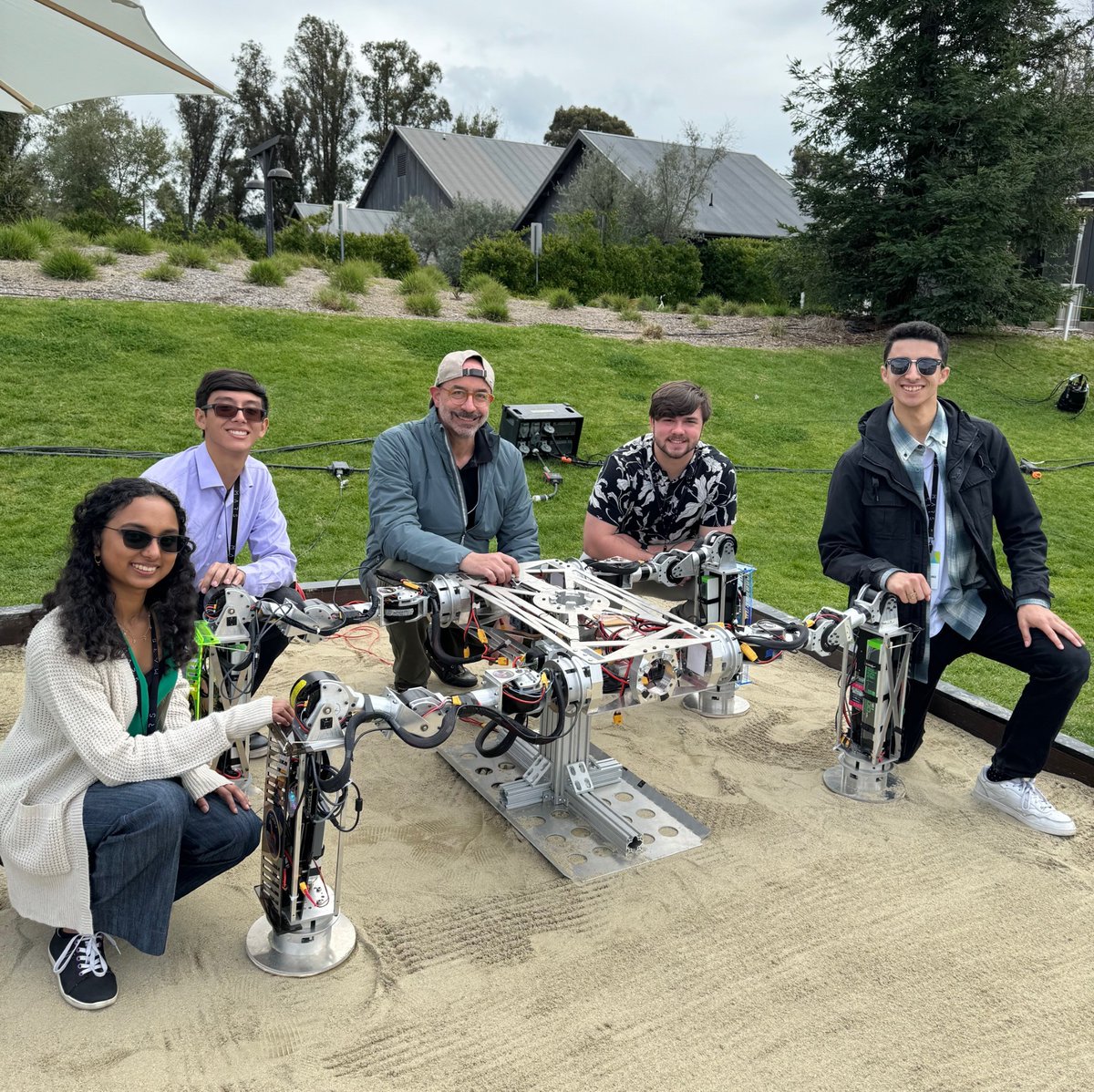
The MIT WORMS team demonstrated their full-scale hexapod prototype at the 2024 Amazon MARS conference. The demonstration showcased the field-reconfigurability of their full-scale hexapod prototype.
Watch the video: https://t.co/V0rT6aSN0j
Astrodynamics can take you all around the world!
Learn more about the work that took ARCLab students to Italy, Germany, Switzerland, and the United Kingdom in @MITAeroAstro's latest news highlight:
https://t.co/chFuIh29lr
CC: @MISTIatMIT
🇮🇹🇩🇪🇨🇭🇬🇧
The MIT Orbital Capacity Assessment Tool (MOCAT) developed by @AstrodynamicMIT researchers was featured in this month's Infinite newsletter from the Dean of @MITEngineering. Read more here:
https://t.co/eto8FDpAVw
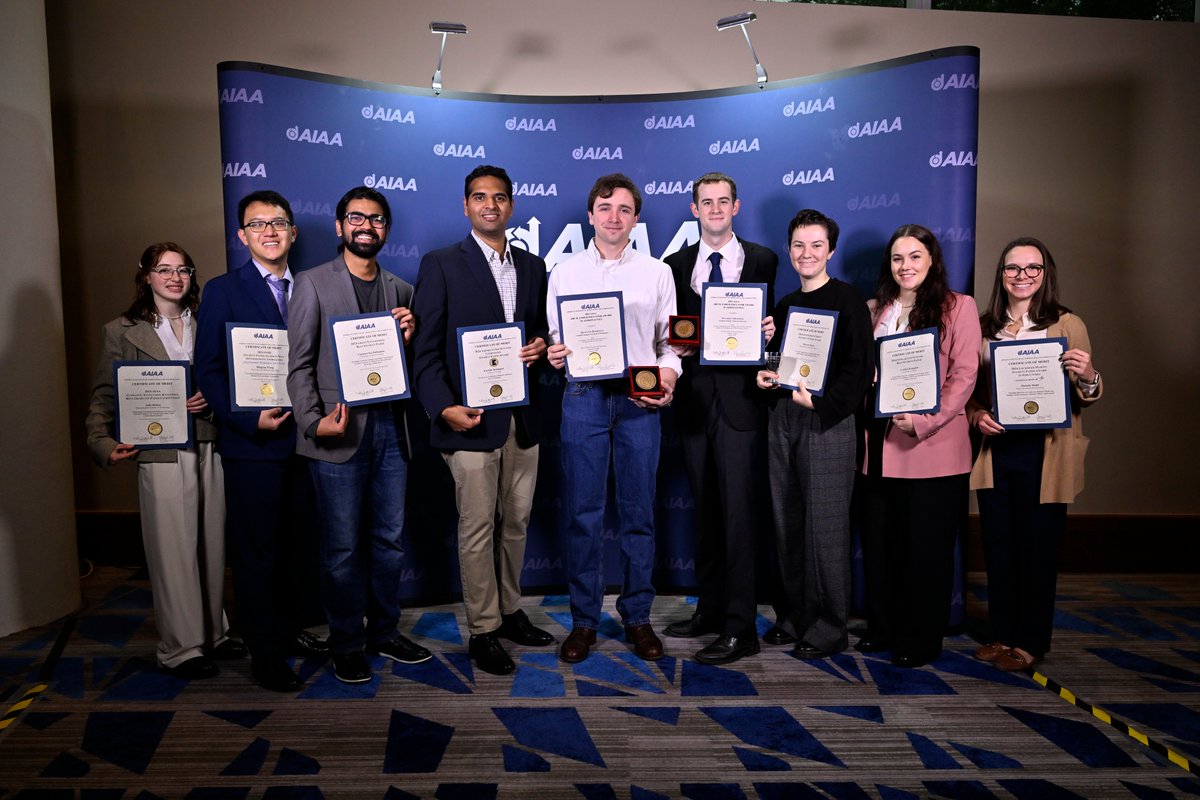
Congratulations to ARCLab PhD candidate @JuliaBriden for earning the Best Graduate Student Paper in Guidance Navigation and Control at this year's @aiaa SciTech Forum!
Way to go, Julia! 🎉