Arrived at ISS via SpaceX Falcon9 & Dragon (CRS-4). Escaped and living on-orbit within ISS. Not official NASA account. Opinions are the meeses. #Science & #Fun
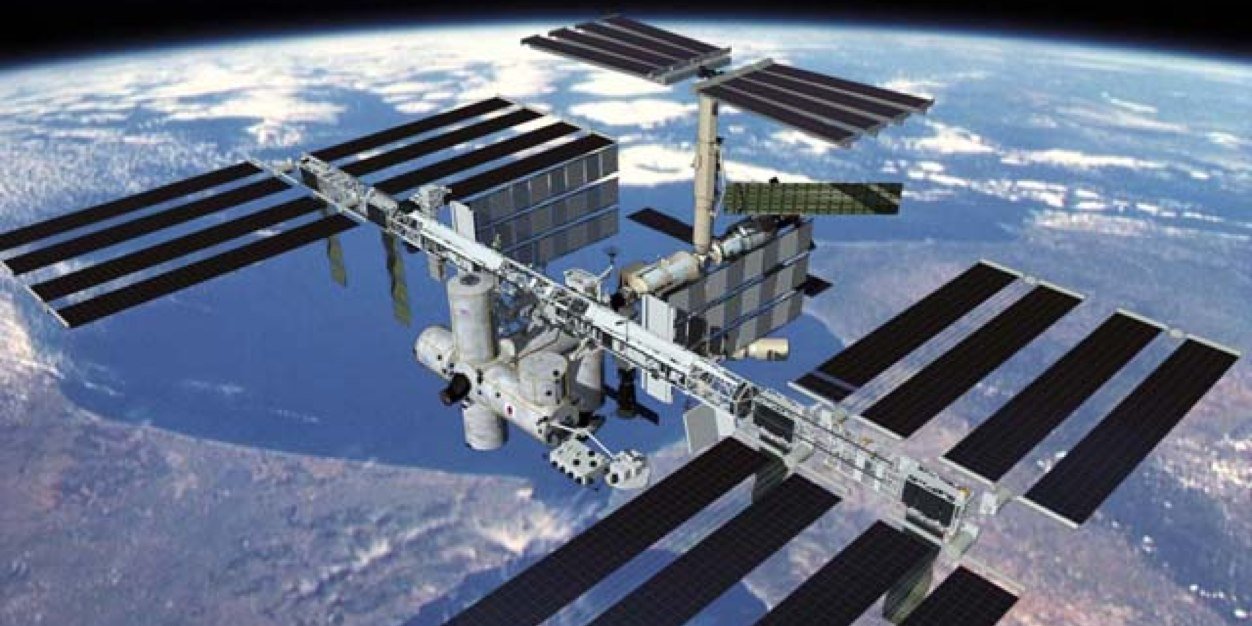
Solid piece on Space Data Centers by J. Callison and my good friend Joe Minafra (one of the coolest people in the world, BTW, and head of innovation for NASA SSERVI). They argue the need for supply chain and in-space maintenance of space data centers. 1/2 https://t.co/H7FL78D3FF
The Only Cat to Survive the Vacuum of Space.
Félicette was an ordinary stray from the streets of Paris who quietly became the first and only feline to conquer the cosmos. In 1963, the French space program selected her from a group of fourteen female cats entirely because of her extraordinarily calm demeanor.
After undergoing months of rigorous training, including spinning in centrifuges and sitting in compression chambers, she was strapped into a Véronique AG1 rocket and launched 97 miles above the Earth's surface.
During her fifteen-minute flight, Félicette experienced five minutes of complete weightlessness. Electrodes that had been surgically implanted in her brain transmitted vital data back to the scientists below, proving that a complex mammalian brain could function perfectly in the harsh, disorienting conditions of zero gravity. Her capsule safely detached and parachuted back into the Sahara Desert, where she was recovered alive and well.
Despite her incredible contribution to early space exploration, her legacy was largely overshadowed by the famous dogs of the Soviet Union and the monkeys of the United States.
For decades, her story remained a bizarre footnote, with later commemorative stamps even mistakenly depicting her as a male cat named Félix. It wasn't until a crowd-funded campaign in 2019 that a bronze statue was finally erected at the International Space University to permanently honor the world's original astrocat.
Cats always land on their feet, but only one ever stuck the landing from the stratosphere.
A 2.5-second rocket flight that heralded decades of discovery in space!
Today marks 100 years since the first successful test of a liquid-fueled rocket. Robert H. Goddard's achievement would have appeared unimpressive by most measures: His rocket flew just 41 feet in the air, landing in a nearby cabbage patch. Liquid-propelled rocketry has been the backbone of spaceflight ever since.
📷 by Esther Goddard on March 16, 1926 (Clark University Archive)
@EdwardBrode@JohnLeePettim13 It’s important to note where the “comments” are coming from and why. Here is an example of giant hail vs solar.
https://t.co/gT0Co8tOxp
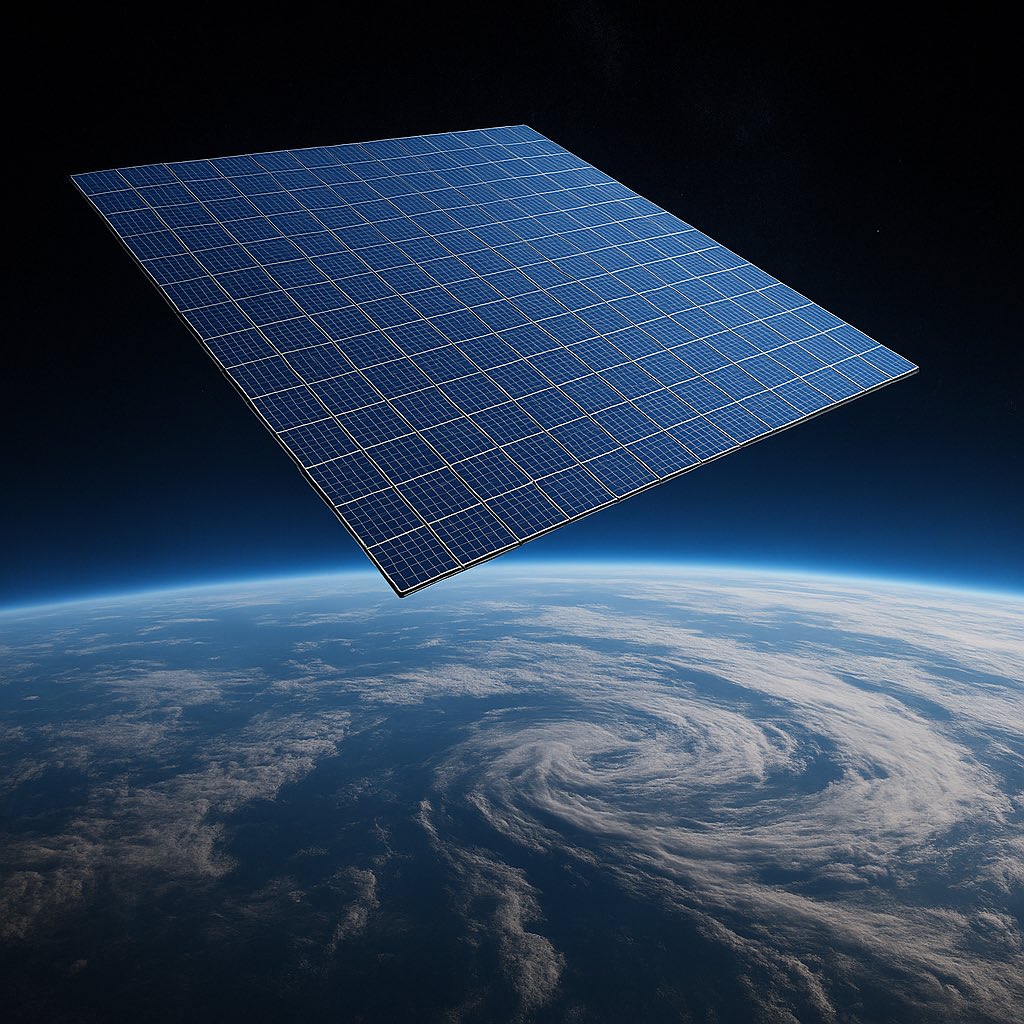
1m² of solar in space generates 10x more energy than it does on Earth.
That’s because in space there is no night, no clouds, and no thick atmosphere.
A solar array 1km² in space would produce as much power as a nuclear reactor.
It’s why space datacenters make sense.
@MobofJoggers Where things went badly for George Lucas was when his close colleagues were afraid to tell him “the Ewoks are a mistake.” When you surround yourself with yes-men, you’re no longer getting a reliable sounding-board to make corrective decisions. Feedback is key.
This is a great idea - but we need people to blow this up with LIKES & RETWEETS! So Seth see’s it.
C’mon...you’re sitting at home doing nothing.... help a mouse out! 🐭
If you are a #SmallBiz and want to help @NASA address safety-critical risks associated with flying #drones in the national airspace at the Safeguard with Autonomous Navigation Demonstration (SAND) Challenge, learn more and apply to participate at https://t.co/LLsyUTLGTh. #FlySafe