Detecting White Dwarf Exoplanets in the Roman Era
Zifan Lin, Tansu Daylan
https://t.co/coqaGb07bt [𝚊𝚜𝚝𝚛𝚘-𝚙𝚑.𝙴𝙿 𝚊𝚜𝚝𝚛𝚘-𝚙𝚑.𝙸𝙼 𝚊𝚜𝚝𝚛𝚘-𝚙𝚑.𝚂𝚁]
💬Submitted to the AAS journals
Searching for Cosmic Survivors: Roman Telescope Targets Planets Around Dead Stars🌌
Despite discovering thousands of exoplanets across the galaxy, finding alien worlds orbiting white dwarfs has proven extraordinarily elusive: to date, astronomers have confirmed only one such planet – known as WD 1856+534 b. Now, with the launch of NASA’s Nancy Grace Roman Space Telescope, researchers are expecting to dramatically rewrite those odds, hoping to hunt down many extrasolar worlds transiting the survivors of stellar death.
Read more: https://t.co/FCjmFRxyEp
@NASARoman@NASA@NASAGoddard@WashU@TansuDaylan@NASAExoplanets
#RomanSpaceTelescope #Roman #NASA #telescope #exoplanets #TansuDaylan #ZifanLin #astronomy
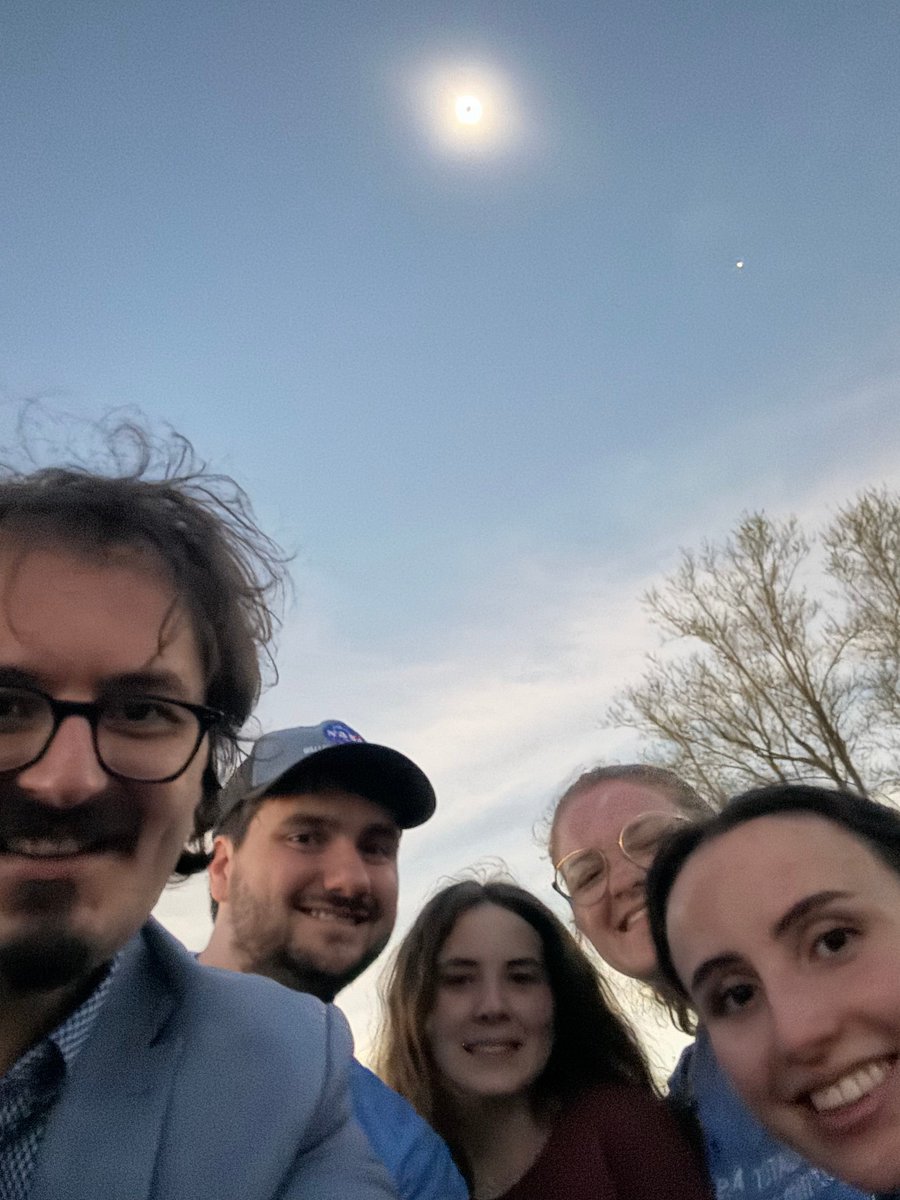
Roman rising behind AstroMusers in the early morning of August 30, 2026 over the Atlantic Ocean on its way to L2. Years of work, anticipation, and ambition lifting into the sky -- a remarkable moment we will carry with us for the rest of our lives. Ad astra, Roman!
Back in St. Louis, my students organized a Roman outreach table during the lunar eclipse event at the McDonnell Planetarium. Wonderful to see them sharing the science behind Roman as we approach launch.
Astronomy on Tap St. Louis is back this Tuesday, March 24, at 7 pm. We'll have three talks from our WashU Satellite students on how to build and launch a satellite and hear from the Astronomical Society of Eastern Missouri about the upcoming MSRAL Convention in St. Charles.
Washington University in St. Louis invites applicants to conduct independent research as a postdoctoral fellow of the McDonnell Center for the Space Sciences (MCSS) in the broad field of space sciences. Apply by December 20!
Learn more: https://t.co/gkUXfhAyUL
An amazing week at AAS 247. Seven @AstroMusers members (grad students Bryce, Aysu, Nathan, and Jackie, postdocs Ekrem and Zifan, and undergrad Aavik) and I, as well as faculty colleagues Manel and Mike from WashU Physics, were in Phoenix to catch up with colleagues.
In 2024, @AstroMusers got new grants and published new papers. My grad student Bryce became a NASA FINESST Fellow. I received an RCSA Scialog Fellowship. AXIS was selected by NASA for phase A. Postdocs Chris (Jaynes Fellow) and Ekrem (MCSS Fellow) joined us.
73 schools
87 students
$66M in support
This spring, the WashU Pledge celebrated its first graduating class! This scholarship program offers a free WashU education to Pell-eligible students from Missouri and southern Illinois, covering all expenses. https://t.co/m40jT4WX8u
This week, group member Bryce Wedig participated in the Astronomer's Proposal Tool (APT) Hack Day at STScI to test out the new version of the APT designed for observations with Roman.
This week, four of our graduate students and I participated in the NASA TOPS Symposium at the Kennedy Space Center in Florida. It’s been a memorable week celebrating the JWST Cycle 3 selections, chasing alligators, watching a live rocket launch, and discussing open science.
My new group @AstroMusers returned from #AAS243 with awesome ideas, building great memories with old and new friends. 2024 will be an exciting year. Thanks for all the stimulating exchange.
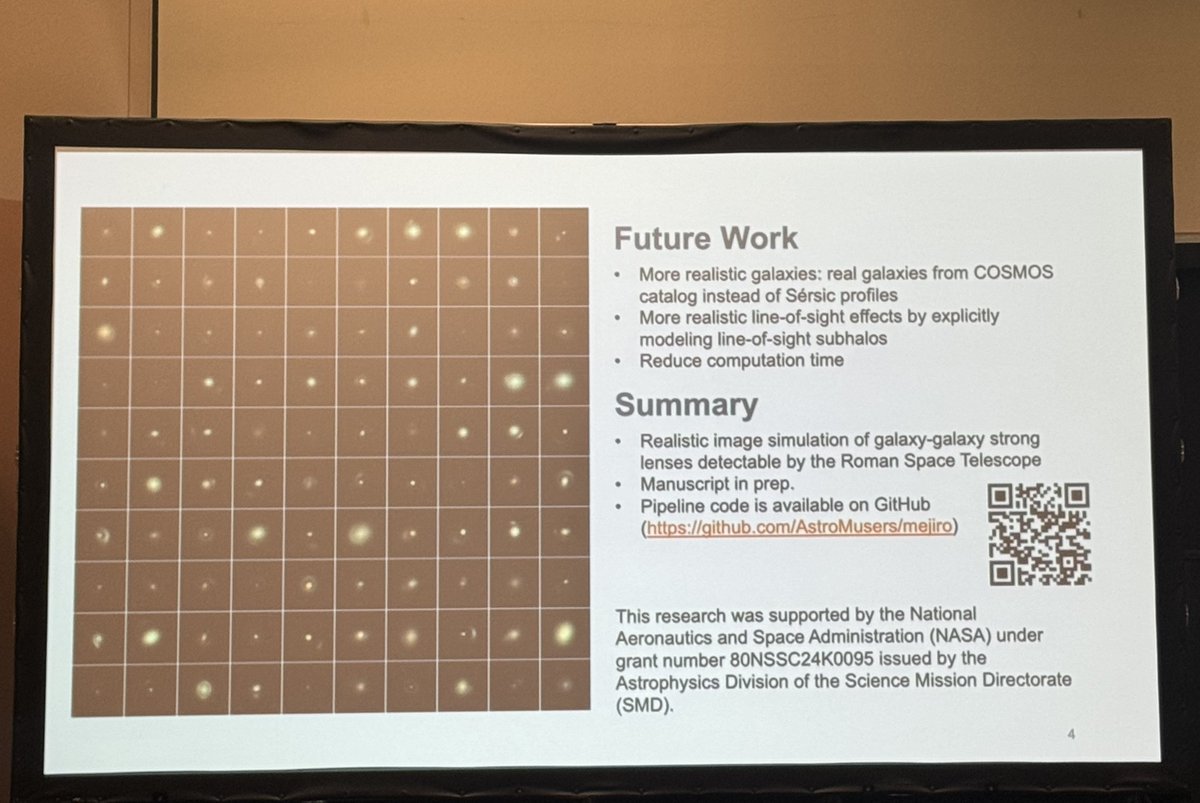
Group member Bryce Wedig just presented our pipeline to simulate strong lens images using the Wide-Field Instrument on the upcoming Roman Space Telescope (#AAS243 presentation 439.05).
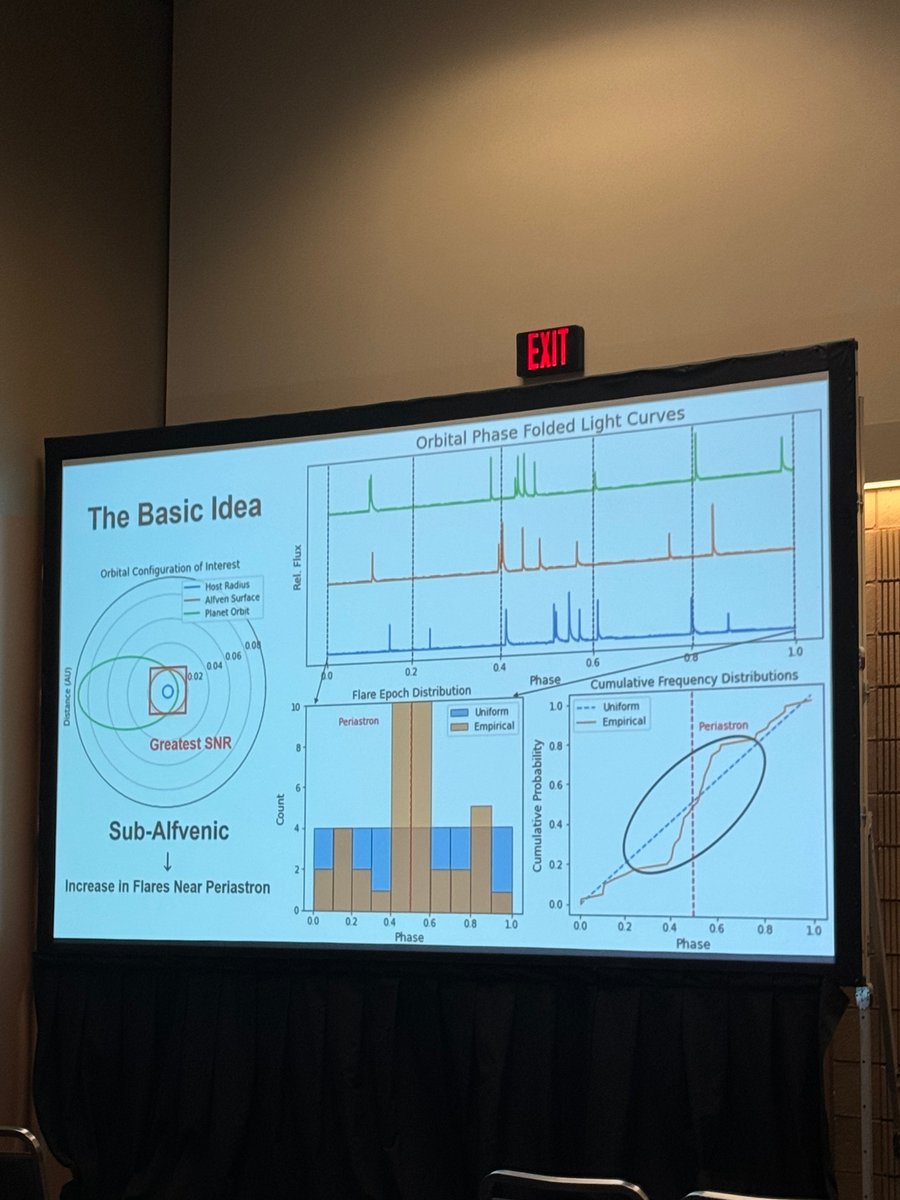
Group member Nathan Whitsett just gave his first AAS presentation, showing our initial results from a search for stellar flares in the TESS data potentially induced by orbiting planets (#AAS243 presentation 337.01). Congrats, Nathan!
WashU Physics is participating in the #AAS243 grad school & REU fair this evening, where you can talk to some of our students, explore our research thrusts, and learn about our graduate program. As a bonus, we are conveniently next to food and beverage!




![QCLN's tweet photo. Detecting White Dwarf Exoplanets in the Roman Era
Zifan Lin, Tansu Daylan
https://t.co/coqaGb07bt [𝚊𝚜𝚝𝚛𝚘-𝚙𝚑.𝙴𝙿 𝚊𝚜𝚝𝚛𝚘-𝚙𝚑.𝙸𝙼 𝚊𝚜𝚝𝚛𝚘-𝚙𝚑.𝚂𝚁]
💬Submitted to the AAS journals https://t.co/QePCzkqRZI](https://pbs.twimg.com/media/HR25ejtXcAYSPtr.png)


![QCLN's tweet photo. The Persistent Thermal Anomalies in Rocky Worlds
Zifan Lin, Tansu Daylan
https://t.co/NJES0hXDZ0 [astro-ph.EP] https://t.co/pgl6ZtXXVA](https://pbs.twimg.com/media/G94nJJ9WEAEKKIx.png)