Congratulations to Zoe de Beurs (@Astro_Zozo) for her new paper measuring the mass of the planet K2-167 b and introducing a new framework for removing the effects of stellar variability from radial velocity observations! https://t.co/pW8WEDhtvl
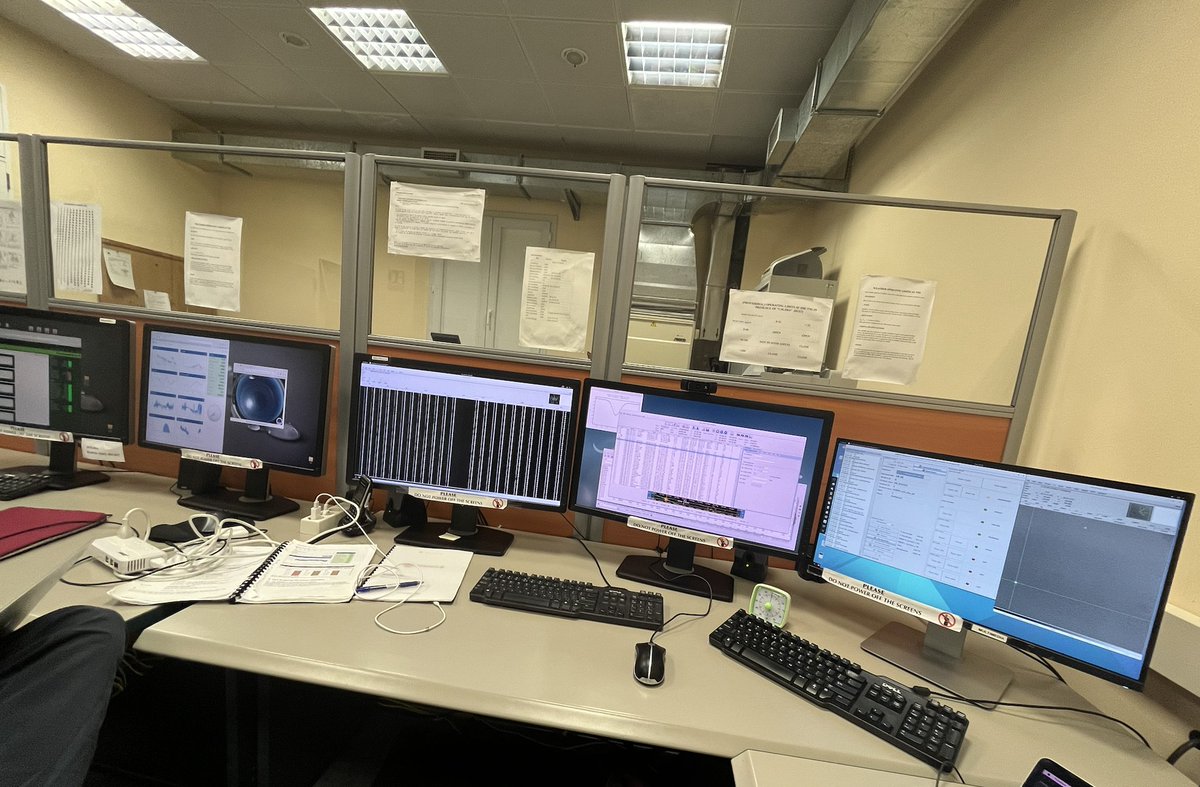
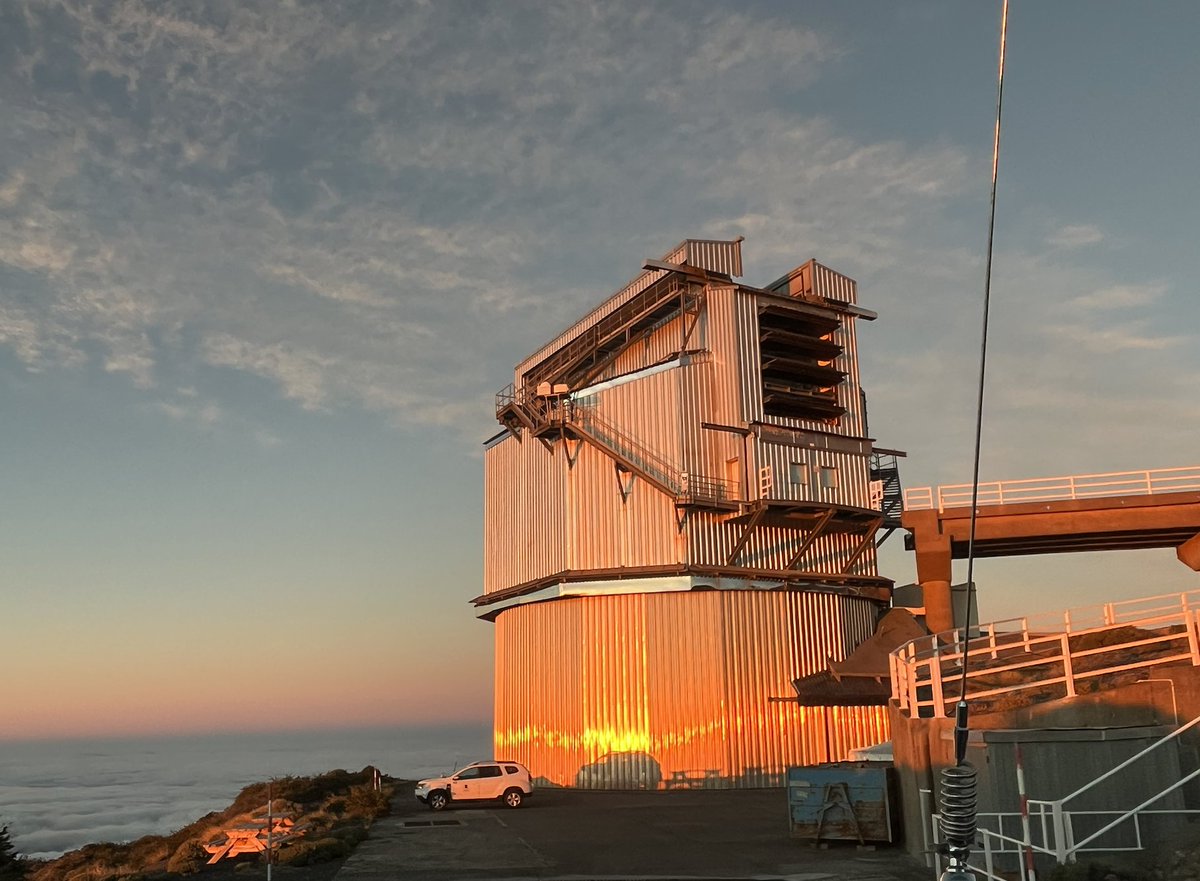
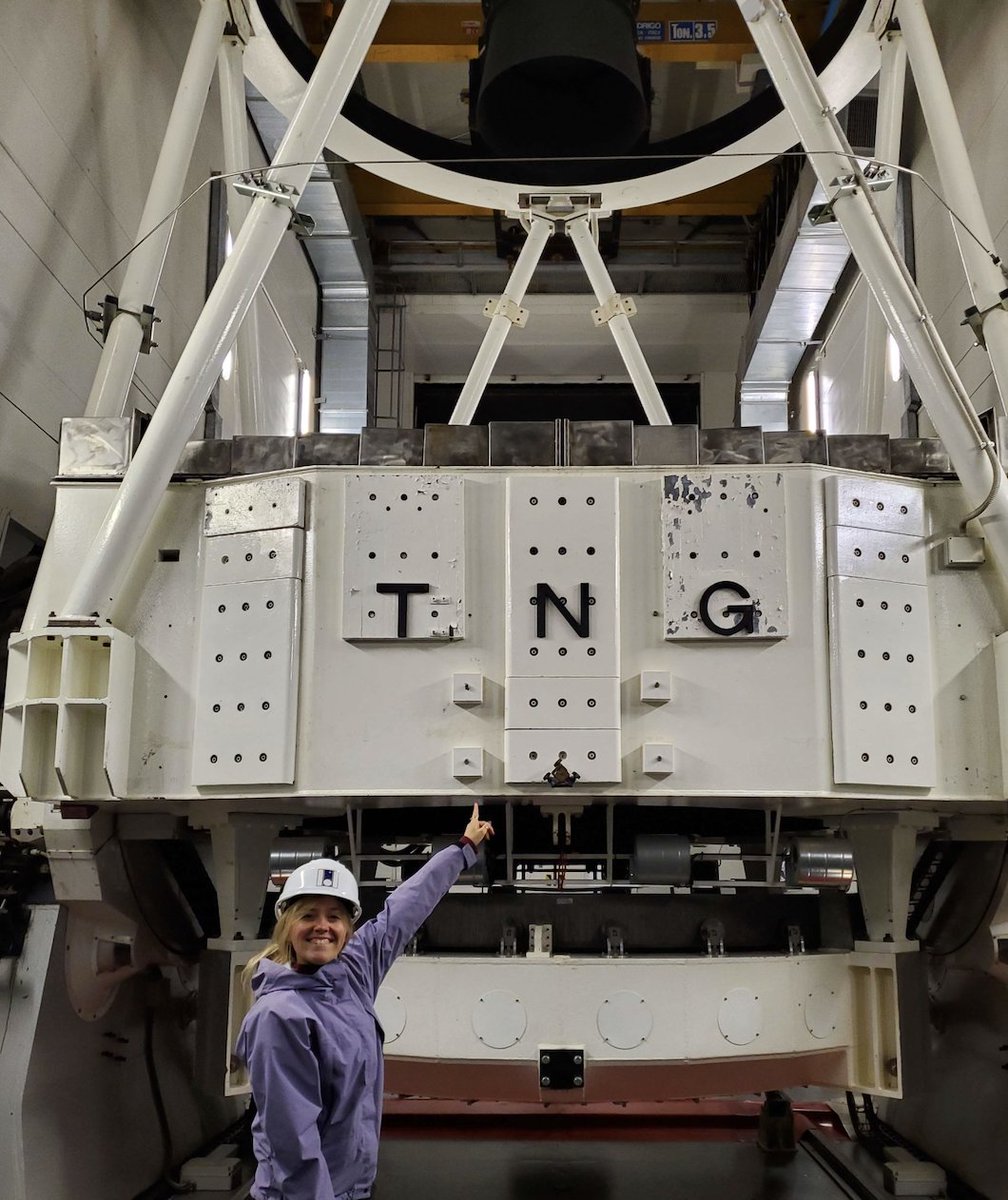
This week, @amvanderburg and I are actually observing dozens of stars to measure the masses of orbiting exoplanets at the TNG in La Palma, Spain! Some of these targets may be included in our analyses in the future…
We’re excited to share our new paper on CALM, a new stellar variability model! Our goal is to “calm” active stars and reveal hidden exoplanets and their masses using the radial velocity method, which detects the gravitational tug of a planet on its star. https://t.co/qWJ7GT2r8n
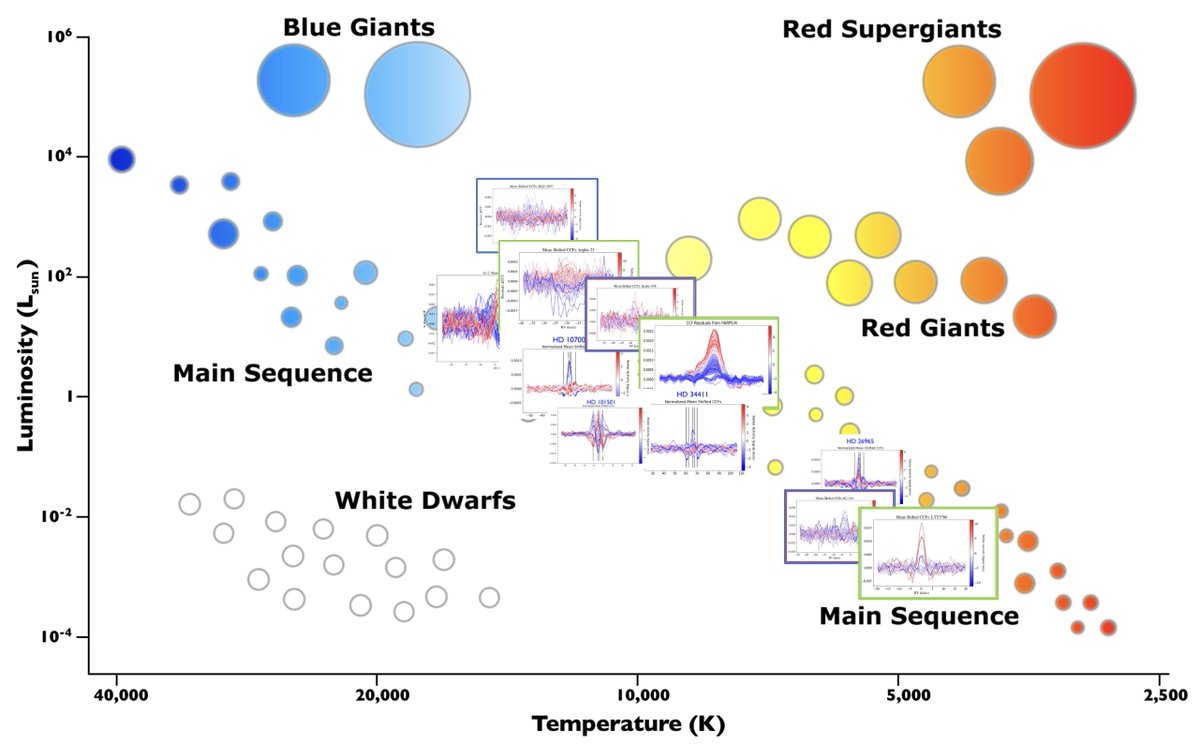
In addition to K2-167 b, we have applied our CALM pipeline to four other stars (Zhao, L.L. et al 2022). Next, we are excited to apply our pipeline to many more stars that span a variety of temperatures and luminosities!
Check out this great new paper from Gabrielle Ross, a freshman @PU_Astro undergrad who has been working with me and @Astro_Zozo on "killing planets" (identifying false positives) with her custom software called DEATHSTAR!
https://t.co/E5tWhJytvj
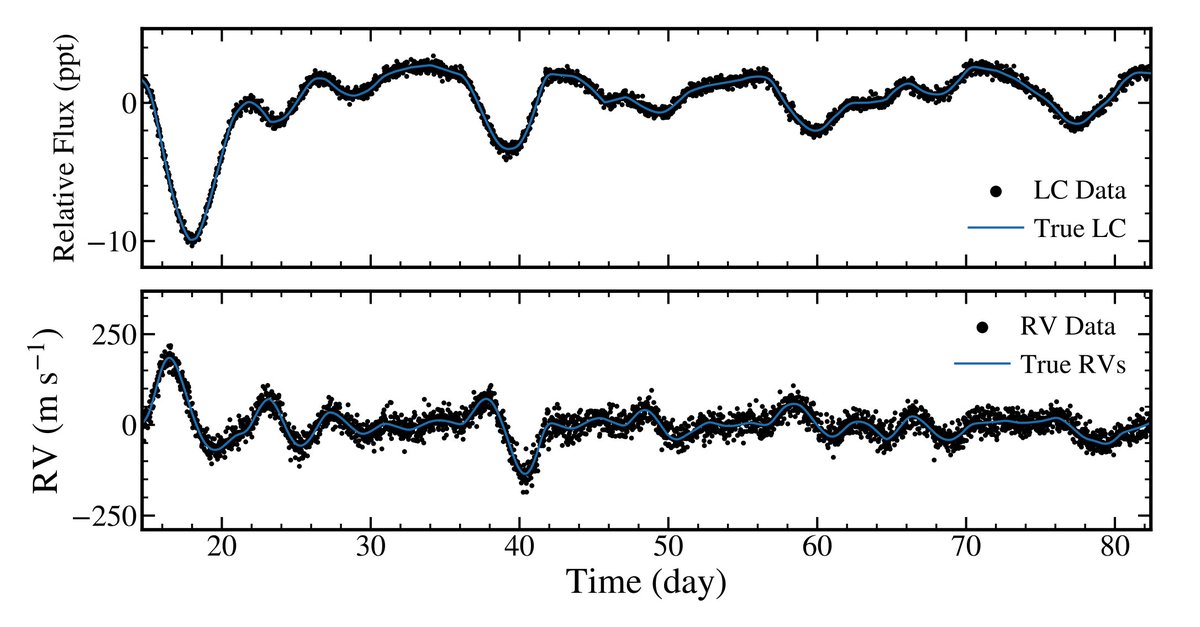
I would just pay to have such RV time series on real data. Interesting paper today on arxiv by Quang Tran, Mega Bedell, @rodluger and @exoplaneteer on RV and photometric time series:
https://t.co/fQHV4QgHxA
It's paper day! Very excited to share that our paper on using deep learning for removing stellar activity from RVs has been accepted to ApJ! Big thank you to @amvanderburg for all his help and an amazing new mug to celebrate my first first-author paper!! https://t.co/fMWM6PTodP
All three methods achieve high accuracy, and provide a probability distribution for each source to help quantify uncertainty. We hope that this work will lead to more exploration of ML methods for efficient and reliable XRB classification! 4/4 https://t.co/P7orS6Ykuj
Excited to share our newly accepted paper on using machine learning to classify X-ray binaries (XRBs)! We train 3 ML methods and find that they are highly accurate for most sources, paving the way towards more robust XRB classification. (Image:Chandra) https://t.co/P7orS6Ykuj 1/4
In our paper, we compare three ML methods (Bayesian Gaussian Processes, K-Nearest Neighbors, and Support Vector Machines). We train our methods to use spatial patterns in 3D Color-Color-Intensity diagrams so that new, previously unseen XRB sources can then be classified. 3/4