Husband, Father of Twins, Dog Lover, Old Timey Blues Guitar Player, Defender of Ruby on Rails and Javascript. Engineer Director at Doximity, opinions are my own
The errors that #ai, specifically codex, makes are so subtle now that it is hard for me to believe teams are producing software successfully at the scale and speed some claim to be moving.
MICROSOFT OPEN-SOURCED A GOVERNANCE LAYER FOR YOUR AI AGENTS
and it's exactly what agentic ai has been missing
here's what agent governance toolkit does:
▫️ intercepts every tool call in deterministic code before it hits the wire denied actions aren't unlikely, they're structurally impossible
▫️ yaml policy engine lets you allow, deny, or require human approval per action
▫️ zero-trust identity via spiffe/did/mtls no more 5 agents sharing one api key
▫️ 4-level execution sandbox with privilege rings so agents can't escape their scope
▫️ tamper-evident merkle audit logs for compliance and incident response
▫️ covers all 10/10 owasp agentic top 10 risks
▫️ works with langchain, crewai, autogen, openai agents sdk, semantic kernel, and more
one pip install...any framework...python, typescript, go, rust, .net all supported
because "please follow the rules" in a system prompt is not a guardrail...it's a suggestion
https://t.co/bwW7iVMNdE
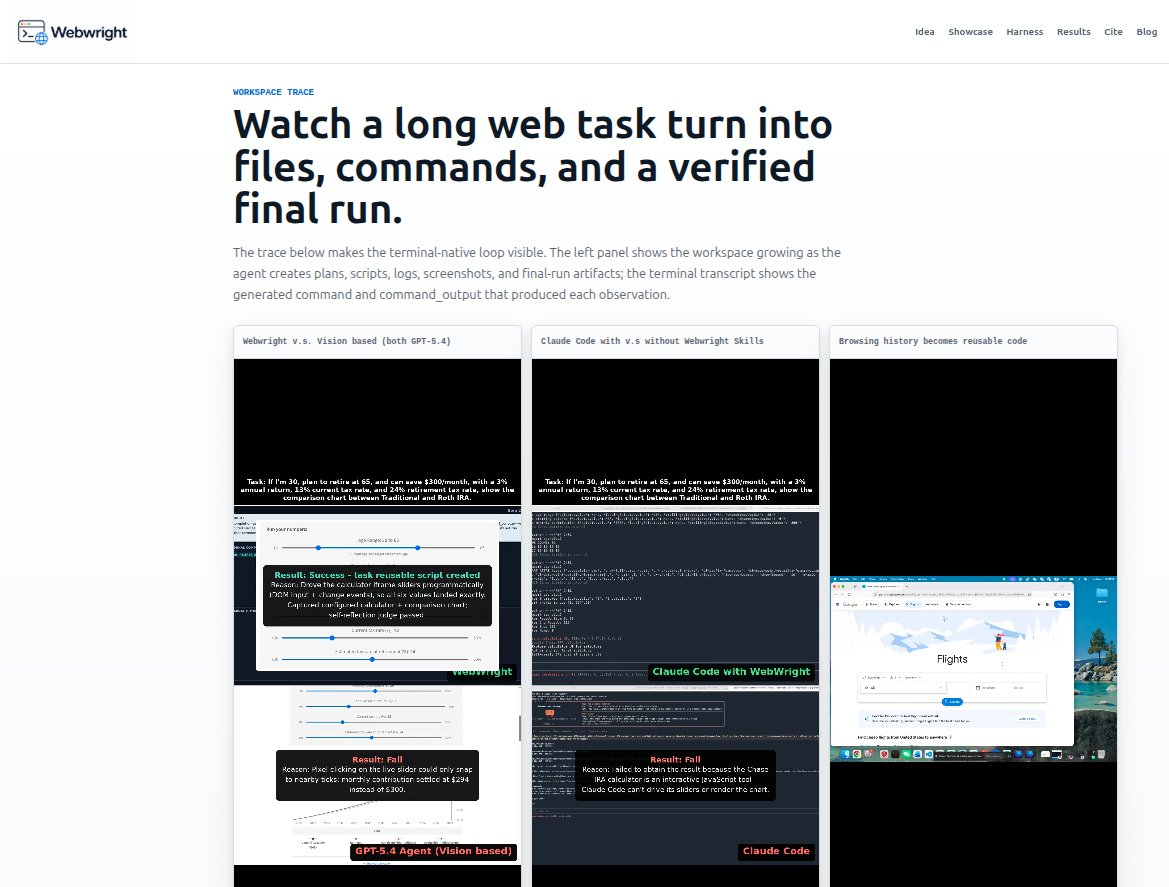
Microsoft dropping a massive Playwright update geared specifically for agents, Webwright!
This is an absolute game changer for agentic browser use as every session becomes a reusable workflow
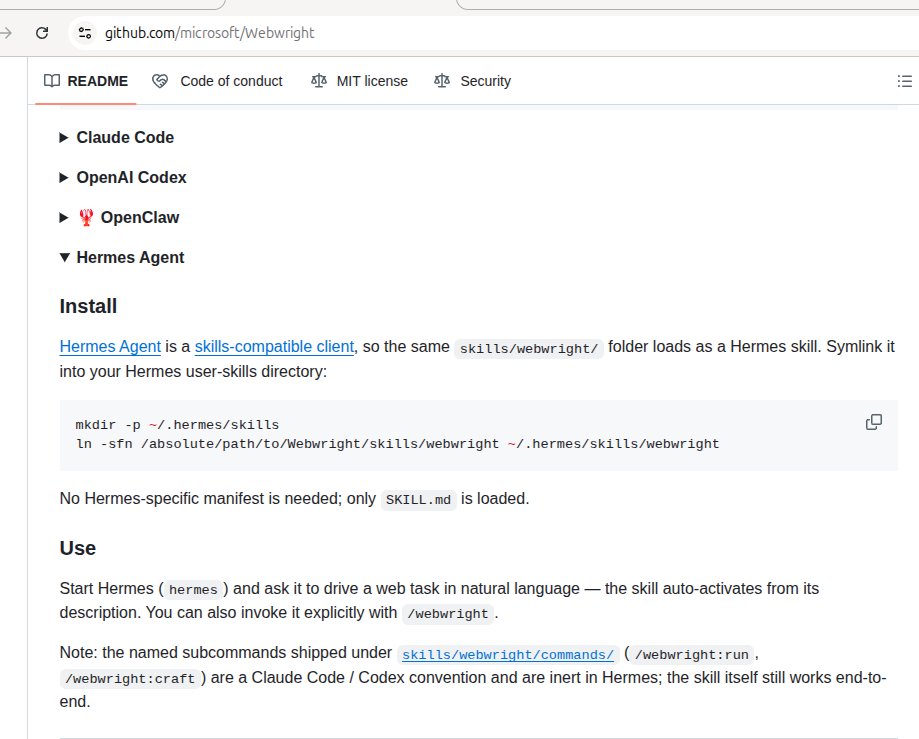
The repo includes a @NousResearch Hermes Agent skill 😍
https://t.co/mDmKCN9kV9
@DaytonEllwanger Fair. Tinkering is important but the scale is different than todo apps. GitHub commits are up 14x year over year.
Whole lot of building and the most consistent theme from bigger teams is they haven’t cracked how to make it worth the spend.
A core difference between #ai LLMs generating code and AWS hardware is that no one would just rent the biggest servers to host nothing, but with LLMs people will build infinitely because it gives a dopamine hit.
There is no natural safeguard to prevent building just to build.
@DaytonEllwanger Right now we need more discipline for people building. Building tied to actual results or impact
I think we are too early to tell ai infra is overbuilt. If the LLMs don’t meaningfully get better at reasoning then we are.
@DavidSacks The hard part with business has never been the generation of code. The "what should we build?" and "how do we make it all work together?" will always be the harder parts.
LLMs definitely autocomplete code super fast.
Karpathy on what people can do when intelligence becomes cheap.
“You can outsource your thinking but you can’t outsource your understanding”.
https://t.co/Enpr4nuX6n
The CEO of Take-Two, the company behind GTA, just said something the entire AI industry doesn't want to hear.
And he said it without being anti-AI.
Strauss Zelnick's argument is precise. AI is built on datasets. Datasets are backward-looking. Creativity is forward-looking. A model trained on everything that already exists cannot, by definition, produce something genuinely unexpected. And all hits, by their very nature, are unexpected.
Asset creation and hit creation are not the same thing. AI is getting very good at the first one. The second one is what actually makes money, builds franchises, and changes culture. Nobody has shown AI can do that yet.
The derivative property problem is real. You can clone GTA with existing technology. You could do it before AI. It would take 3 years and look identical. It still wouldn't sell. Because it isn't GTA. It's a clone of GTA.
And consumers, despite what the industry occasionally pretends, can feel the difference between something genuinely new and something assembled from the residue of things that already worked.
Thousands of mobile games ship every year. 0 to 5 hits get made. The same studios make them every time. The technology to make more games has been commoditized for years. It didn't democratize hit creation. It just flooded the market with more forgettable product.
The Silicon Valley thesis that AI unlocks game creation for everyone is true in the same way that cheap cameras unlocked filmmaking for everyone. They did. And the same 5 studios still make the movies everyone watches.
What Zelnick is saying, without quite saying it, is that the thing AI cannot replicate is taste. The instinct for what hasn't been done yet. The cultural antenna that detects the gap in the market before the data can see it.
Data tells you what people wanted. Hits tell people what they want next.
Those are different jobs.
AI companies really need to come up with a better pitch to the public than “You’re all gonna lose your jobs and end up paying way more for electricity”.
@rohanpaul_ai Well, he is talking his book. That is what a CEO should do.
I think we will see fungible ai providers long before we see essentially free apps that are not toys.
Transactional tech vendors like would be so much easier to manage if they all offered a Kafka like batch log with a cursor you could request from instead of webhooks.
You would have more control.
They would have less to manage.
One of the biggest problems with using LLMs as a google replacement for programming, is that getting zero relevant results on google used to be a signal that you had the wrong idea about the root cause. Whereas LLMs will happily indulge any terrible idea you suggest.