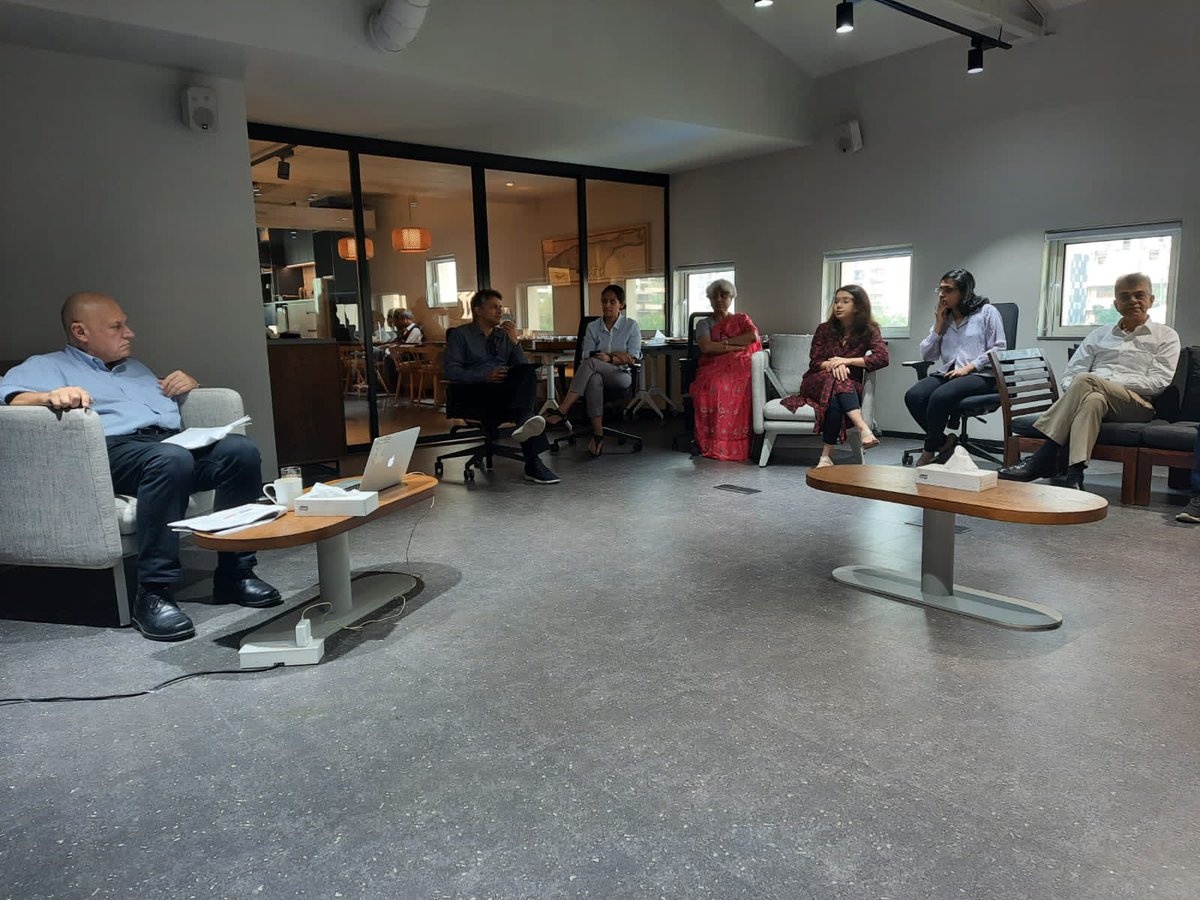
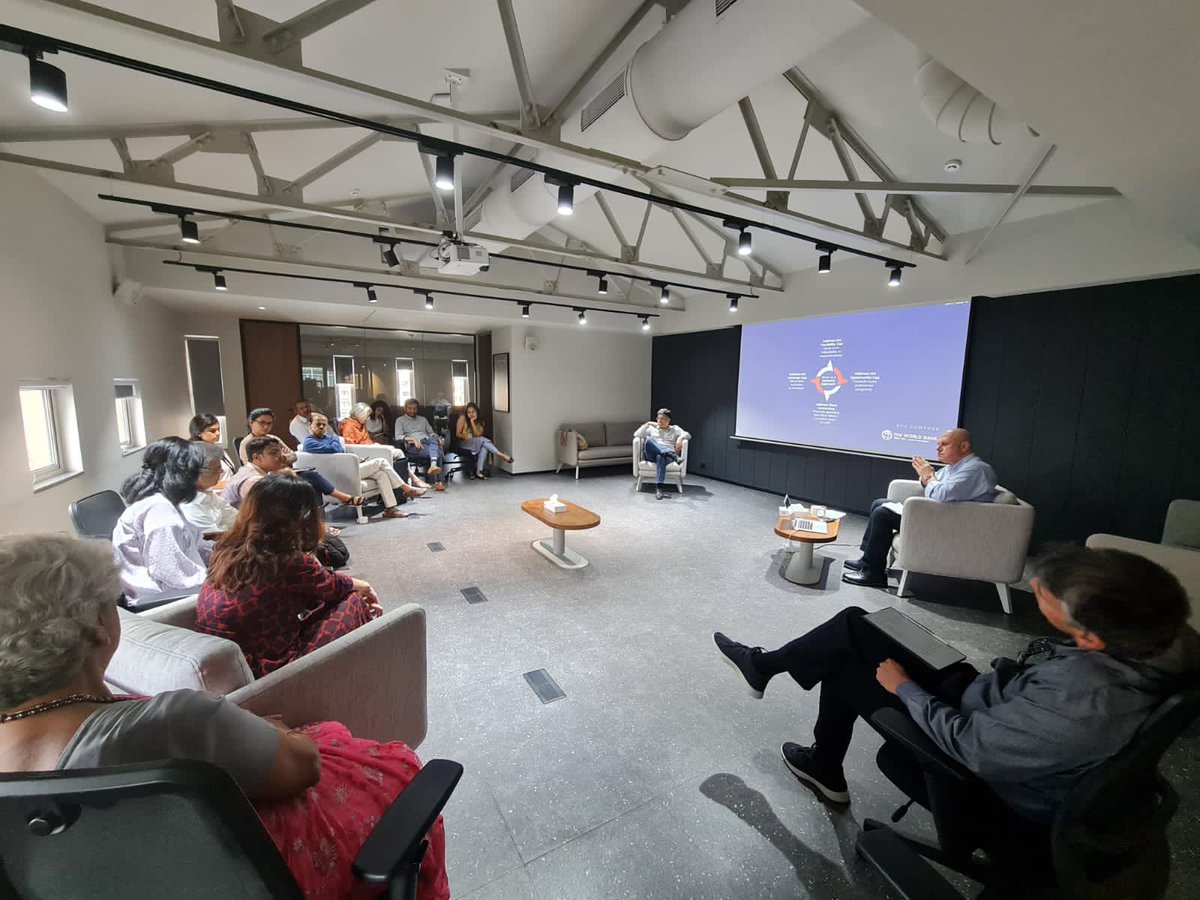
@AvantiDurani, Assistant Director & Junior Fellow, , @theviksinha, & Sam Downes, former Junior Fellows at @artha__global, reflect on the conversations held during the Future of Institutions Dialogues Project in collaboration with @RockefellerFdn . https://t.co/eOeOtfiicD
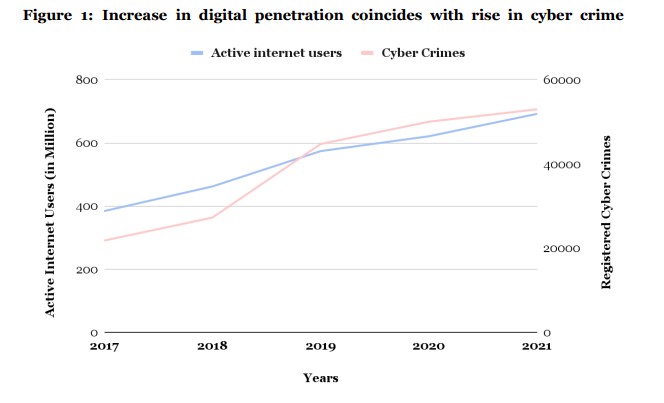
With 17.5mn users in India (2021) Twitter received 536 grievances on abuse/harassment (Transparency Report, 25 May-25 June 2022). Incongruous data raises questions on intermediary response to tech-facilitated gender-based violence (TF-GBV).
Read more here: https://t.co/cJg9TiQXKL
Official data (Crime in India, 2021) shows that 66% of closed cases of cyber crimes against women were due to insufficient/untraceable evidence. Police face several challenges in tackling tech-facilitated gender-based violence (TF-GBV).
Read the paper here https://t.co/cJg9TiQXKL
A response strategy to tech-facilitated gender-based violence (TF-GBV) begins with the question: How many women are not having safe experiences online? To estimate this, authors surveyed 2,000+ adult women in two states in India. Read the full paper here: https://t.co/cJg9TiQpVd
NCRB data (Crime in India, 2021) classifies 65% of cyber crimes against women as ‘others’. Institutional response needs a shared understanding & language of the nature of such crimes.
Read the full paper here: https://t.co/cJg9TiQXKL
🚨In a new paper, authors @TveshaSippy, @watzernehm, @AvantiDurani, and Shivaun Chandiramani present a case study of India’s public & private institutional response mechanisms to tech-facilitated gender-based violence (TF-GBV):
https://t.co/kxGEAiM2dK
#BookRecommendations | As 2022 wraps up, gather around for 12 of the most insightful and thought-provoking books on technology, policy, geopolitics and history that the Artha team read this year:
Indian private security industry grew at 20% in recent years, pointing to the privatisation of a core state function. In the long term, lack of public provision of security impedes access to justice.
Our new paper unpacks rule of law delivery in India:
https://t.co/7I4W211fj2
#Thread 👇 | Do we know enough about India's cities to make data-driven policies or drive effective urban governance? The quick answer is no.
In a new paper, @hvpachisia, Anushka Bhansali & @Rajesvari7 examine the landscape of #UrbanOpenData in India:
https://t.co/HTDkj5Hq3l
We hosted economist Rajeswari Sengupta of @Igidr_Mumbai for a #brownbag on the Covid-19 economic shock, its long-term impact, and the state of the Indian economy pre-pandemic.
#econtwitter#macropolicy
A well-functioning policing system is imperative in upholding the rule of the law. In a new paper, authors @TveshaSippy@priya_vedavalli@AvantiDurani@_NehaSinha, highlight how problems within the system create inequities in access to justice:
https://t.co/7I4W211fj2
@_NehaSinha and @AvantiDurani authored a chapter on “Safety Trends and Reporting of Crime (SATARC): A Crime Victimisation Survey” in the recent book, Crime Victimisation in India, published by @SpringerCrim at @SpringerNature.
https://t.co/RmpivFemwx
Assistant Director and Junior Fellow @AvantiDurani was invited as a panellist for the report launch of @jlubhopal’s Citizen/Safety Perception Survey of Bhopal (a joint study with @CP_Bhopal)
https://t.co/hDleTerKKq
We hosted @mich_rutk of @WBG_SPLabor@WBG_Jobs for a conversation with @CafeEconomics on labour markets and economic recovery in India, the impact of Covid-19 on employment and migrants, and the kind of social protection systems needed to address these issues.
The best discussions happen over ☕
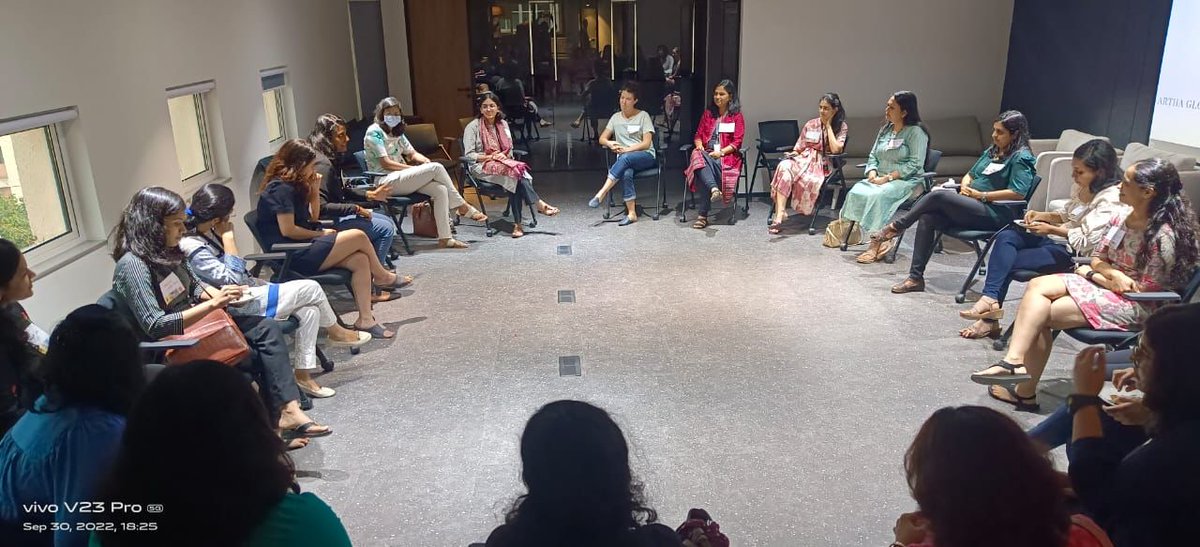
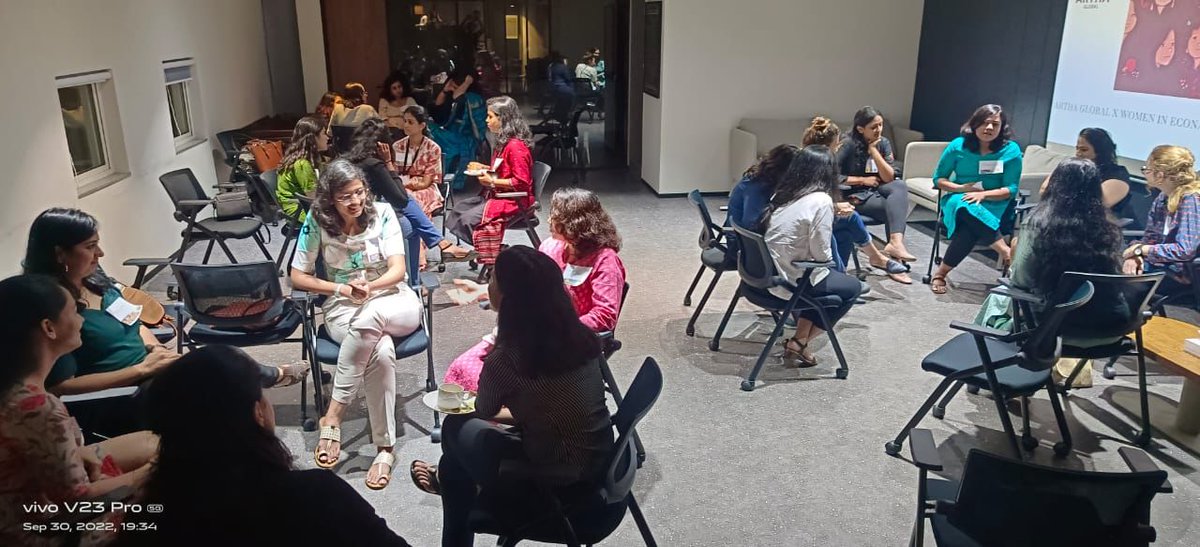
Women in Econ/Policy @weconpol and @Artha__Global co-hosted a #ChaiMixer for women working in the economics and policy space at our Mumbai office. It was a fun evening, where participants got to meet and interact over games and snacks.
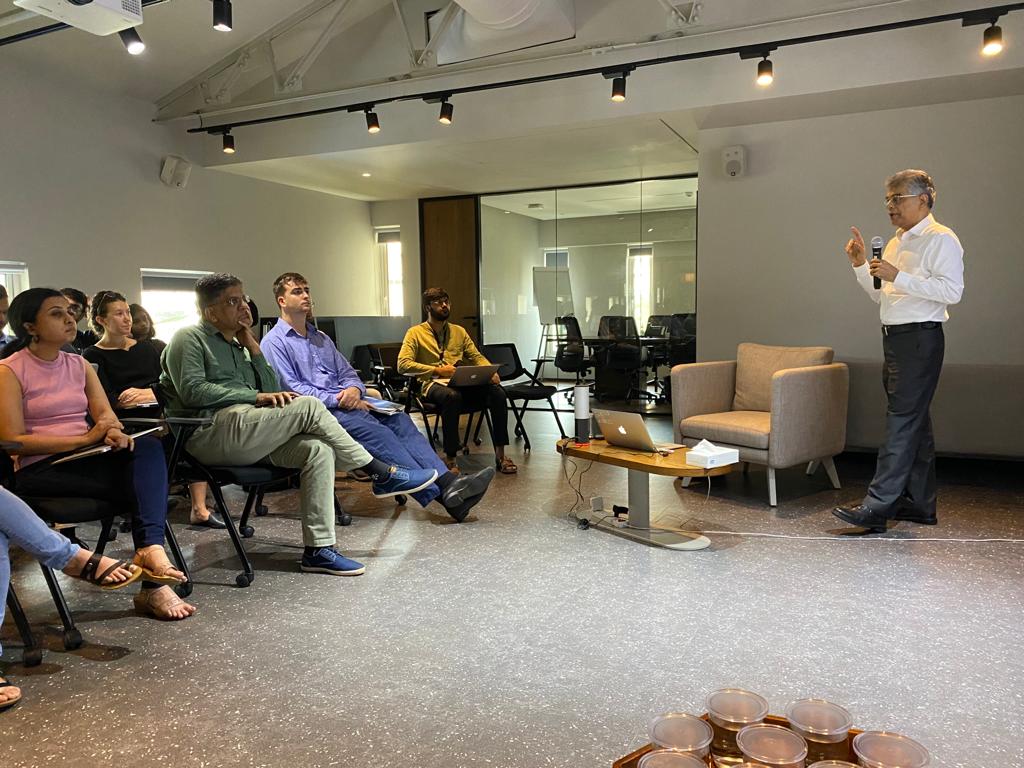
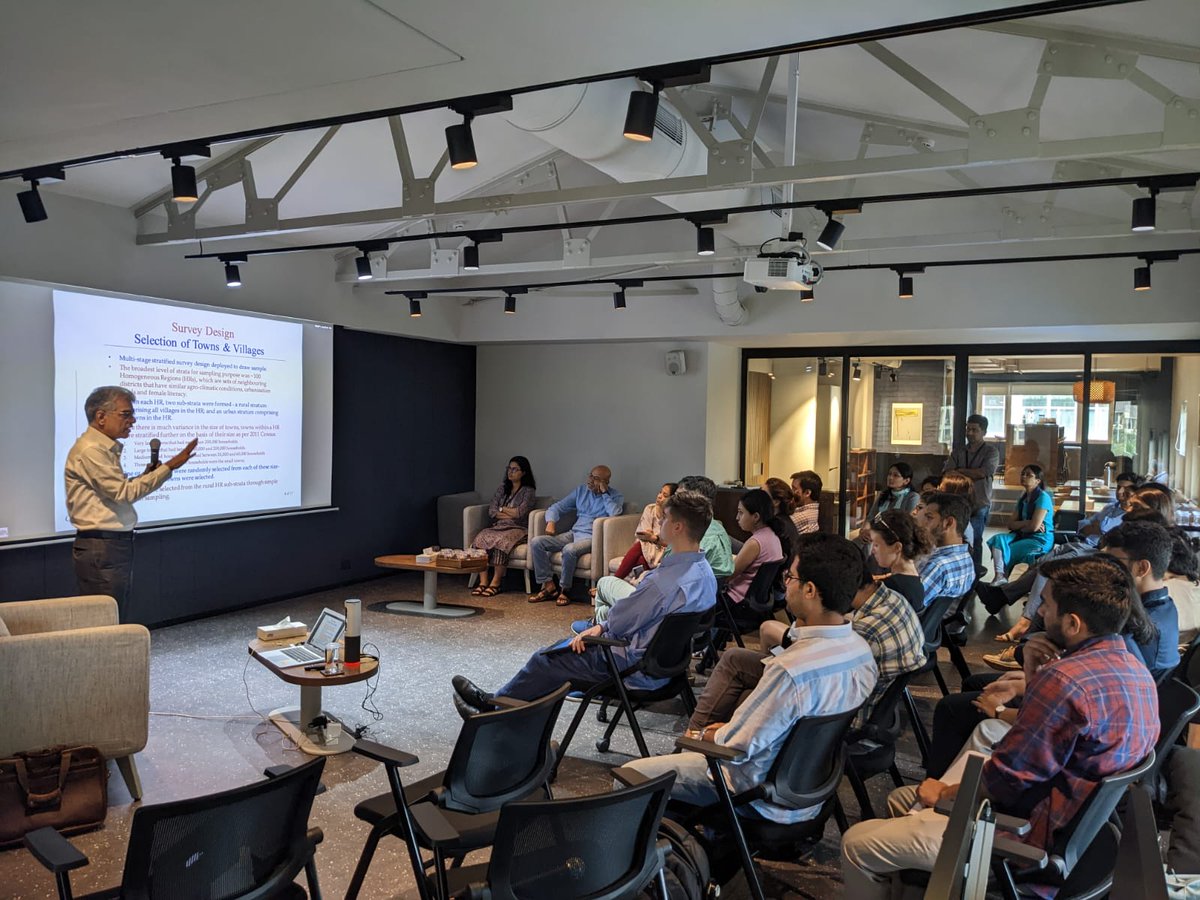
Excellent #ArthaGlobalConversation with Mahesh Vyas, MD and CEO, @_CMIE, on longitudinal surveys yesterday. He spoke about the principles of good survey design, the methodology behind #CPHS, India’s largest household survey, and its applications, and how to communicate findings.