Mortality in cardiogenic shock may exceed 50%. In this meta-analysis of 160 studies, Jung et al. identified several modifiable and non-modifiable patient-, presentation-, and procedural-related prognostic factors associated with early mortality. 🔗 https://t.co/lFvNBnA1cq
***BREAKING NEWS***
WNBA in The Six is official. Larry Tannenbaum's Kilmer Sports Inc has finalized the deal. What a time for women's sports in Canada!
https://t.co/g5VoesPyy1
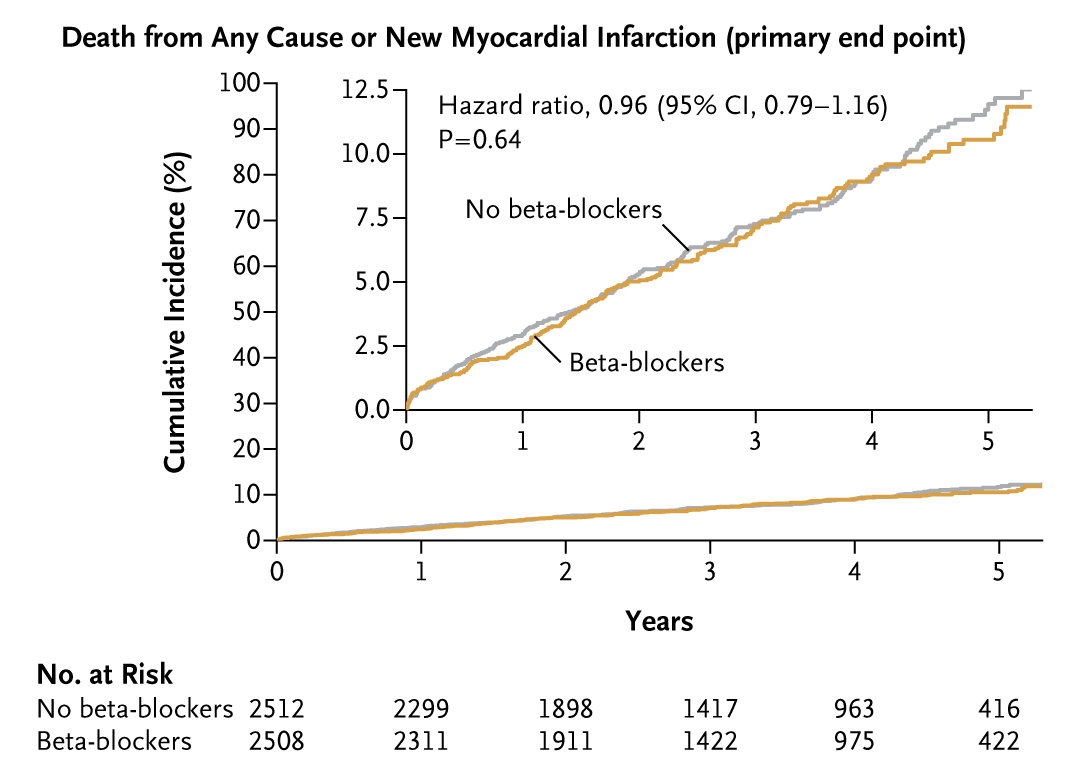
Presented at #ACC24:
Hospitalized patients with acute myocardial infarction & preserved EF were assigned to receive open-label long-term beta-blocker therapy or not. Beta-blockers did not lead to a lower risk of death or MI. Full REDUCE-AMI trial results: https://t.co/z1NNeAK9Mm
After 10 years to complete it, the DanGer-SHOCK trial showed that the routine use of a microaxial flow pump with standard care in the treatment of patients with STEMI-related cardiogenic shock led to a lower risk of death from any cause at 180 days than standard care alone.
The incidence of a composite of adverse events and a range of adverse outcomes (bleeding, limb ischemia, renal replacement therapy, sepsis) was significantly higher with the use of the microaxial flow pump.
These results of Impella CP are in contrast with those of of IABP in the IABP-SHOCK II trial and venoarterial ECMO in the ECLS-SHOCK trial. Is this because of the device, or because of better patient selection than in prior trials? #ACC24
https://t.co/1VnRl3bdYu
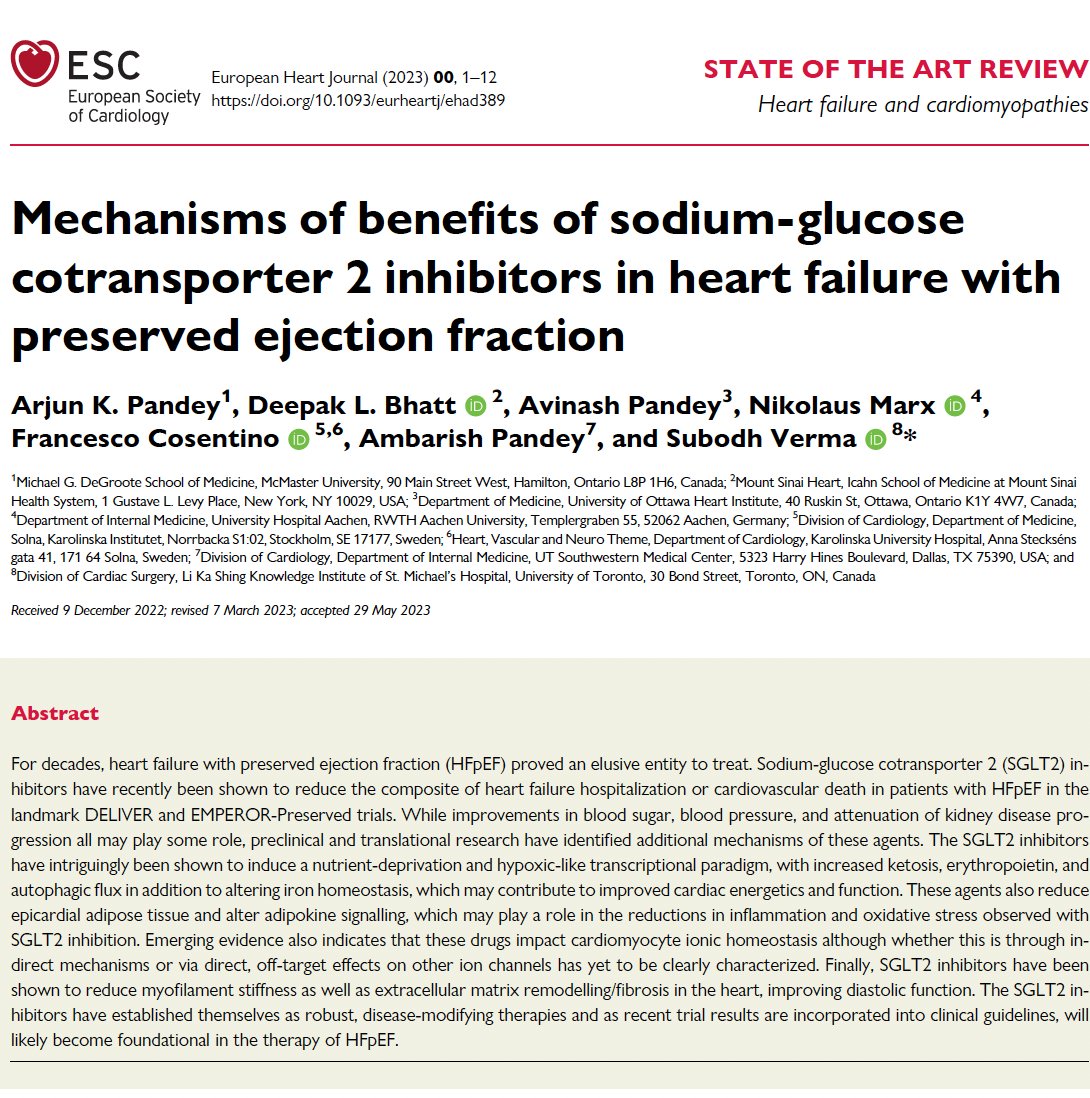
Mechanisms of benefits of sodium-glucose cotransporter 2 inhibitors in heart failure with preserved ejection fraction
@ESC_Journals@escardio
https://t.co/6iOlb0eqSF
STRATUS Trial published @JAMA_current
🩸Cluster trial 25 ICUs >27,000 patients
🩸Switch to “small-volume” tubes that⬇️blood drawn for lab tests may⬇️RBC transfusion↔️effect on testing
🩸Available, cost-neutral, compatible with analyzers – will you switch?
https://t.co/sTkJVyfrgS
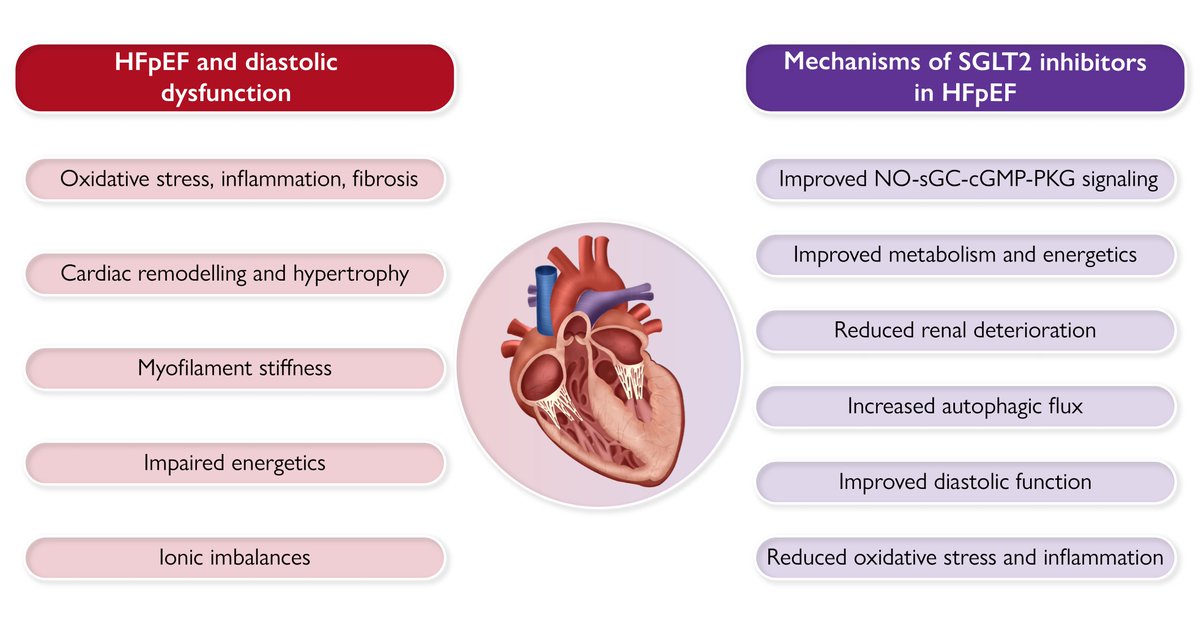
✔️ SGLT2 inhibitors have been shown to ↘️ myofilament stiffness & extracellular matrix remodeling/fibrosis in the heart, improving diastolic function.
Read more 🔑 points from a state-of-the-art review on SGLT2 inhibitors in patients w/ #HFpEF: https://t.co/ClP6aAgply #cvPrev
The sodium-glucose cotransporter2 inhibitors are robust, disease-modifying therapies in heart failure with preserved ejection fraction. Discover the mechanisms of benefits of #SGLT2 in #HF with preserved EF in #EHJ
https://t.co/WnCblvPH9X
#cardiotwitter@ESC_Journals@escardio
Mechanisms of benefits of #SGLT2i in #HFpEF and the Multifaceted Benefits of SGLT2i
📌Regulation of blood sugar, blood pressure, and kidney disease progression.
📌Induction of nutrient-deprivation responses leading to increased ketosis and erythropoietin.
📌Improvement in cardiac energetics, function, and iron balance.
📌Reduction of epicardial fat and alteration in adipokine signaling to decrease inflammation.
📌Impact on heart cell ionic balance and reduction of heart tissue stiffness and fibrosis.
@ESC_Journals@DLBHATTMD@SubodhVermaMD
Honored to see our review published in European Heart Journal! In this paper we describe mechanisms of SGLT2i benefit in HFpEF. These medications appear to contribute to improved cardiac energetics.
https://t.co/VFh7uvYbC2
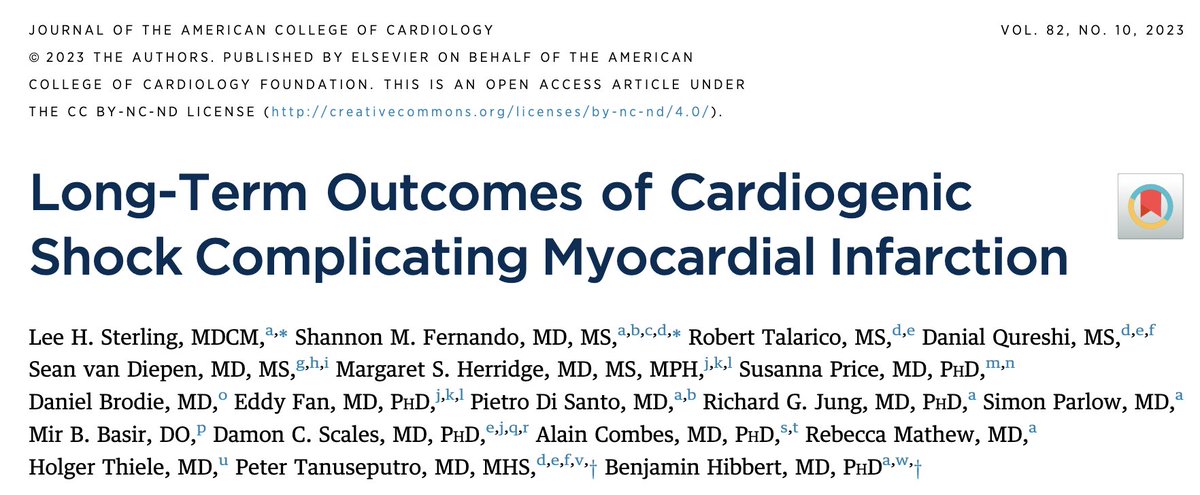
🧵Cardiogenic shock after acute MI (AMI-CS) has high in-hospital mortality. But what about long-term outcomes? This matters as much to patients.
Our new @JACCJournals paper (co-led by @Lee_HSterling) looked at long-term outcomes in AMI-CS.
OPEN ACCESS: https://t.co/D1HDT6P4nI
Thrilled to share our paper on a novel app for stratification and optimization of patients with ASCVD - "STOP-CVD". Our app provides personalized recommendations for secondary prevention therapies based on patient risk factors and summarizes the evidence.
https://t.co/wRVLCV8clh