Why do pathogenic variants in the same gene lead to different neurodevelopmental outcomes?
Check out the new Shifman / Meshorer labs collaborative review in TiG @TrendsGenetics , lead by our amazing joint student, Elad Dvir👇👇👇
https://t.co/4pDuglXCoP
Elegant study on that fit the unconventional secretion mode of TMEM16F: Lipid scrambling via TMEM16F mediates the formation and release of extracellular vesicles | Molecular Biology of the Cell https://t.co/jwviyC5dxc
Mitochondrial dynamics in neurodevelopment and neurodevelopmental disorders — a Review by Carissa L. Sirois, Jiyoun Lee, Audrey L. Chambers & Xinyu Zhao
https://t.co/hJBDJJBbUG
So excited to share our work on Glucosylceramide-induced ectosomes propagate pathogenic alpha-synuclein in Parkinson’s disease, now out @ Nature Cell Biology!
@NaturePortfolio
https://t.co/qxy1dOAOtc
Check our new work @NatRevMCB . It was fun working with Gali Prag on this piece. Stay tuned for more research on this exciting topic from our lab. Thanks 🙏 to referee and editor for the feedback @of_sagol@TelAvivUni
PROTAC-Mediated Degradation of mHTT Aggregates Attenuates Neurotoxicity in Cellular and R6/2 Mouse Models of Huntington’s Disease | Journal of the American Chemical Society https://t.co/MRNM6PXRz4
Our article commentary is out in @NatRevMCB. 🎉 Together with Gali Prag, we discuss the emerging functions of the #ubiquitin enzyme UBA6 in health and disease. @of_sagol@taumed
https://t.co/uINKrk8DxW
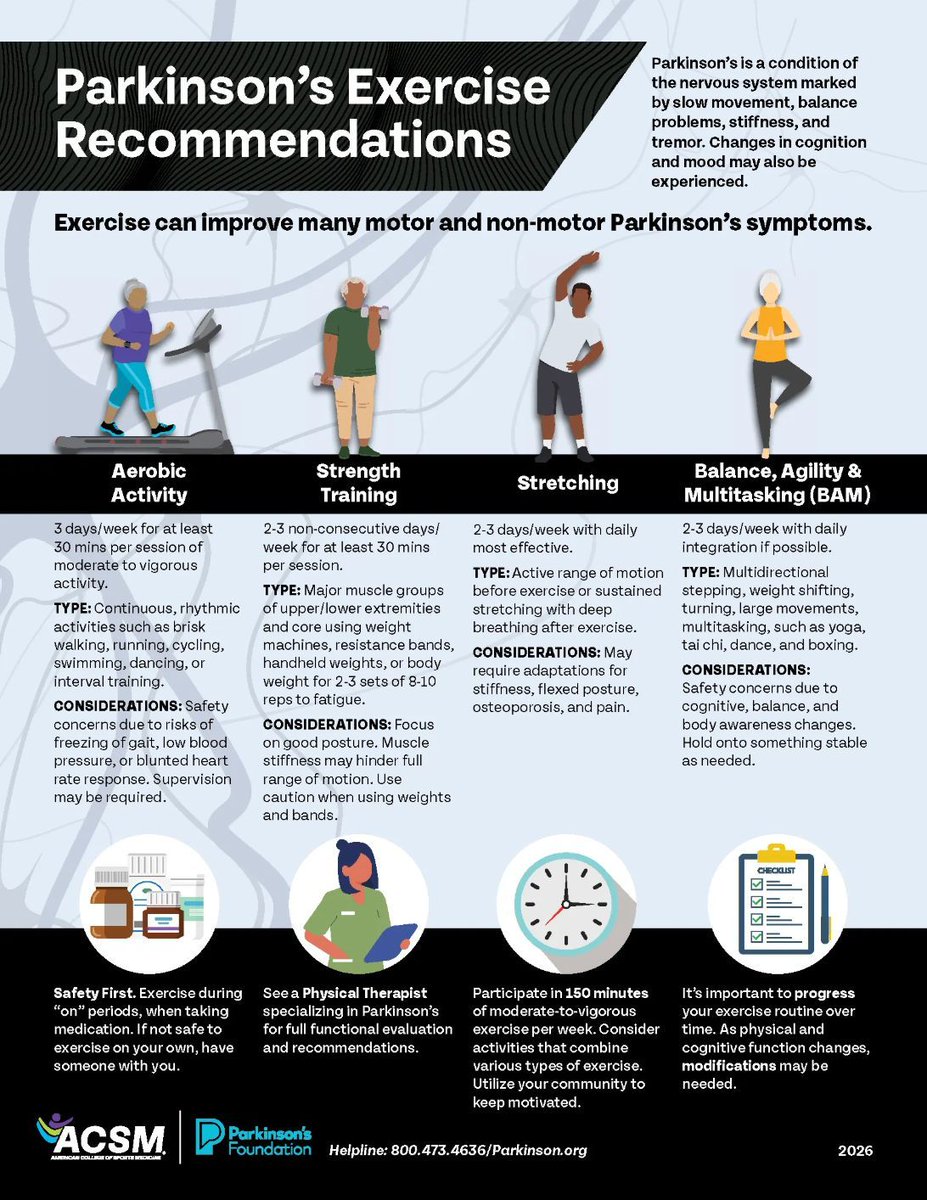
We are excited to announce that the Parkinson’s Foundation and @ACSMNews, the world’s largest sports medicine and exercise science organization, have announced updated recommendations to provide safe and effective guidance on exercise for people with Parkinson’s disease.
The updated exercise recommendations were published following extensive review from subject matter experts, as well as members of the PD community who actively use the recommendations. Read more: https://t.co/pIJ1XHtsun
New from our lab: FidlTrack—structure-aware single-particle tracking benchmarks/boost SPT fidelity
It resolves in organelles e.g. BACE1 amyloidogenic APP cleavage #Alzheimers, ER exit, map nanobody binding in realtime in ER/organelles 🔬🧠#SingleMolecule
https://t.co/7hhAu5Z0qV
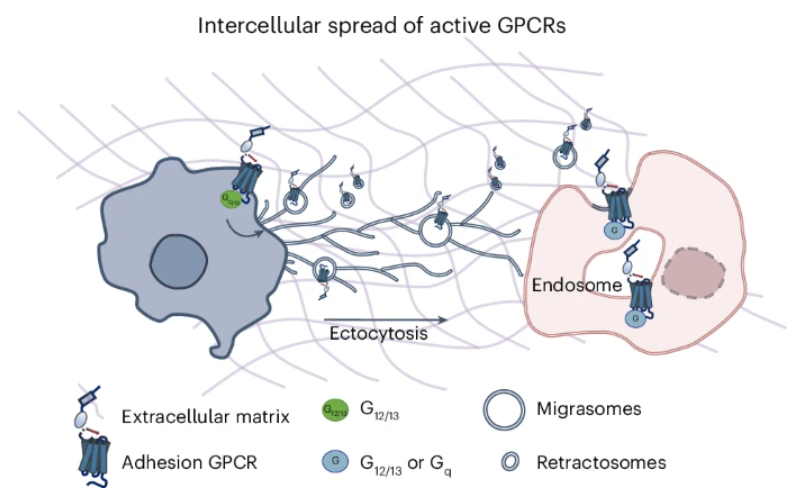
A new paper reveals that adhesion GPCRs promote extracellular vesicle (EV) formation and EVs spread GPCRs into neighboring cells to activate G-protein signaling, providing a novel mechanism for cell-cell communication
https://t.co/QH1kcNDrIM
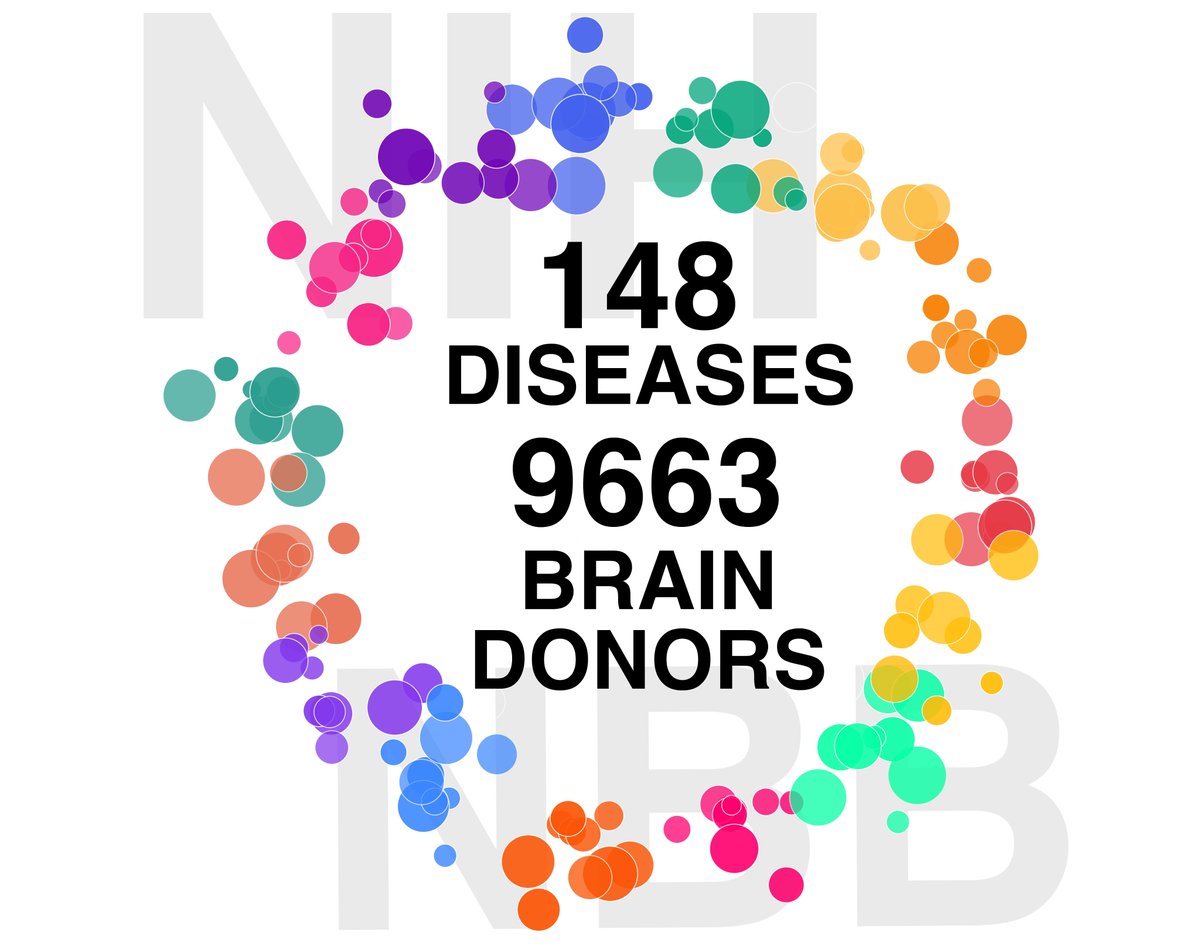
Hupalo et al. present whole-genome sequences from >9000 human brain donors paired with neurological and psychiatric disease diagnoses. Created with multiple brain banks, the resource is now publicly available to aid research. https://t.co/sC7q5yI7SU