fun fact: tijdens de keynote hakt Apple een stukje 3k, 4k, 5k en 6kHz eruit wanneer ze "Siri" zeggen, zodat niet iedereens HomePods terug beginnen te praten 🗣️🚫
RAM exists as a 1-dimensional space. For programming…that’s kind of irritating.
All the important math happens in 2D arrays.
It’s simple(ish) to compress a higher level space into a single dimension (most languages today are row-major), but there’s a funny quirk.
At the *physical* DRAM layer, the actual bits *are* stored in a 2D array, rows and columns. (…well, when you add up all the layers, it’s more like a hierarchy of 2D arrays, but you get my point).
If this information was directly exposed to you…gosh there are all sorts of neat tricks you can get away with!
Unfortunately, keeping memory addresses in a 1-D space makes things much simpler from the OS perspective for memory management, not to mention code portability. There are nasty security problems too...certainly some valid reasons for keeping physical structure hidden.
Yet, think of how much of performance engineering / memory locality work could be shortcutted if it were trivial to understand the exact physical layout of how your arrays were stored!
i hooked my whoop to my work calendar to find which coworker gives me the most stress 🚨
thanks to fable, I reverse engineered whoop to pull per minute heart rate. nd matched spikes with cal events and attendees
I now have a leaderboard and I think about it daily.
few info masked for obvious reasons ;)
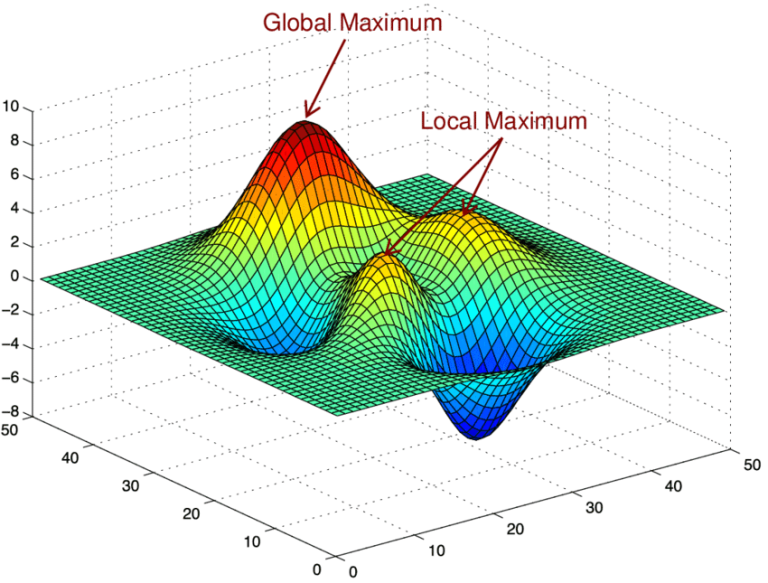
How many technologies are stuck in a local optima?
Big loudspeakers basically peaked in the 1970s.
Obviously we’ve gotten somewhat better, but it’s a lot closer to: “a couple % more accurate” than “the average person immediately notices the +50-year technological progress”
Miniaturization has improved a lot, so has digital signal processing, amplification. But take a high end setup from 50 years ago, sit in the sweet spot at the same volume…it won’t feel radically different.
I’m trying to think of other fields where the underlying principles were so mature that half a century of progress in materials/software/electronics is underwhelming.
Camera Lenses seem like a good candidate. Non-electronic instruments is another; it’s not like cellos have gotten that much better in the last ~300 years.
There’s a famous Usenet story about a programmer (Mel) who refused higher level abstractions.
It was the late 1950s, and even in that era, Mel was…well today we’d call him a boomer.
Mel only wrote in raw hexadecimal. He didn’t approve of compilers, and refused to use optimizing assemblers.
"You never know where it's going to put things”, he said.
Everyone else in the company was moving on to FORTRAN, and they didn’t understand why Mel was so stubborn about using new tools. He *loved* self-modifying code.
“If a program can’t rewrite its own code”, he asked, “what good is it?”
Mel eventually left the company, and other engineers were tasked with understanding what was left.
Mel’s hand-optimized routines always beat the assemblers; but some of it looked absolutely bizarre.
One engineer took ~2 weeks to understand why there were loops with no exit condition…yet the program worked fine.
I won’t spoil all the details, you should really read it, it’s short. But it’s a fantastic piece on “what defines a real programmer?”…which is becoming increasingly relevant in this vibe-coded era.
I strive to understand computers as deeply as Mel! If we aren’t careful, we’re going to lose the “Mels” of this world to time.
That’s part of why I go so deep in my youtube videos. I hope that younger viewers are genuinely fascinated by the inner workings of our machines, instead of handing everything off to higher abstractions.
Modern DRAM is based on a brilliant design from IBM.
But, we're still paying for a latency penalty that's existed since the 60s!
In this video, I'm introducing my research project (Tailslayer) that immensely reduces p99.99 latency on traditional RAM!
By implementing a hedged read strategy taking advantage of (undocumented!) channel scrambling offsets, I've gotten as much as 15x reductions in tail latency.
The technique works across Intel, AMD, Graviton, DDR4, DDR5, x86, ARM, you name it.
Check out the C++ lib I wrote, watch the video, and try it yourself!
Today, we're introducing Spectre I, the first smart device to stop unwanted audio recordings.
We live in a world of always-on listening devices.
Smart devices and AI dominate our world in business and private conversations.
With Deveillance, you will @be_inaudible.
i built an entire x86 CPU emulator in CSS (no javascript)
you can write programs in C, compile them to x86 machine code with GCC, and run them inside CSS
> be nerds
> look into persona (used by discord)
> kyc (know your customer) service
> used for age verification
> search on internet (shodan)
> find weird server
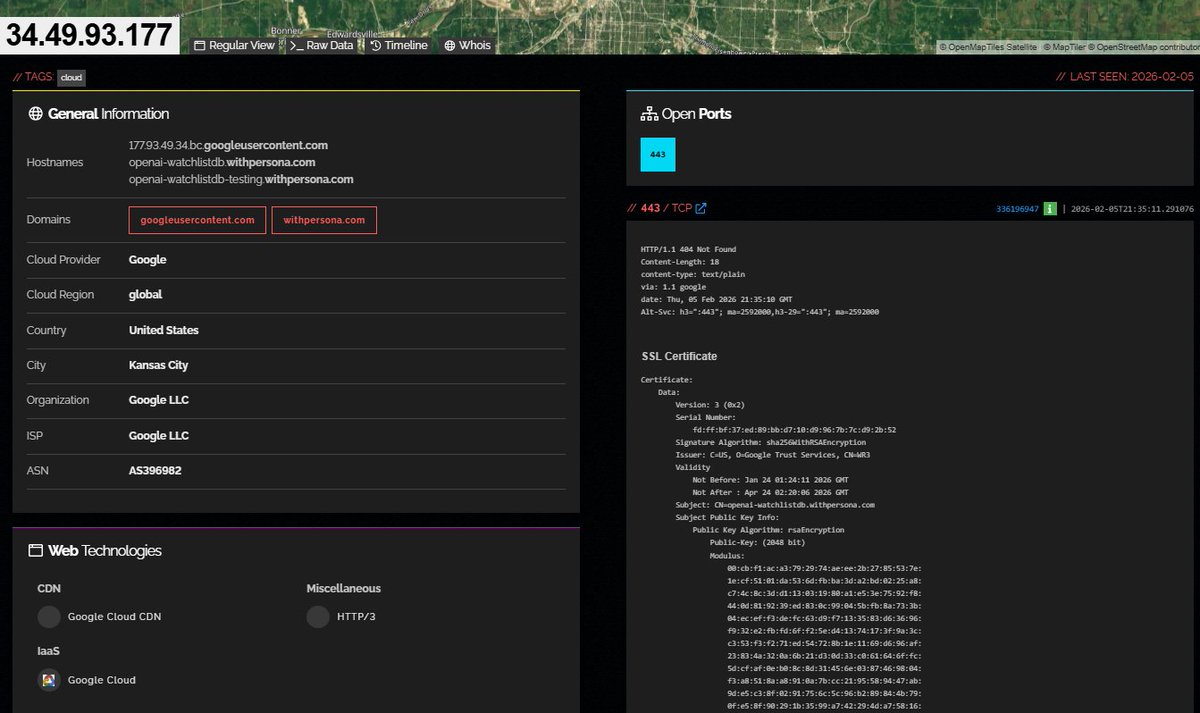
> image 1
> openai-watchlistdb.withpersona
> openai-watchlistdb-testing.withpersona
> lolwtf
> look inside
> supposed to be behind cloudflare to hide ip
> openai messed up
> not behind cloudflare
> real ip shown
> using google cloud
> lookup cert history
> 2023-11-16 created
> 2024-02-28 gets cert
> 2024-03-04 prod goes live
> google stuff
> openai and persona partners
> partner around timeline of certs
> back to searching stuff
> find withpersona-gov
> look inside
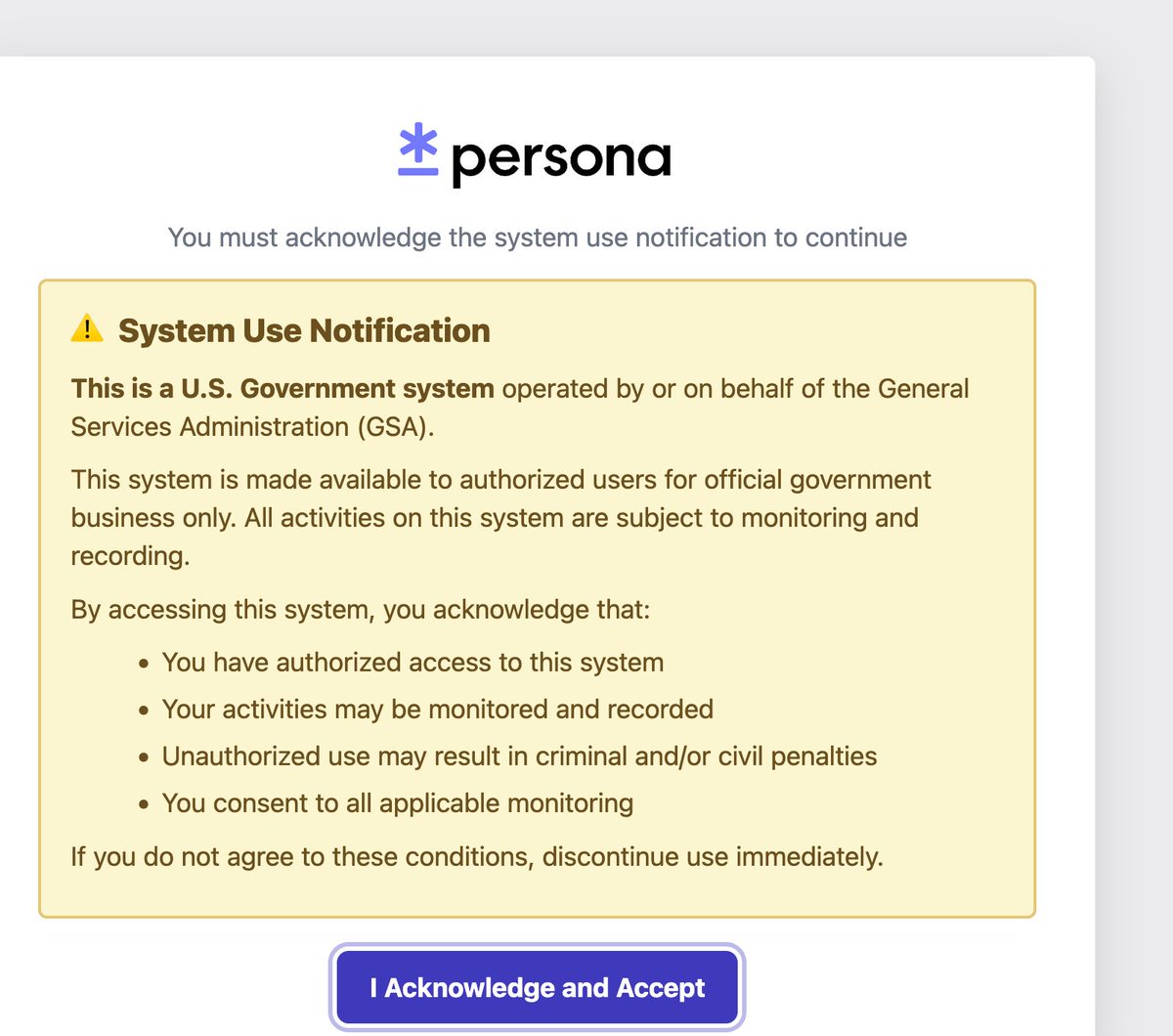
> okta (image 2)
> lolwtf
> look inside
> website accidentally leaking stuff
> fedramp-private-backend-api
> look inside
> api .js accidentally exposed
> look inside
> wtf "SARInstructionsCard"
> wtf "app.onyx.withpersona-gov"
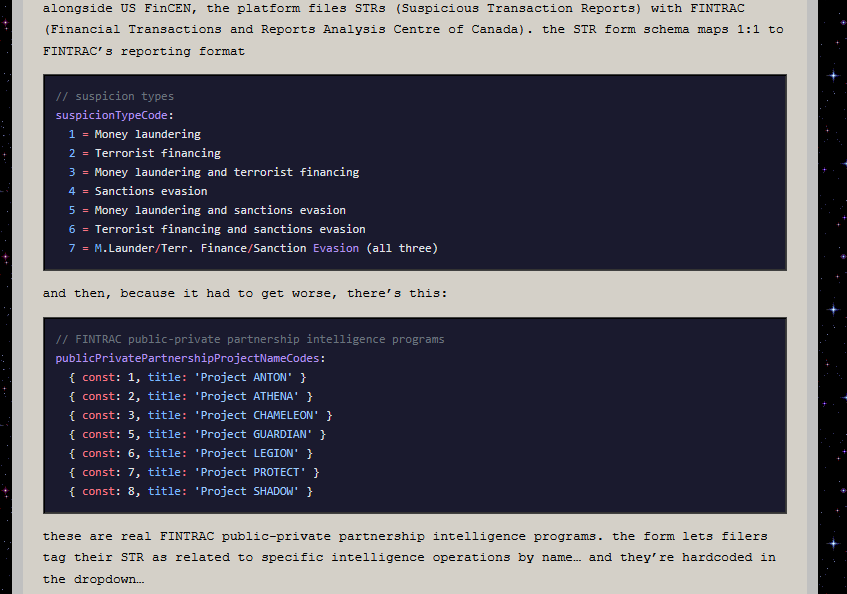
> wtf "FINTRAC"
> wtf "PrivatePartnershipProjectNameCodes"
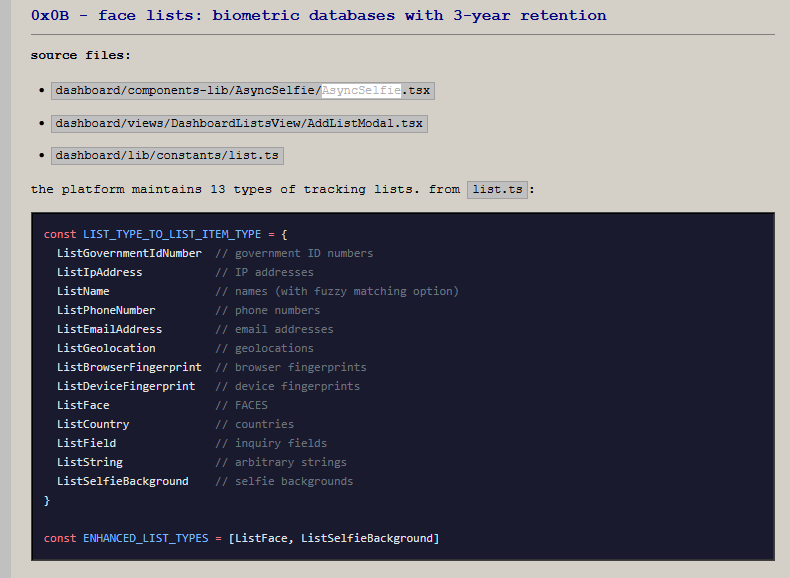
> image 3
> wtf "AsyncSelfie"
> look inside
> openai, persona, send data to us gov
> feds map face to financial records
> map face using AI
> map face to ICE stuff
> api stores data for lots of stuff
> image 4
tl;dr persona kyc and openai are frens, using your selfie for verification and sending to ICE (or USGOV in general), using AI to tie to your financial records. see subsequent post for full write-up. its long and not mobile friendly
remember when that woman caught her husband cheating when she was away on a trip bc she got a notification that someonen weighing 130 lbs was on their smart scale at like 3 AM lmfaooooo
> Ransomware group encrypts our data
> We don't pay
> Ransomware group leaks our data on their TOR site
> We have our data back
> thanks.jpg