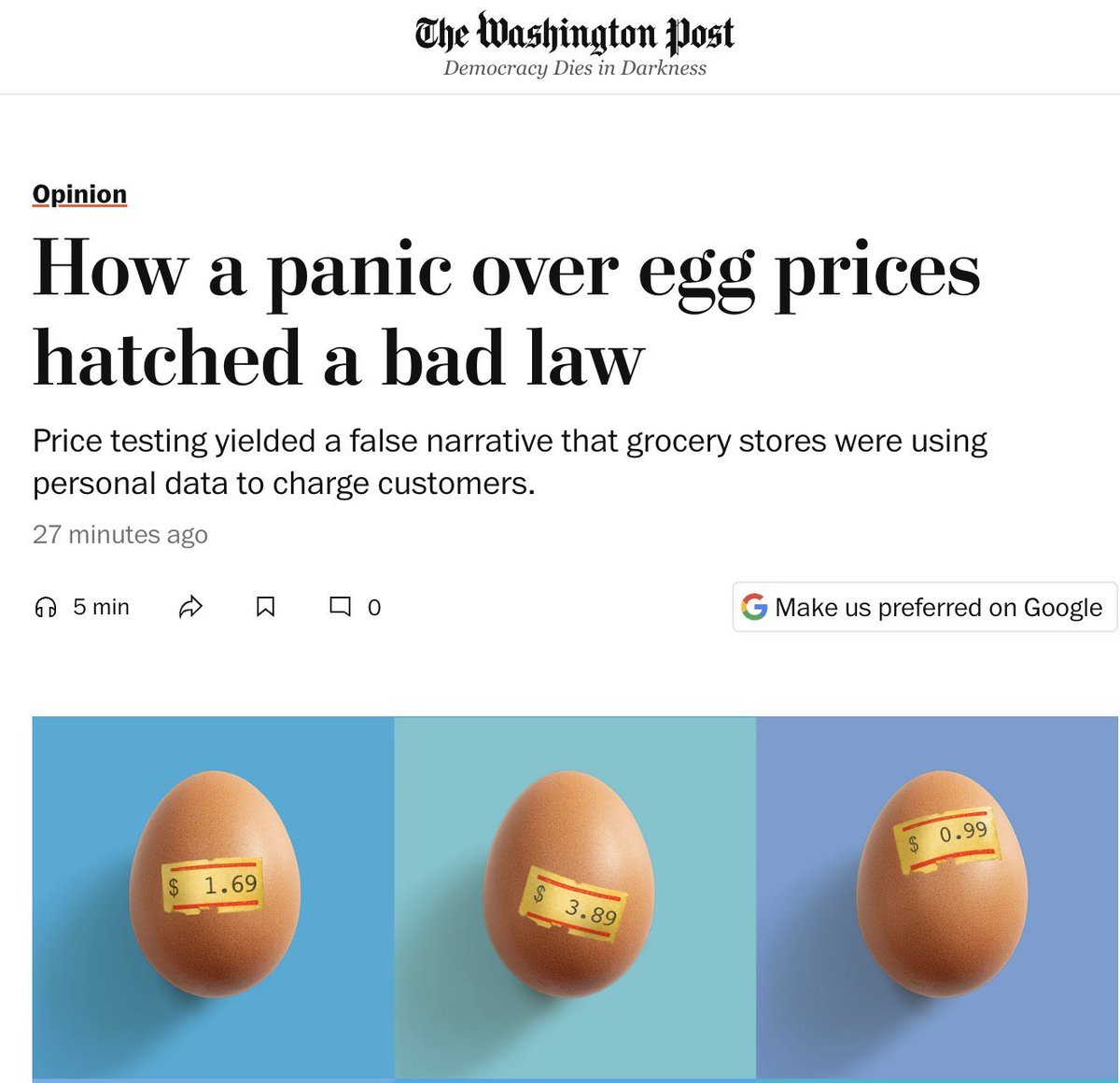
In December, there was a panic-inducing report about Instacart.
Surveillance pricing! Okay, minor detail: they found no evidence of that.
Flash forward 5 months, and we have our first law out of Maryland.
Lo and behold, the law is also confused about dynamic pricing, predatory pricing, price discrimination, really pricing overall.
My latest in @PostOpinions about what happens when panic gets ahead of clear thinking
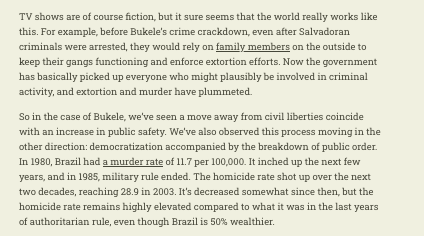
Some countries have seen "Bukele in reverse."
Brazil democratized in the 1980s, and has been more violent ever since.
If democracies can't deal with crime, then that will only discredit the very idea of democracy.
For the past few days we’ve been reading that once we correct for rising prices, living standards in the United States would be comparable to (Western) Europe.
Krugman's "Don't worry, be happy" message to Europe this weekend is damaging to Europe's reform agenda. He uses current-price PPP to wave away the structural productivity gap that @a_bergeaud and others have carefully documented. Europe is not collapsing, but it is stuck in a two-speed trap: Eastern catch-up, Southern stagnation, a chronic innovation gap with the US frontier since the mid-1990s, as I wrote this week in Silicon Continent. (Both posts linked in replies.)
The gap reflects how we lost our tech leadership in the ICT revolution (as PK does recognize) and now risk something more serious with AI. Draghi called it a near-crisis for a reason. Read @a_bergeaud's thread below on why the methodology, and the choice between current and constant-price PPP, matters, and why current PPP is not the right way to think about long term growth.
Doing an emergency post on data center heat exhaust because the "they heat the air as much as nuclear bombs" point is taking off, and I get to start with my favorite header I've used so far
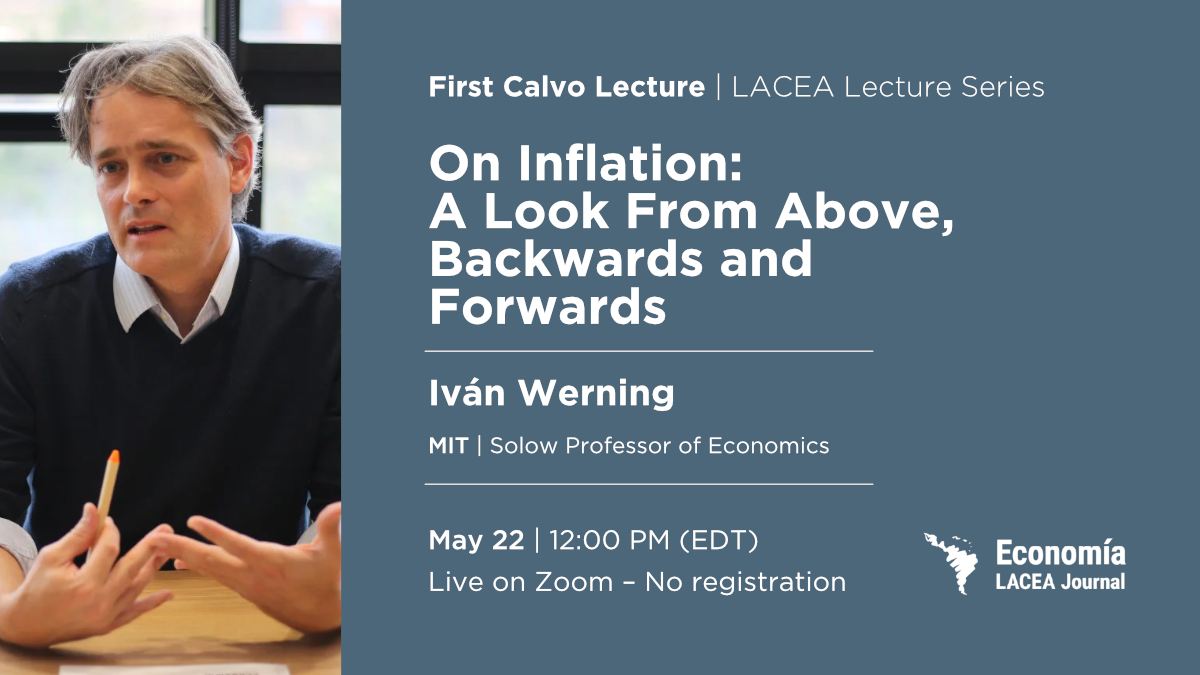
🎙️ First Calvo Lecture
We are pleased to launch the Calvo Lecture Series with @IvanWerning (MIT), introduced by @SFGaliani:
“On Inflation: A Look From Above, Backwards and Forwards”
📅 May 22
⏰ 12:00 PM (EDT)
💻 Live on Zoom (no registration)
🔗https://t.co/hsWLaZdifN
İktisat ile veri biliminin kesişim noktası.
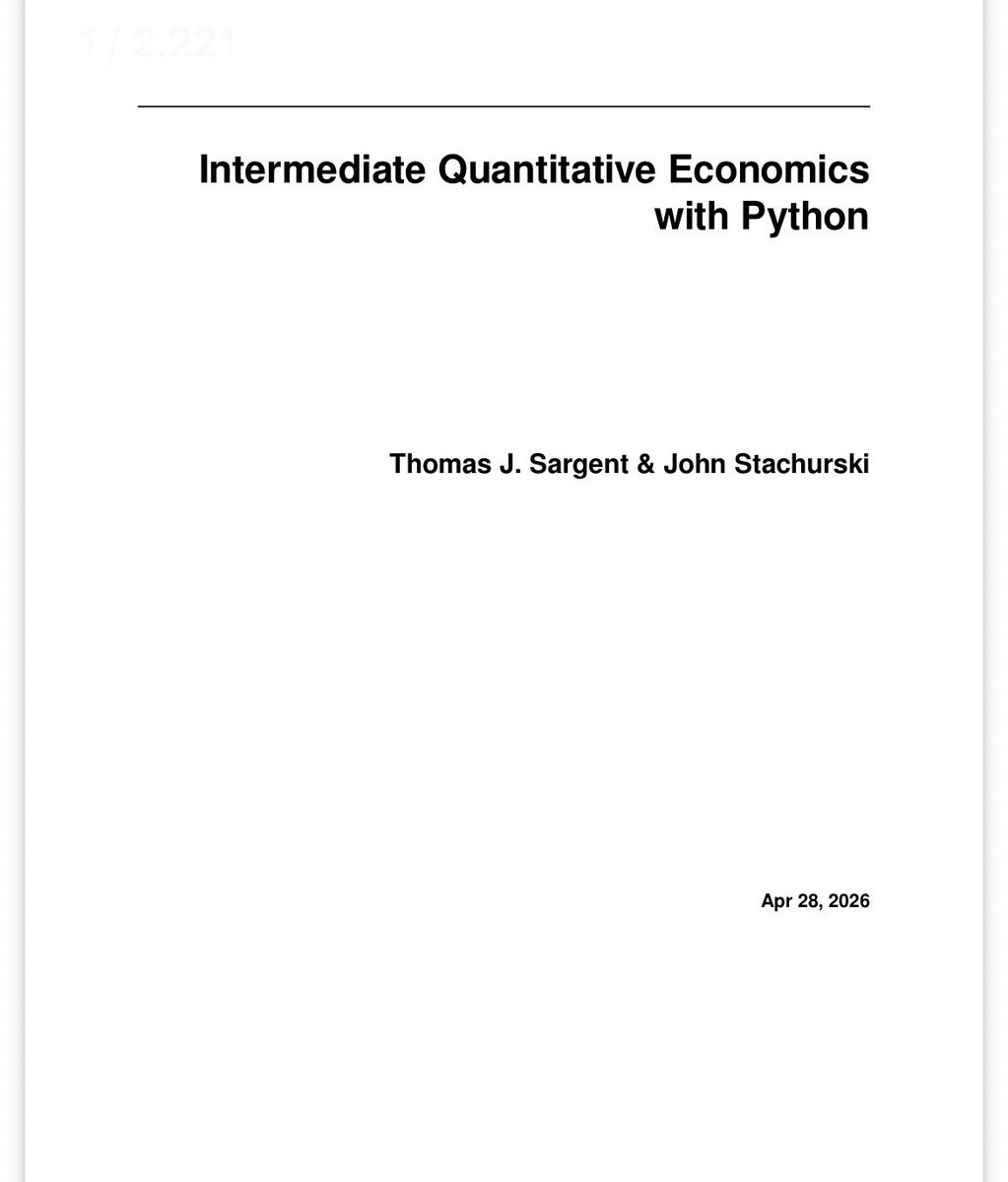
Sargent & Stachurski'den 2221 sayfalık ve ücretsiz bir hazine:
"Intermediate Quantitative Economics with Python"
Hem öğrenmek hem de öğretmek için harika bir rehber.
🔗 https://t.co/ykmIOPHy9i
One of the things you quickly learn when doing serious work in economics is that seemingly disperate ideas may be strongly related.
Local projections and VARs are a good example. Of course, if you know about Dufour's work, you heard of Dufour and Renault (1998) and you were not at all shocked by equivalence results in Plagborg-Moller and Wolf (2021).
That isn't all. DSGE models imply a VARMA structure. That's the ABC (and D's) paper of Fernandez-Villaverde et al. (2007). More generally, a DSGE model is a constrained DFM. The empirical tools we use estimate the objects we often care about in theory -- dynamic causal effects of shocks, their share of variance explained, etc. And you can write *all* of this using the treatment effect or potential outcome language most often seen in microeconometrics. Some non-trivial insights on the difficulty to estimate nonlinear effects emerge from that (e.g., Kolesar and Plagborg-Moller, 2025).
A lot of people who comment on social media go for political punch lines, engaging in attention farming and limiting themselves to superficial differences. But that's unserious.
There's a Japanese scientist who discovered jet streams much earlier before anyone else did, his name was Wasaburo Ooishi.
No one read his work, because he *only* published in Esperanto.
It’s estimated that the Protein Data Bank (PDB) cost around $13B to create. Alphafold was only possible because of it. If we want ML to solve biology, we should be funding the creation of databases and the development of new assay technologies. ML is nothing without data.
Narrative violation:
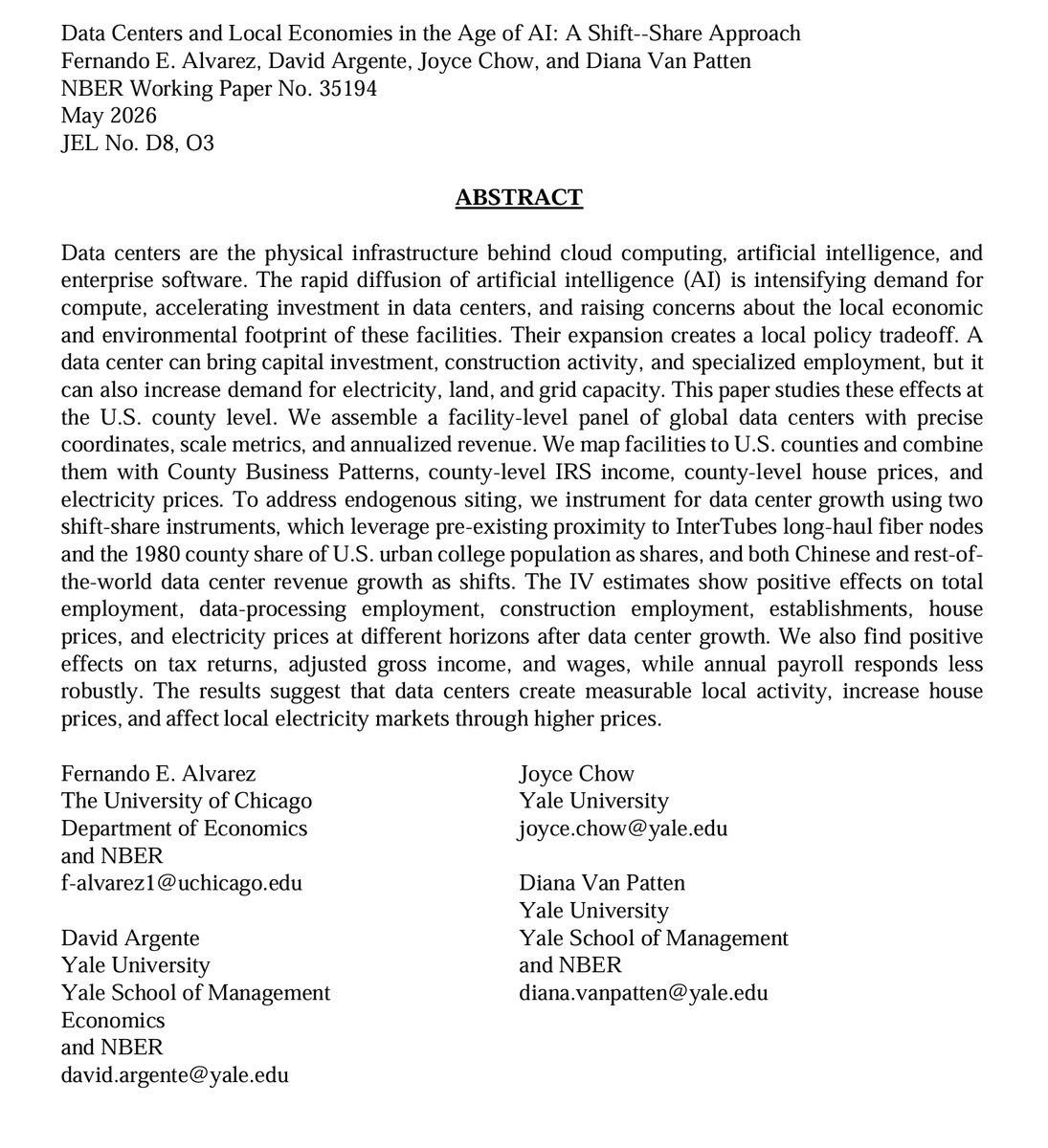
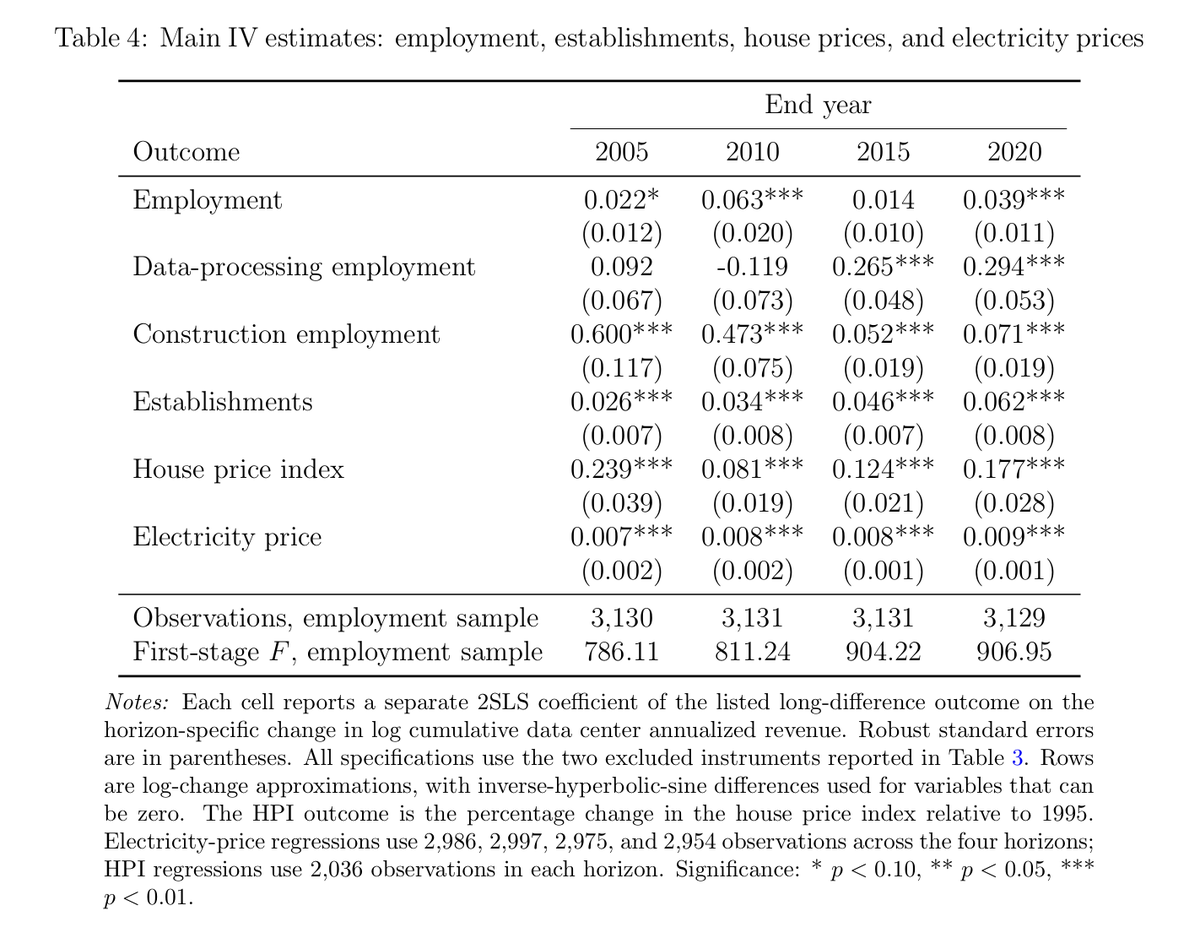
with the right policy, new data centers can *lower* electricity prices by spreading the fixed costs of the grid out among more paying customers.
Most ‘synergistic’ cancer drug combinations fail in the clinic.
Why?
A new paper revisits 100 years of drug combination research to understand the matters key to clinical success
https://t.co/pcWjCxrtbb
1/8
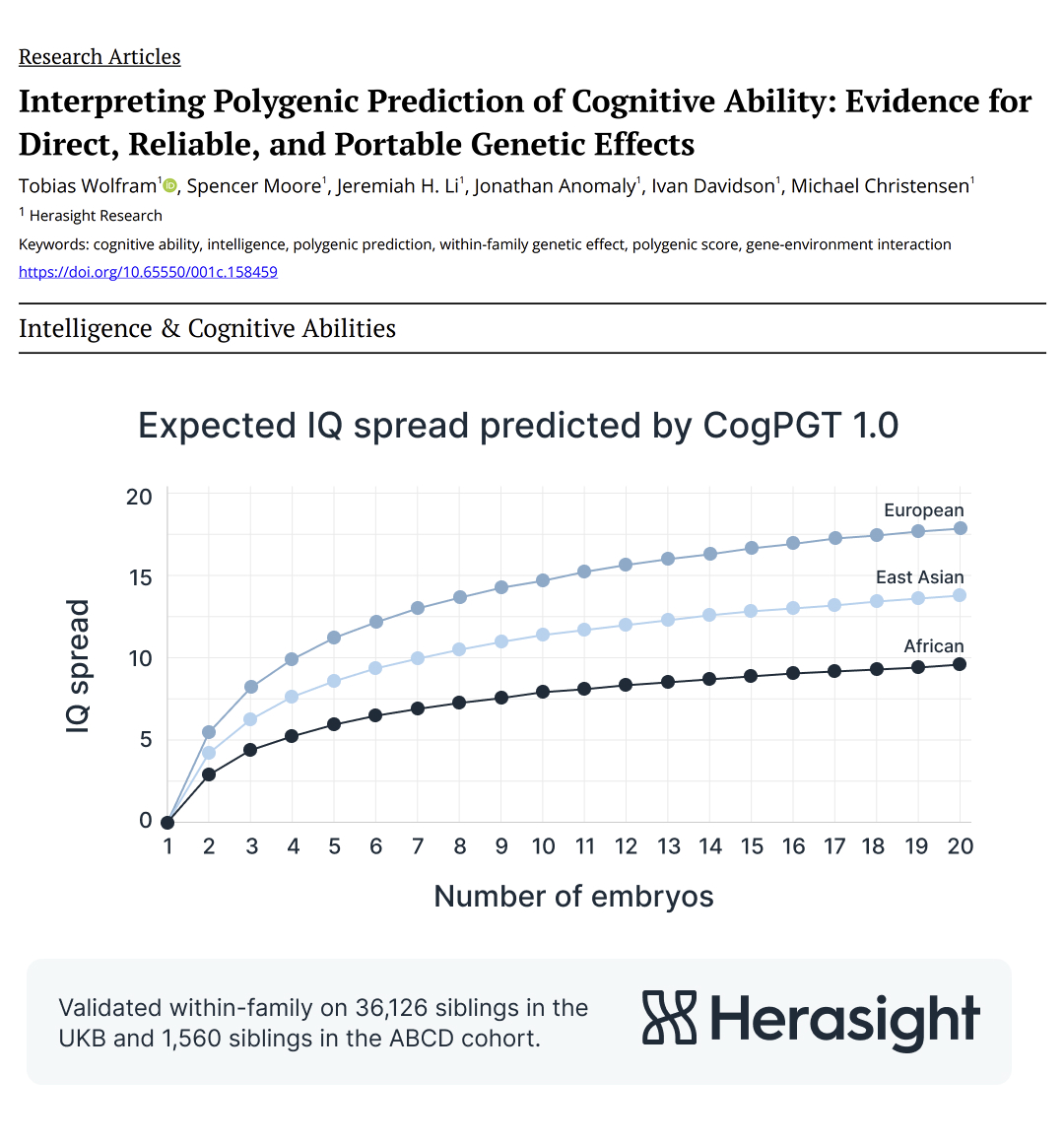
Today the worlds most powerful genetic predictor of IQ, CogPGT, has been published in the peer reviewed journal Intelligence and Cognitive Abilities.
When used for embryo screening, it can substantially boost expected IQ of future offspring.
Read on for the scientific details!