C’est délirant !
Luc Julia affirme que GPT-5 est moins bon que GPT-3.5
C’est aussi dingue que dire qu’un Airbus est moins rapide qu’une trottinette
Luc Julia ne connaît RIEN au sujet en plus d’avoir menti en faisant croire qu’il avait créé SIRI
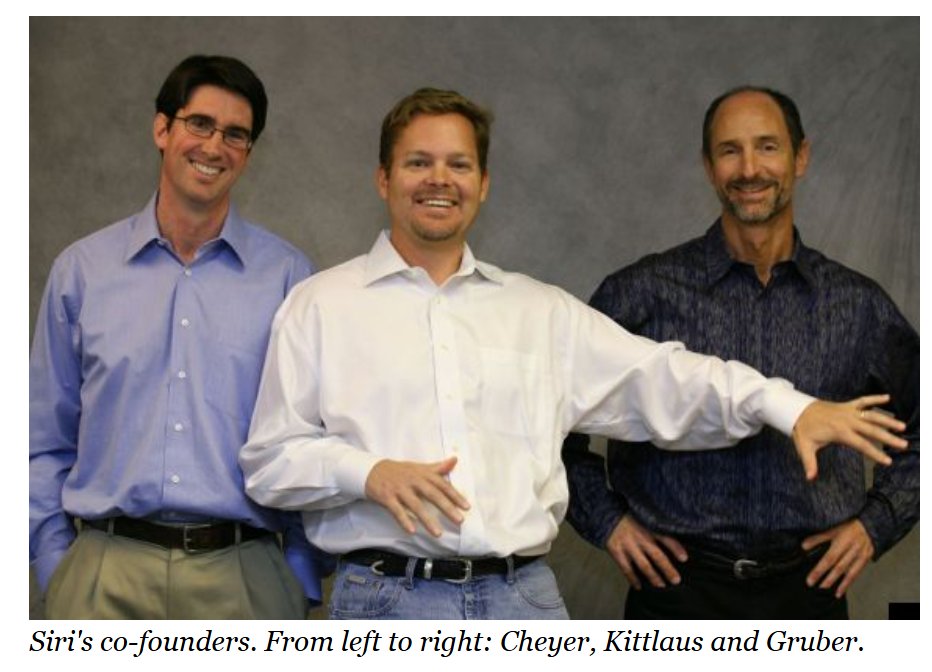
Les co-fondateurs de Siri sont Adam Cheyer, Dag Kittlaus et Tom Gruber. Depuis la sortie de ma vidéo sur Luc Julia, plusieurs personnes ont tenté de les contacter.
Voici déjà une réponse que Gruber a accepté de rendre publique: "Luc had nothing to do with the creation of Siri."
LUC JULIA EST UN MENTEUR.
Depuis des années, il se fait passer pour le créateur de Siri. Tom Gruber, cofondateur de Siri, vient de confirmer qu’il n’y a jamais participé.
Humanoid robots are nailing insanely hard balance and coordination moves.
But Moravec’s paradox reminds us simple household chores are still extremely difficult for Robots, since there objects and contexts vary endlessly.
This document was all over the internet this week. Great list of LLM Interview questions.
----
What is tokenization in LLMs?
How does attention work in transformers?
What is an LLM context window and why does size matter?
How do LoRA and QLoRA differ in fine-tuning?
How does beam search improve over greedy decoding?
How does temperature control text generation?
What is masked language modeling in pretraining?
What are sequence-to-sequence models used for?
How do autoregressive and masked models differ?
What are embeddings and how are they initialized?
What is next sentence prediction and its benefit?
How do top-k and top-p sampling differ?
Why is prompt engineering important?
How can fine-tuning avoid catastrophic forgetting?
What is model distillation and why useful?
How do LLMs handle out-of-vocabulary words?
How do transformers improve traditional Seq2Seq models?
What is overfitting and how can LLMs prevent it?
What are generative vs discriminative models in NLP?
How does GPT-4 differ from GPT-3?
What are positional encodings and their purpose?
What is multi-head attention and its advantage?
How is softmax used in attention?
How does the dot product contribute to self-attention?
Why is cross-entropy loss used in language modeling?
How are gradients computed for embeddings?
What is the Jacobian matrix role in transformers?
How do eigenvalues and eigenvectors aid dimensionality reduction?
What is KL divergence and its use in LLMs?
What is the ReLU derivative and why important?
How does the chain rule support gradient descent?
How are attention scores calculated in transformers?
How does Gemini optimize multimodal training?
What types of foundation models exist?
How does PEFT reduce catastrophic forgetting?
What are the steps in retrieval-augmented generation?
How does mixture of experts improve scalability?
What is chain-of-thought prompting and why helpful?
How do discriminative and generative AI differ?
How does knowledge graph integration improve LLMs?
What is zero-shot learning in LLMs?
How does adaptive softmax speed up large vocabularies?
How do transformers avoid vanishing gradients?
What is few-shot learning and its benefits?
How would you fix biased or incorrect LLM outputs?
How do encoders and decoders differ in transformers?
How do LLMs differ from statistical language models?
What is a hyperparameter and why important?
What defines a large language model?
What deployment challenges do LLMs face?
-------
Source: put the dots properly in the below url
https://drive[.]google[.]com/file/d/1cUxKspEXgQ64s4OFEw0kabf_qNauOPiH/view
@haider1 The LLM doesn’t “understand” like a human; it simulates reasoning based on correlations. It lacks motivation, intuition, or consciousness — key elements of human intelligence.4o
WACK-THE-MOLE! A minigame controlled with hand gestures.
Created with @Google Gemini 2.5 Pro using MediaPipe computer vision, @threejs , and @Blender
Shoutout to @corysimmons123 for the inspiration, more games OTW!
🔗 demo linked below
Say goodbye to the silent era of video generation: Introducing Veo 3 — with native audio generation. 🗣️
Quality is up from Veo 2, and now you can add dialogue between characters, sound effects and background noise.
Veo 3 is available now in the @GeminiApp for Google AI Ultra subscribers in the U.S.
#GoogleIO
Une frontière de Pareto est l'ensemble des meilleurs compromis possibles entre le temps d'apprentissage et la précision, où toute tentative d'amélioration de l'une de ces mesures dégrade l'autre
Google's progress in AI since last year:
- The worlds strongest models, on pareto frontier
- Gemini app: has over 400M monthly active users
- We now process 480T tokens a month, up 50x YoY
- Over 7M developers have built with the Gemini API (4x)
Much more to come still!




![rohanpaul_ai's tweet photo. This document was all over the internet this week. Great list of LLM Interview questions.
----
What is tokenization in LLMs?
How does attention work in transformers?
What is an LLM context window and why does size matter?
How do LoRA and QLoRA differ in fine-tuning?
How does beam search improve over greedy decoding?
How does temperature control text generation?
What is masked language modeling in pretraining?
What are sequence-to-sequence models used for?
How do autoregressive and masked models differ?
What are embeddings and how are they initialized?
What is next sentence prediction and its benefit?
How do top-k and top-p sampling differ?
Why is prompt engineering important?
How can fine-tuning avoid catastrophic forgetting?
What is model distillation and why useful?
How do LLMs handle out-of-vocabulary words?
How do transformers improve traditional Seq2Seq models?
What is overfitting and how can LLMs prevent it?
What are generative vs discriminative models in NLP?
How does GPT-4 differ from GPT-3?
What are positional encodings and their purpose?
What is multi-head attention and its advantage?
How is softmax used in attention?
How does the dot product contribute to self-attention?
Why is cross-entropy loss used in language modeling?
How are gradients computed for embeddings?
What is the Jacobian matrix role in transformers?
How do eigenvalues and eigenvectors aid dimensionality reduction?
What is KL divergence and its use in LLMs?
What is the ReLU derivative and why important?
How does the chain rule support gradient descent?
How are attention scores calculated in transformers?
How does Gemini optimize multimodal training?
What types of foundation models exist?
How does PEFT reduce catastrophic forgetting?
What are the steps in retrieval-augmented generation?
How does mixture of experts improve scalability?
What is chain-of-thought prompting and why helpful?
How do discriminative and generative AI differ?
How does knowledge graph integration improve LLMs?
What is zero-shot learning in LLMs?
How does adaptive softmax speed up large vocabularies?
How do transformers avoid vanishing gradients?
What is few-shot learning and its benefits?
How would you fix biased or incorrect LLM outputs?
How do encoders and decoders differ in transformers?
How do LLMs differ from statistical language models?
What is a hyperparameter and why important?
What defines a large language model?
What deployment challenges do LLMs face?
-------
Source: put the dots properly in the below url
https://drive[.]google[.]com/file/d/1cUxKspEXgQ64s4OFEw0kabf_qNauOPiH/view](https://pbs.twimg.com/media/GurCBIbW0AAblh1.png)


