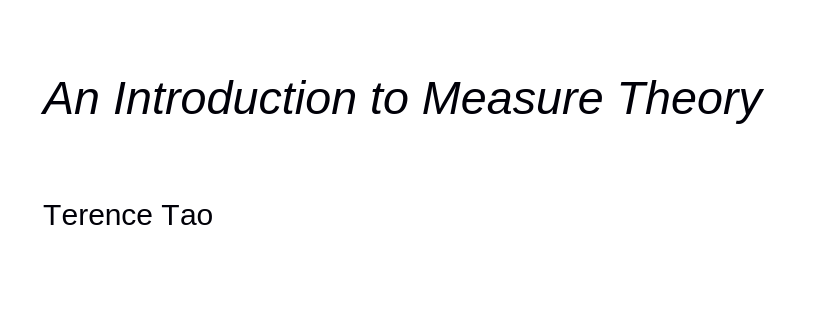
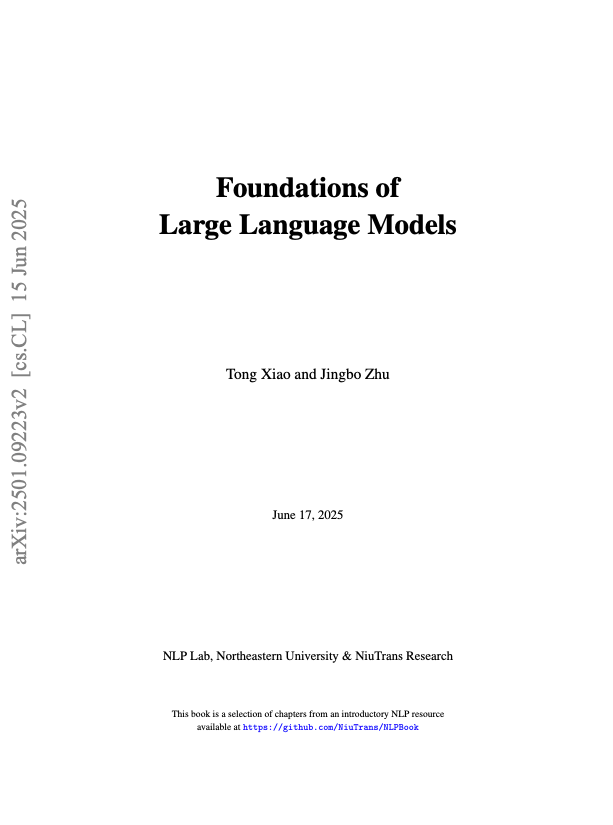
FREE Math Book. 375 pages.
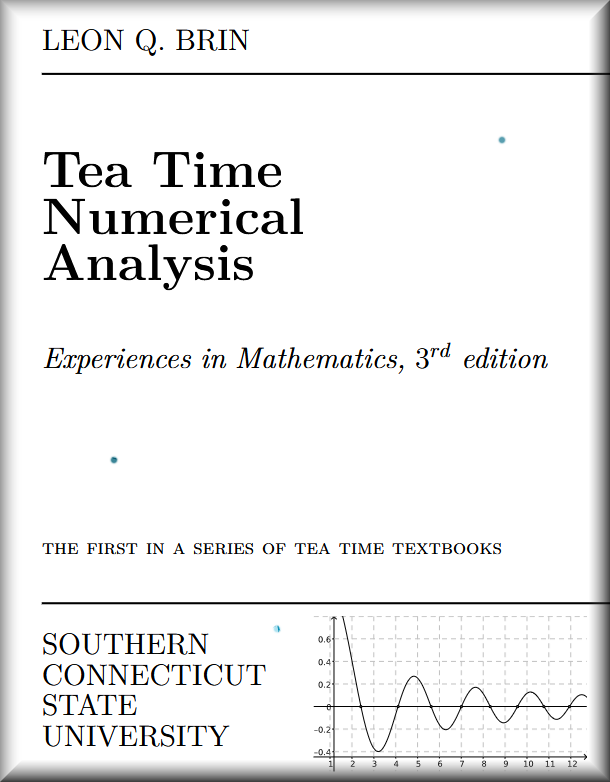
"Tea Time Numerical Analysis" by Brin. The material is presented "as if it were being told to a student during tea time at University... The exercises are plentiful and well-designed, and many of them have extensive solutions. The necessary terms and definitions and theorems and examples will be woven into a more conversational style. My hope is that this blend of formal and informal mathematics will be easier to digest, and dare I say, students will be more invited to do their reading in this format."
Contents
Preliminaries
Root Finding
Interpolation
Numerical Calculus
More Interpolation
Ordinary Differential Equations
Link: https://t.co/ZUMdAH4ogr
What if I told you a neural network understands local change before it understands the full picture?
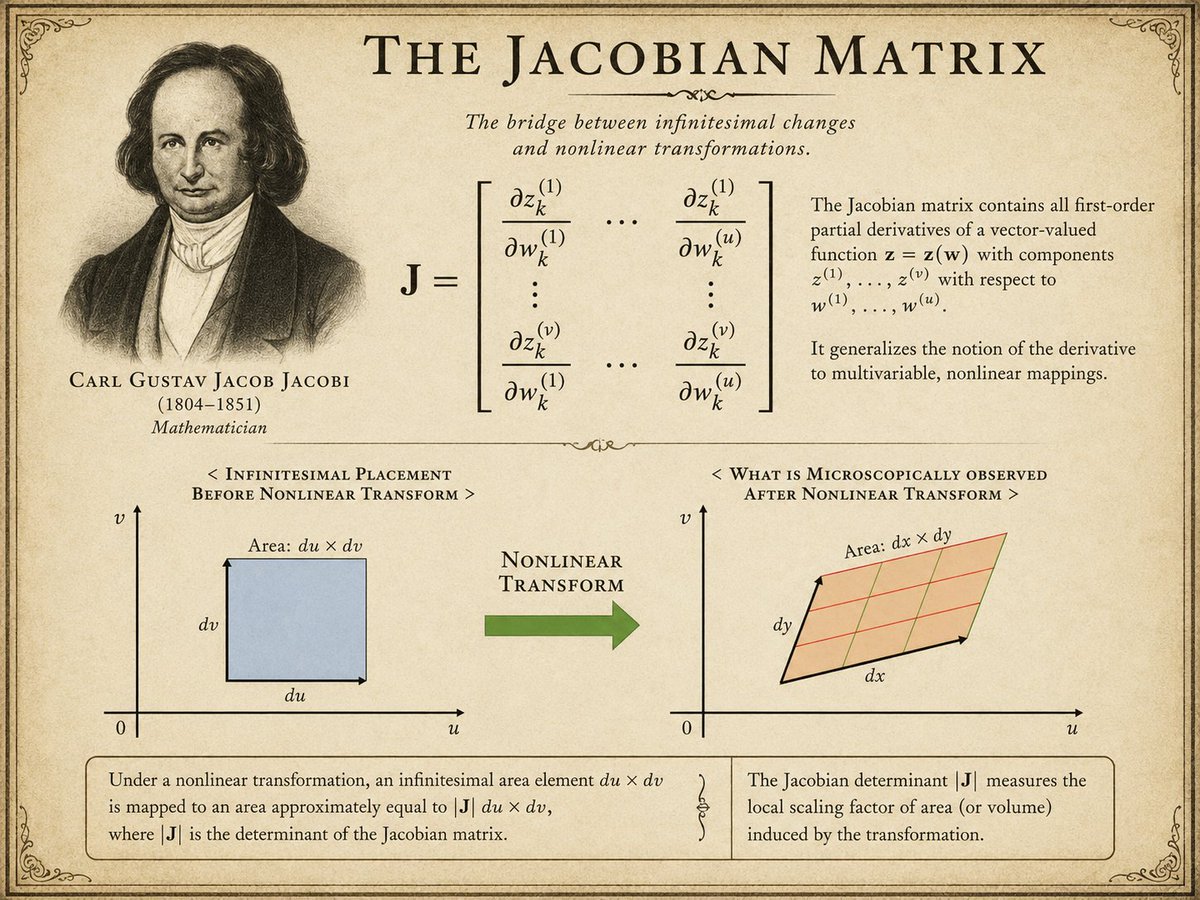
That idea is deeply connected to something called the Jacobian Matrix.
At first, it looks terrifying. A big matrix full of partial derivatives. But the intuition behind it is actually beautiful.
The Jacobian measures how small changes in input variables affect the output of a system.
Imagine slightly changing the pixels of an image.
Or changing one feature in a dataset.
How much does the prediction change?
The Jacobian tells us exactly that.
You can think of it as a “sensitivity map” for transformations.
If a system transforms one space into another, the Jacobian describes how the geometry changes locally.
Tiny squares can stretch, rotate, compress, or skew into completely different shapes.
That is why Jacobians are everywhere in AI & machine learning.
For example:
- Backpropagation relies heavily on Jacobians through the chain rule
- Neural networks use them to understand gradient flow
- Normalizing Flows use Jacobian determinants for probability density transformations
- Computer Vision uses them in geometric warping and image alignment
- Robotics uses Jacobians for motion and control systems
- Diffusion models and generative models often depend on transformations between latent spaces
The interesting part is this:
Most ML models are basically learning transformations.
And the Jacobian is what tells us how those transformations behave locally.
Step-by-step intuition:
- Start with an input vector
- Apply a transformation
- Measure how each output changes with respect to each input
- Store those local relationships inside a matrix That matrix becomes the Jacobian.
Carl Gustav Jacob Jacobi introduced this mathematical idea long before AI existed.
But today, modern deep learning silently runs on top of concepts like this every second.
Sometimes the most important parts of AI are not the flashy models.
They are the mathematical structures underneath them.
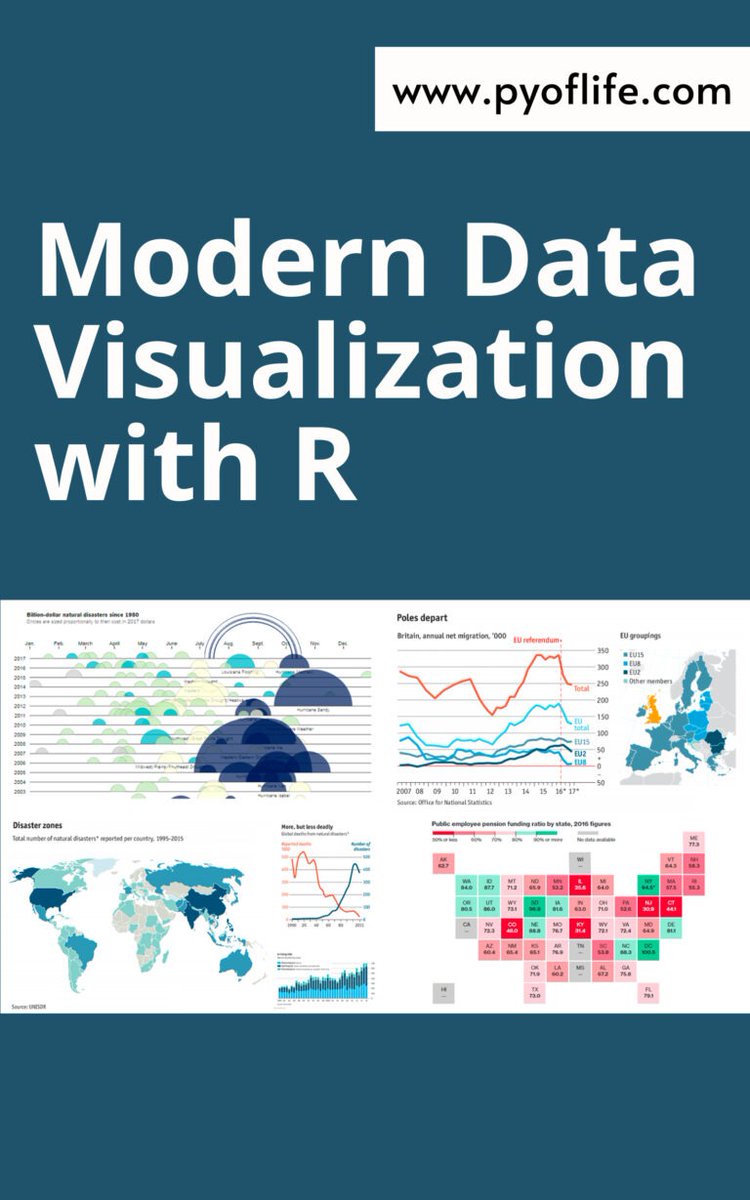
Data visualization is not merely about creating pretty charts and graphs; it’s about distilling complex information into clear, concise visuals that facilitate understanding and decision-making. https://t.co/JmnxDMZIew
#DataScience#RStats#datascientists#datavisualizations
İktisat ile veri biliminin kesişim noktası.
Sargent & Stachurski'den 2221 sayfalık ve ücretsiz bir hazine:
"Intermediate Quantitative Economics with Python"
Hem öğrenmek hem de öğretmek için harika bir rehber.
🔗 https://t.co/ykmIOPHy9i
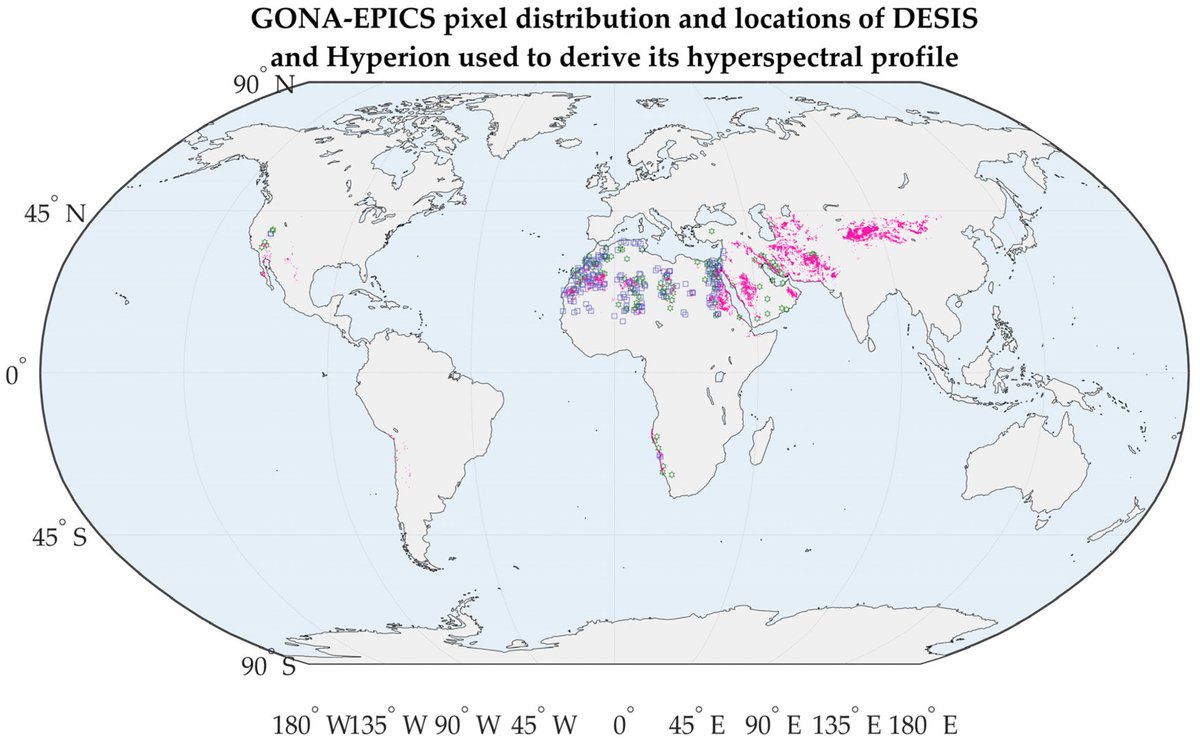
🌍🛰️ Derivation of #Hyperspectral Profiles for Global Extended Pseudo Invariant Calibration Sites (#EPICS) and Their #Application in #Satellite#Sensor Cross-Calibration
✍️ Juliana Fajardo Rueda et al.
🔗 https://t.co/CdiyrFXJBG
🚨 ¿Interpretar o ignorar el efecto principal cuando hay interacciones? una guía 👇
La regla “Si hay interacción significativa, no interpretes el efecto principal” no siempre es correcta, sino que depende del contexto, modelo y pregunta.
Archivo:
https://t.co/A2Y9Bh25ZF
#stats
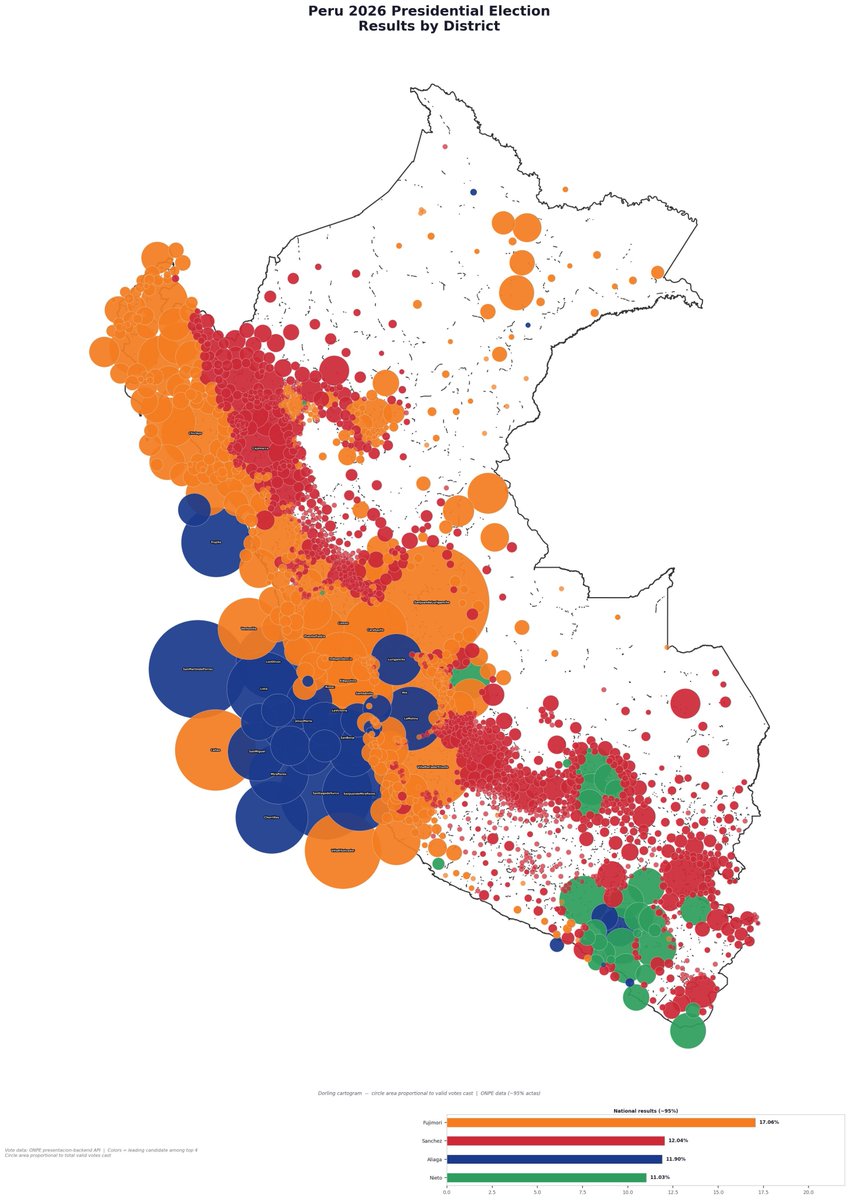
Este cuadro, elaborado por el economista César Martinelli, me parece la mejor representación gráfica de la distribución de los votos de los cuatro primeros candidatos.
Muestra, en tamaño proporcional a la población, el más votado de estos cuatro candidatos en cada distrito.
1/2
Hola🤠 Cómo elijo qué gráfica hacer?
Spoiler: depende de tus datos, no de la que más te guste👀
Datos cualitativos? barras
Datos continuos? histograma
Tiempo? línea
Y si tengo grupos? 🧐
🧵 con 7 casos + código #R listo para copiar
🔗 https://t.co/RLj1XWtWQ2
#CódigoDeTodxs
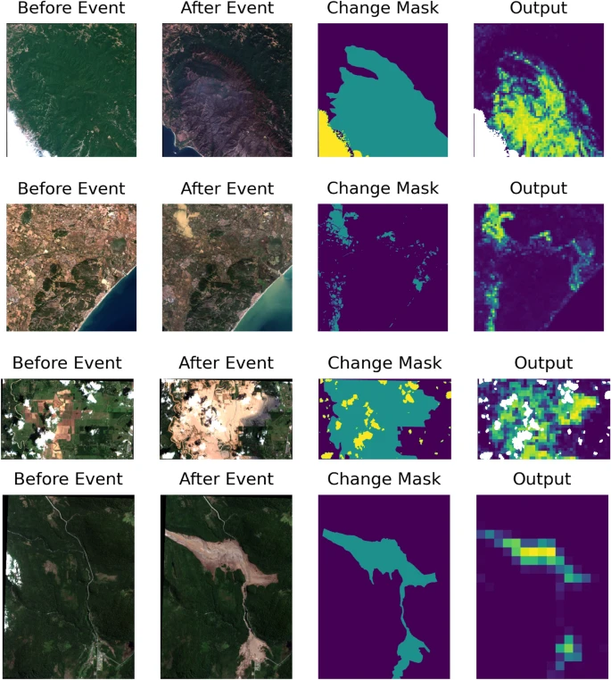
Most AI models needs months of GPU training before it can work.
Scientists just created one that detects floods, fires and hurricanes without any training at all.
Here's how it works:
🇪🇨🇪🇨 Machine Learning for #Urban#Air#Quality Prediction Using Google AlphaEarth Foundations #Satellite Embeddings: A Case Study of Quito, #Ecuador
✍️ Cesar Ivan Alvarez et al.
🔗 https://t.co/efQHueBemI
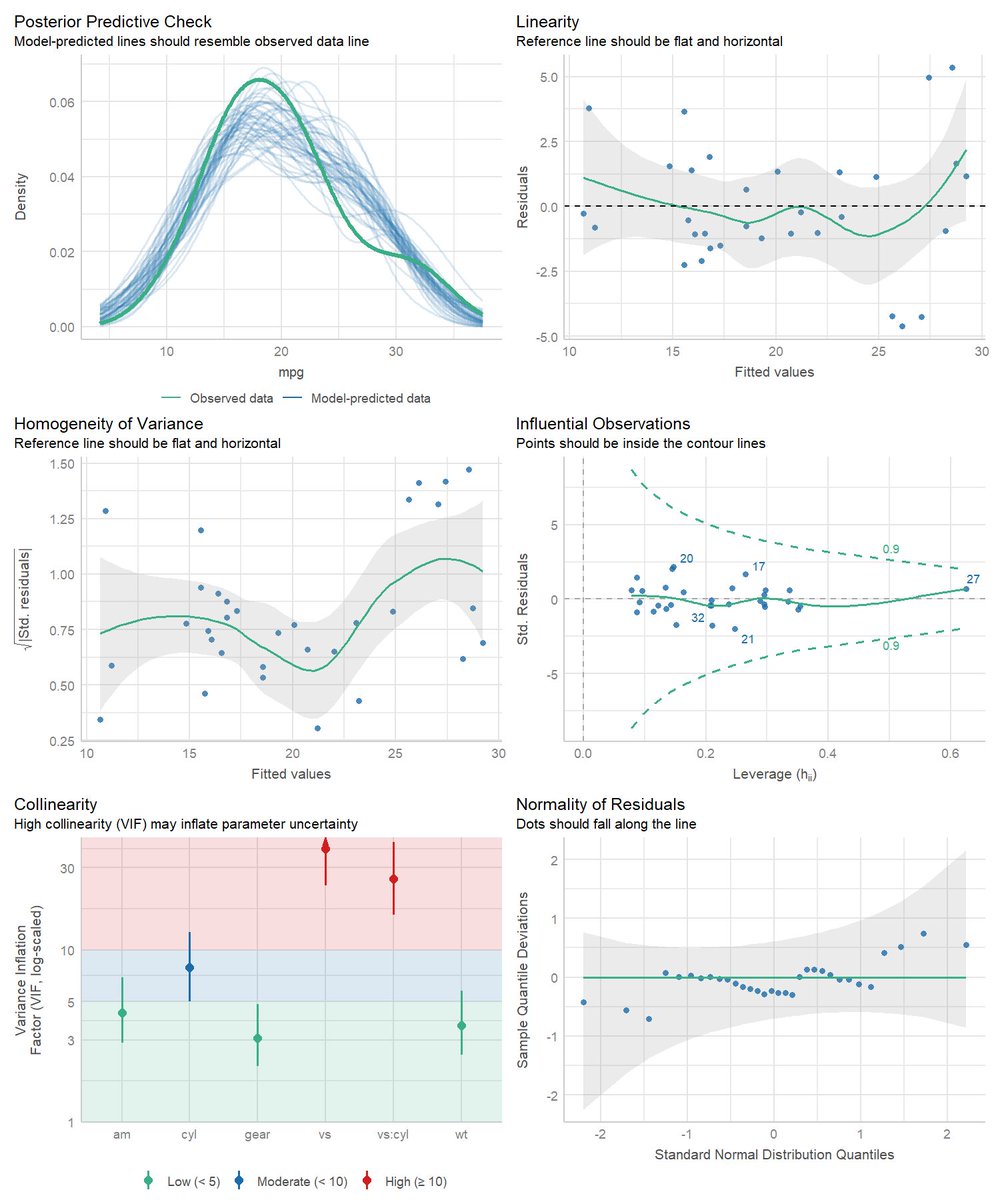
Evaluar un modelo de regresión es una parte clave del análisis. Un modelo puede parecer “bueno” a simple vista, pero sin una evaluación rigurosa es fácil caer en conclusiones engañosas.
Ahora, para evaluar un modelo necesitas múltiples perspectivas y preguntas distintas👇🧵
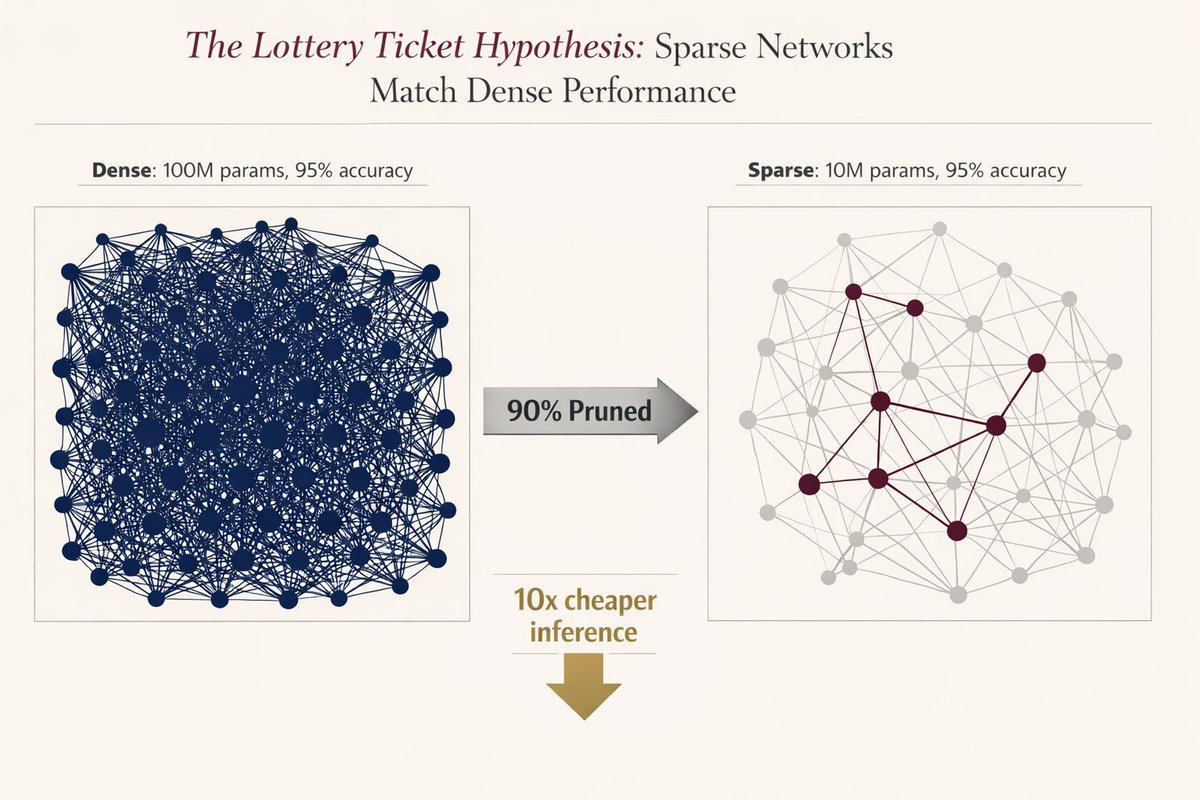
🚨 MIT proved you can delete 90% of a neural network without losing accuracy.
Researchers found that inside every massive model, there is a "winning ticket”, a tiny subnetwork that does all the heavy lifting.
They proved if you find it and reset it to its original state, it performs exactly like the giant version.
But there was a catch that killed adoption instantly..
you had to train the massive model first to find the ticket. nobody wanted to train twice just to deploy once. it was a cool academic flex, but useless for production.
The original 2018 paper was mind-blowing:
But today, after 8 years…
We finally have the silicon-level breakthrough we were waiting for: structured sparsity.
Modern GPUs (NVIDIA Ampere+) don’t just “simulate” pruning anymore.
They have native support for block sparsity (2:4 patterns) built directly into the hardware.
It’s not theoretical, it’s silicon-level acceleration.
The math is terrifyingly good: a 90% sparse network = 50% less memory bandwidth + 2× compute throughput. Real speed.. zero accuracy loss.
Three things just made this production-ready in 2026:
- pruning-aware training (you train sparse from day one)
- native support in pytorch 2.0 and the apple neural engine
- the realization that ai models are 90% redundant by design
Evolution over-parameterizes everything. We’re finally learning how to prune.
The era of bloated, inefficient models is officially over. The tooling finally caught up to the theory, and the winners are going to be the ones who stop paying for 90% of weights they don’t even need.
The future of AI is smaller, faster, and smarter.