Strengthen donor research collab. and coordination / Encourage higher standards of commissioned research / Promote availability and access to rigorous evidence
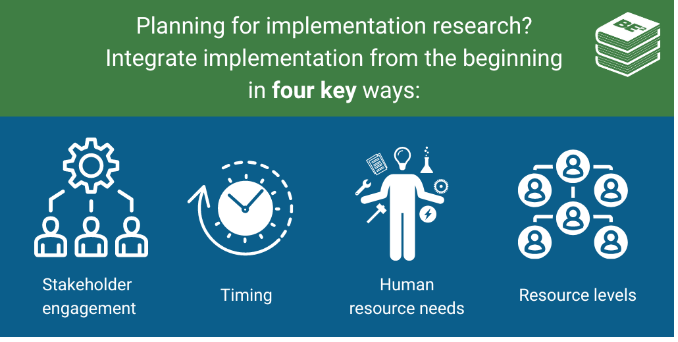
Planning for implementation at scale #implementationresearch should be integrated from the beginning in four key ways: stakeholder engagement, timing, human resources needs and resources levels.➡️Use this @BE2Global guidance note to find out more: https://t.co/UNHwAAJlMv
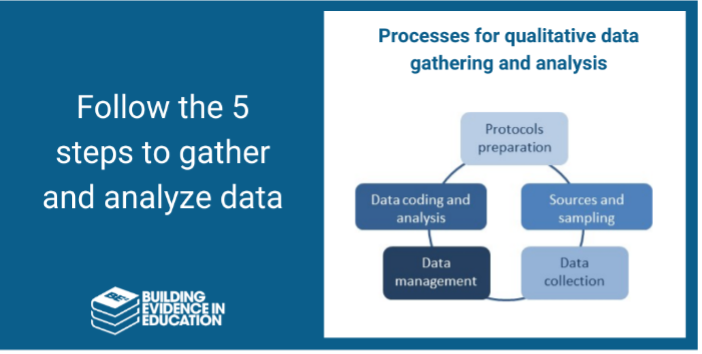
5 critical steps in successfully implementing a qualitative research design: Use this guidance note from @BE2Global and make smart research investments https://t.co/GwCyOvlEBj
#evidence#education#research#BE2
📩 Should you be interested in becoming a @BE2Global member, receiving our monthly newsletter on education evidence, or joining one of the Special Interest Groups, please reach out to us at: [email protected]
“Doing better with less” was the focus of our latest event-bringing together funders to reflect on smarter, evidence-informed investment in education.
Key themes: smart buys💡, implementation 🛠️, using existing evidence📚 and the importance of networks 🤝🌍
#Education#Networks
Trying to understand how and why a new education intervention is working? Preparing to scale-up? 📘 @BE2Global's guidance note on #qualitativeresearch provides tips and tools for education researchers and funders: https://t.co/hpfauEOTGz
#evidence#education#research#BE2
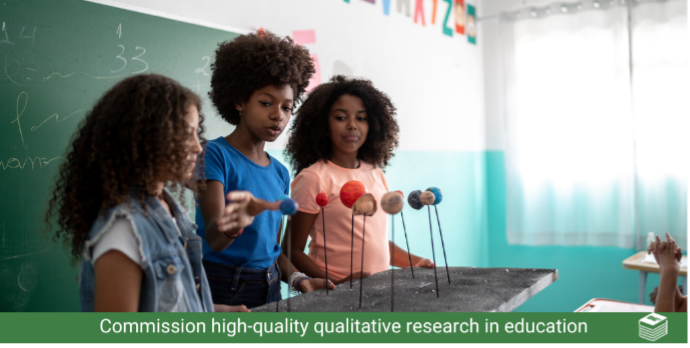
Looking for guidance on how to commission high-quality #qualitativeresearch? 📘 Download @BE2Global's guidance note with tips for international education research funders and implementing partners: https://t.co/hpfauEOTGz
#research#evidence#education#BE2
Don’t miss @IIEP_UNESCO's #StrategicDebate #1 on plan implementation: closing the policy–practice gap
A timely discussion on how to move from strong education policies to real impact on the ground.
#BE2#Evidence#Education
A big question we’re hearing across the sector: what does it mean to “do better with less” in education? As resources tighten, evidence strategies are shifting toward cost evidence, feasibility, and implementation learning that supports adaptation and scale.
Responsible AI is also an equity agenda. Without deliberate choices, AI can deepen invisibility of LMIC evidence and widen capacity gaps. Thanks to our panelists.
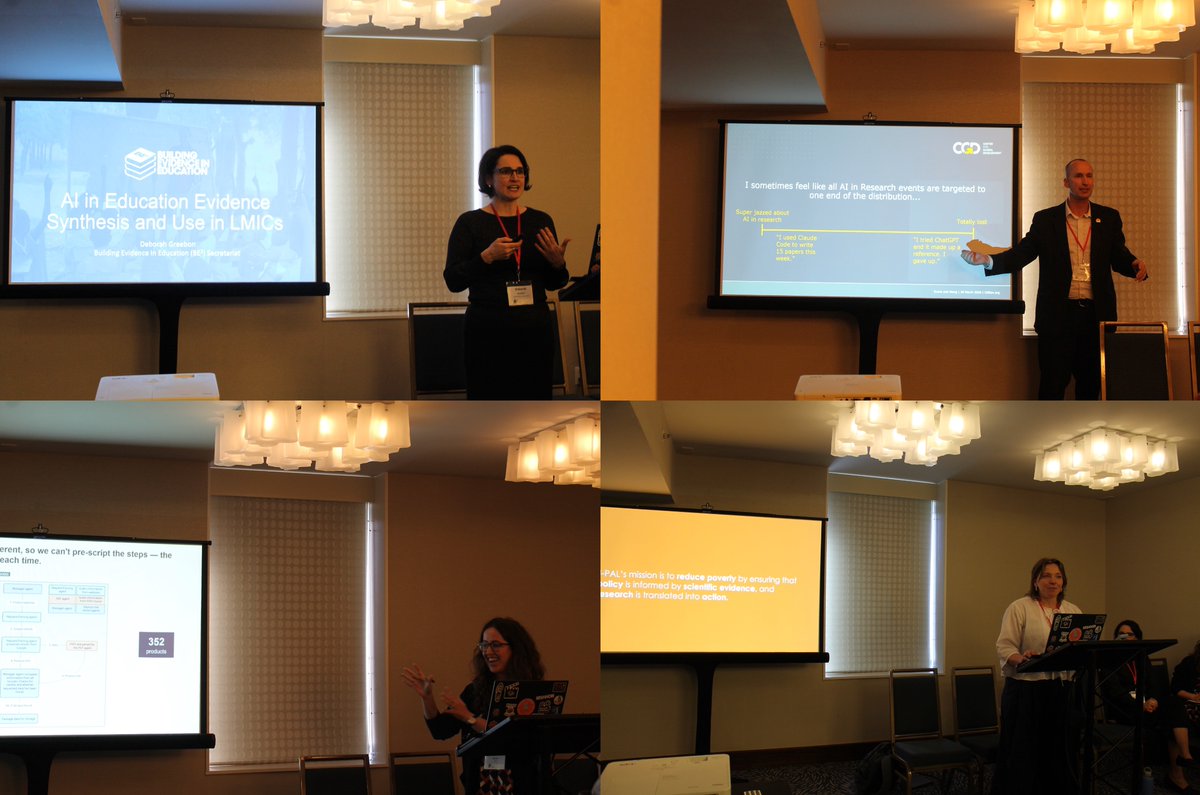
At @cies_us 2026, @BE2Global chaired a panel on how AI is changing education evidence, and what it will take to do this responsibly and equitably. Main takeaway: augmentation, not replacement.
Download the BE2 working paper: https://t.co/DzaRp4J8e9
Practical use requires workflow discipline. Be explicit about where AI fits (search terms, structured summaries, metadata extraction) and where it doesn’t without safeguards (final claims, interpretation, quality ratings).
AI can accelerate parts of the evidence workflow, but humans remain accountable for judgment, context, and QA. Don’t outsource what you don’t understand or can’t independently verify.
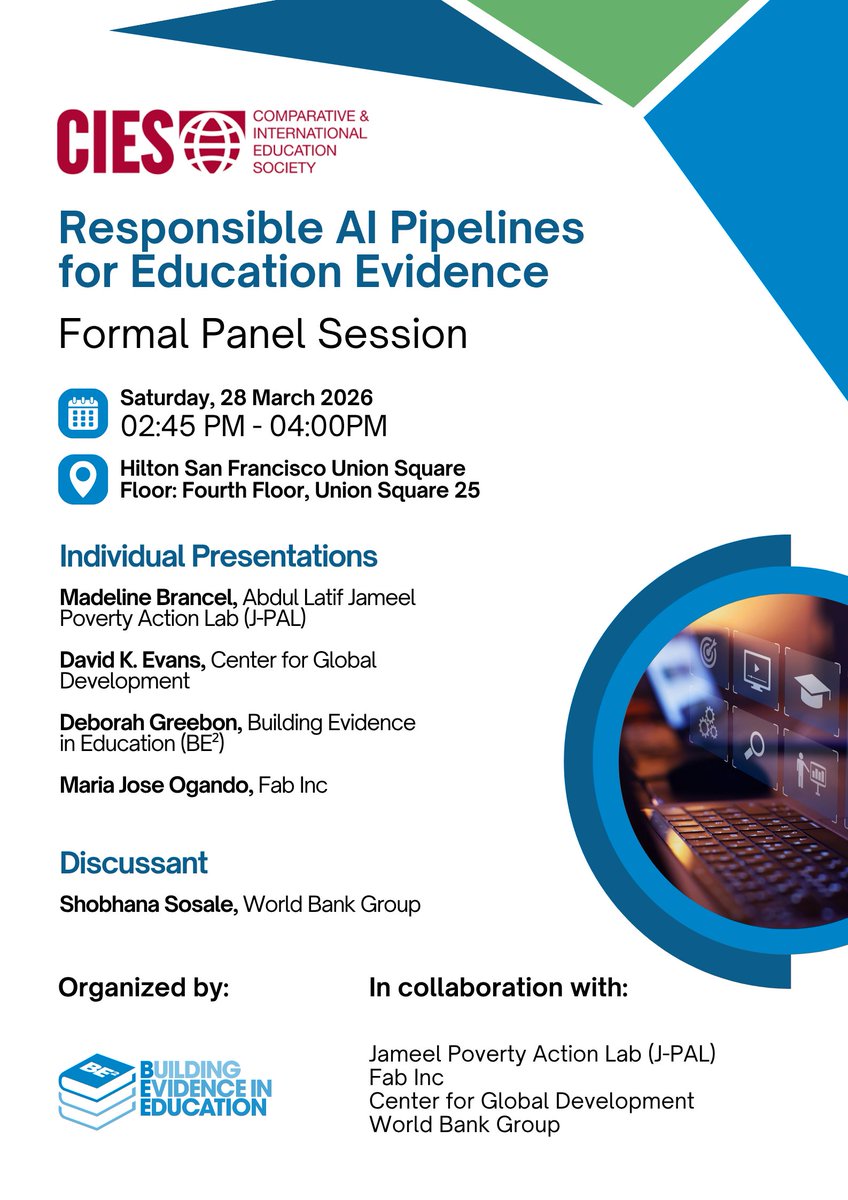
Happening today at @cies_us 2026: Responsible AI Pipelines for Education Evidence.
Join BE² to explore how AI can support stronger & more equitable education evidence systems.🕒Sat 28 Mar|2:45-4:00 PM PDT📍Hilton SF Union Square, Fourth Floor, Union Square. Details in comments⬇️
Join BE² this week @cies_us 2026 for Responsible AI Pipelines for Education Evidence-exploring how AI can support stronger evidence synthesis while ensuring transparency & equity.🕒Sat 28 Mar|2:45-4:00 PM PDT📍Hilton SF Union Square, Fourth Floor, Union Square. More in comments⬇️