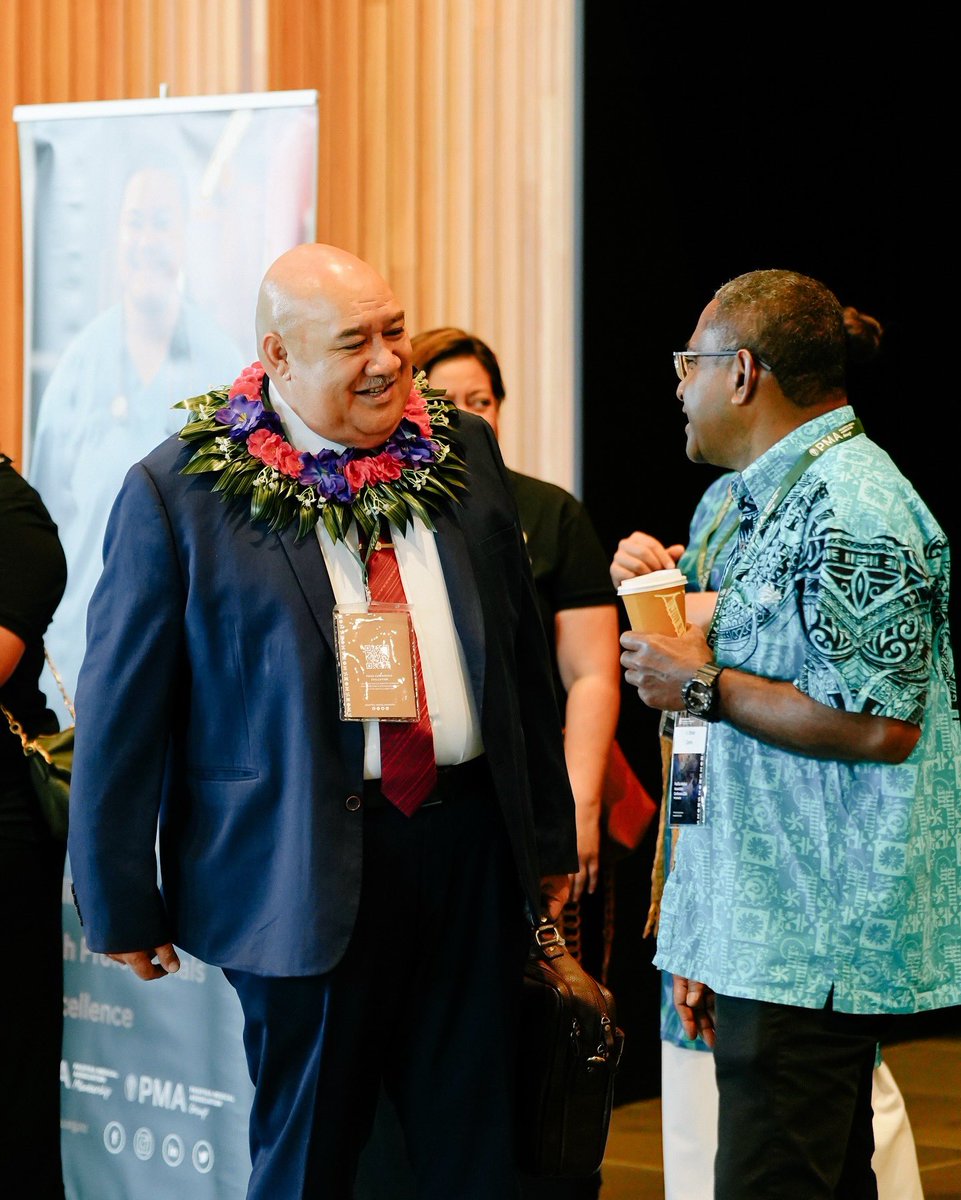
We have kicked off the Global Health Symposium this morning in Christchurch! Our delegates have settled in & we’re excited to collaborate, innovate, and discuss the future of Pacific health 🌺 Keep an eye on our social media for more updates ✨
RACP IN THE MEDIA
'The RACP Māori Health Committee Chair, Dr Matt Wheeler, said the principles outlined in the bill diminished "the constitutional status of the Treaty / Te Tiriti"' @radionz.
https://t.co/B5RYBqtqlE
Athletes to win 3 or more gold medals each at multiple Summer Olympics since 2000:
Michael Phelps
Usain Bolt
Simone Biles
Lisa Carrington
https://t.co/AmfIFgPCDJ
"Mattering" is the belief that we’re significant to the world around us. When people feel they matter, they feel seen, important & needed through how others treat them. Scholars have deemed mattering to be a core instinct that drives all human behaviour. That’s why, when someone doesn’t believe they matter at work they:
- won’t share their voice if they don’t believe their voice is significant
- won’t use their strengths if they don’t believe they have strengths
- won’t contribute if they don’t believe they have something to contribute
- won’t care as much as if they feel cared for
Actions that leaders/ teams can take: see some excellent articles by @ZachMercurio - "How to Create Mattering at Work": https://t.co/vlxLnrqGWF and "The Cost of Not Mattering at Work": https://t.co/AocAKNMhxm.
The Nuka system of care, run by the Southcentral Foundation in Alaska, has been described as "the best primary care system in the world". It has sustained its outstanding outcomes for the past 25 years. In this analysis, @BenAllenGP explains that it wasn't just a change in the process of care but a whole different way of thinking about care: https://t.co/Fb34XGJzKG. Source of graphic: @deby59@SCFNuka
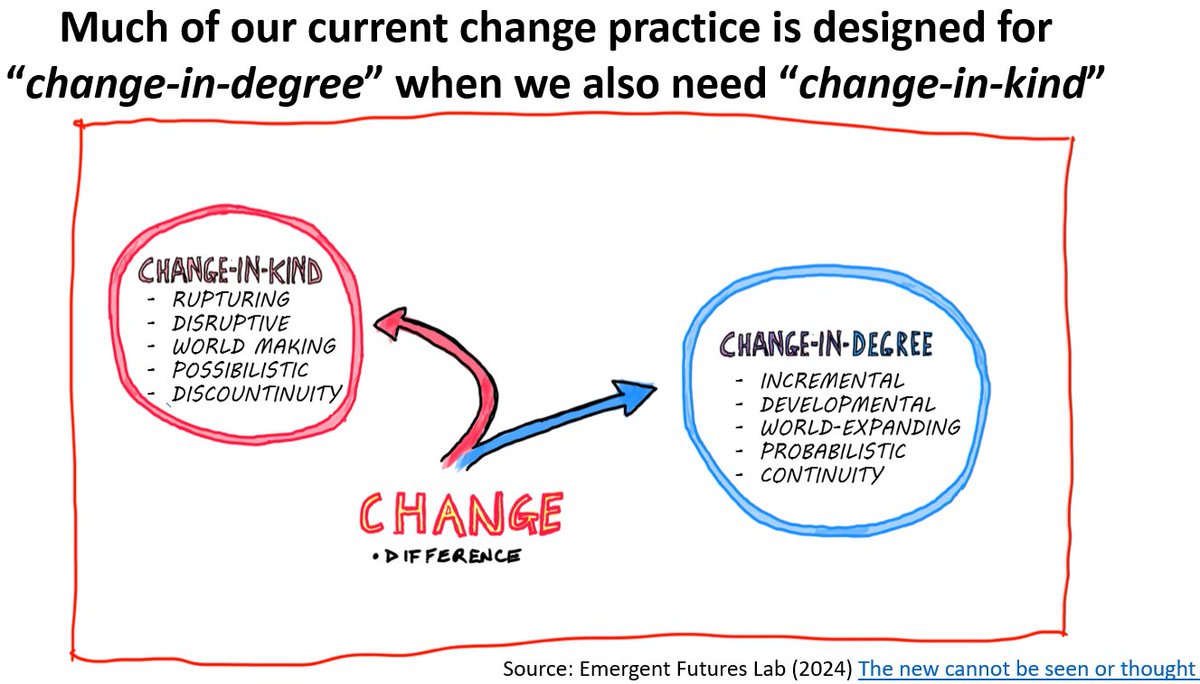
I have been asked about models & approaches that influence my change practice. I will post some of them over the next few days. The first shows the distinction between "change-in-kind" (disruptive, discontinuous change) as well as "change-in degree" (incremental, continuous change). Whilst we aspire to the former, many of the change tools & approaches we use are designed for the latter. We need both types of change. https://t.co/XqLjc9c4nF. By @ACFuturesLab
Reflecting on an inspiring, productive and energising @QualityForum #Quality2024#ihiforum
Two key messages stood out to me:
1️⃣ We need more Change in Kind - new ways of doing things
2️⃣ Improvement moves at the speed of trust - Relationships are everything
When we celebrate pivots, we reinforce the acceptance of fallibility...an integral part of #FailingWell 👏 This week's dose of #RightKindofWrong from pg 274
Have you pivoted recently? What did you learn?
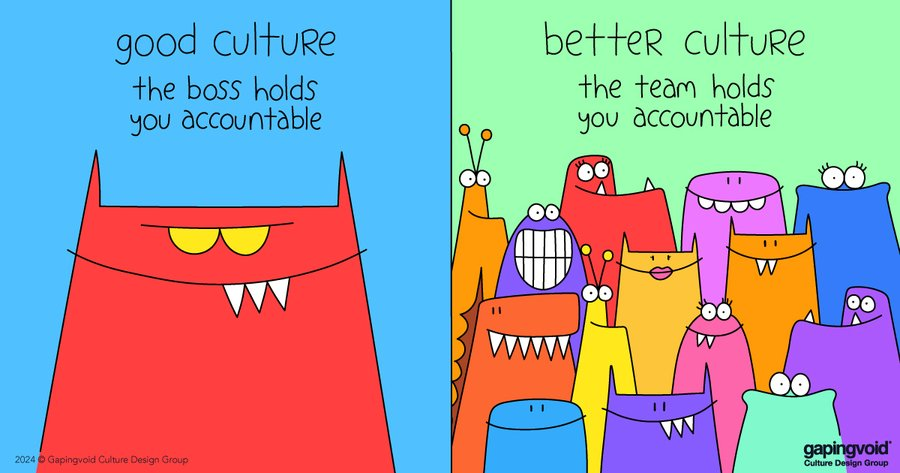
"Building organisational culture from the middle out". Having a positive culture predicts high performance. People often think that it is senior leaders who should define/articulate/role model a healthy culture & mid level leaders who should enact/endorse it. However research newly published in @MITsmr shows the critical role mid level leaders play in developing/enriching the culture. It's through exchanges that support work teams to accomplish their tasks & the practice of daily behaviours, in line with values. It's great to see research that spotlights the contribution of middle managers: https://t.co/AXgmMIbjAW. I teamed this article with a graphic by @GapingvoidArt
PMA is pleased to announce Dr Lupe Taumoepeau (FRACS) as the newest Board Director of the PMA Group Board. Dr Taumoepeau comes with an extensive background in leadership and a passion in developing the Pacific health workforce.
🔗 Read here: https://t.co/hUvbaC5fAG
The Pasifika Medical Association Membership (PMAM) formally announces the appointment of Dr Xaviour Walker to the PMAM Board as the newest Board Director.
🔗Read full story in here - https://t.co/KjOeCJJIDn
Many organisations in health and care are shifting from the language of "quality improvement" to "continuous improvement". Here's a couple of graphics that highlight the power of continuous improvement. The first is adapted from QuotedVisually. The second is by @melodie_ltd (Instagram), via @RobinD100.
How to define & understand problems to get better results from change initiatives. Often results are not delivered because (time pressured) leaders jump straight into problem-solving actions without making the time & space to understand & define what the problem is. Here's the "E5" approach to problem-framing:
1) Expand: explore all aspects of a problem & its nuances
2) Examine: understand underlying drivers & systemic contributors to the problem
3) Empathise: consider the perspectives of those who are most central to & affected by the problem
4) Elevate: understand how the problem connects to broader system issues
5) Envision: actively imagine & design solutions to the problem
https://t.co/jHnWqbwcUq. By Julia Binder & @MichaelDWatkins
What is a system? "The interaction of relationships, interactions & resources in a defined context". What is systems thinking? "An approach to solving problems in complex systems that looks at the interconnectedness of things to achieve a particular goal". We need to build our capability in systems thinking to tackle so many of the big complex challenges of health & care. This is a super article that sets out "FENCED": six transformational principles for applying systems thinking in driving large scale change: https://t.co/CgfRbxA45L. Via @reospartners@juneholley
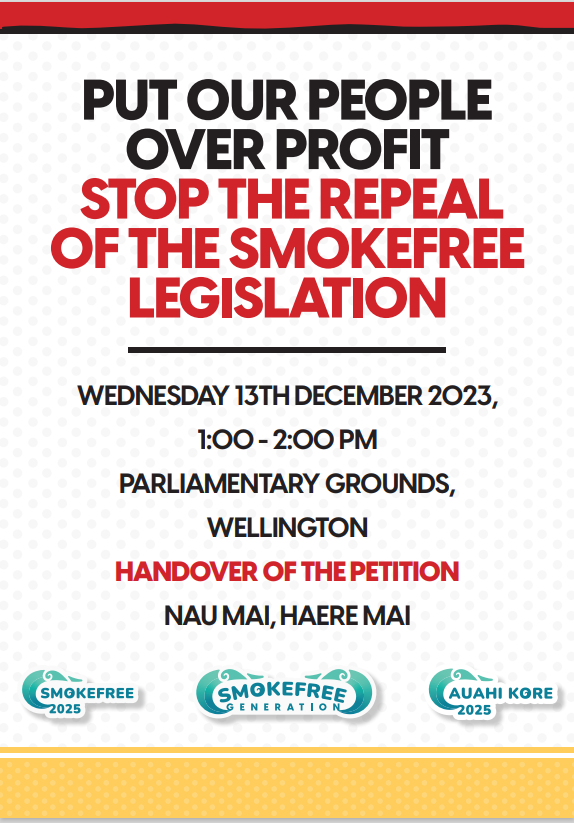
We are pleased to share with you that the date has been set to hand the petition to Parliament on December 13th at 1pm.
All details are in the panui attached.
Keep signing and sharing the petition until then; https://t.co/6d3BYAY6V3
“The challenge to tangata Tiriti is what we’ll do to support a fightback led by tangata whenua. Will Pākehā, in particular, be prepared to march in solidarity with tangata whenua and all people directly affected by the neo-racist political programme?”
https://t.co/lPH1Hgq9Kw